24 days in March, 39 days in July/August = 63 days in 2025 spent in Kenya
February 27 – March 22:
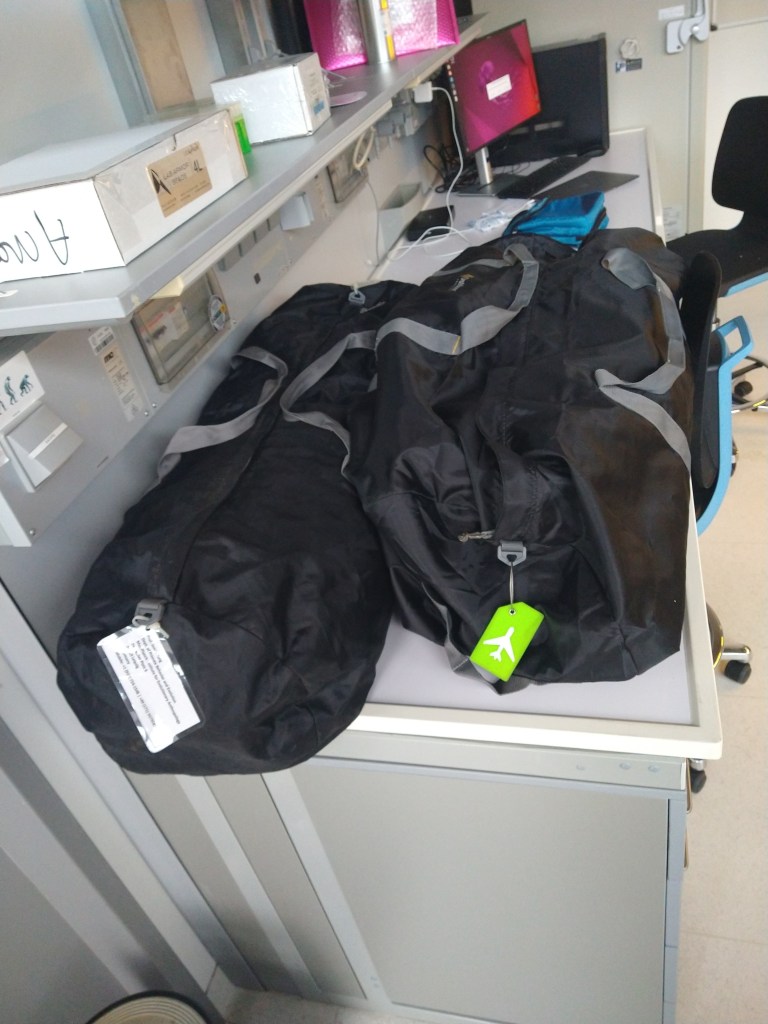
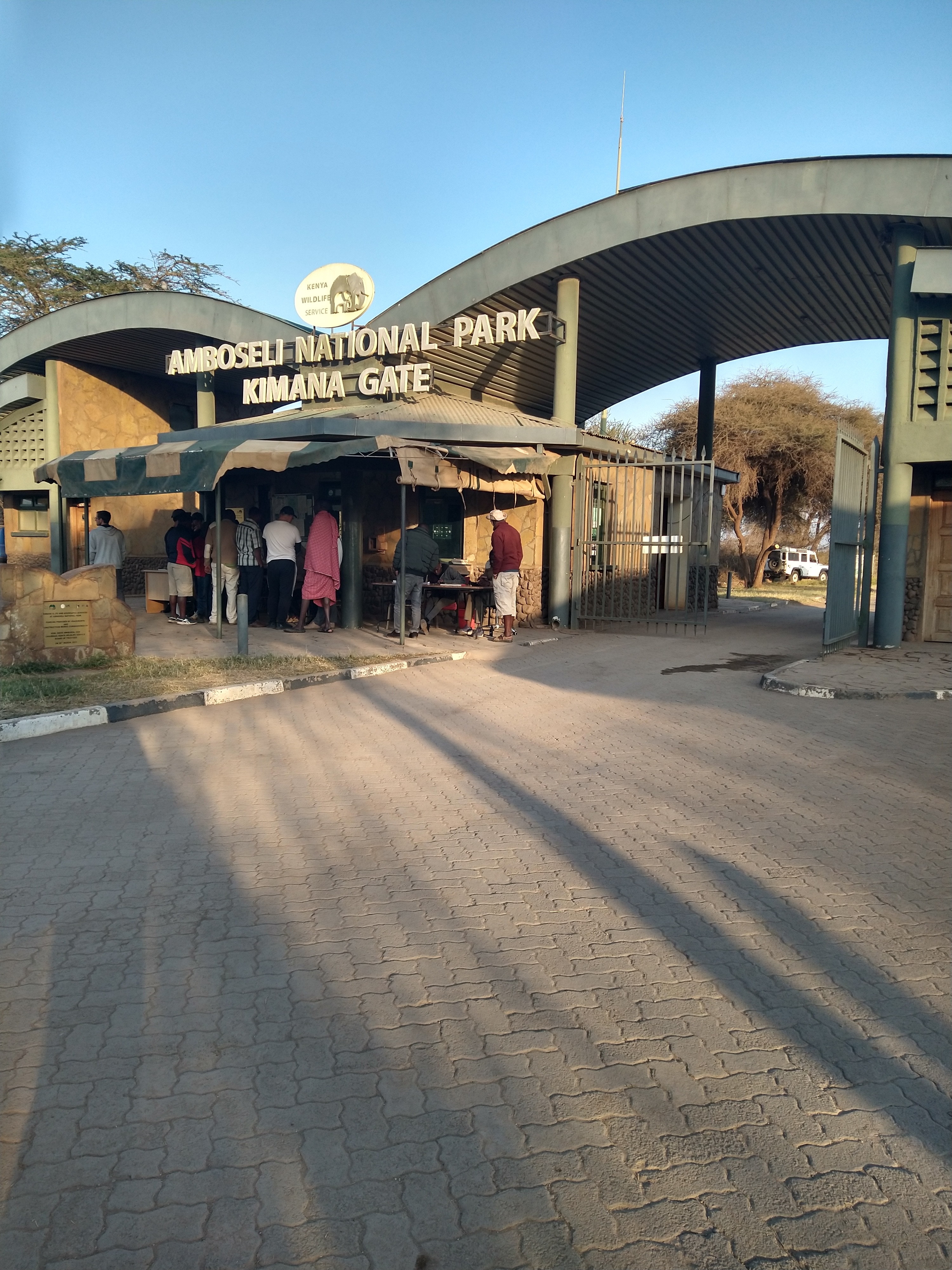
After being trained on the baboon darting procedures in 2024, this year I was sent down to Amboseli twice to participate in the baboon capture studies. The first stint in early March was to help deploy subcutaneous heart monitors in selected female baboons from our study groups to better understand social interactions among individuals and learn about the sleep patterns of these primates. We only had 3 darting days scheduled, for a maximum of 6 individuals to get the implants. This is a much smaller darting than our annual sampling period in July/August, but I thought it would be best if I could bring down as much of the supplies as I could for both sampling periods on this trip. This included enough sampling equipment, tubes (blood collection, immune challenges, blood and serum preservation), reagents for cell challenges and genetic sequencing, and a restock of gloves, masks, and PPE (personal protective equipment), for the requirements of all sampling to be completed this year. Some supplies would need to be stored and transferred on ice, resulting in bulky luggage. In the end I packed everything down to 3 large duffel bags, which included my own supplies of field clothes.
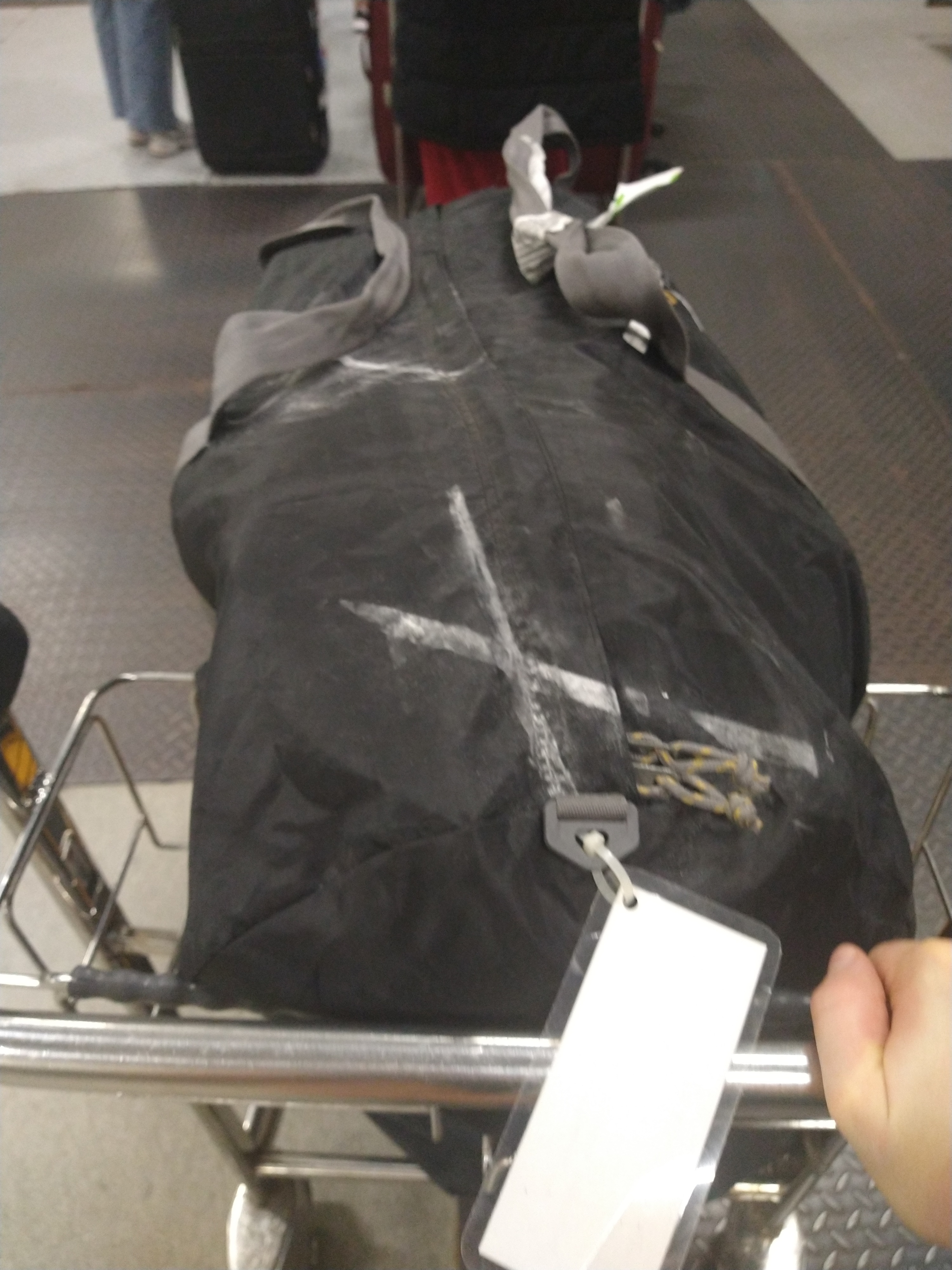
Not so much to my surprise, when I passed through passport control in Nairobi and went to the carousel to collect my luggage, 2 of my bags were marked in chalk with “X” in order to draw attention as I passed customs declaration area. There was no way to hide the X’s as I stacked my bags on the trolly and I marched myself directly over to the customs agents. Sometimes, you can run in to some challenges bringing in items like lab supplies where the customs officers will require a “tax” to be paid. In these situations, I was advised to emphasize that the sampling items were for research purposes only (though I always travel on a tourist visa, not a work visa) and that they would not be subject for resale. The officers were kind as they rummaged through my bags and asked curiously what the tubes on ice contained… at first mistaking my answer as “baboon samples” rather than “stuff to study baboons.” Everything checked out and no taxes were paid. I met the driver I had arranged with the hotel, crashed to sleep in the hotel bed at 11:30 PM shortly after arrival, and set my alarm for 5 AM to make my next flight from the Wilson airport in Nairobi to the Amboseli air strip.
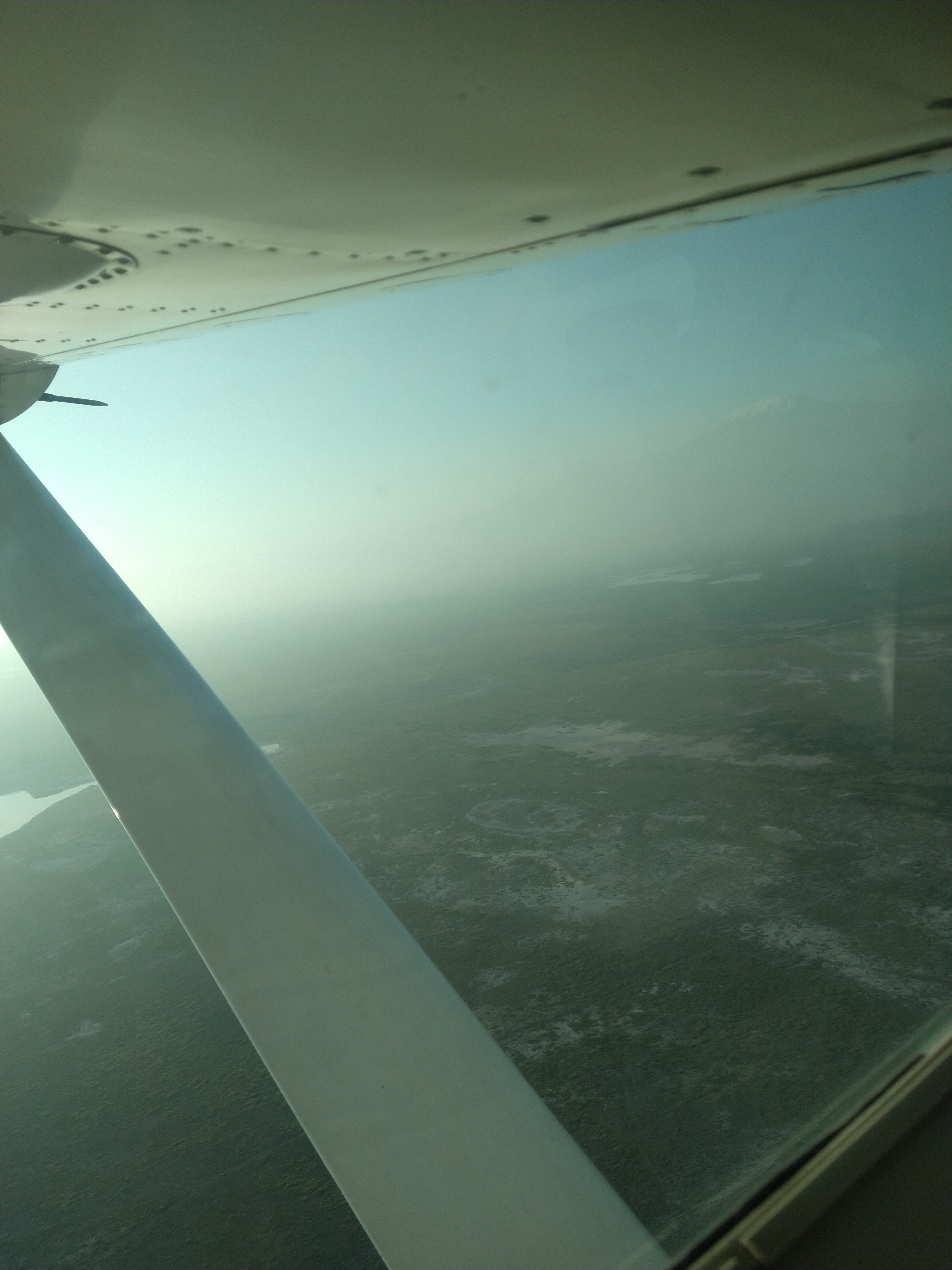
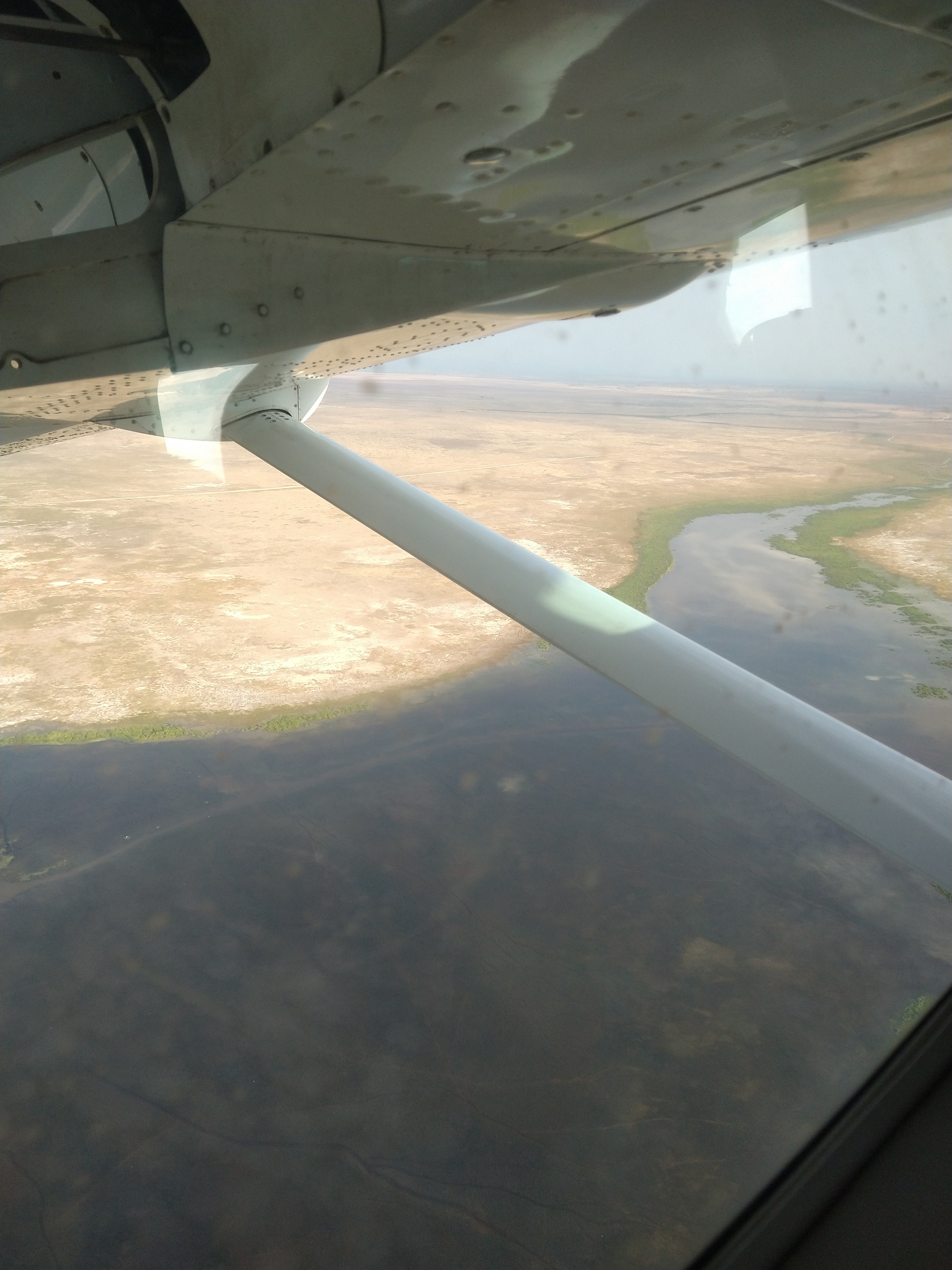
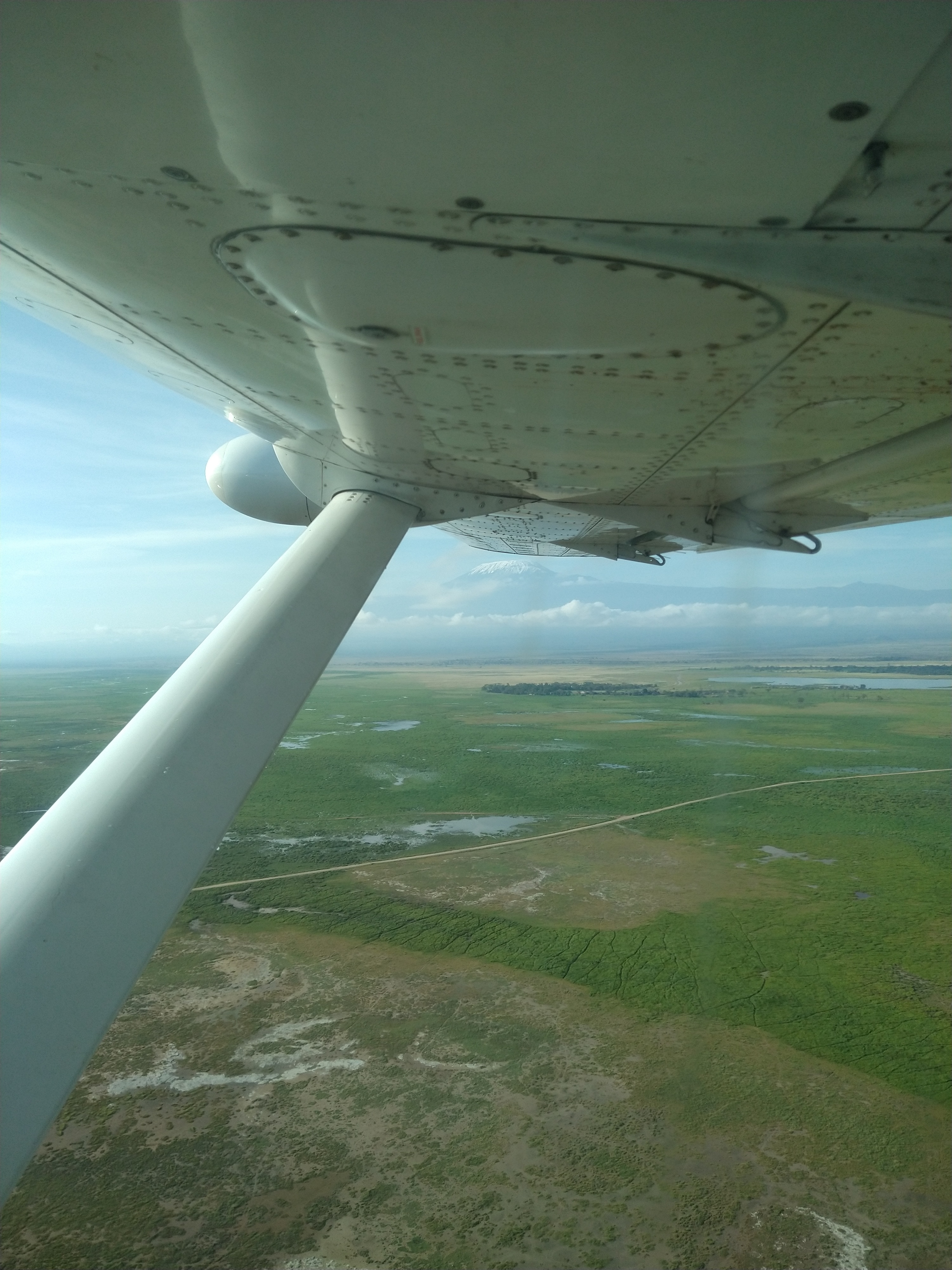
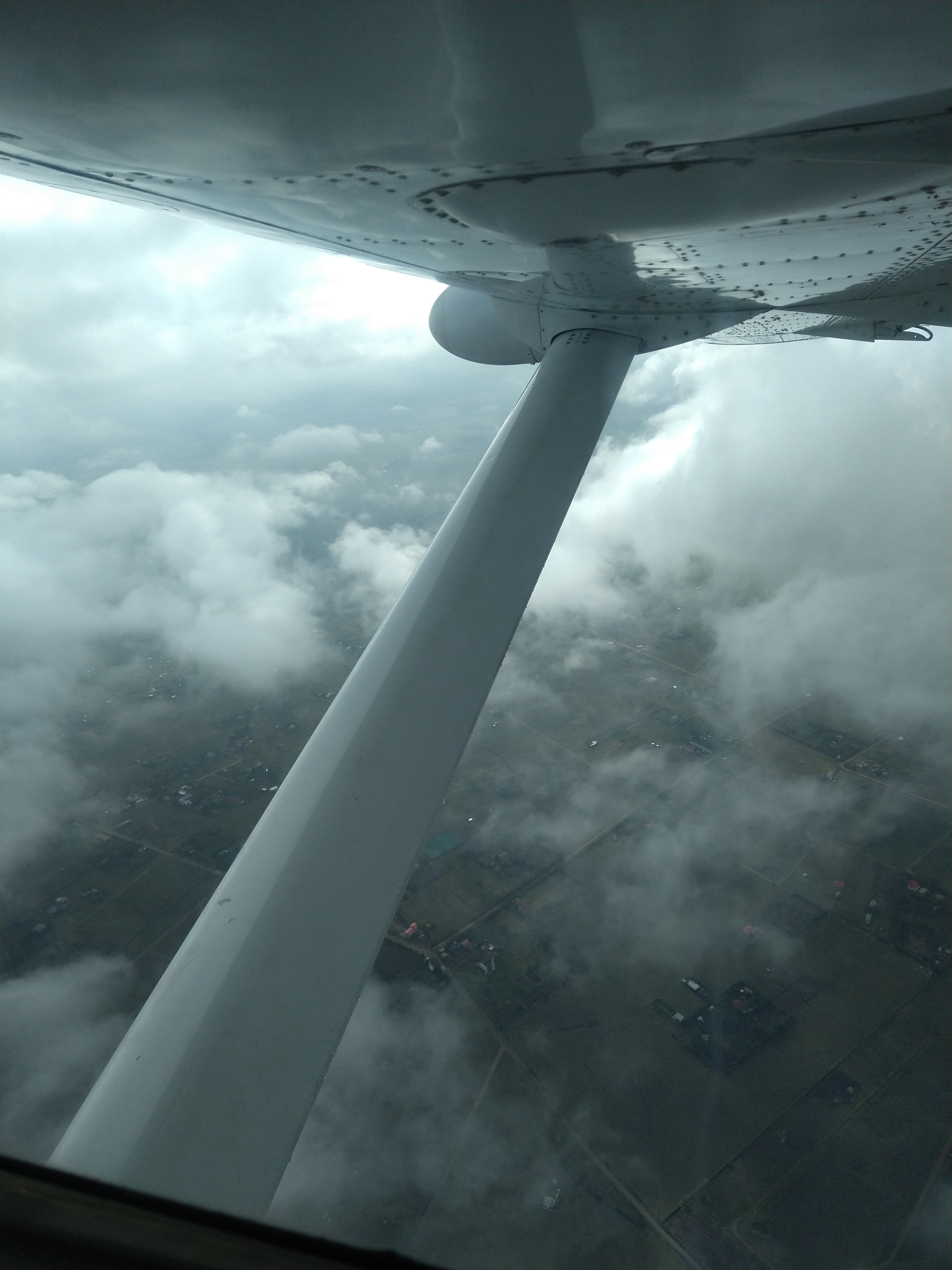
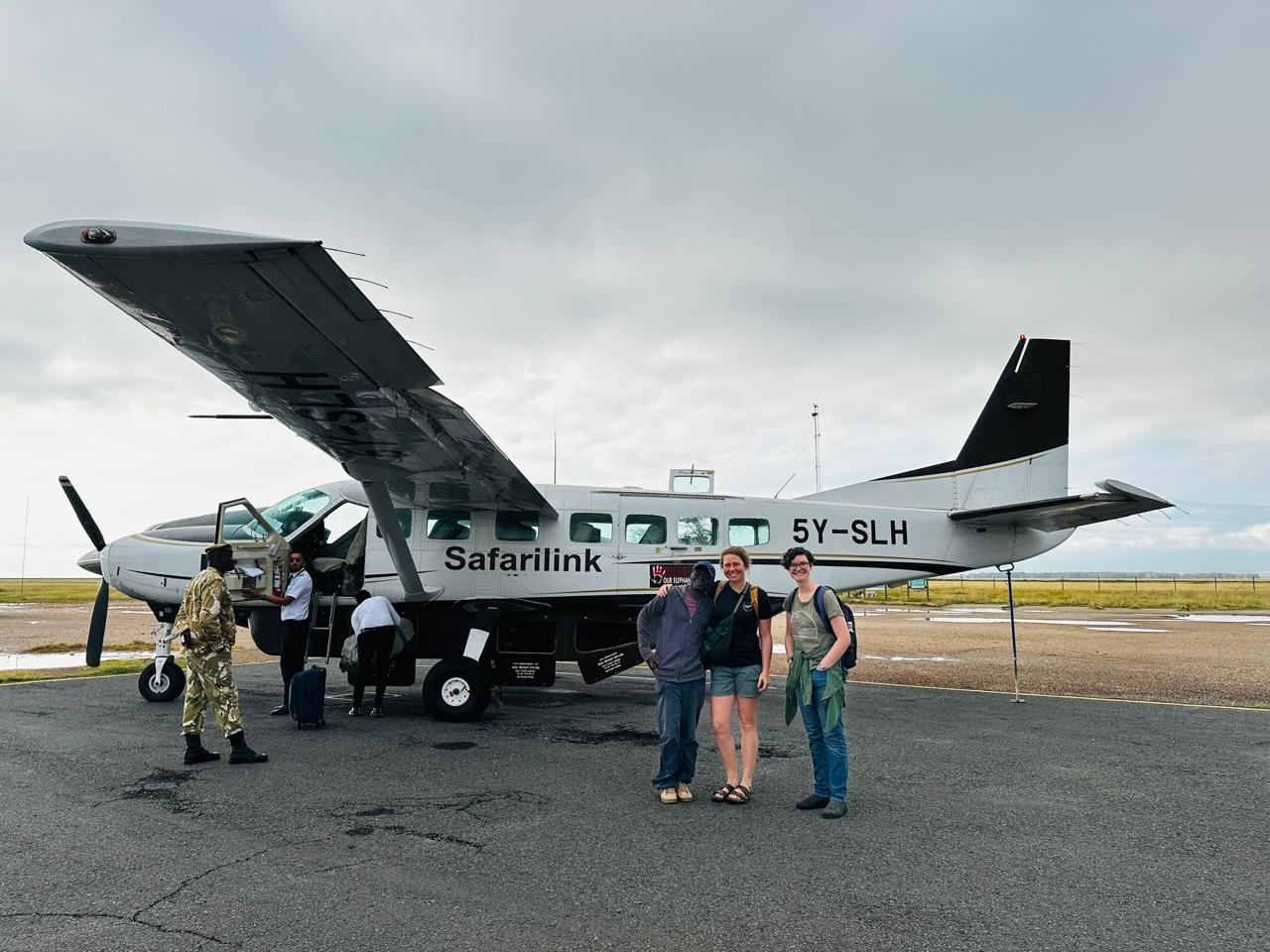
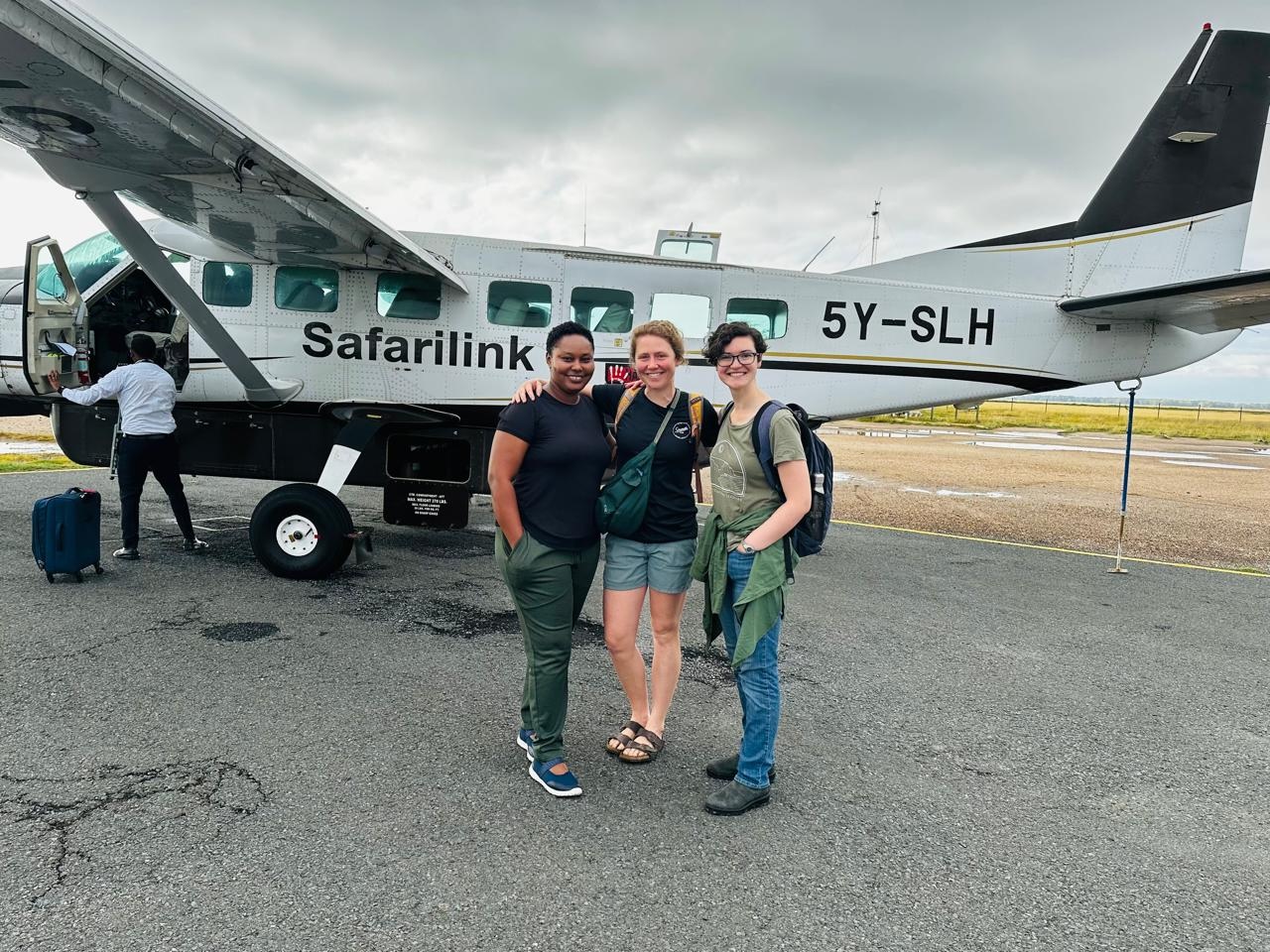
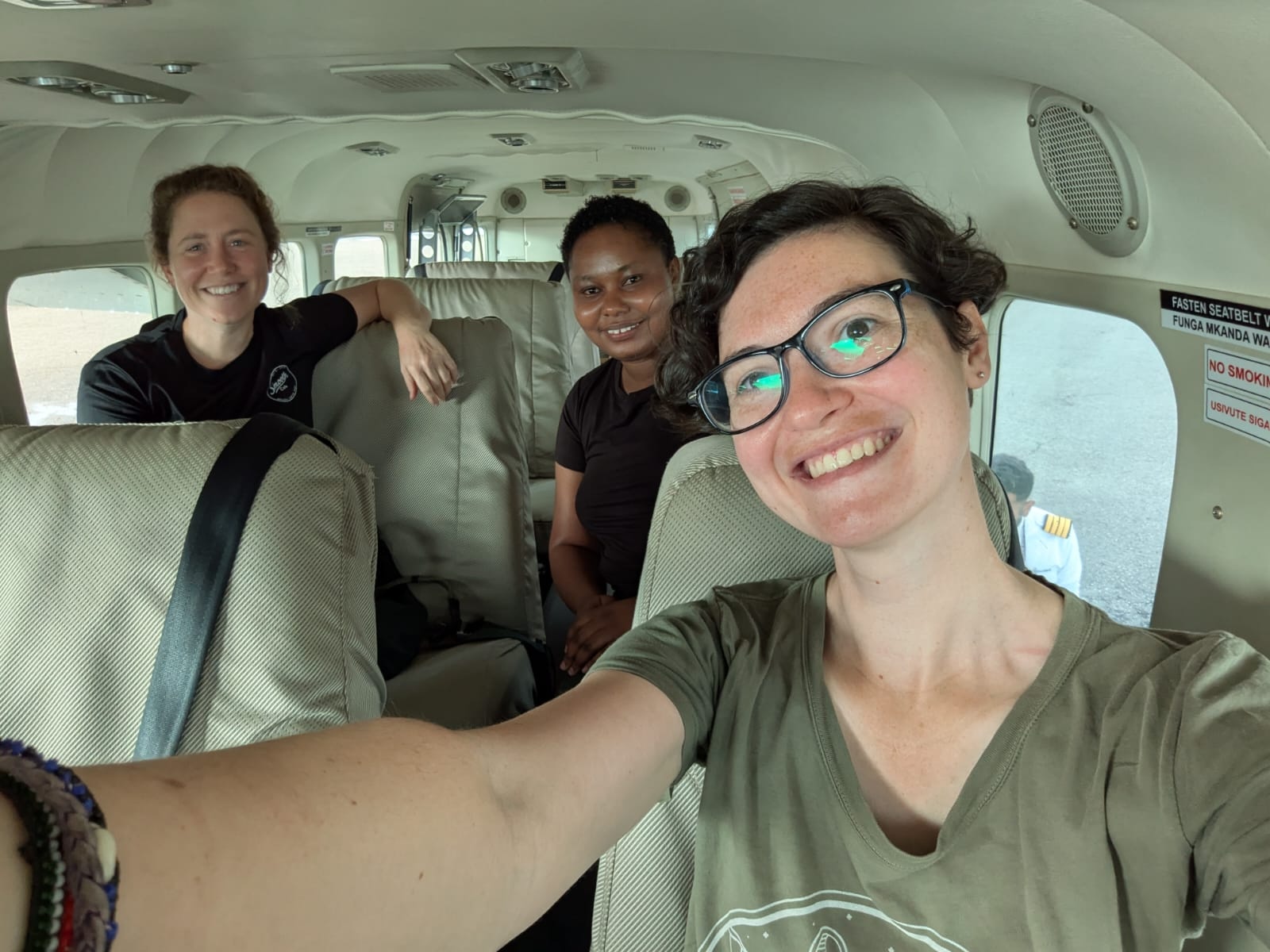
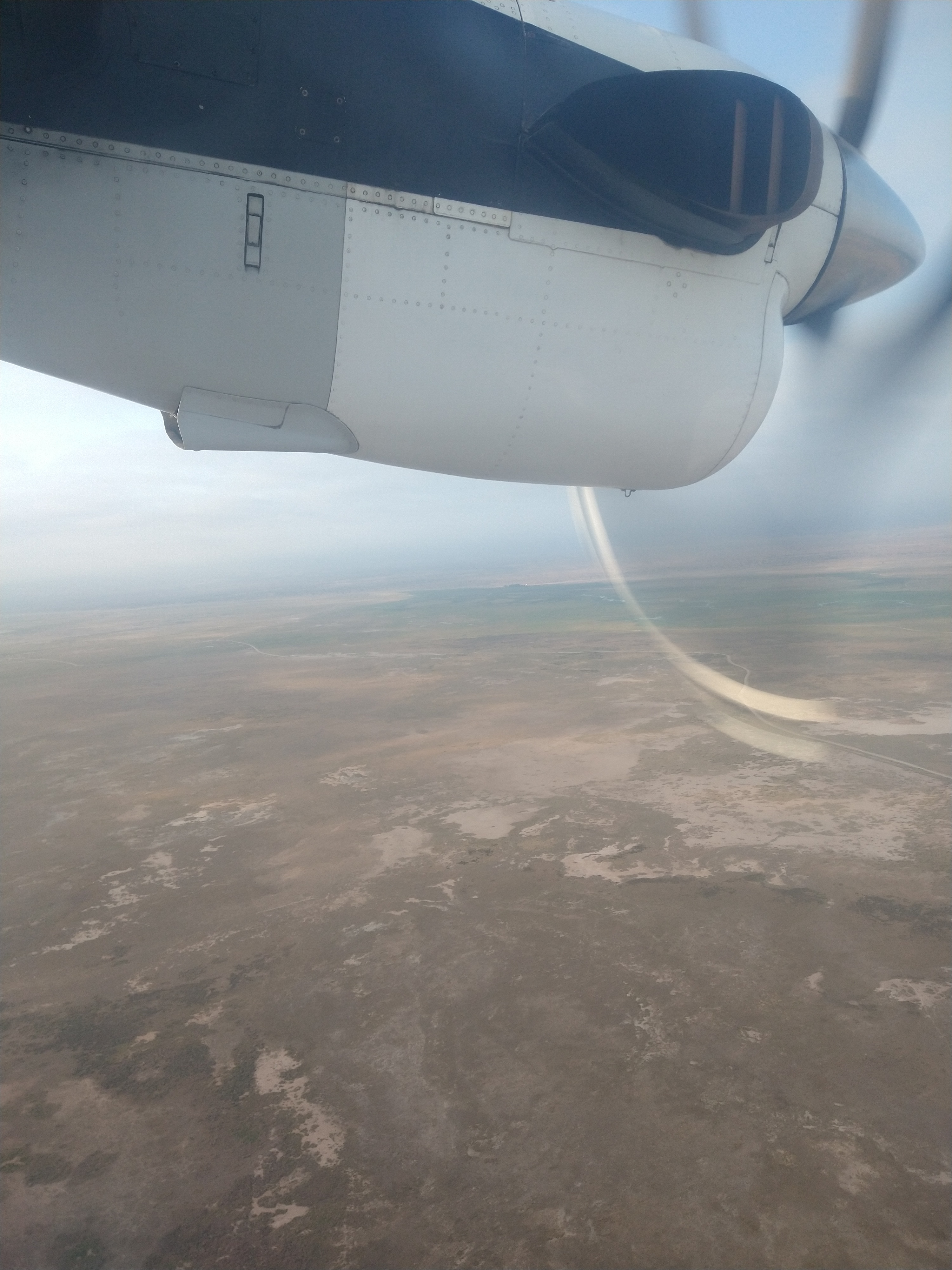
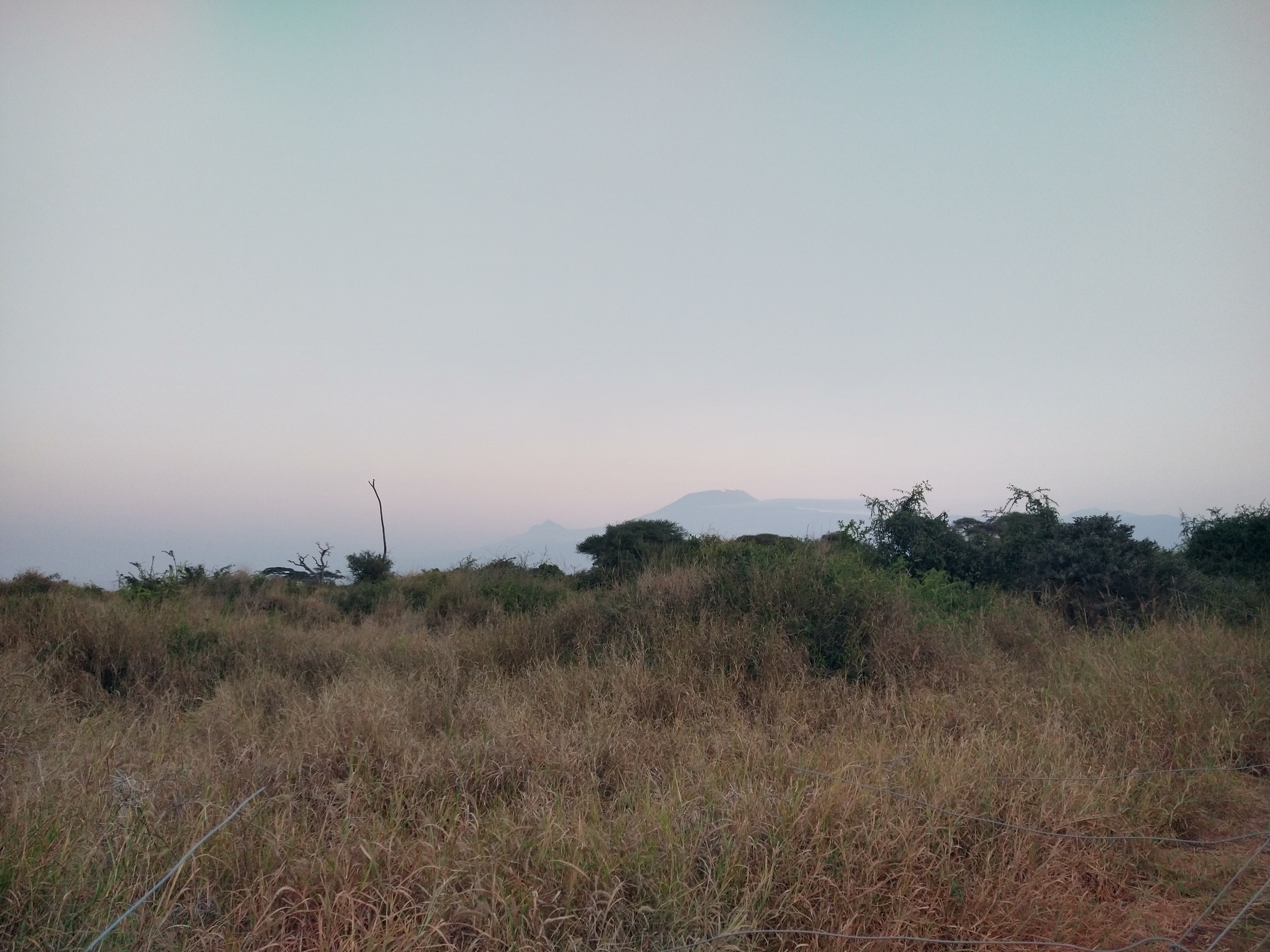
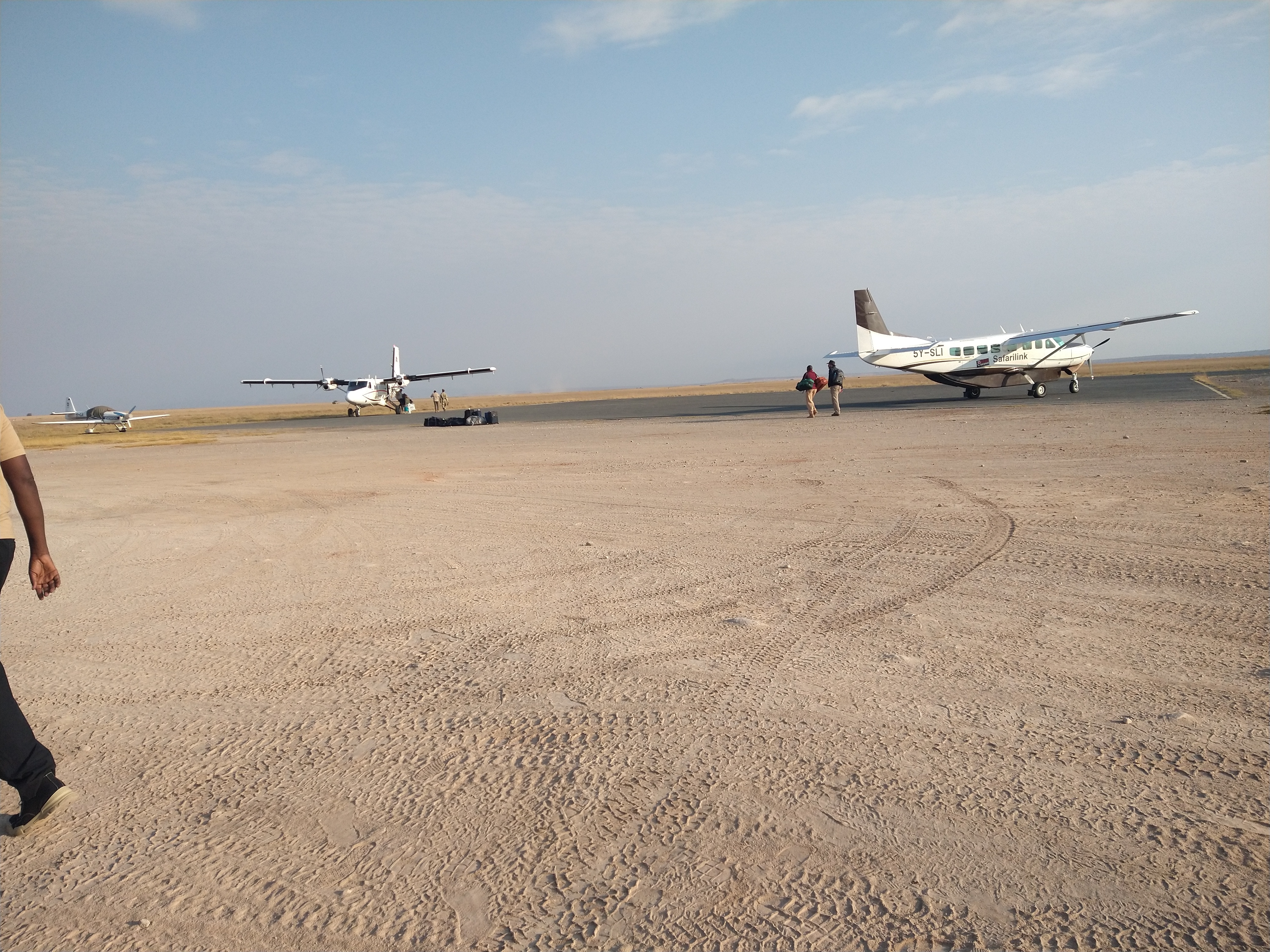
From the smaller Wilson airport in Nairobi to the landing strip of Amboseli National Park, we take one of the smallest Safarilink planes – a Cessna 208 Caravan with a single prop engine, a fixed undercarriage for landing on rough air strips, and a capacity for up to 12 passengers. These flights aren’t usually full, so I always try to get a window seat, even better if I can get one up front to watch what the pilots do. We don’t reach a very high altitude before we cruise over the savanna with Mt Kili looming ahead. I always get an overwhelming sense of joy on these flights realizing that somehow this is what I get paid to do.
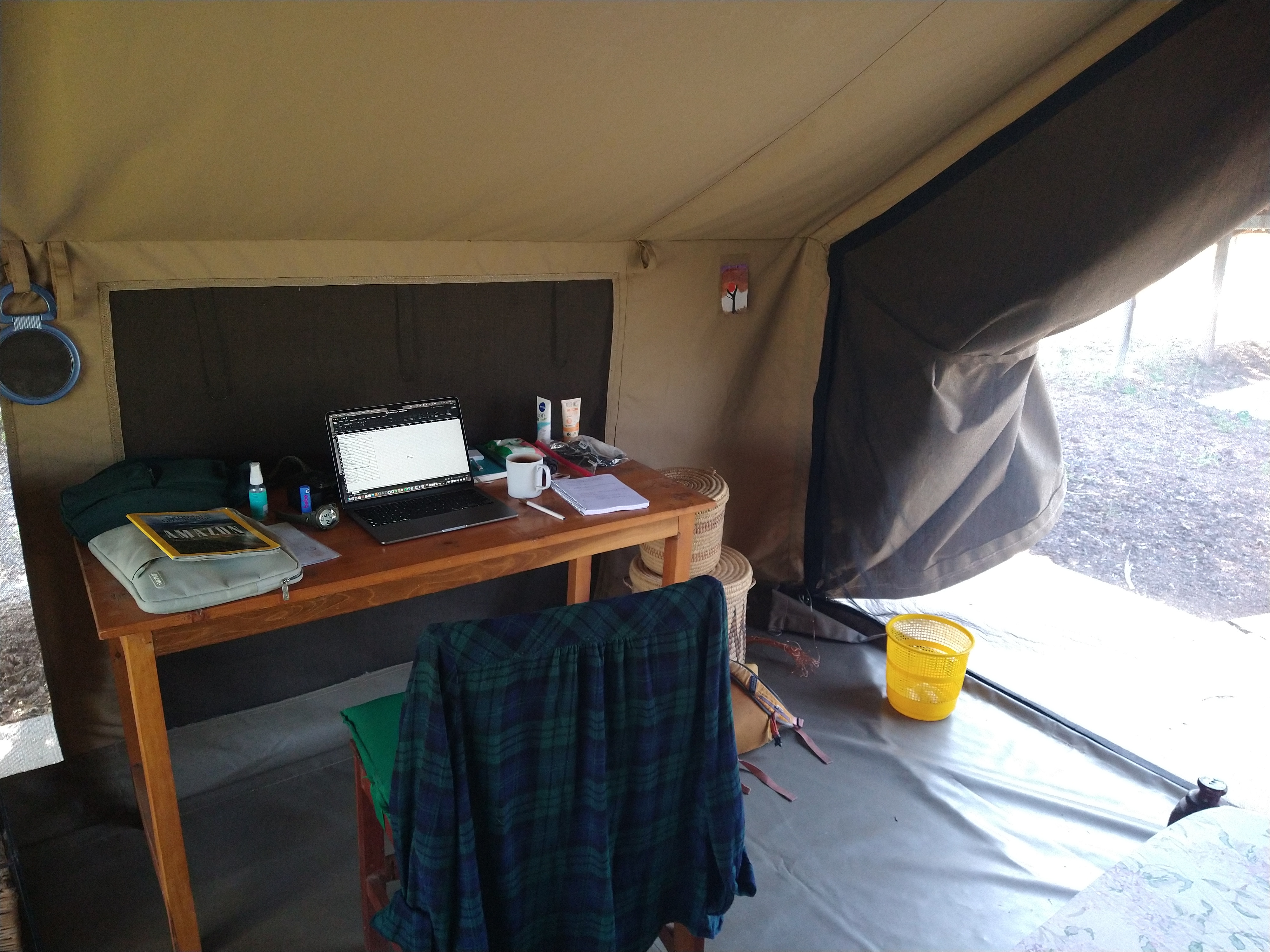
The first days in camp are always busy – cleaning out the lab, organizing all of the supplies, testing the equipment, and packing the vehicles for the darting. Any slight detail that is overlooked could risk success, so usually these first days are pretty intense. Nevertheless, it seems like at the right moment everything clicks into place and we work together in synchrony. The darting and deployment of the heart monitor implants were a success and it was pretty cool to watch the heart rate data download via bluetooth to the research tablets!
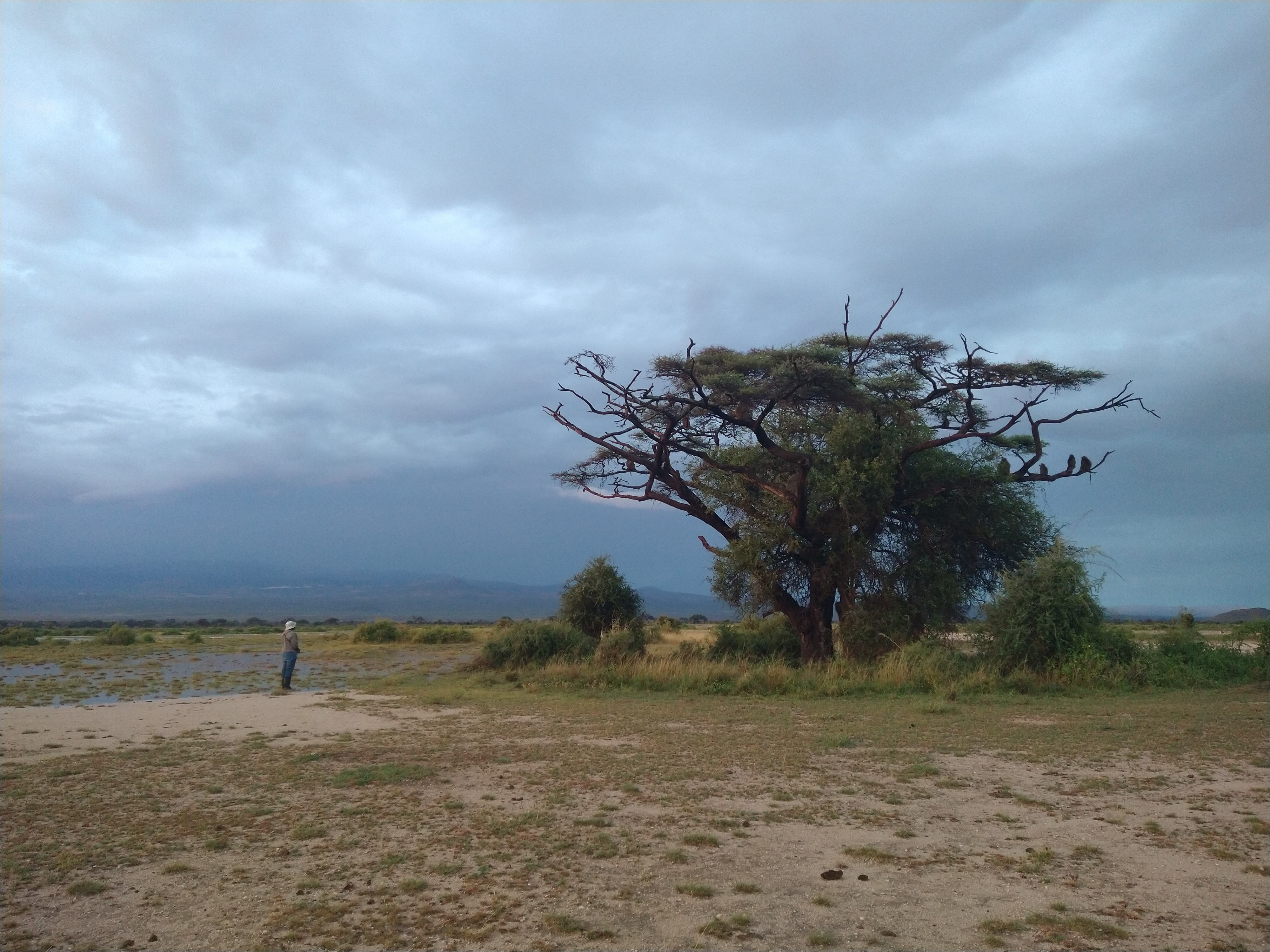
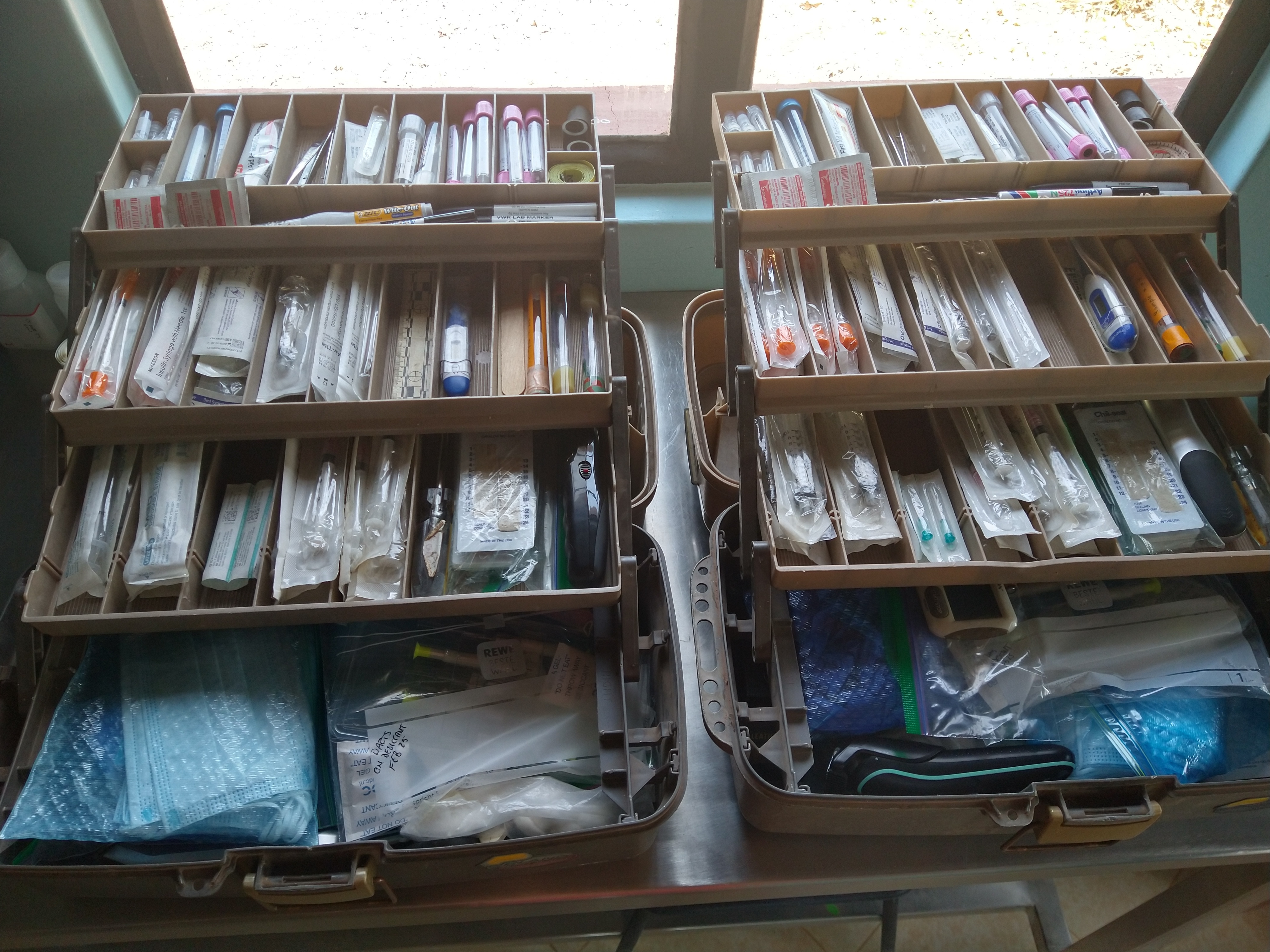
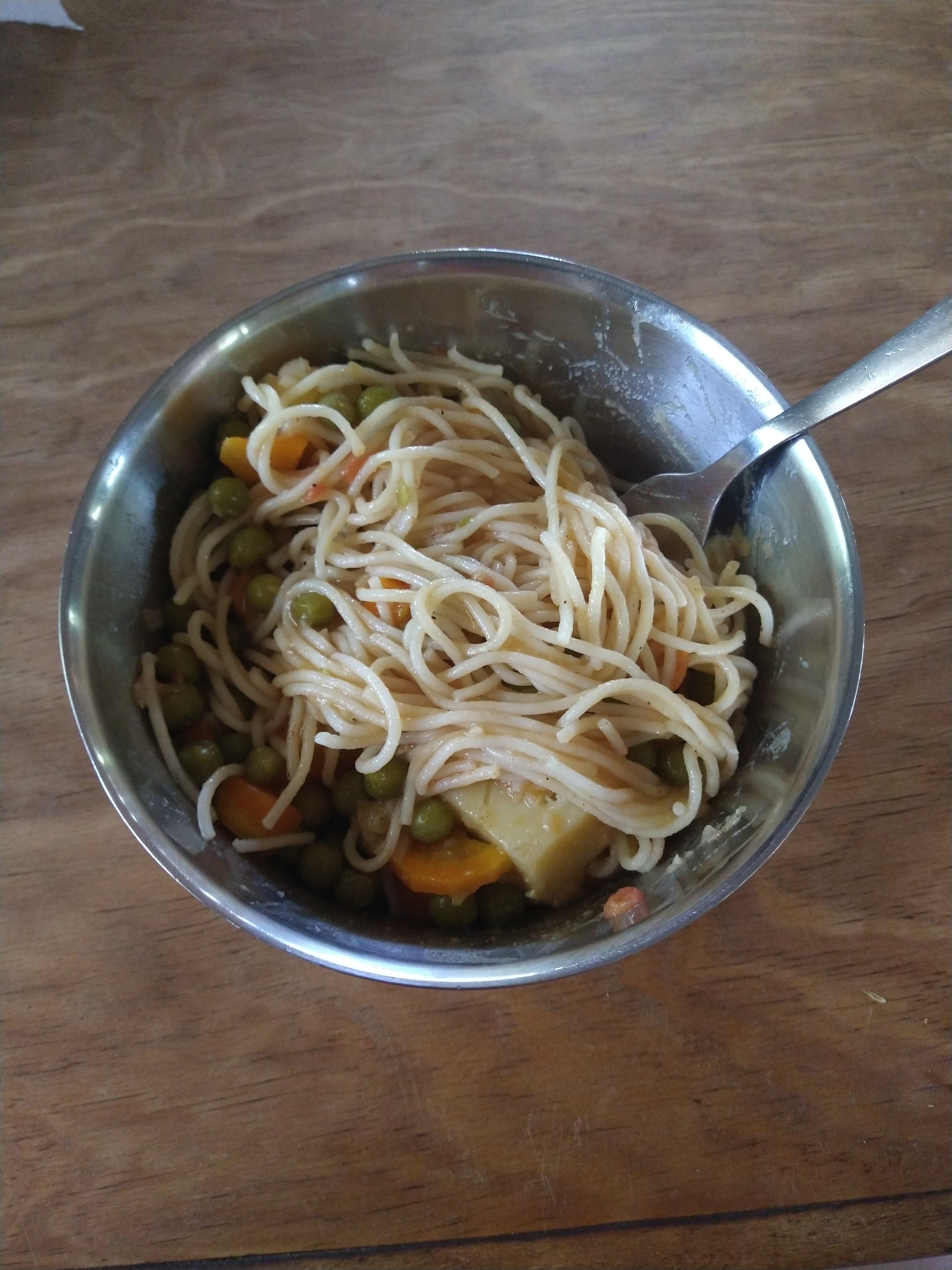
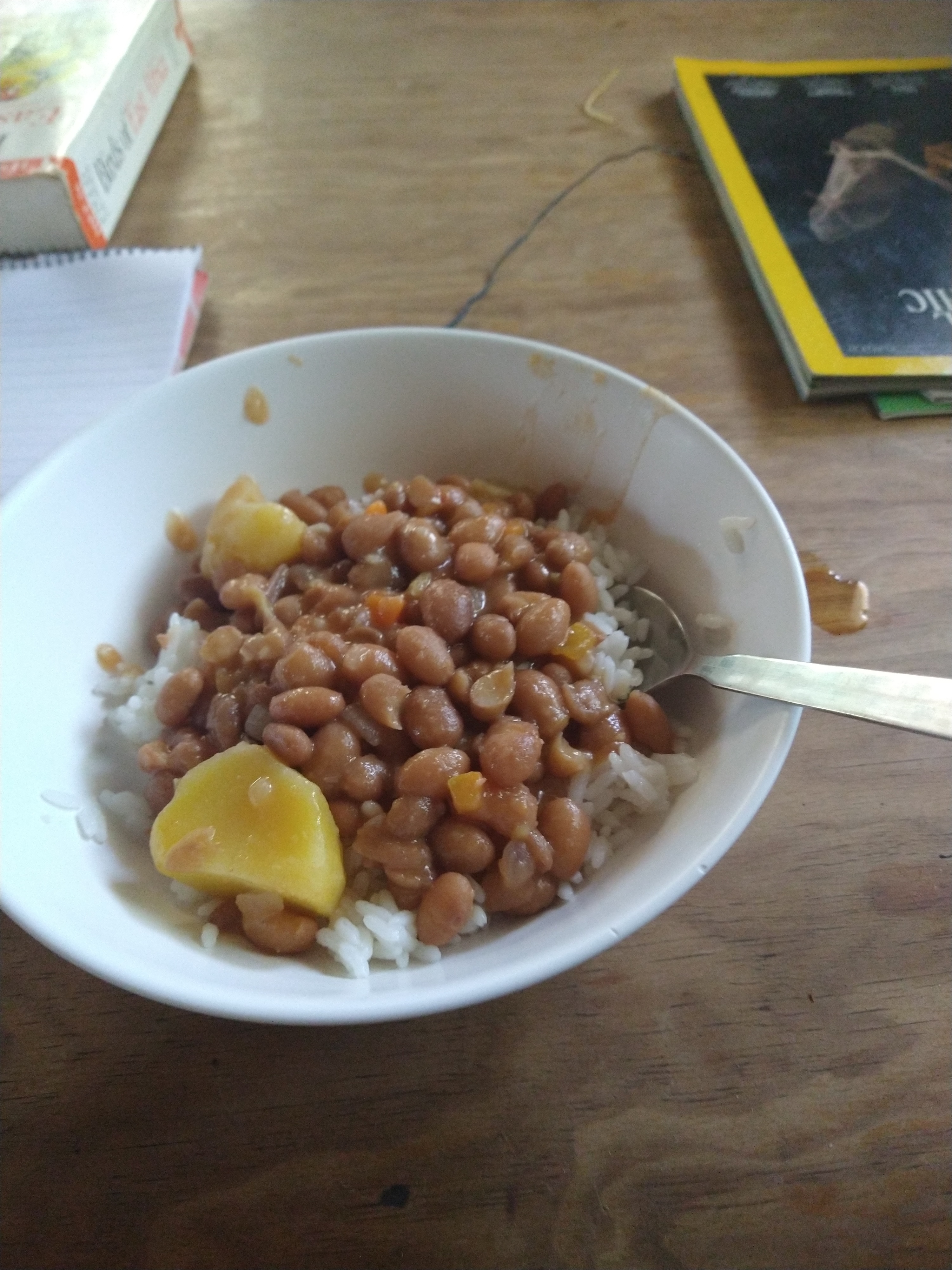
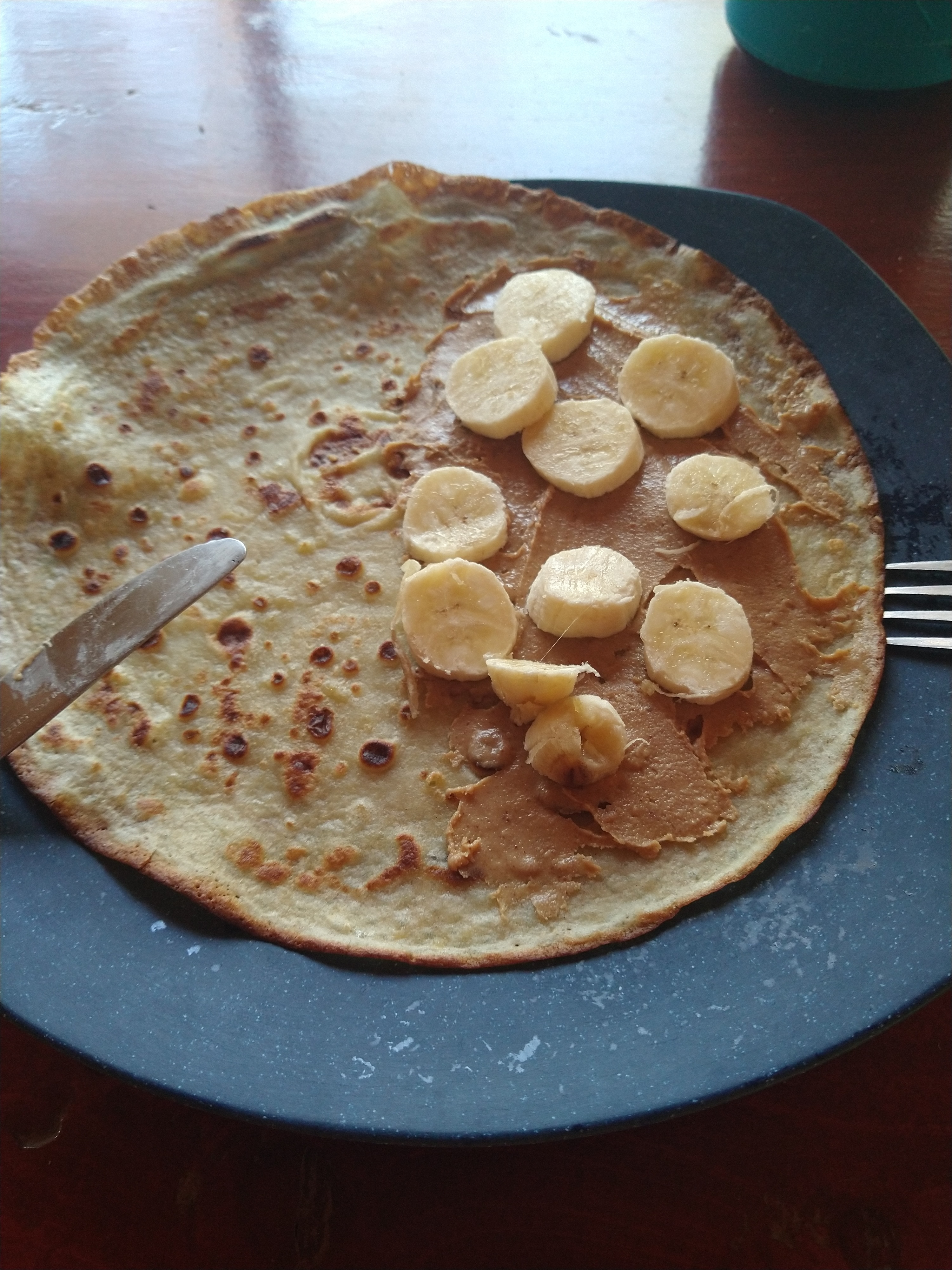
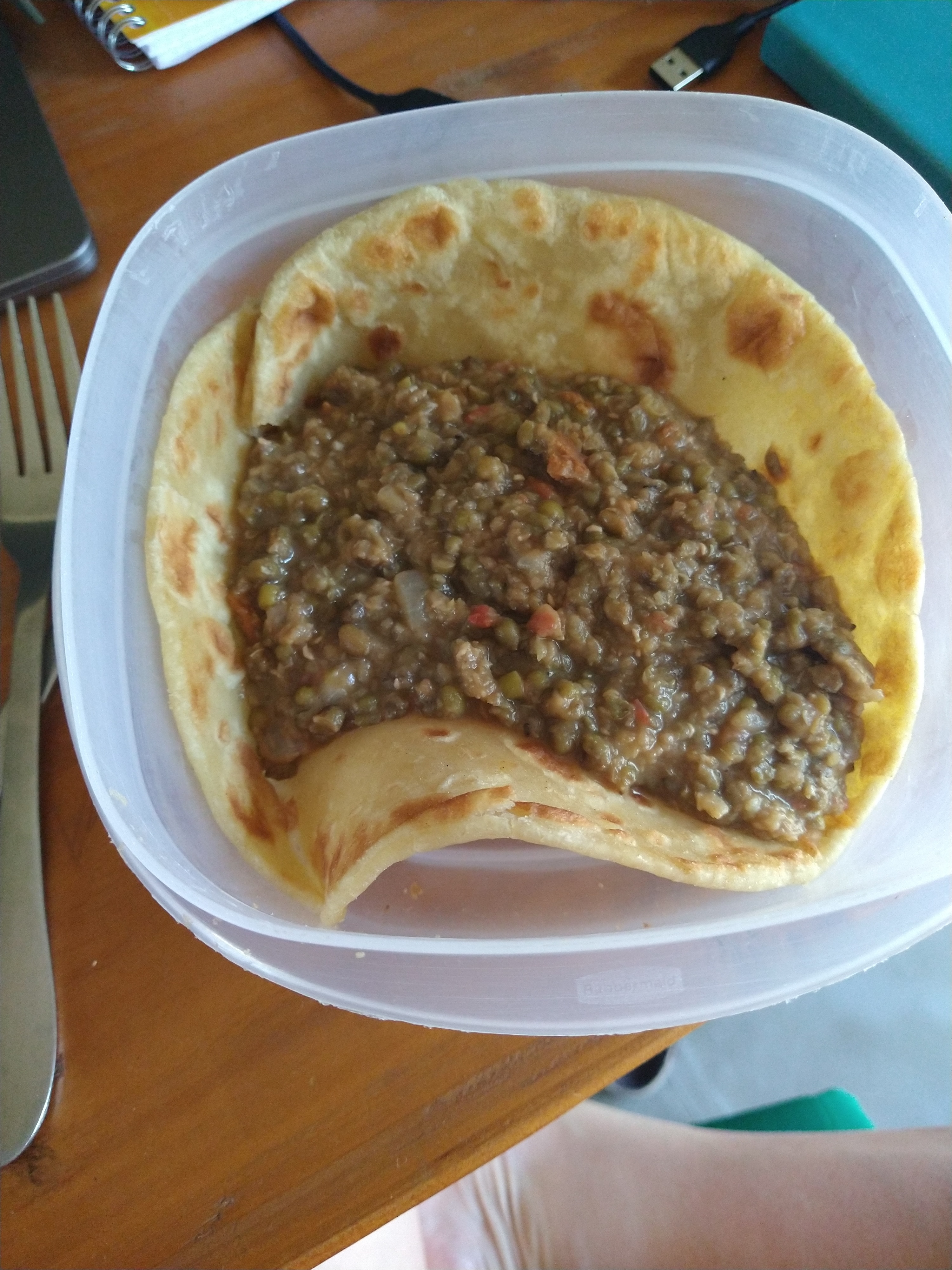
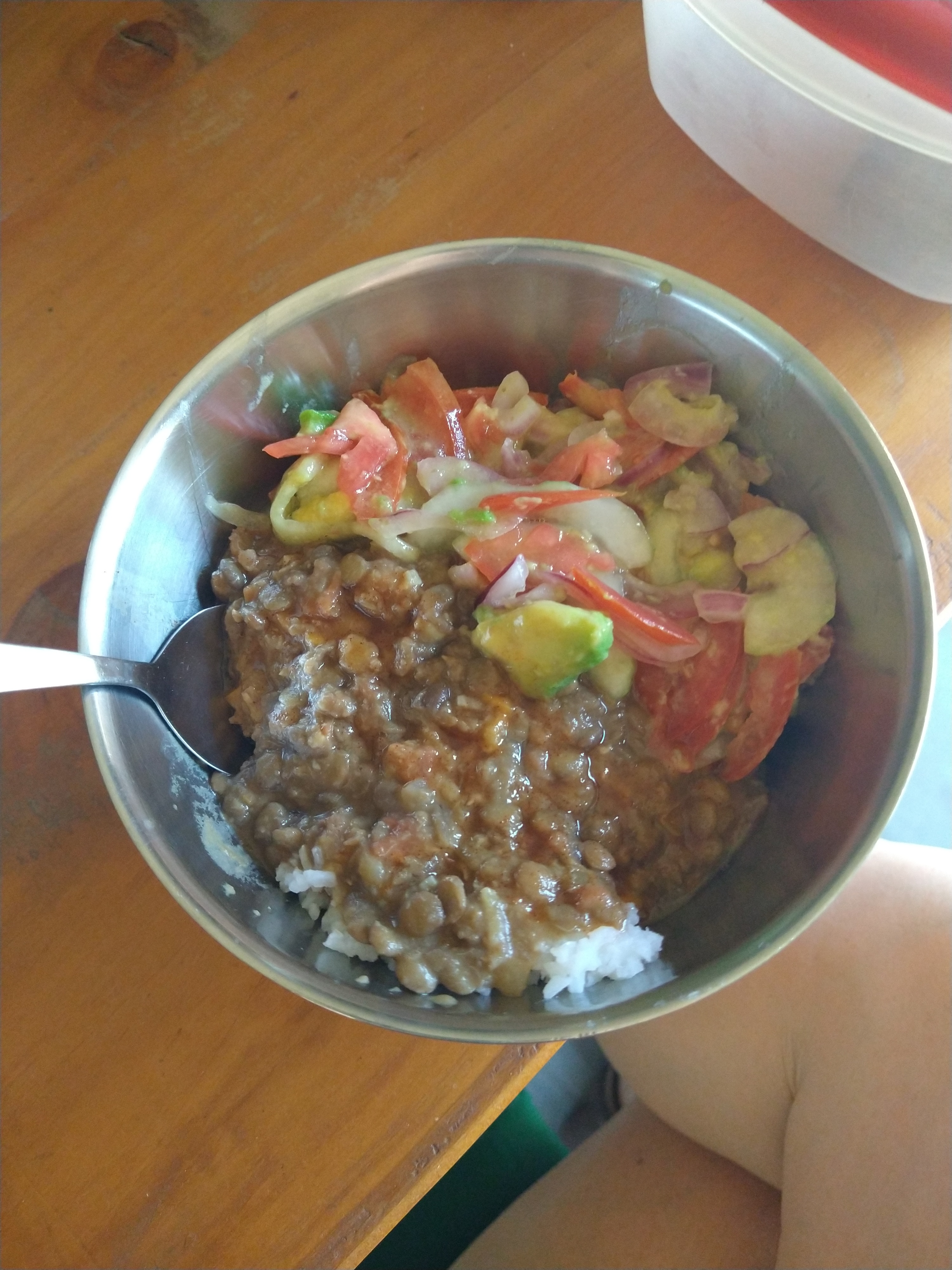
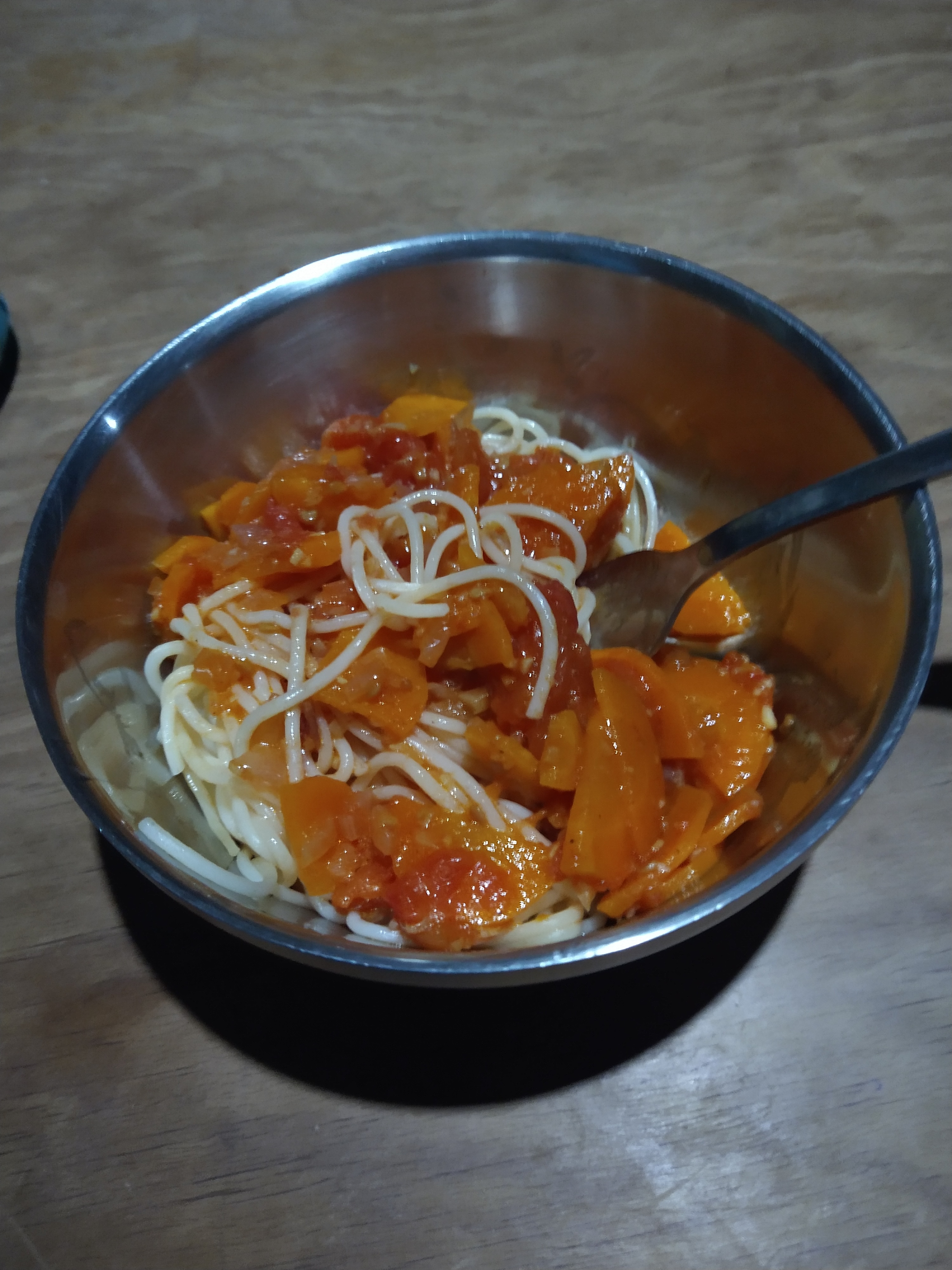
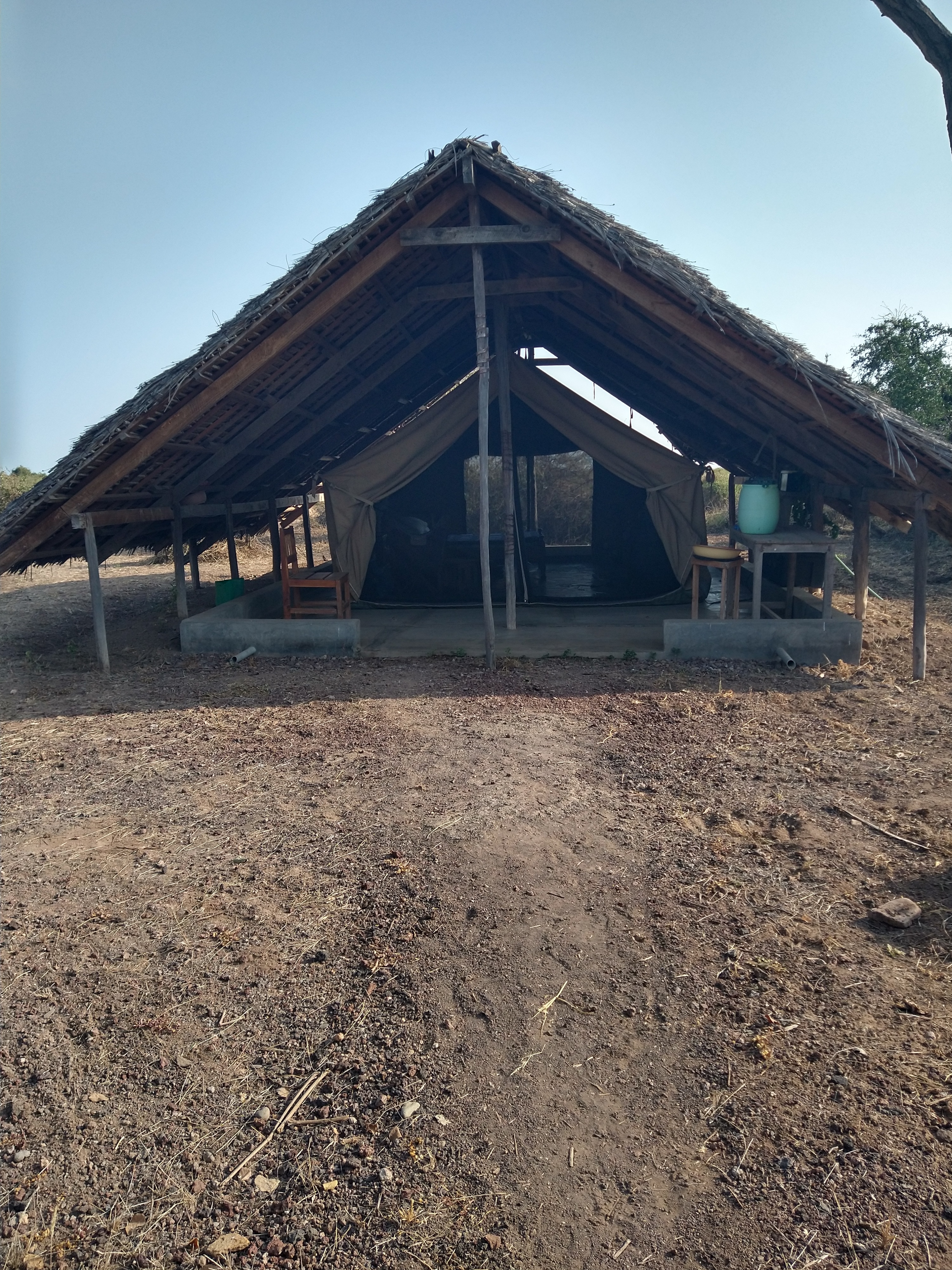
Since this was a new technology being deployed, we had a few more people in camp than usual. Also, after the heart monitors I could stay another couple of weeks to film the baboons for a gaze tracking study, and supervise a Kenyan PhD student on environmental DNA capture and detection of mammalian biodiversity from leaf swabs around the national park. We have a limited number of tents in camp, so we had to double up for some days… and when lab work ran late and the first call for dinner was missed, sometimes there wasn’t much left! I could make up for this with bigger breakfasts and lunches if I planned ahead.
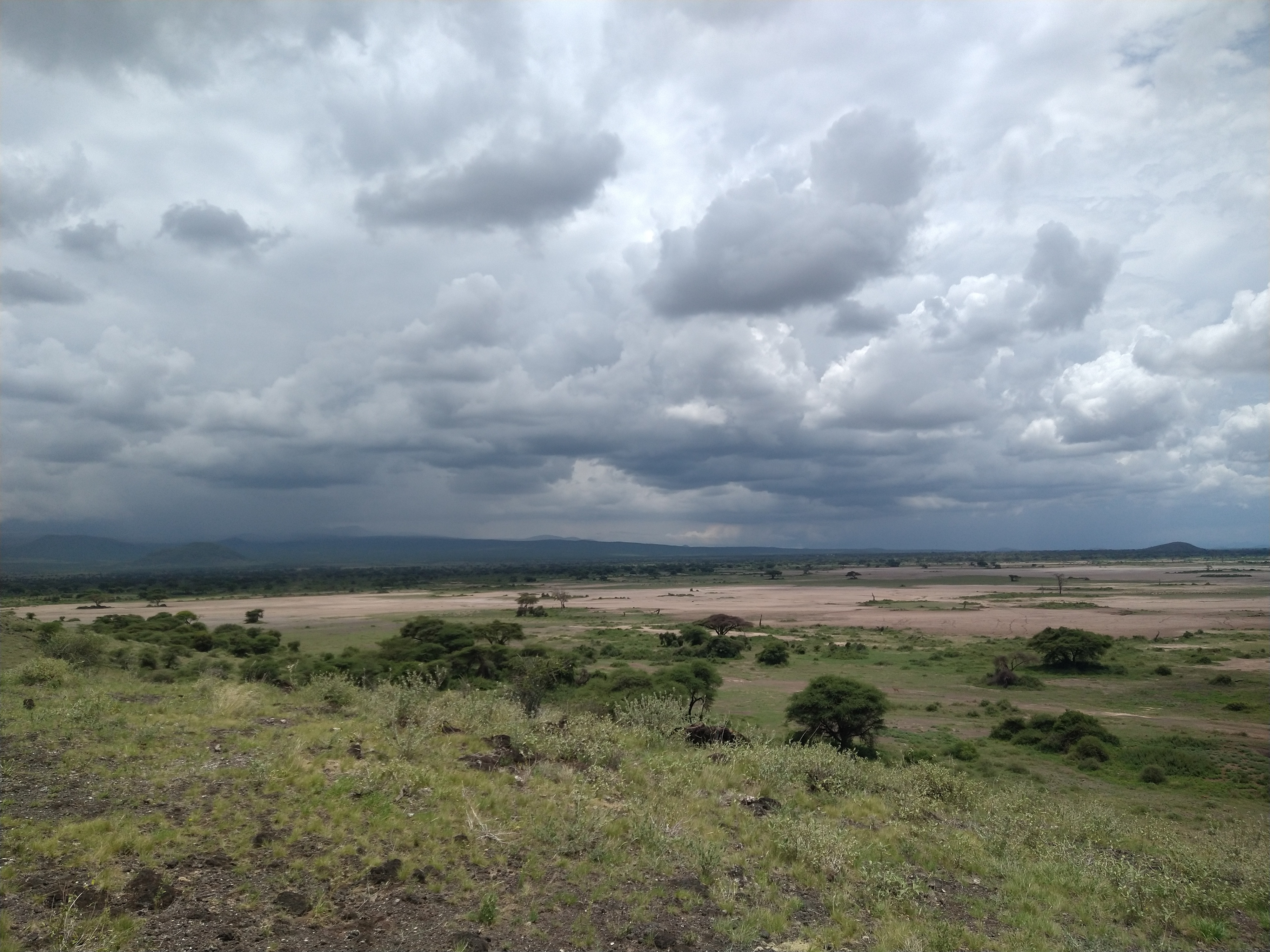
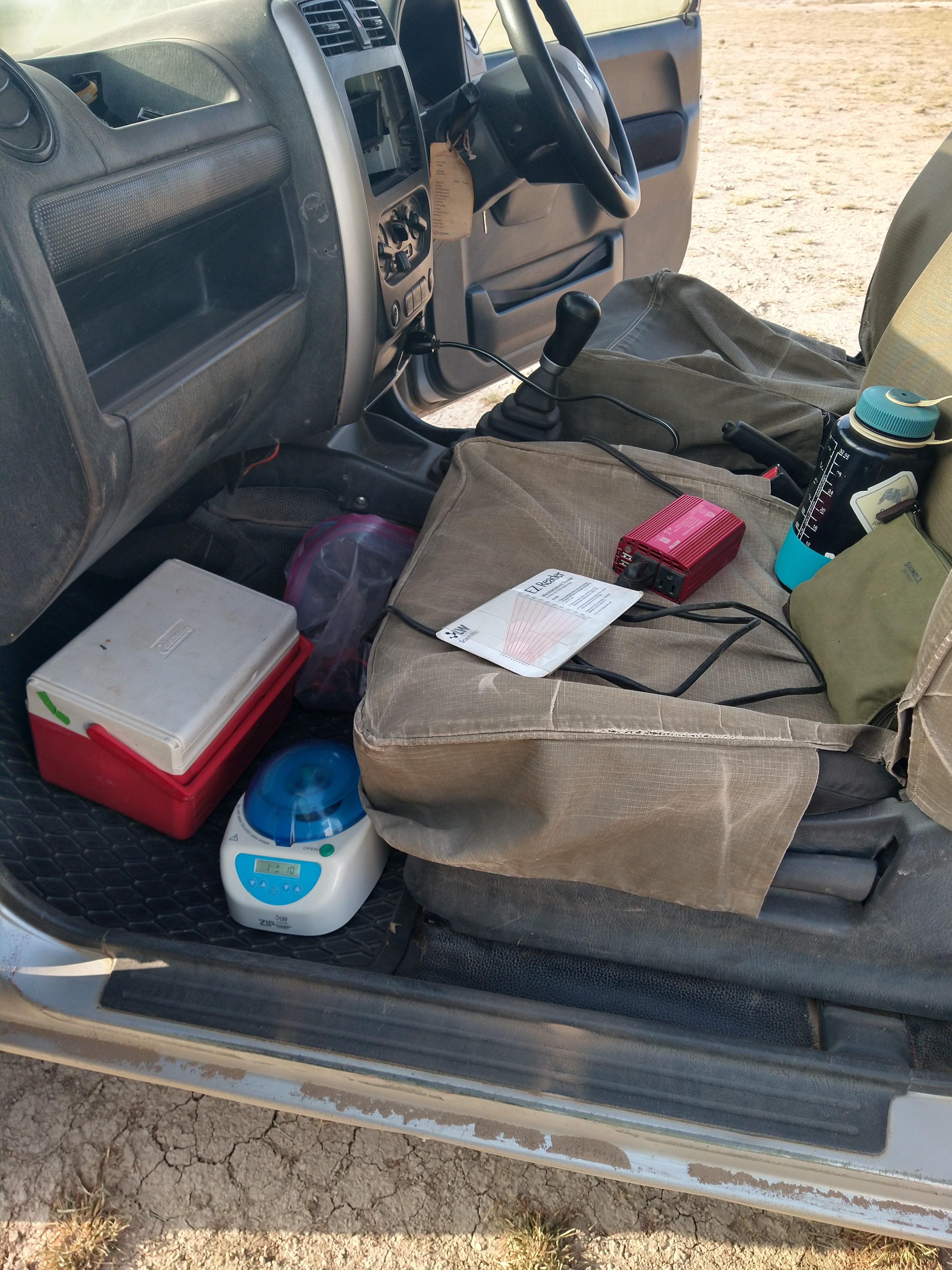
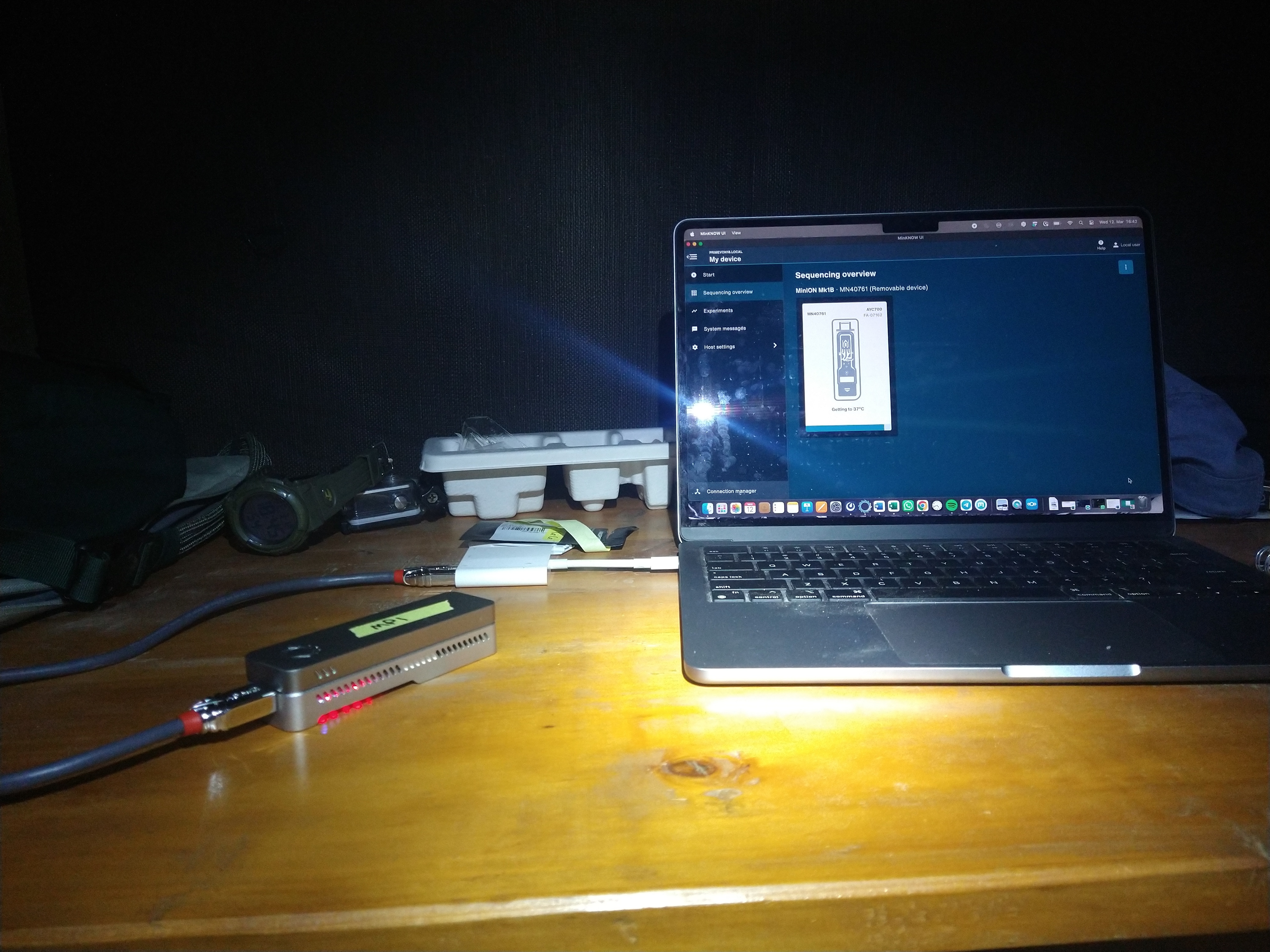
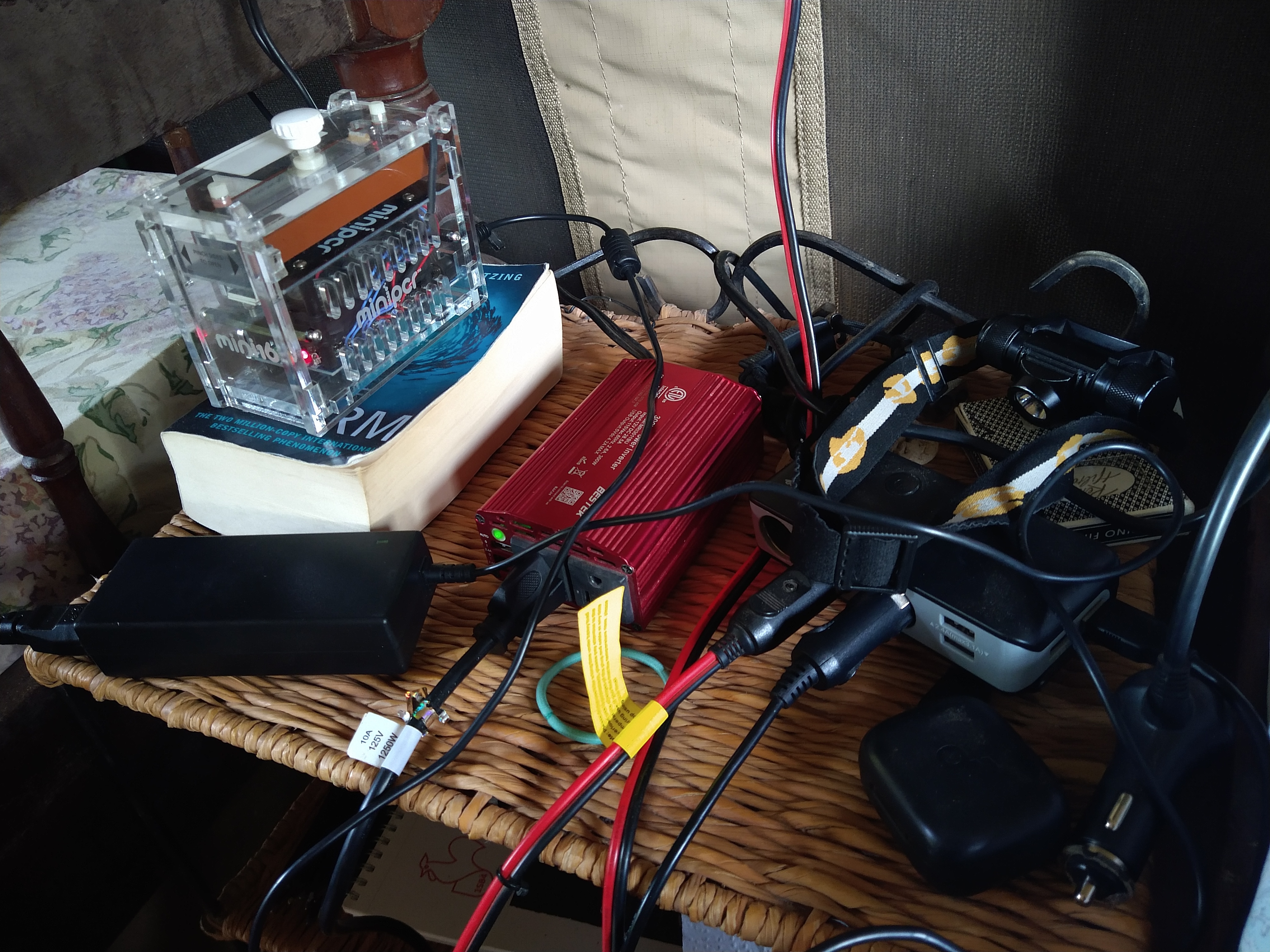
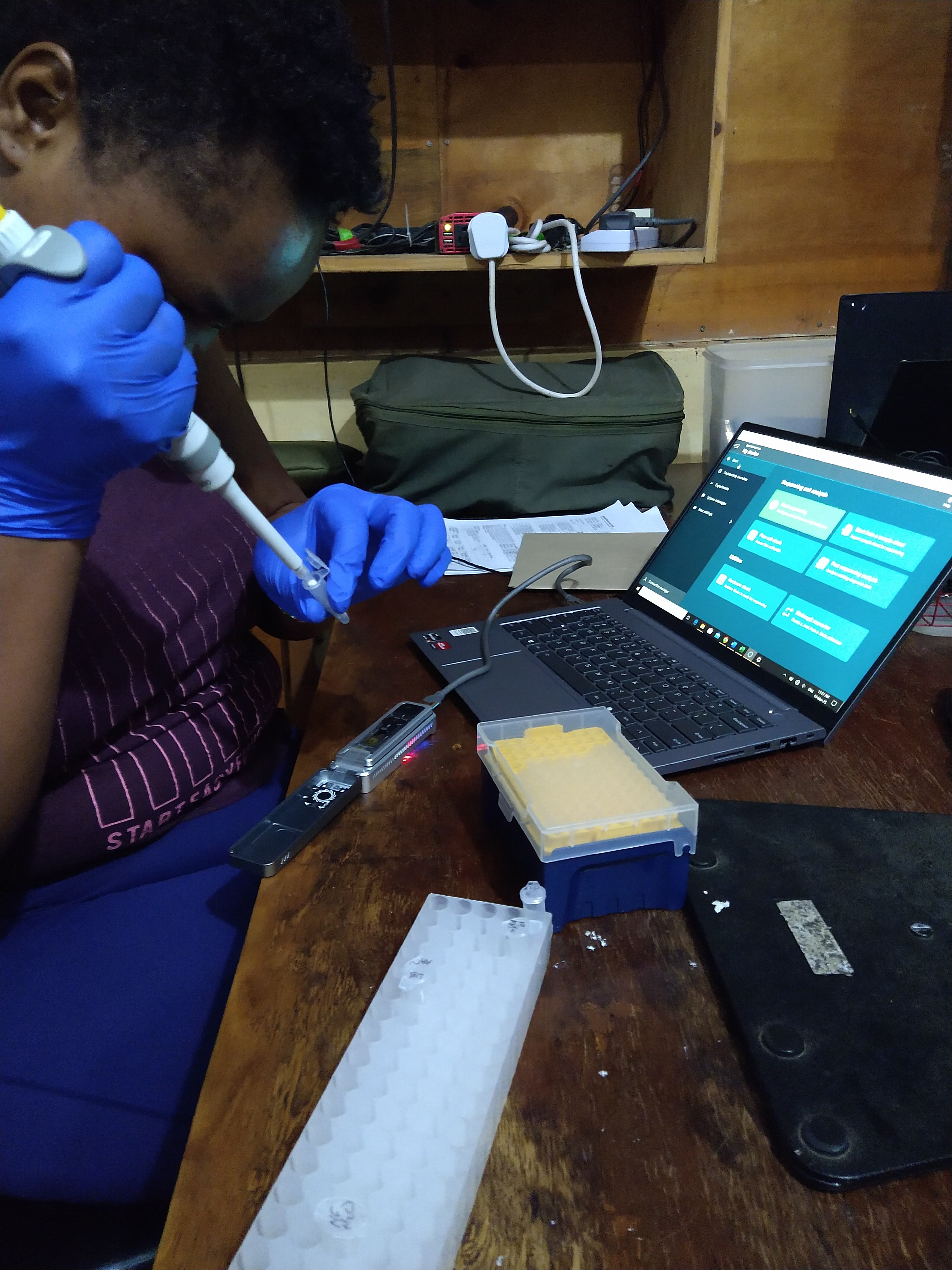
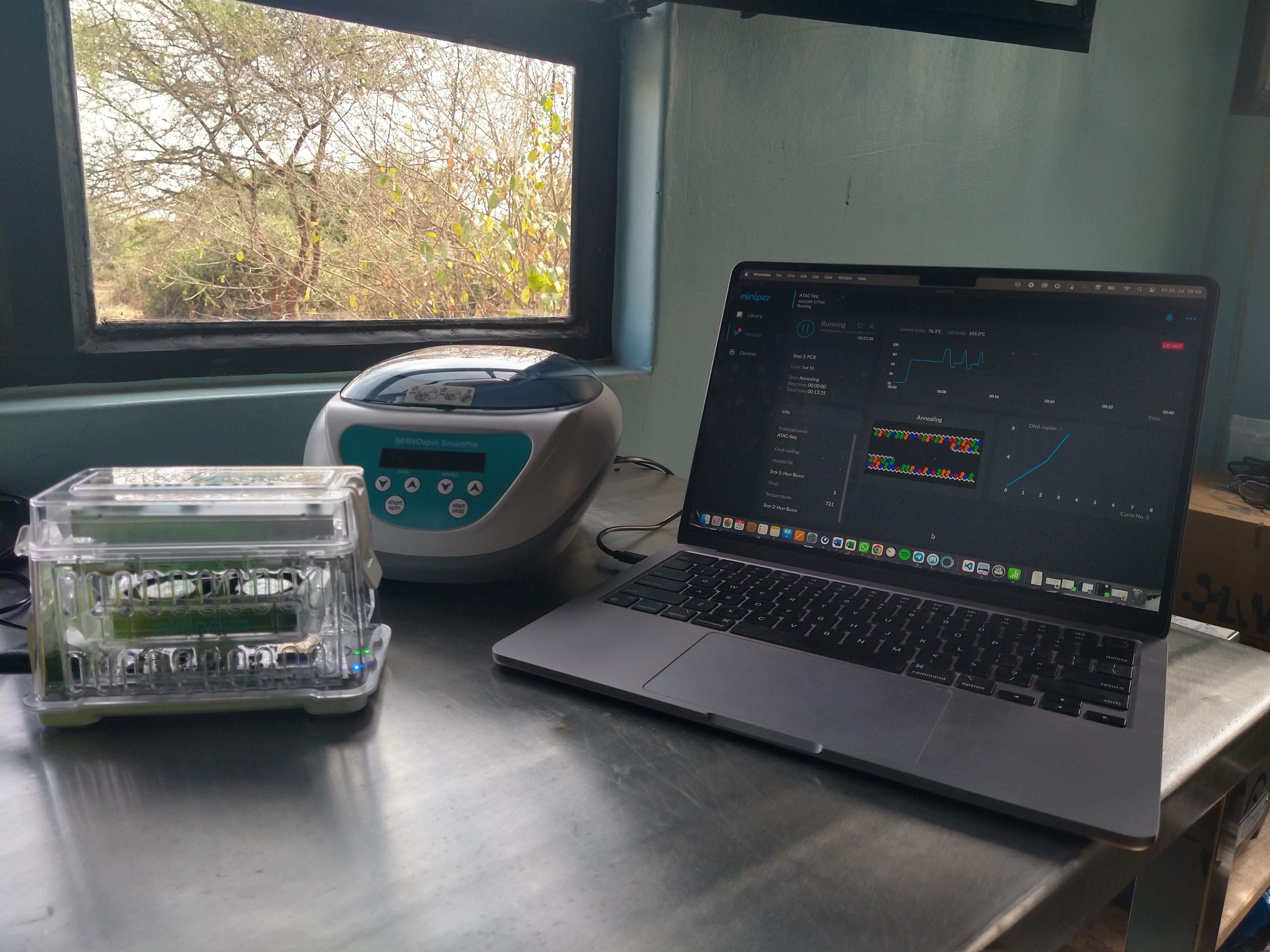
The annual darting occurs in July/August (and I would return later this year for this darting effort) mostly because the timing matches up for summer breaks for the primary investigators/directors of the projects, but also because it’s the dry season furing these months. Whereas March marks the start of the “long rains” in Kenya, and is also accompanied by heat and high humidity. Around 2 PM each day we would all be lounging in our tents since it was just too hot to be productive. However, the intermitten rains limited our ability to capture enough solar power to run our experiments in the lab (the enviornmental DNA sequencing from leaf swabs). We would have to get creative with powering different pieces of equipment (PCR thermal cyclers, centrifuges, MinIon sequencer, or Star Link if we were uploading genetic data to be analyzed) across different tent batteries. We would do most of the lab work by headlamp to conserve power to run the machines rather than turn on the lights.
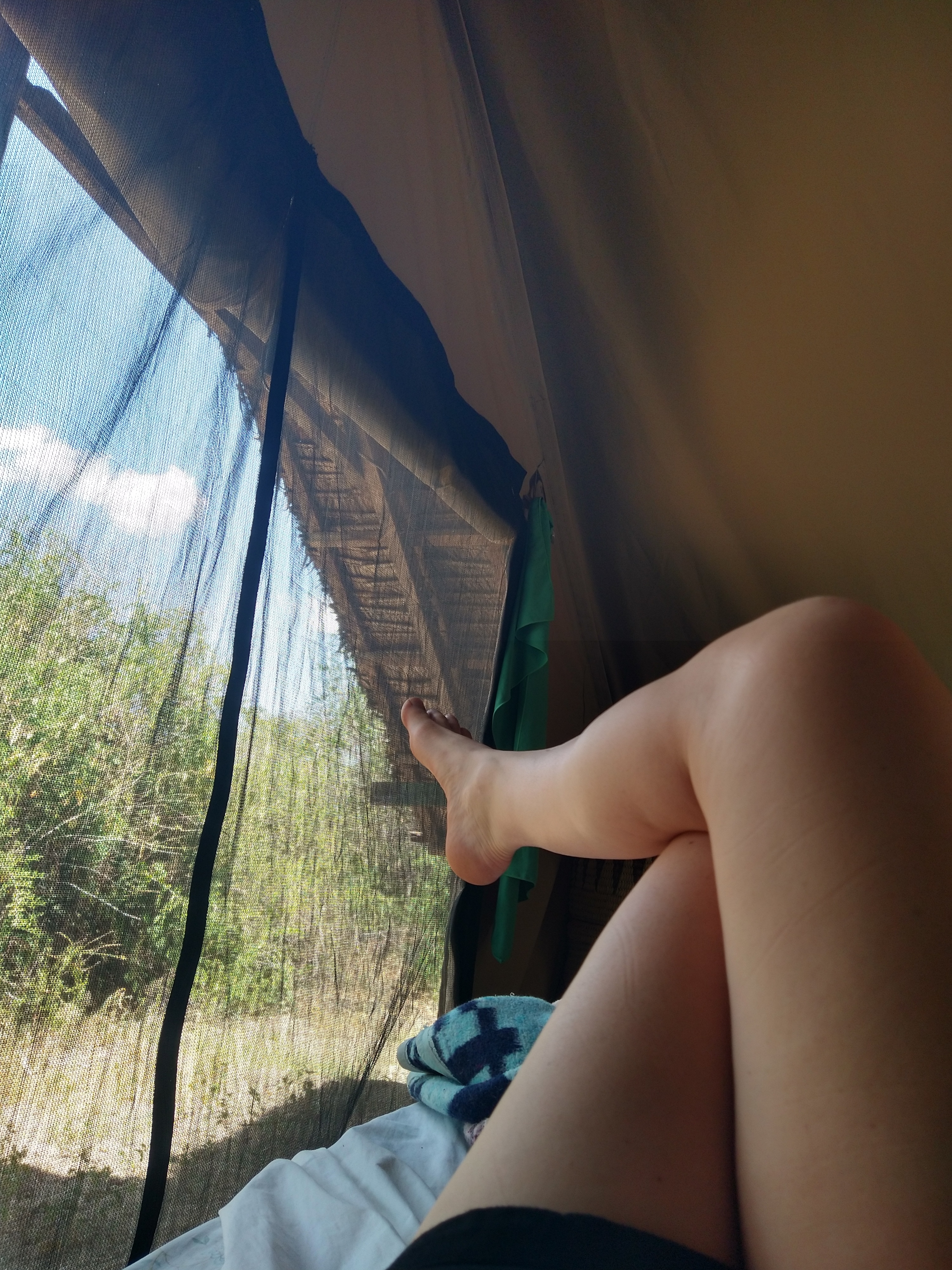
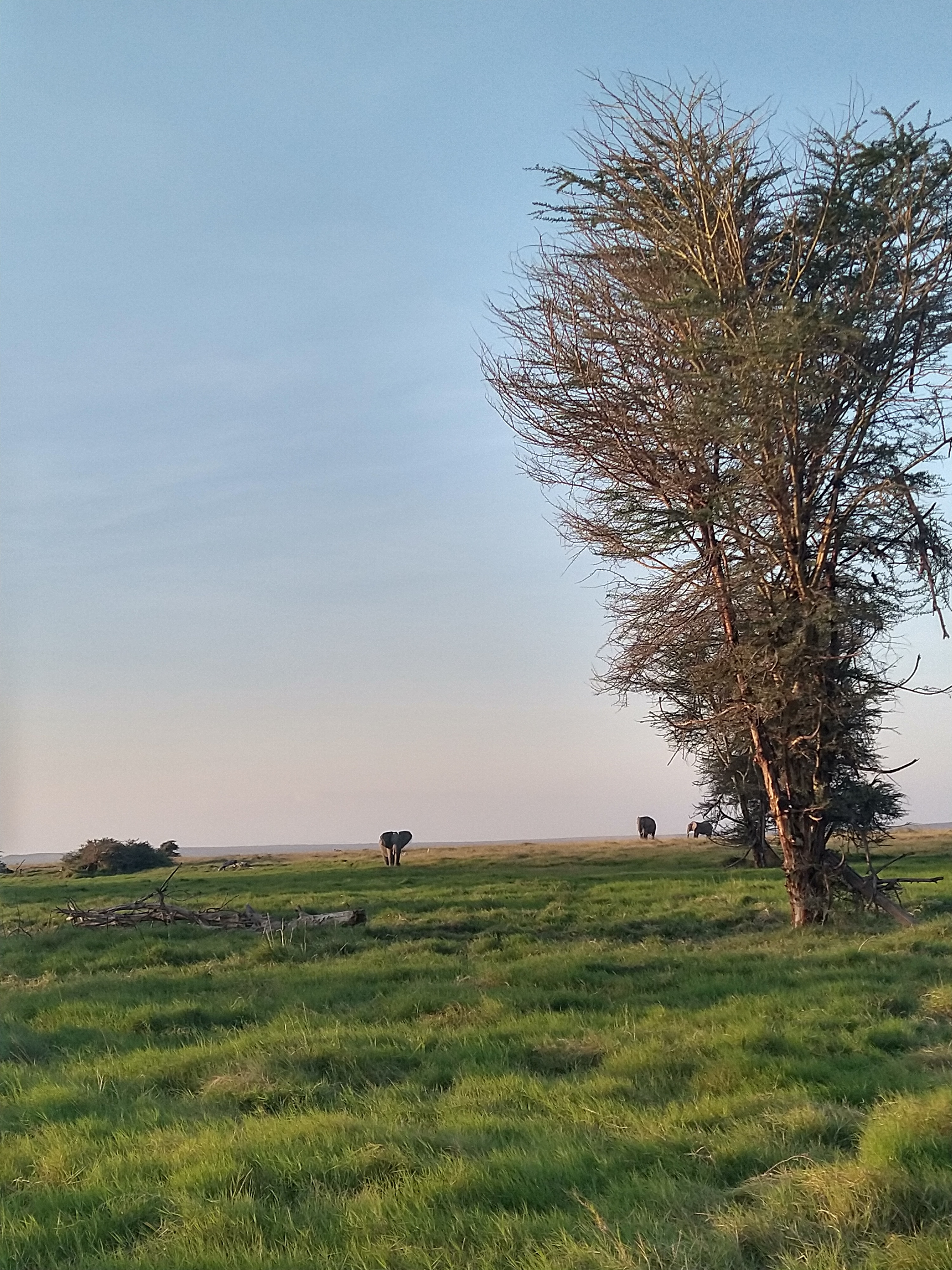
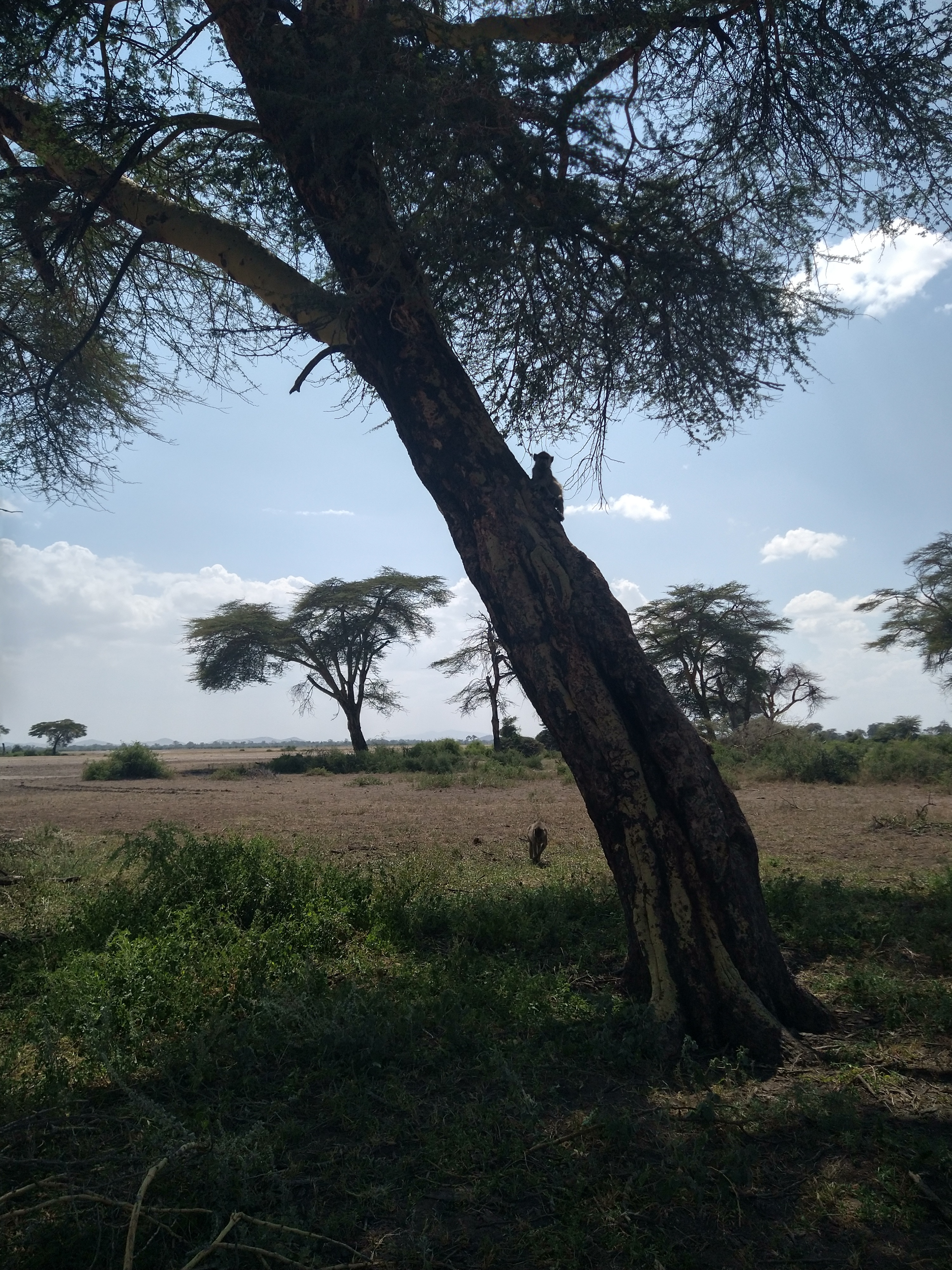
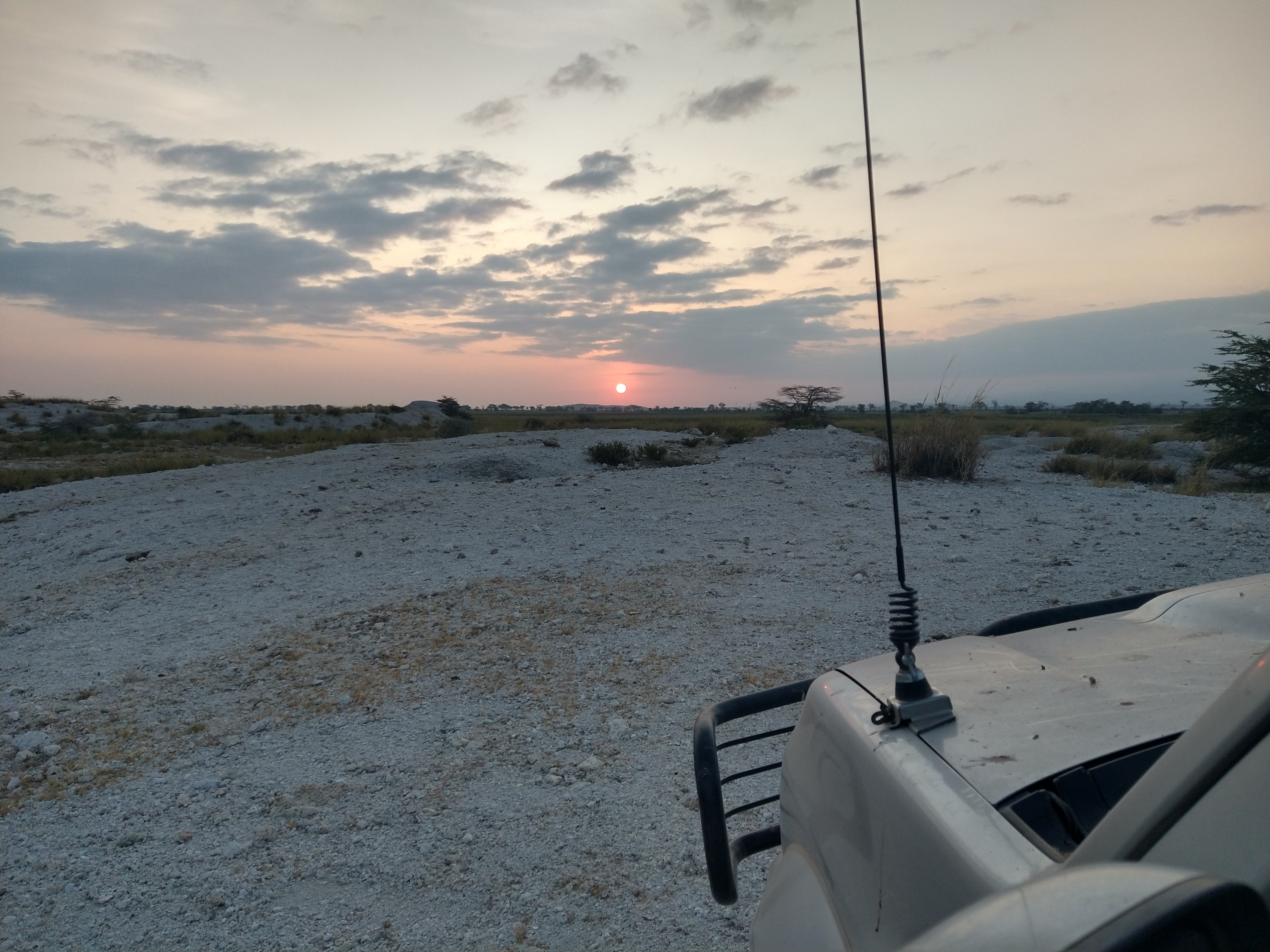
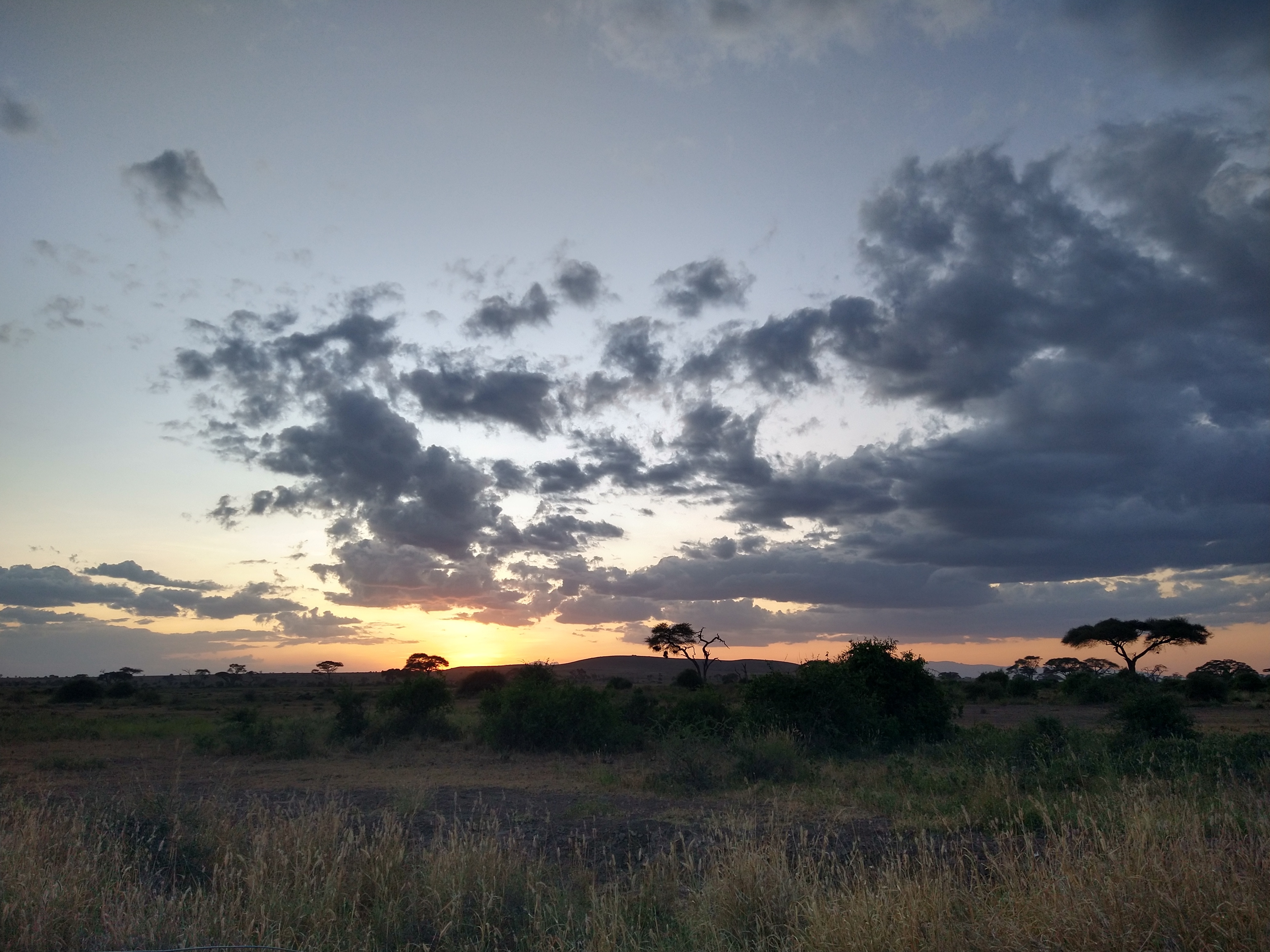
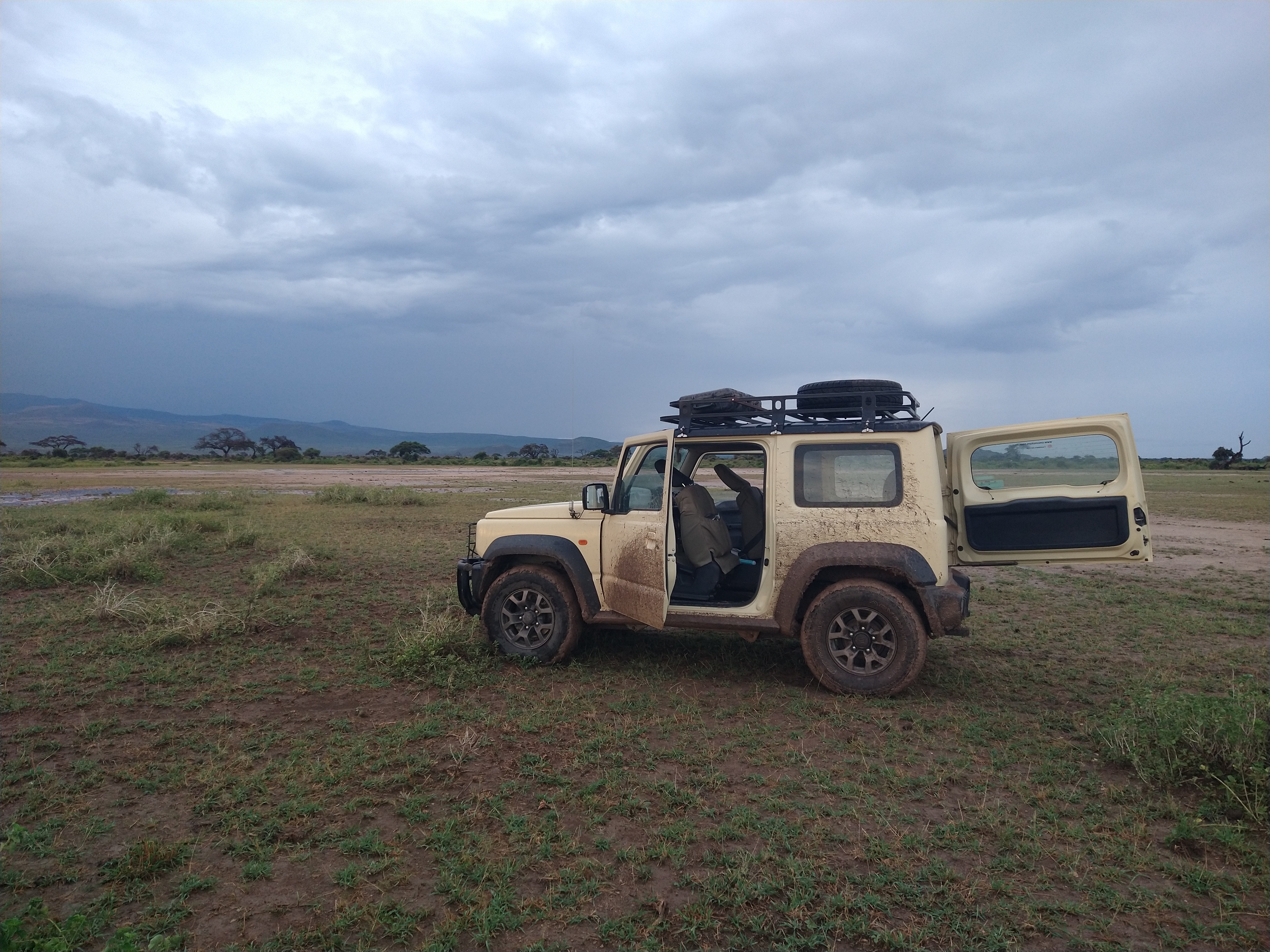
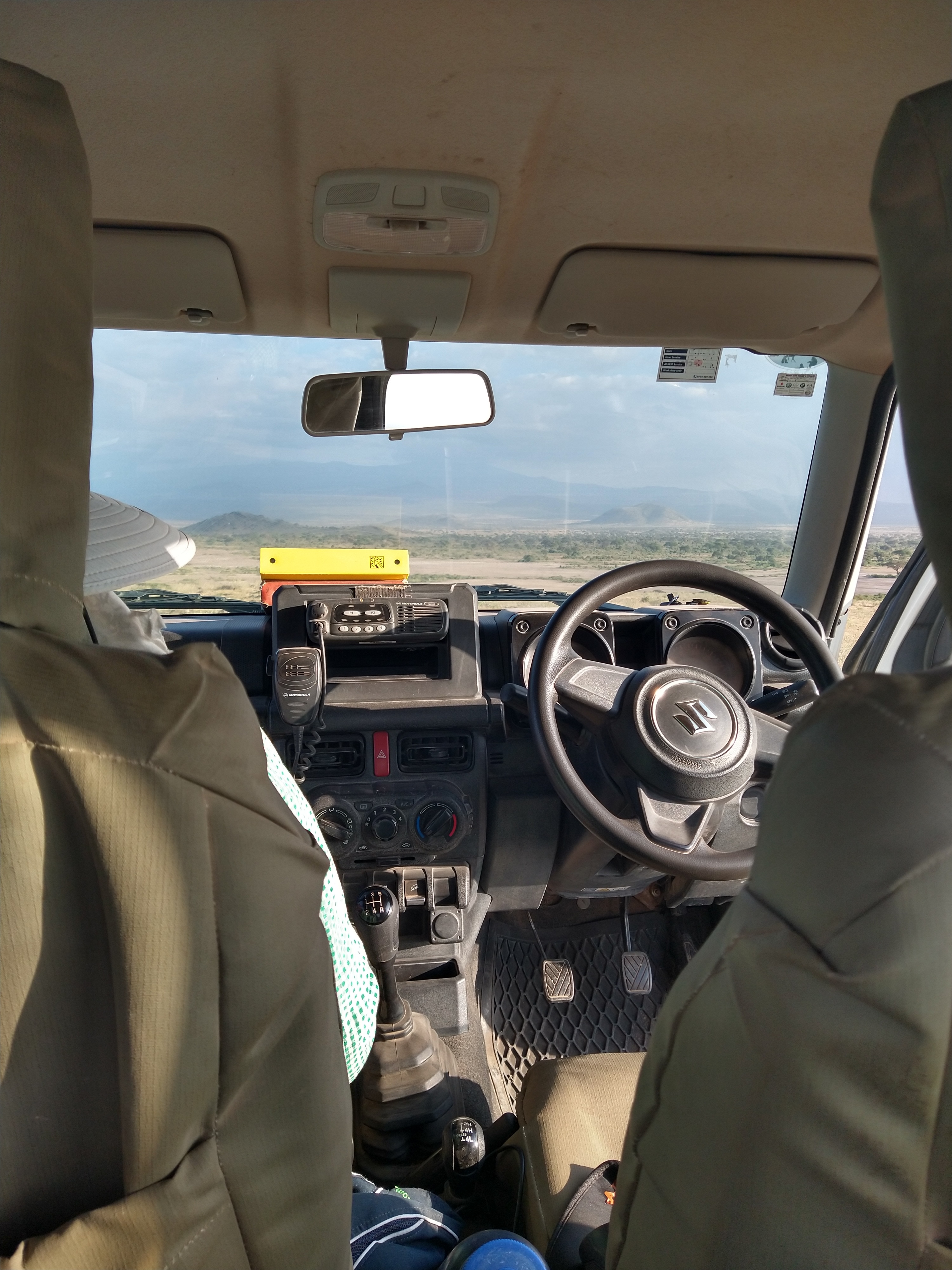
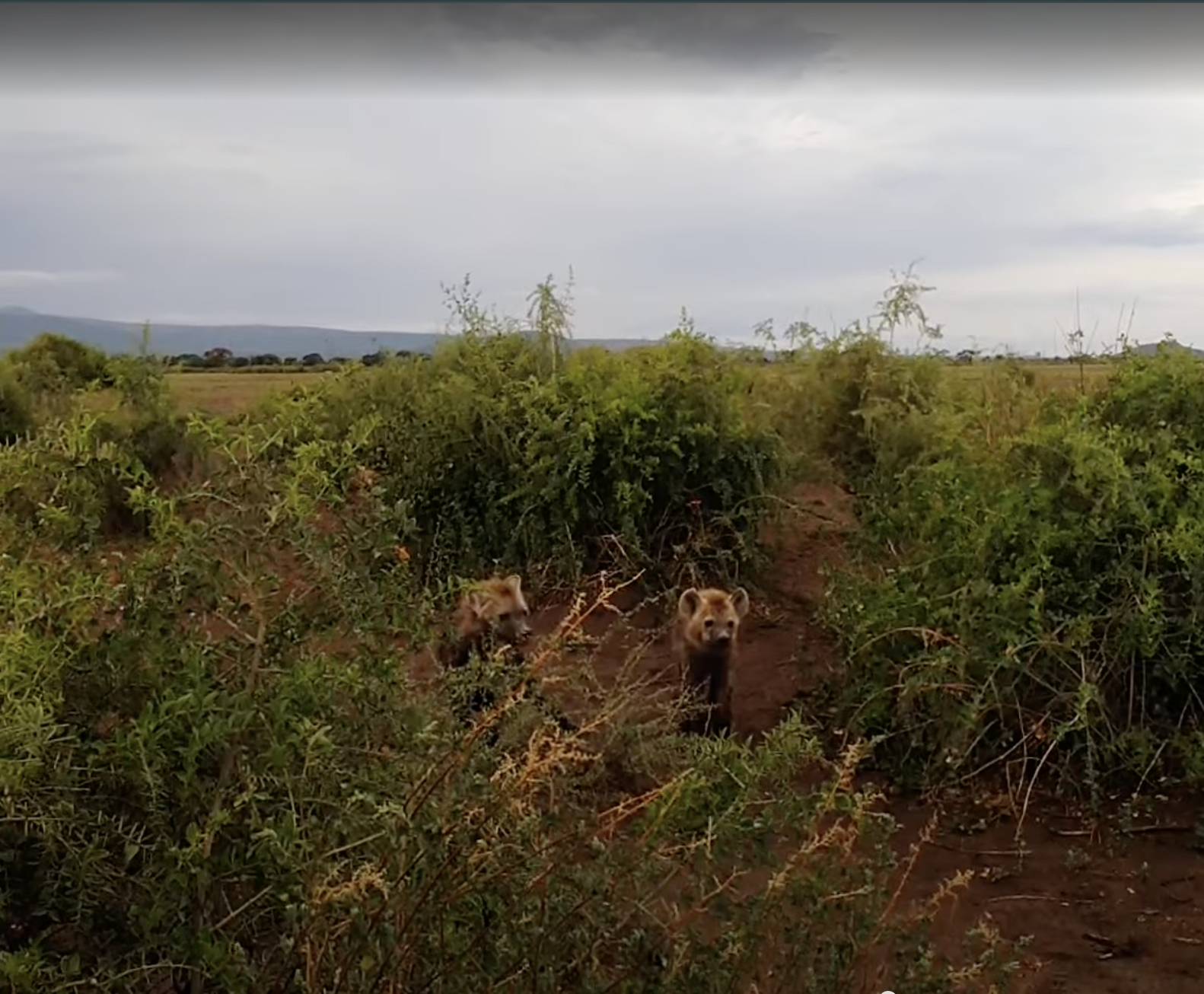
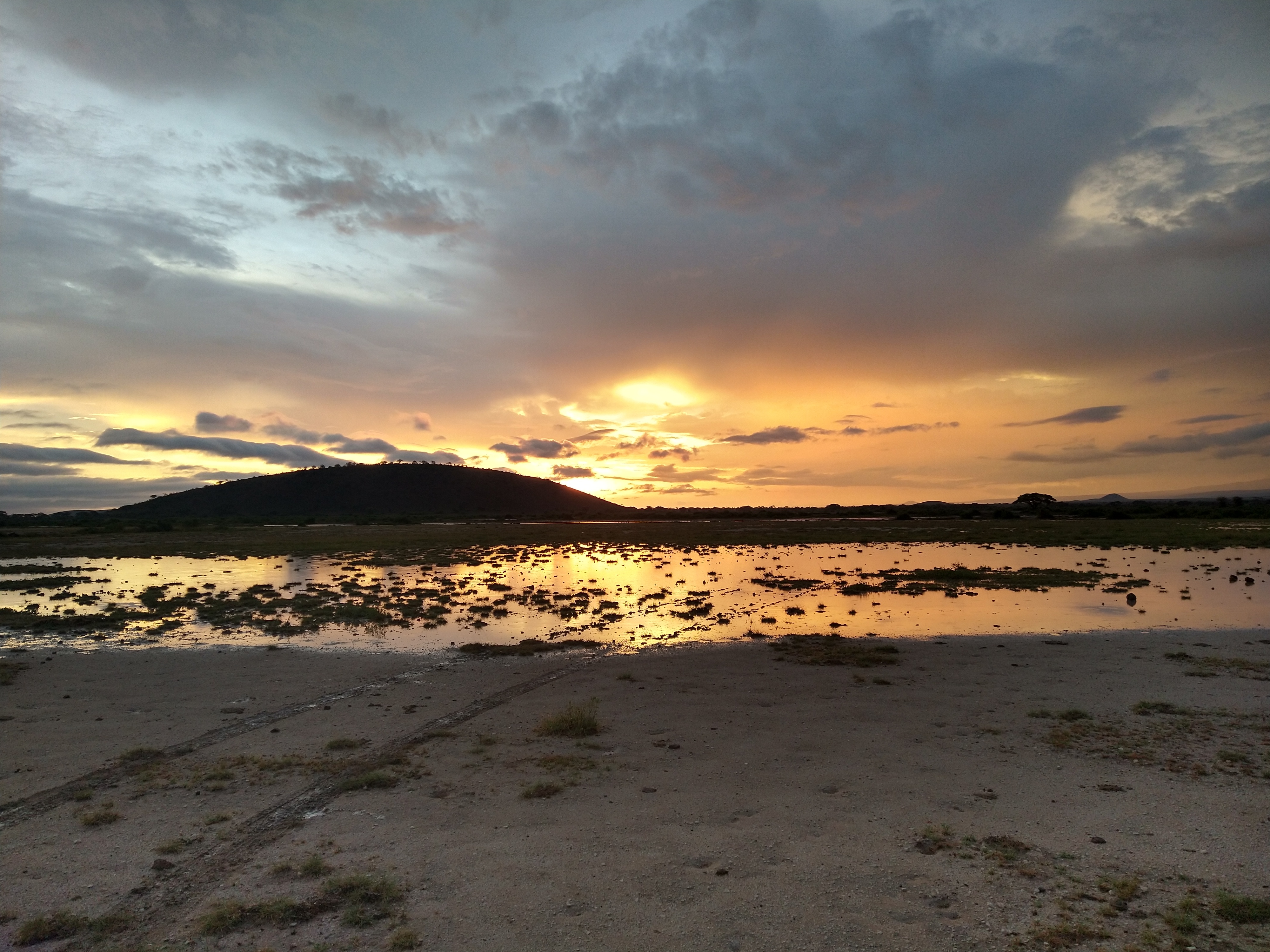
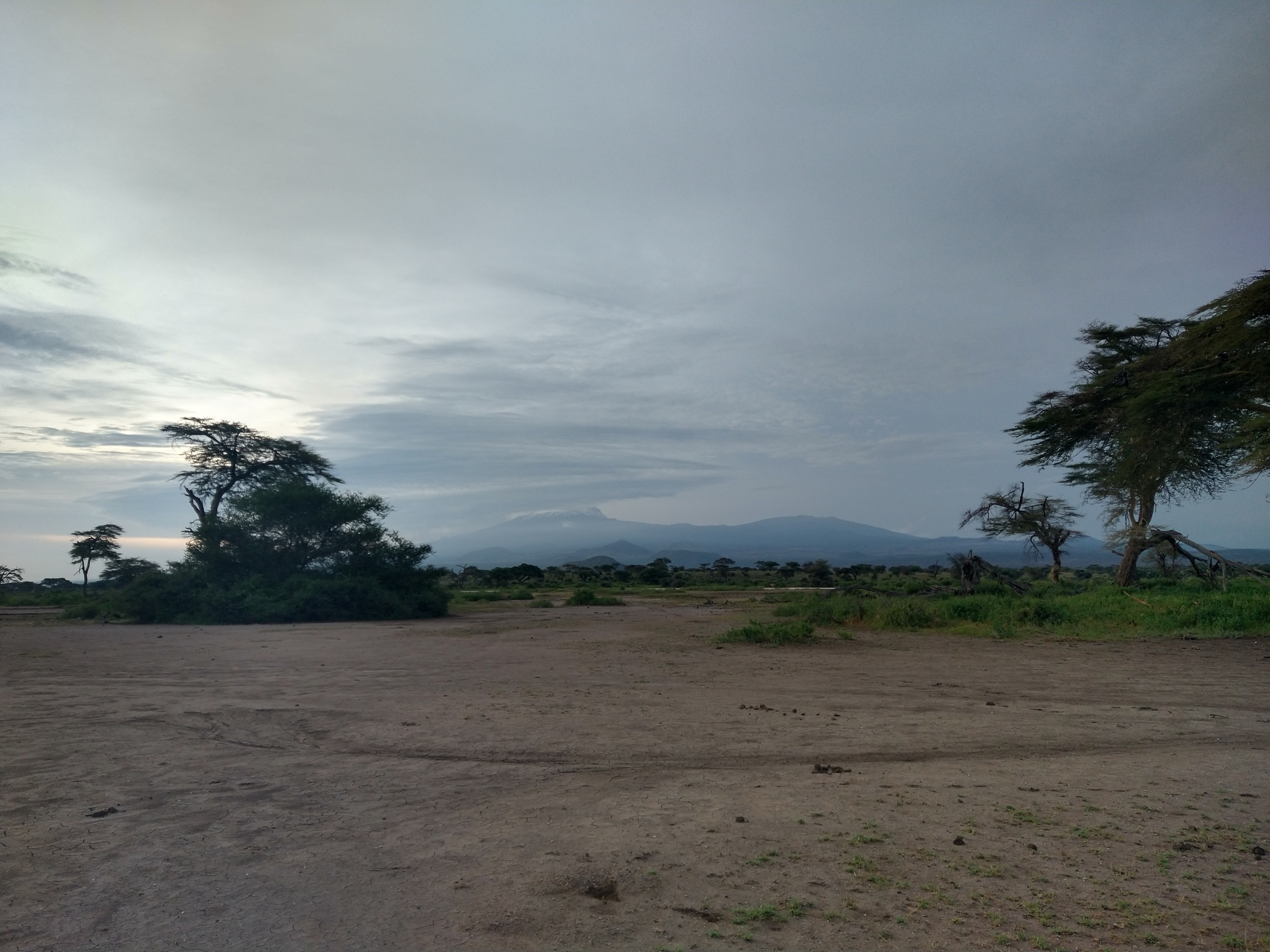
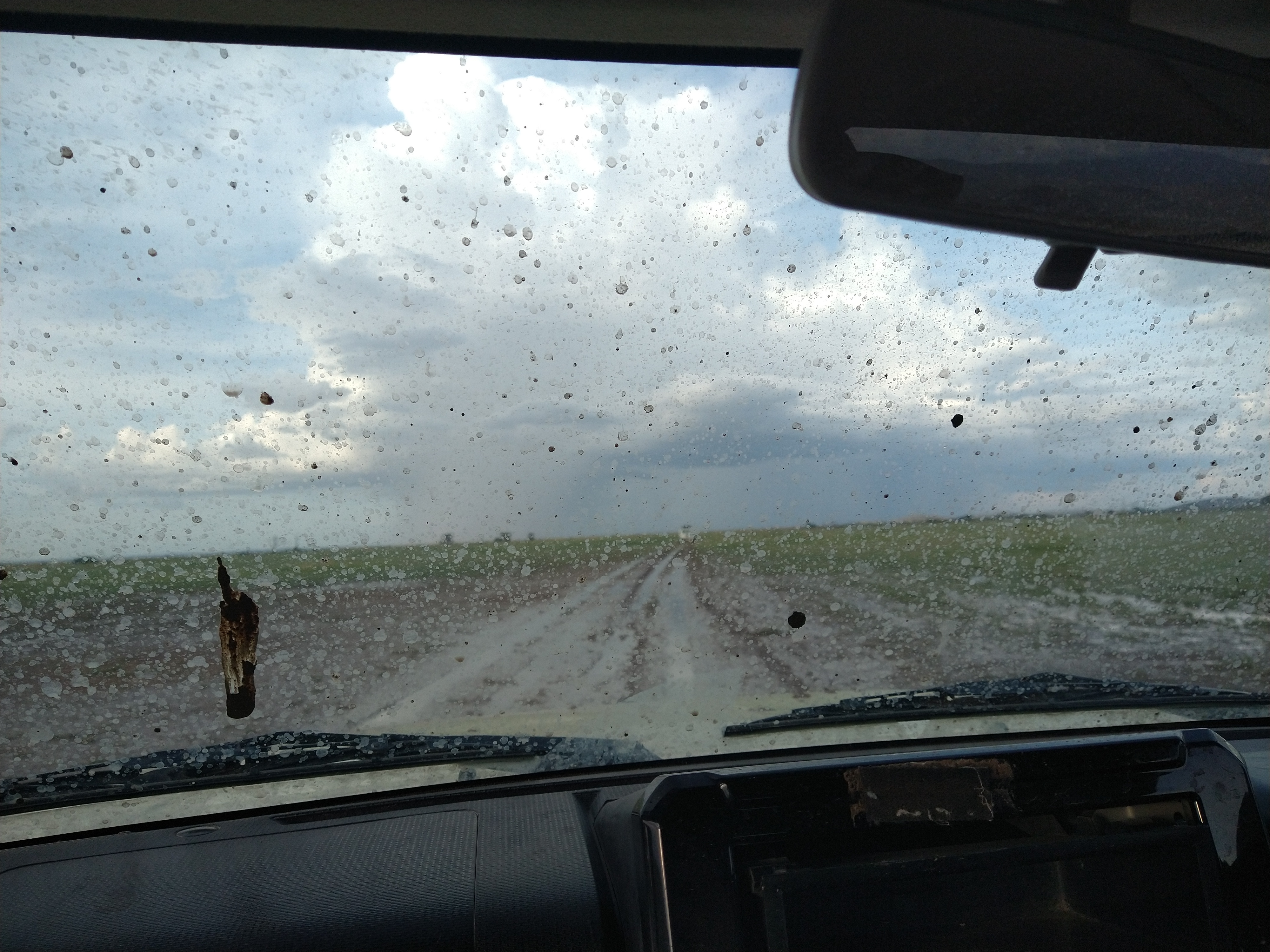
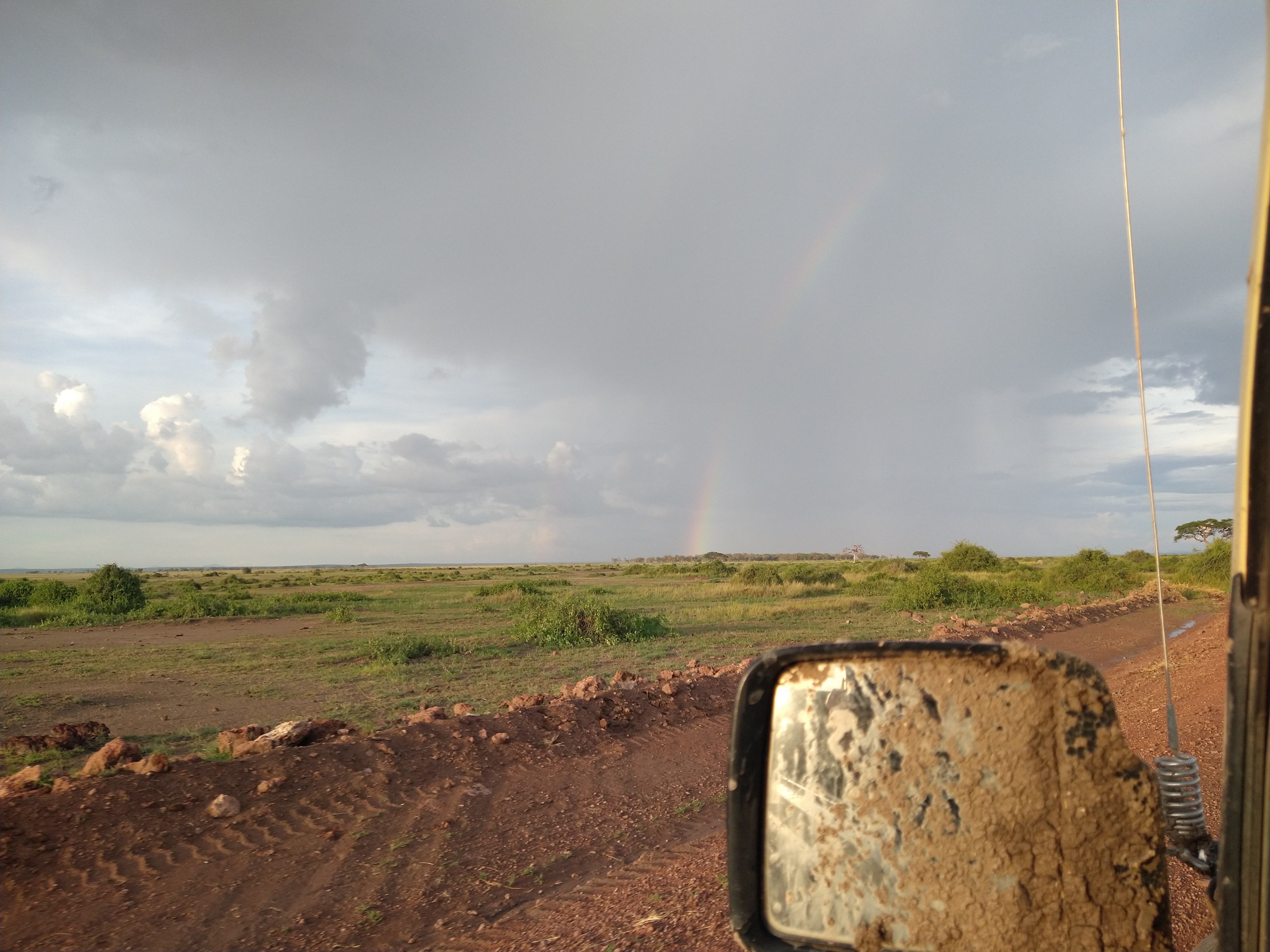
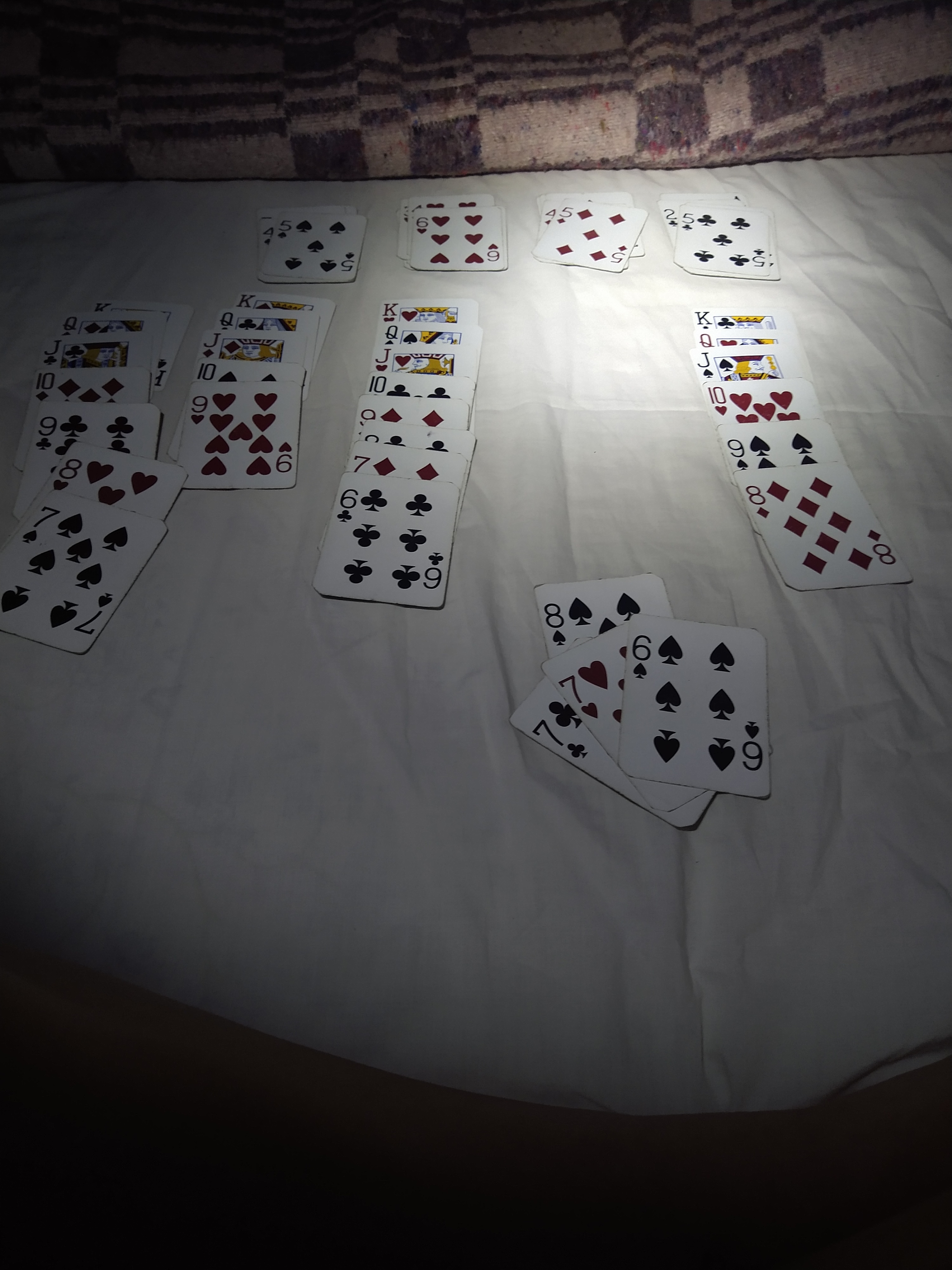
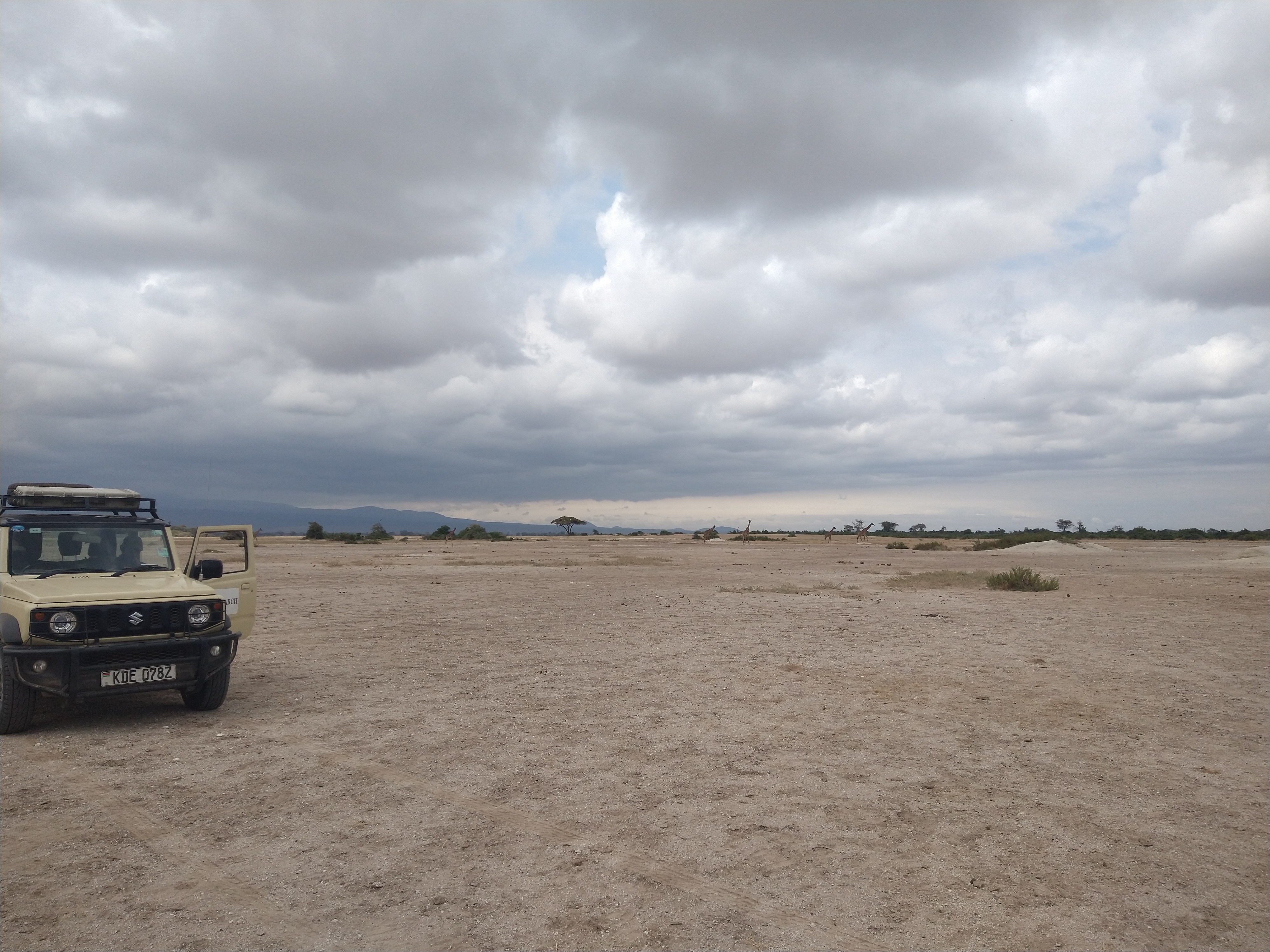
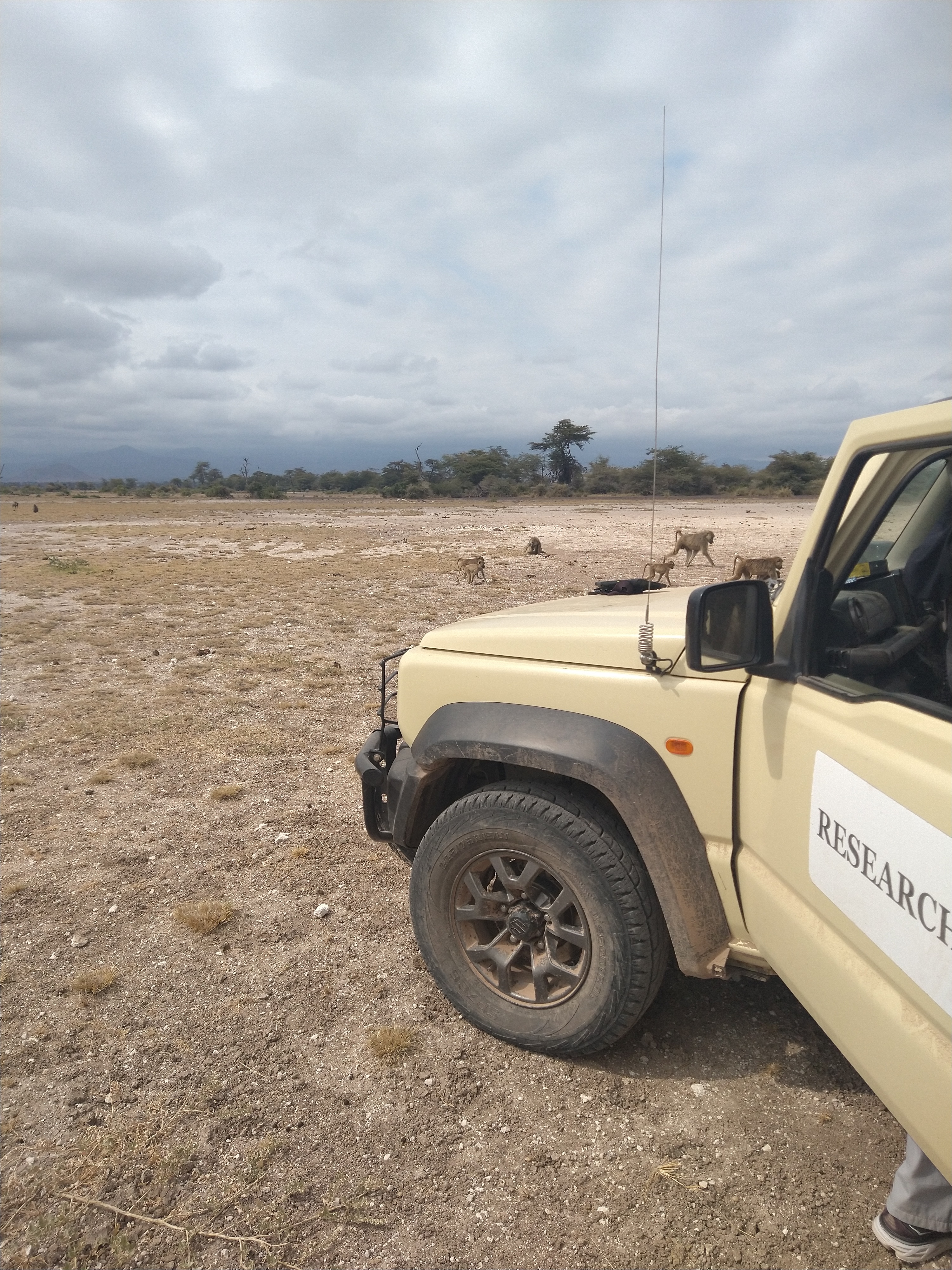
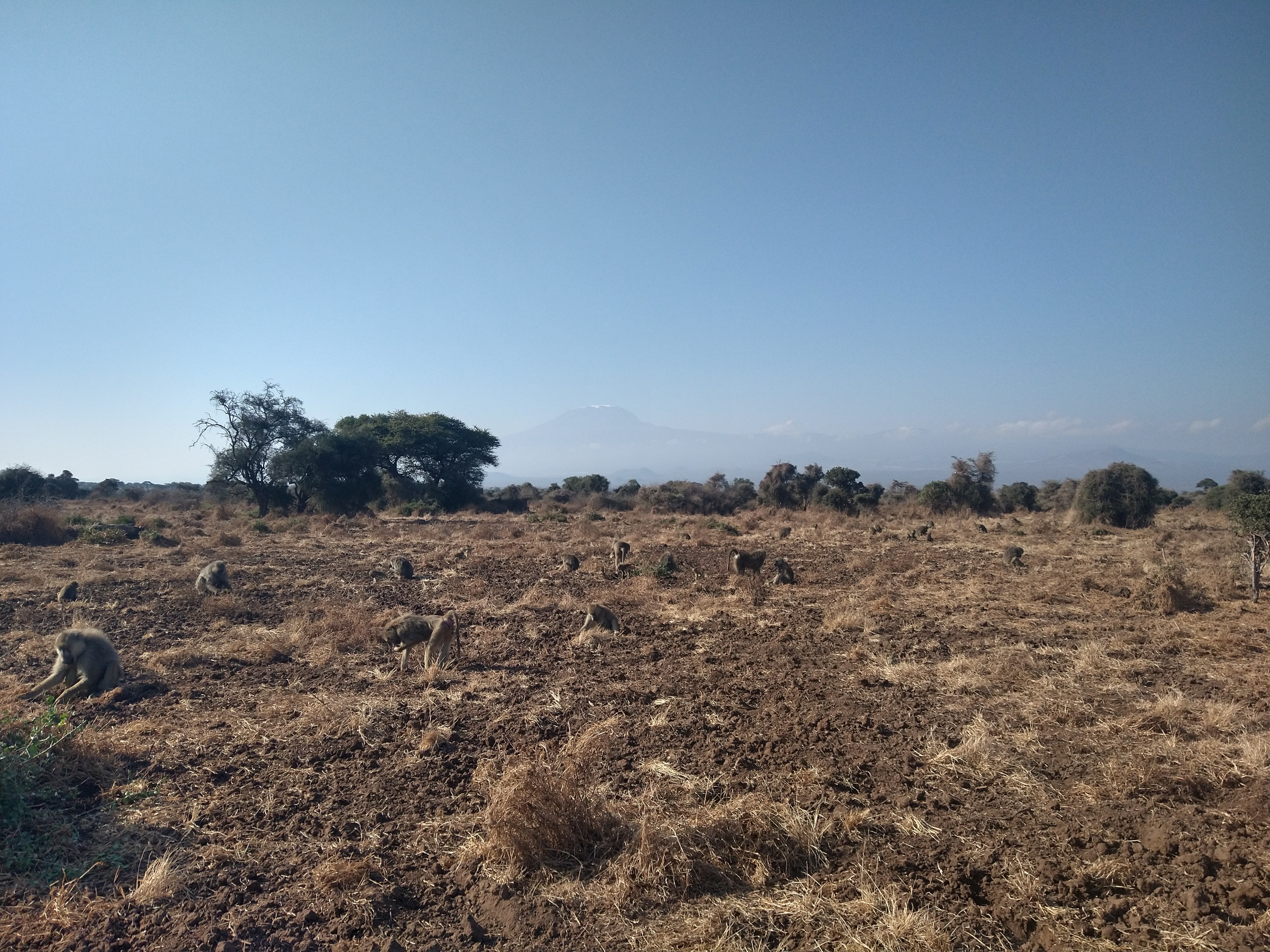
Field work was also a bit more exciting trying to navigate through the mud! We got stuck a few times, but the little Suzuki Jimny’s are light but incredibly powerful and we always managed to get out. The lush green transition across the landscape allowed for some great photo opportunities, and I was able to borrow a nice camera from another tech to film some of the baboon gaze videos (and take some cool photos!). We even passed a hyena den with two hyena cubs that were so dirty from crawling out of their den that they looked like they were covered in motor oil. These animals continue to fascinate me and I loved hearing their lulling whoops and howls as I fell asleep each night (after a few rounds of solitaire).
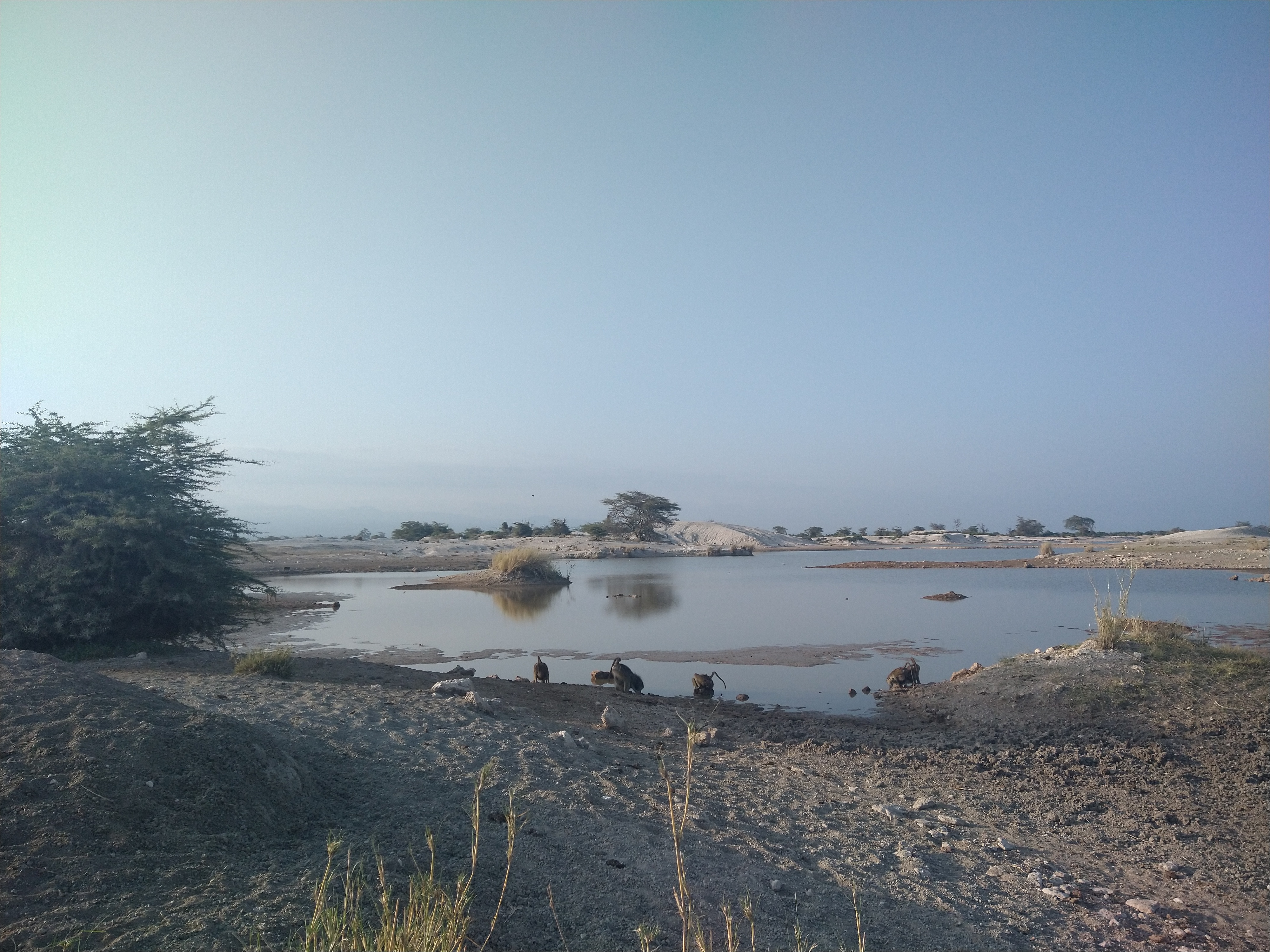
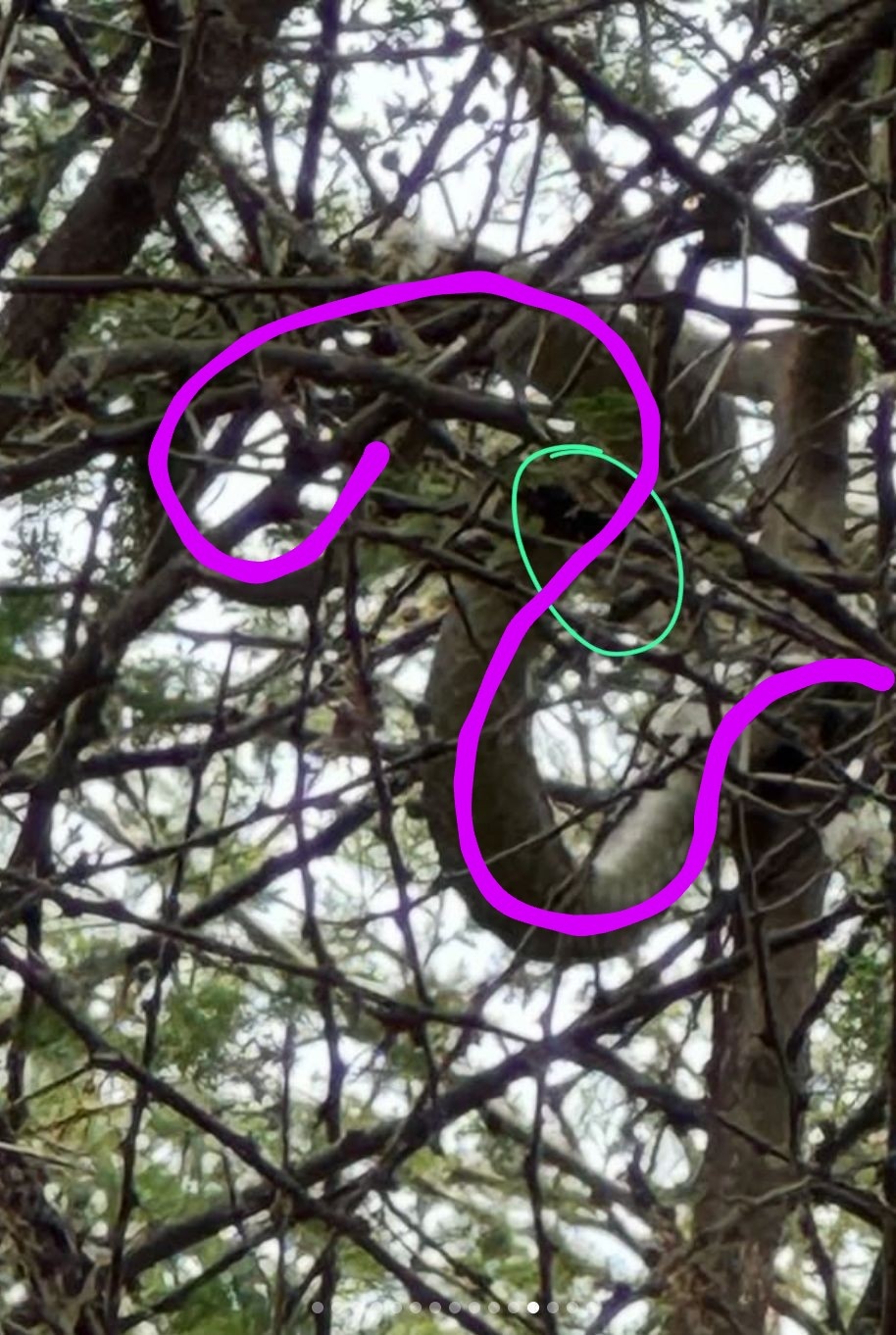
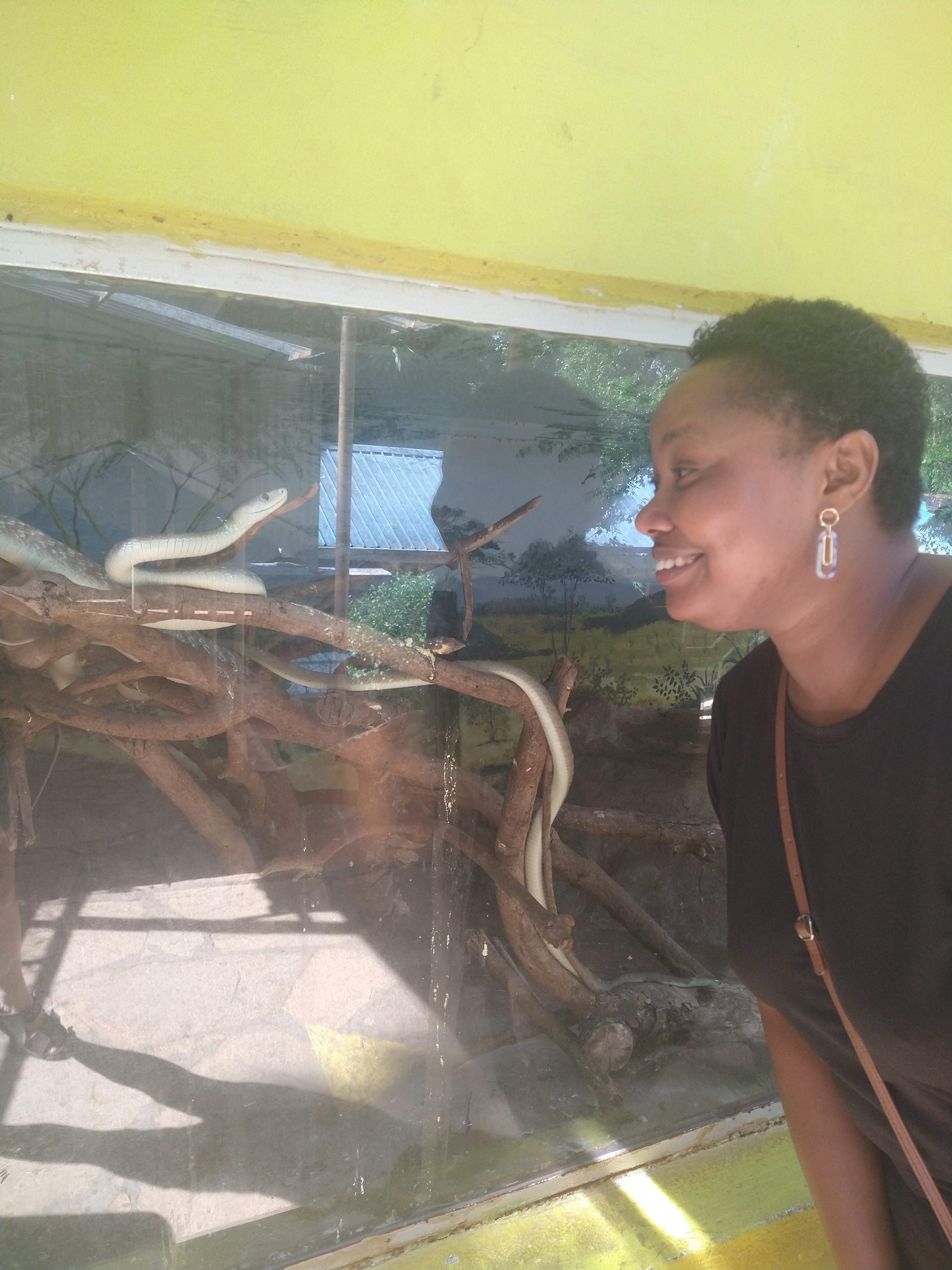
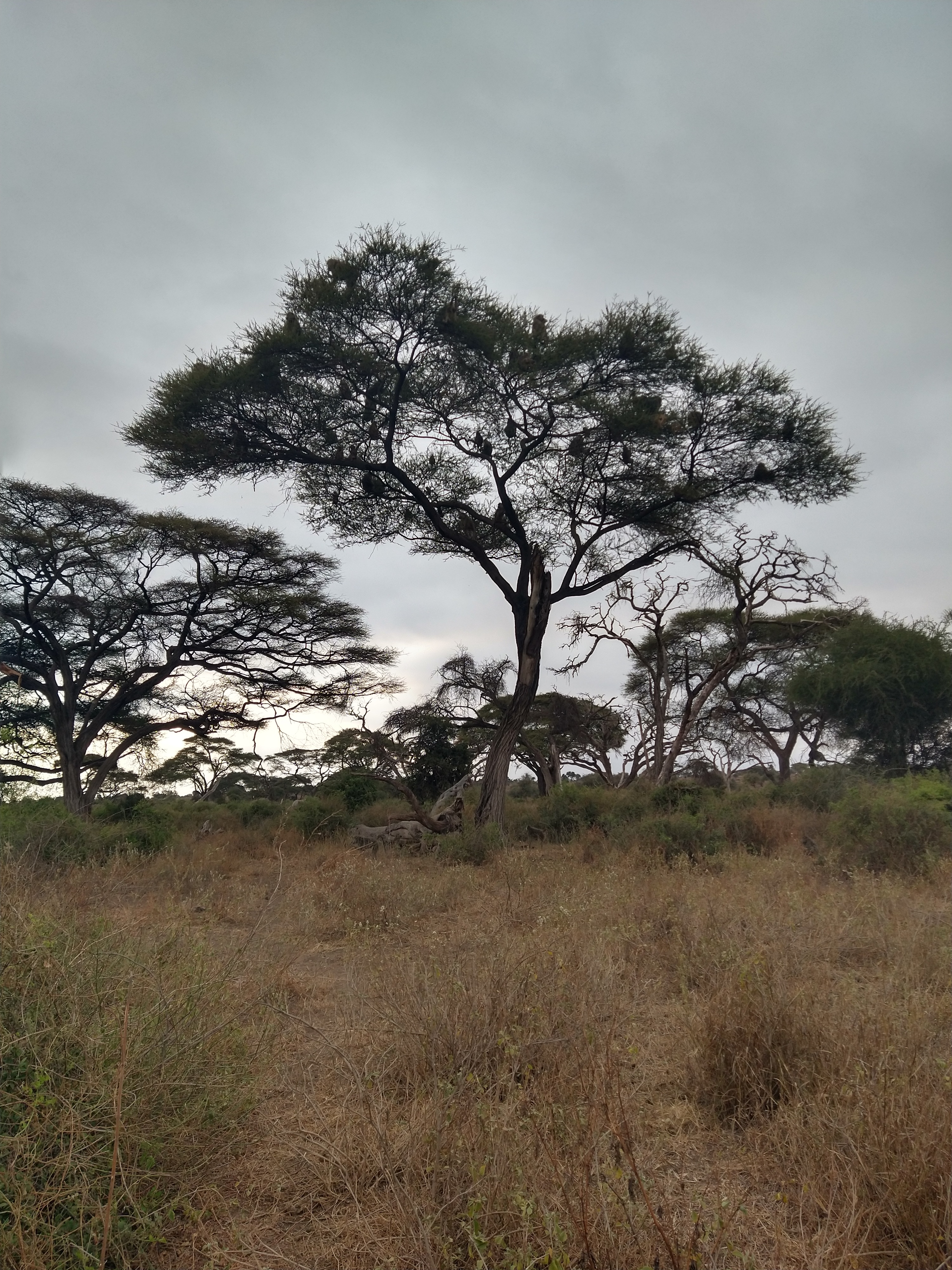
We had a black mamba visit camp too (outlined in purple below)! Black mambas are Africa’s longest venomous snake, reaching up to 14 feet in length. They’re widely considered as the world’s deadliest snake due to numerous human deaths, and their reputation sometimes exaggerated by African myths about their capabilities. The venom is highly neurotoxic and cardiotoxic, thus first affecting the nervous system and then the heart. According to NatGeo, black mambas are also among the fastest snakes in the world, slithering as quickly as 12.5 miles/hour (20 kph). I expected to see a black snake when I was warned that there was one in the tree in camp next to the lab. However, they actually get their name from the blue/black color inside their mouth, rather than their olive/gray skin color. I learned that when there is a black mamba nearby, the song birds nesting in the tree will make loud alarm calls. Throughout the day we heard the birds signal that the snake was moving among the trees. Since encroaching on a black mamba’s territory is typically the cause of dangerous human contact with the snake, we made sure we knew its whereabouts but otherwise left it alone as it moved through camp and eventually departed.
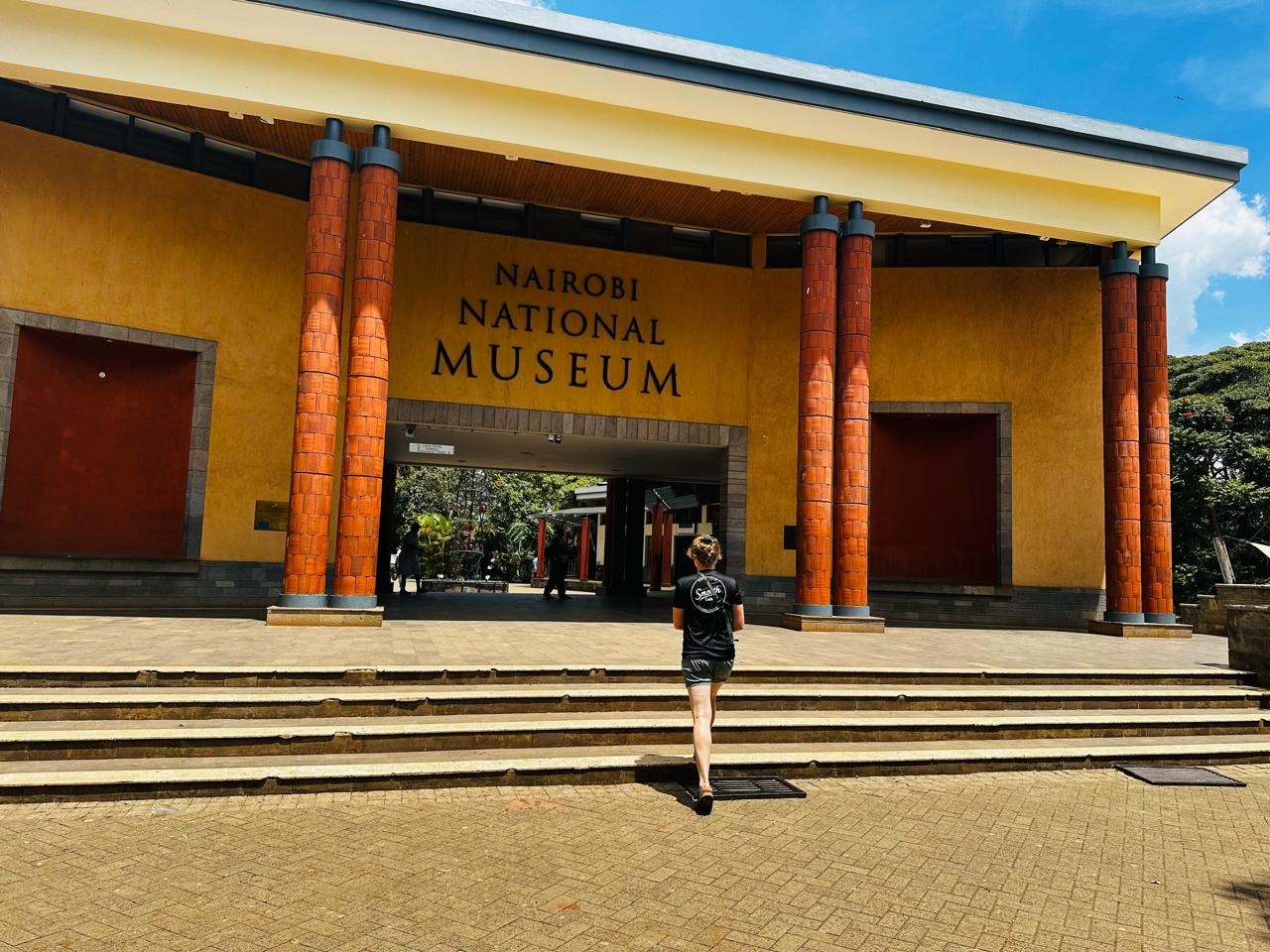
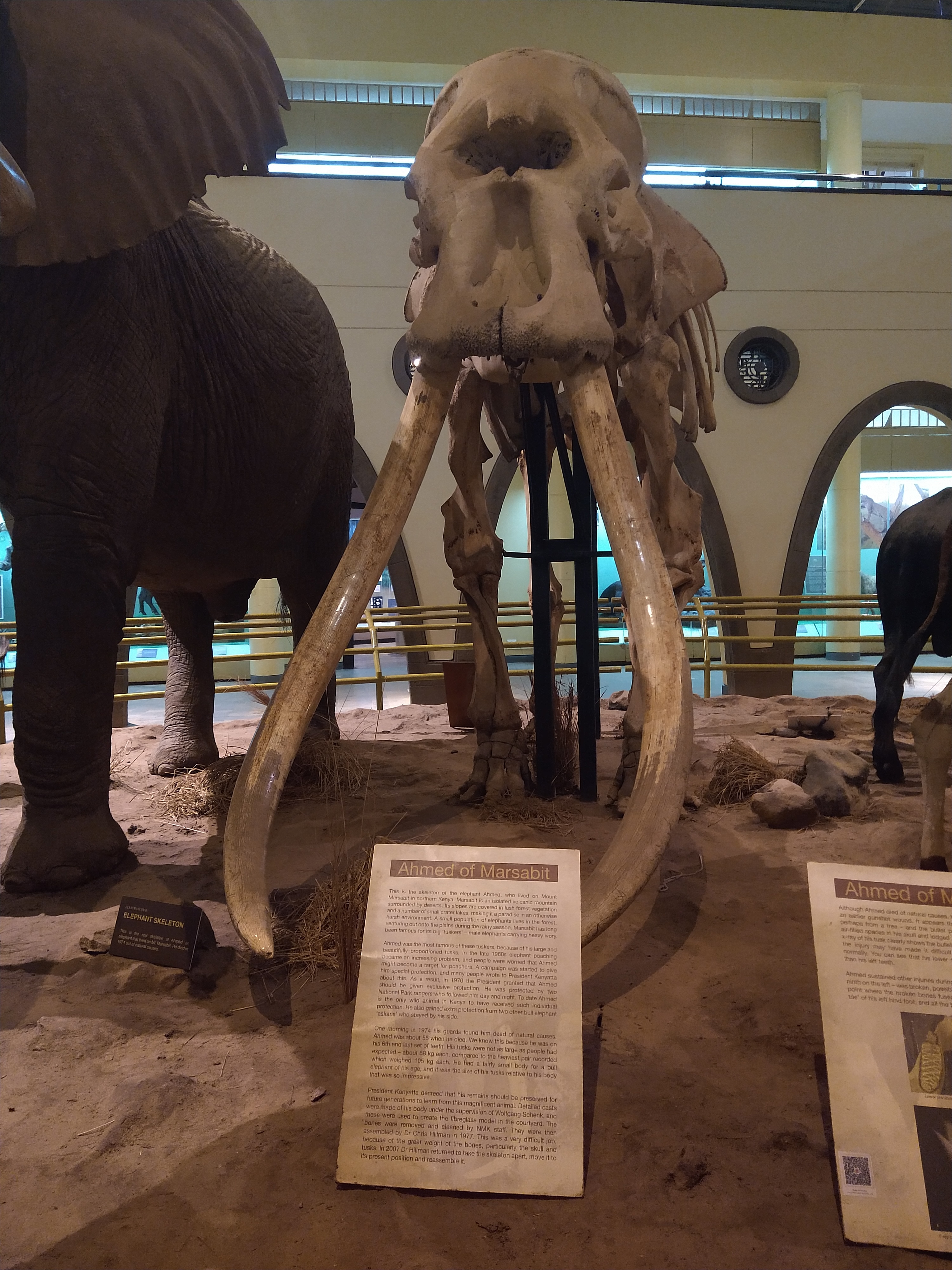
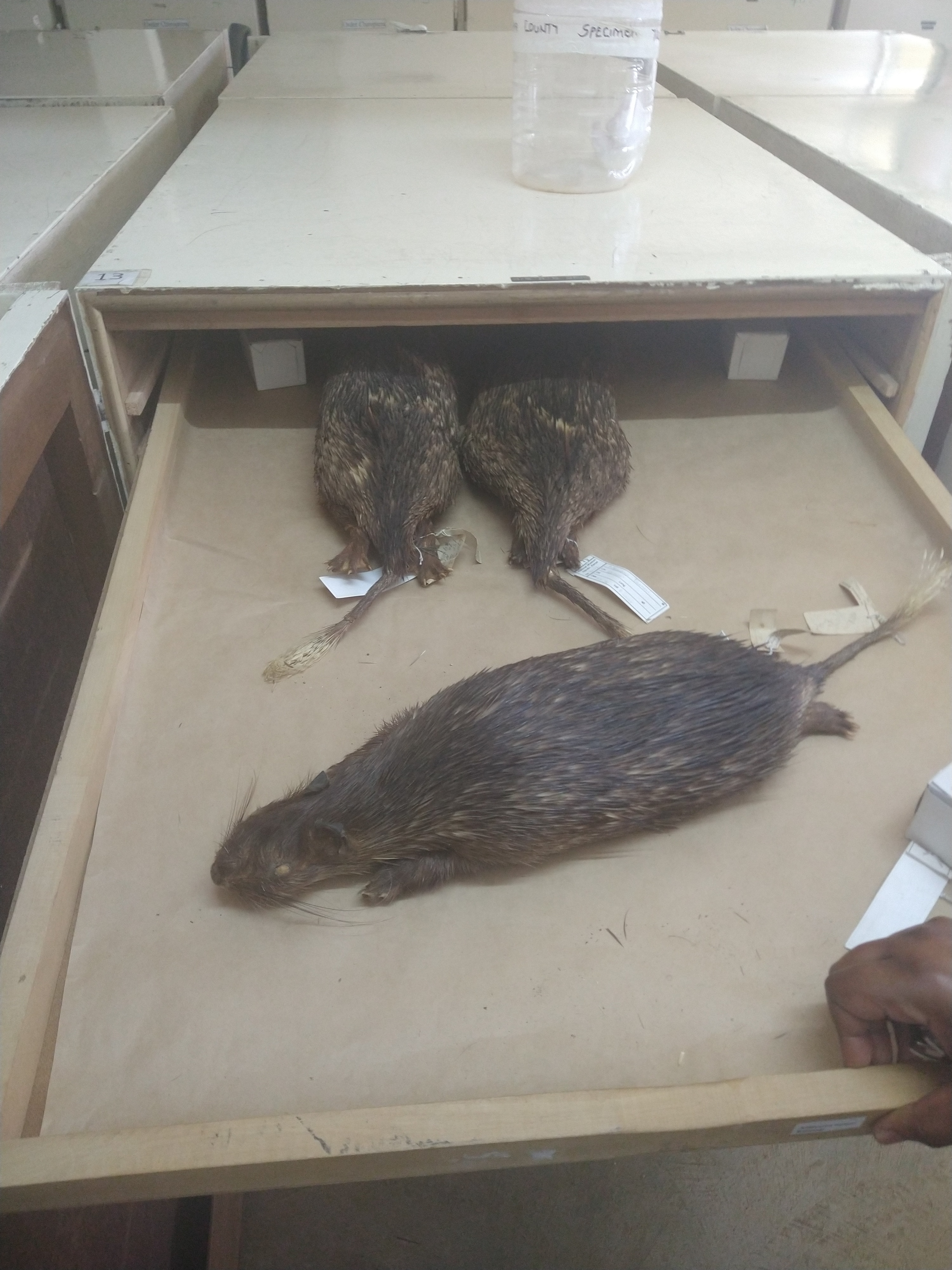
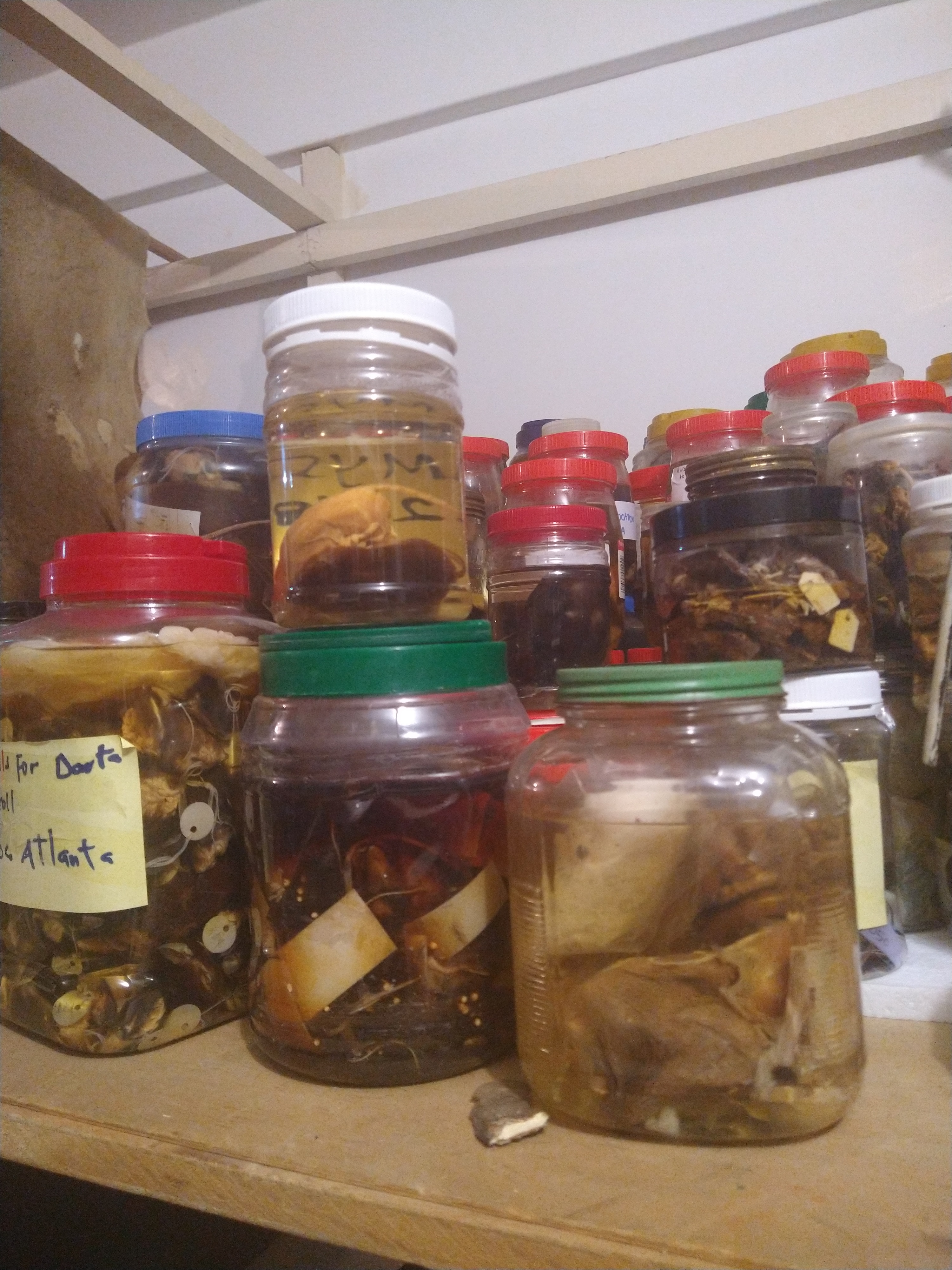
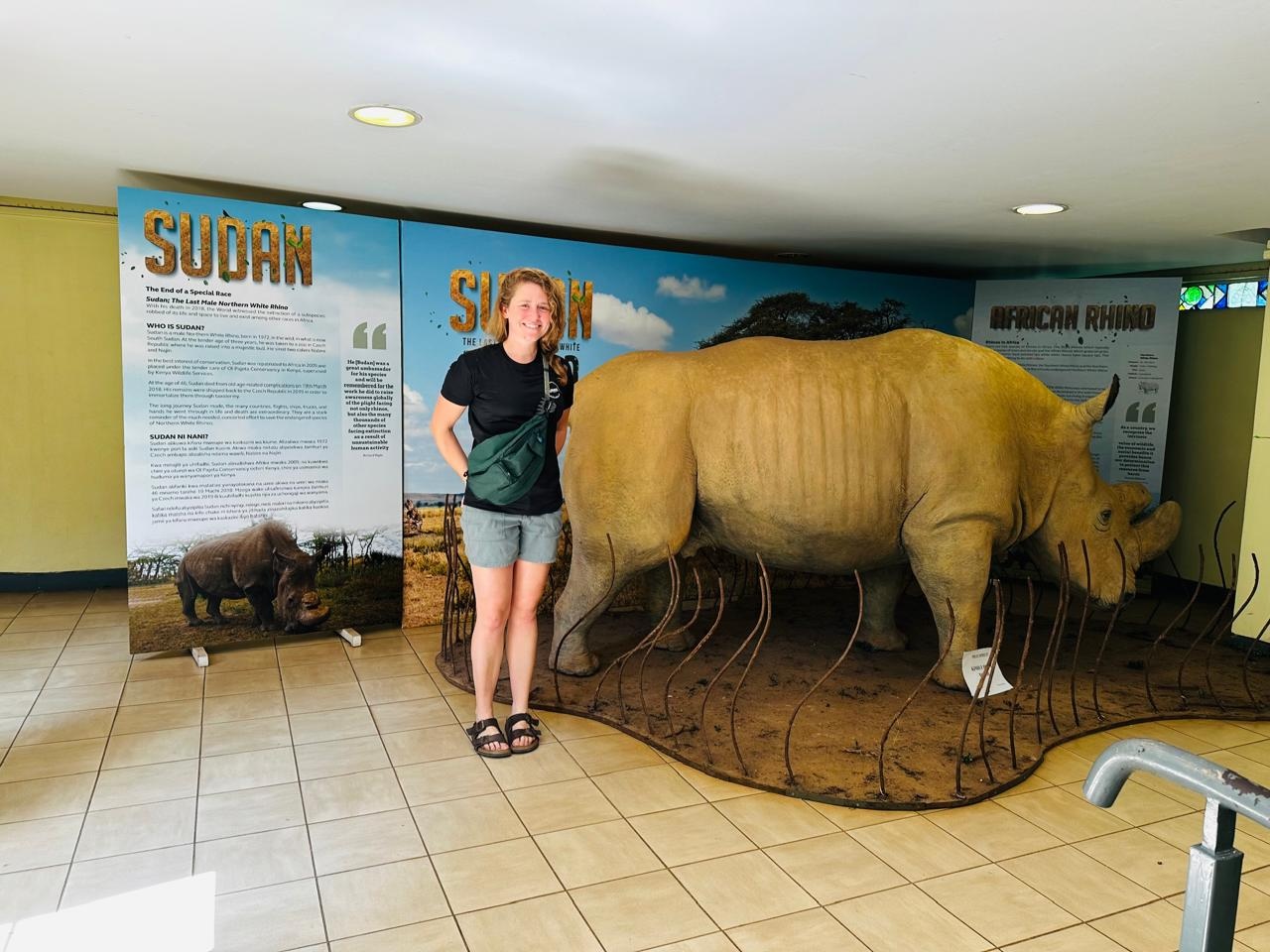
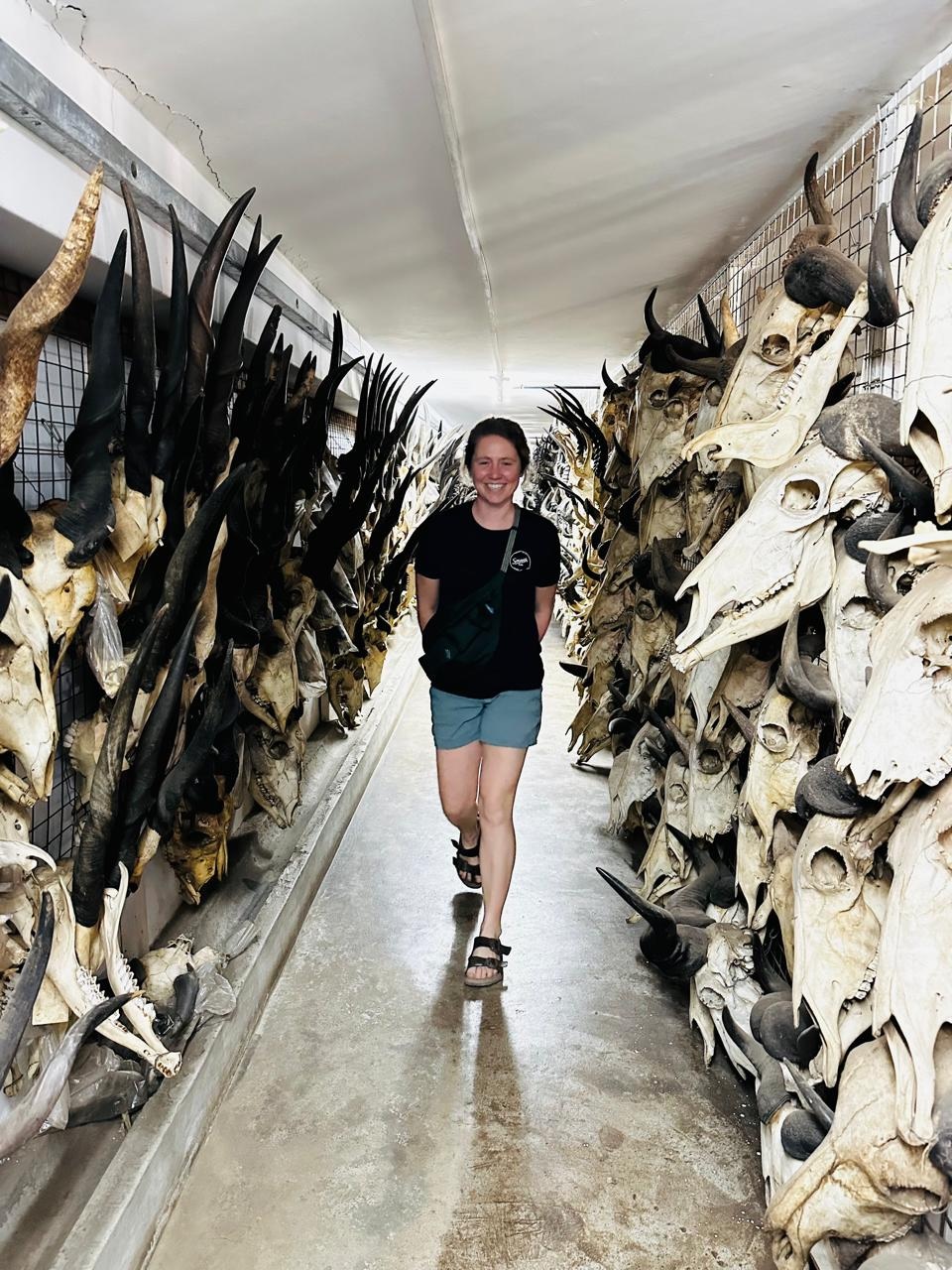
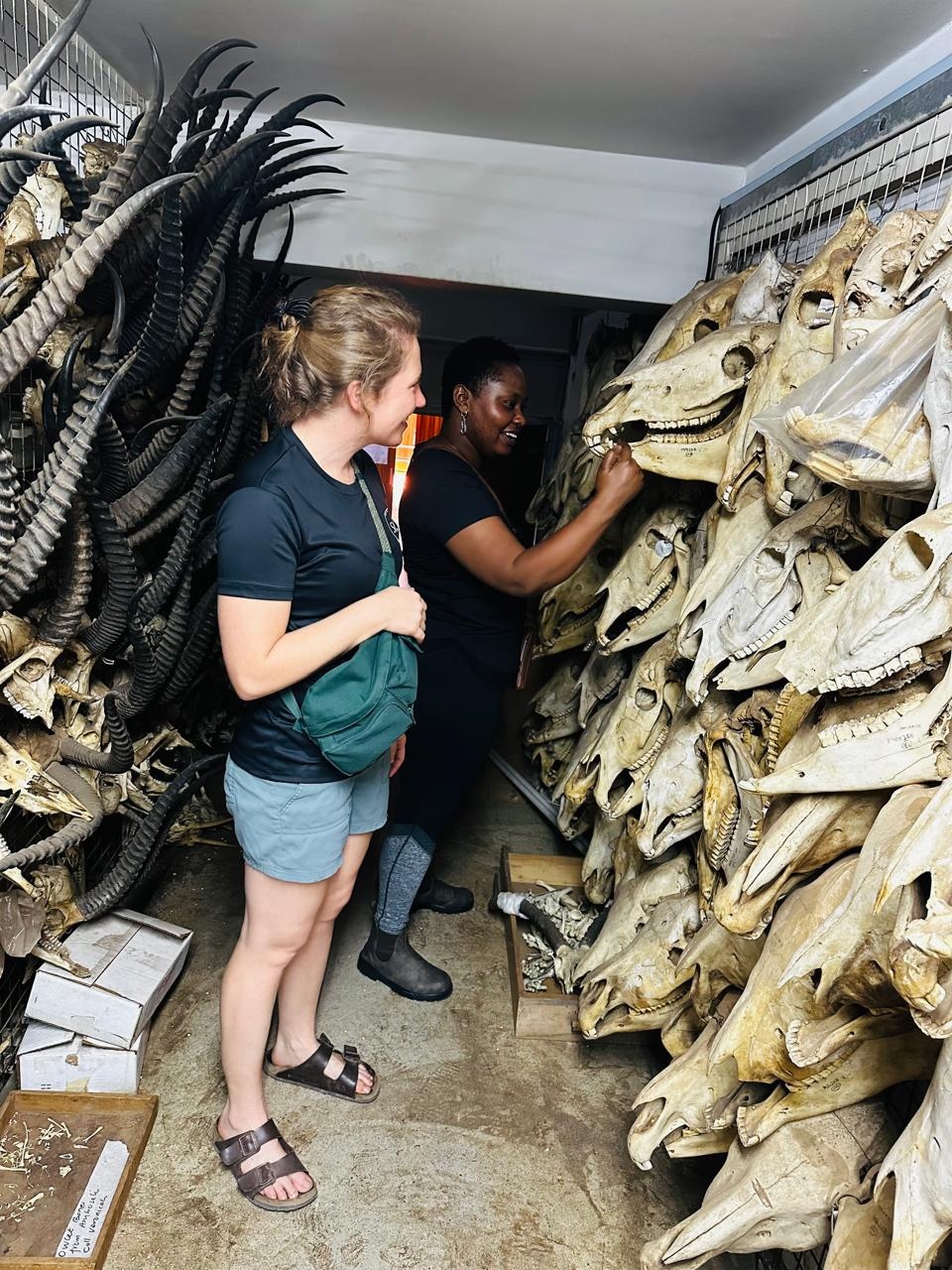
The three-ish weeks went by way too quickly and soon I was back on the plane to Nairobi. The Kenyan PhD student works at the Nairobi National Museum, I was invited to a behind the scenes tour and was able to check out the bone collection and sample preservation rooms!
July 8 – August 16
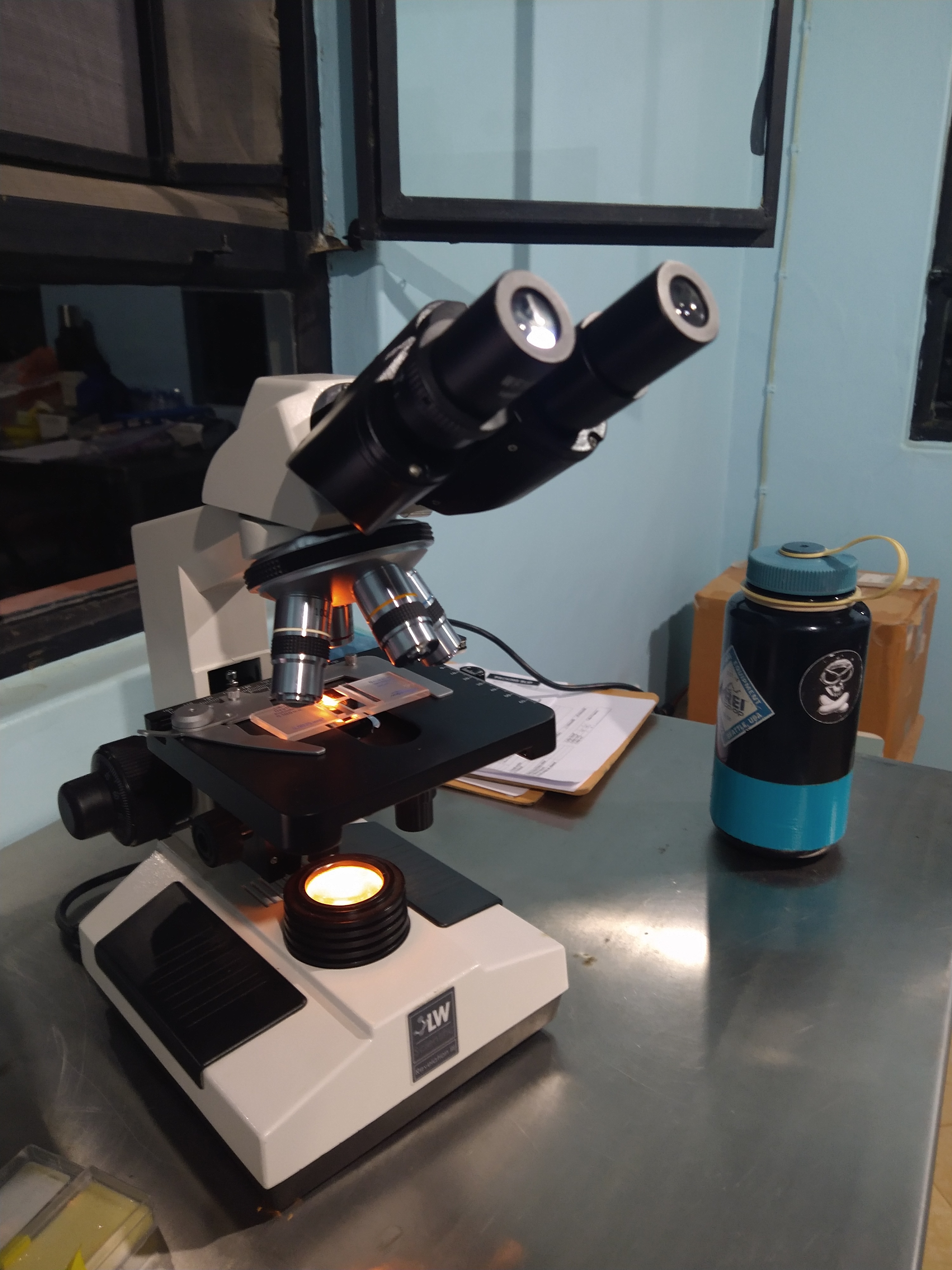
I returned to Nairobi in early July to prepare for the annual darting season where we aim to collect samples (and sometimes deploy GPS collars) from 20 baboons within a 3-4 week period. I still carried quite a bit of luggage, but was happy that I brought the bulk of my supplies down in March. The first order of business was just outside of Nairobi at the Institute of Primate Research (IPR) in Karen. Karen is about 40 mins from the Jomo Kenyatta international airport and lies on the outskirt of the city near the Ngong Hills. When we collect blood samples from the baboons in Amboseli, we spin the blood down in a Cell Preparation Tube, collect the serum from the top, then send the rest of the blood to IPR to do flow cytometry and tell us the cell composition of the blood. Flow cytometry measures the proportion of different cell types like monocytes, B cells, natural killer (NK) cells, etc. We need this information to control for the levels of gene expression we see when we challenge the collected blood samples in tubes with immune challenges. So, before heading to Amboseli, it was important to visit IPR and run a few blood samples on the flow cytometer to make sure everything was working properly and I brought down the correct antibodies for cell staining. IPR is nestled in a nature preserve, which is a popular local hiking area, and is a neighbor to the Kenya Snakebite Research and Intervention Center. I stayed at a nearby hotel, the Margarita House, but always had quite the adventure with my Uber drivers trying to navigate to the lab since the pavement ended well before the research center and we had to do some off roading to get there.
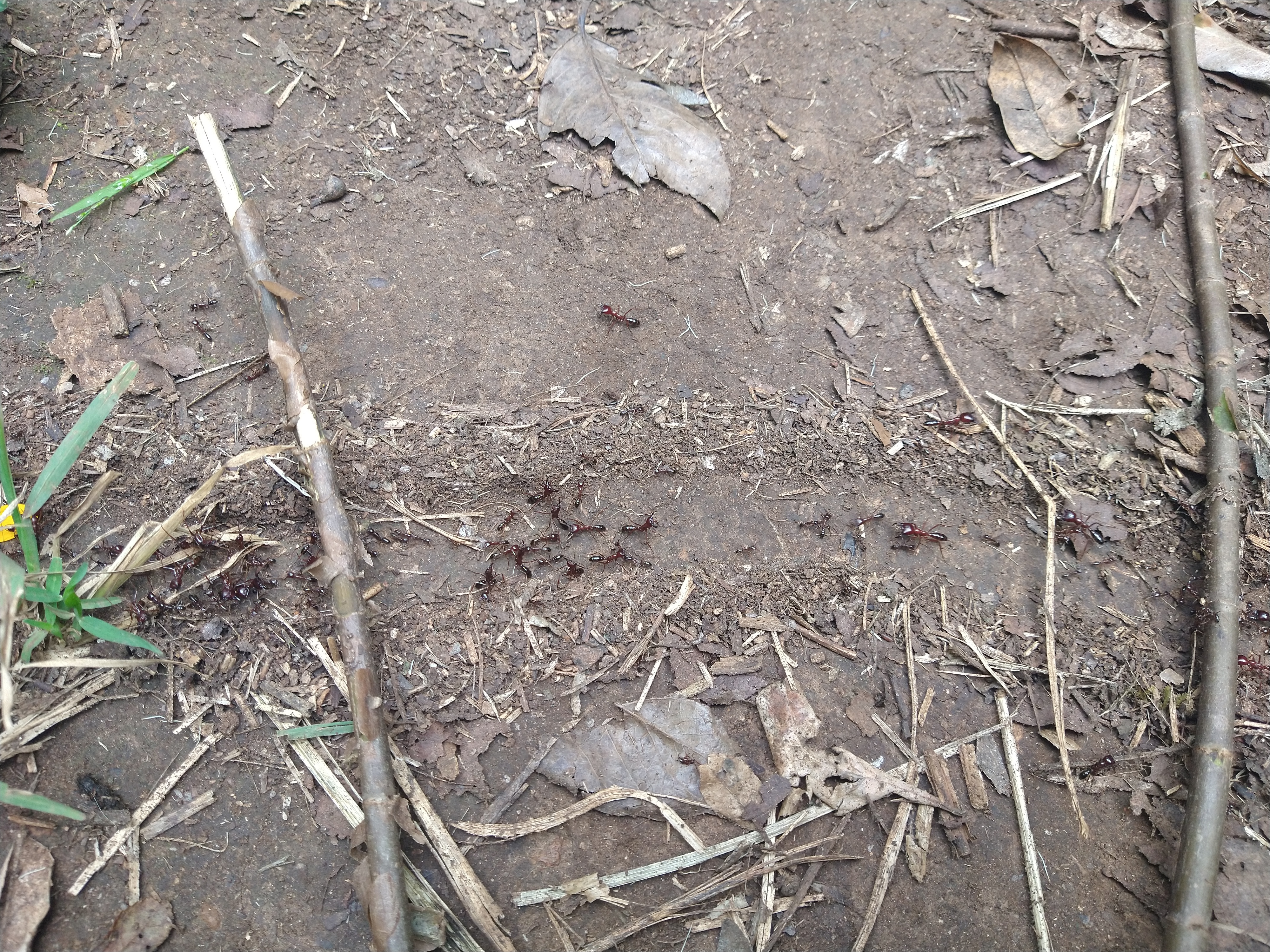
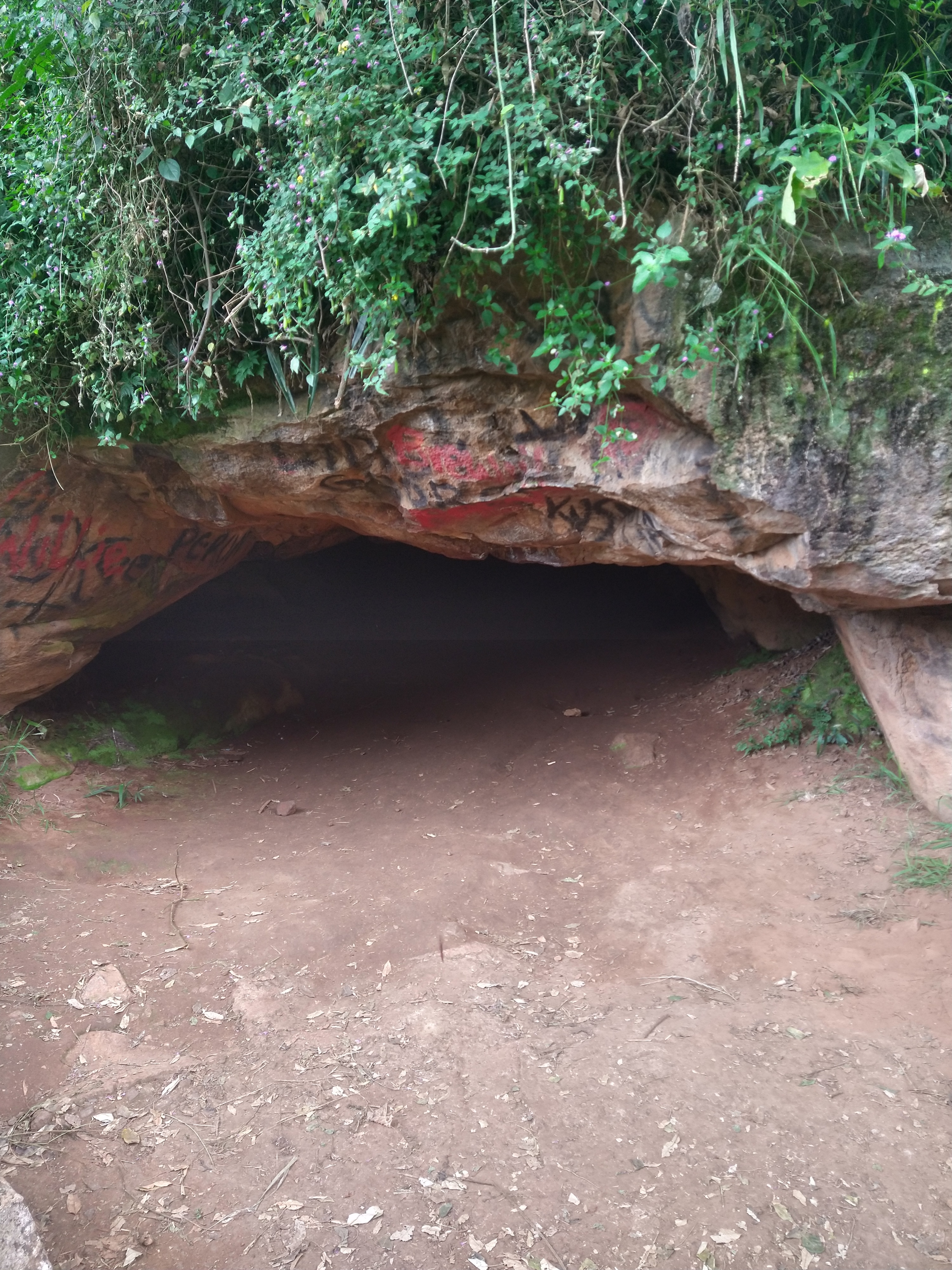
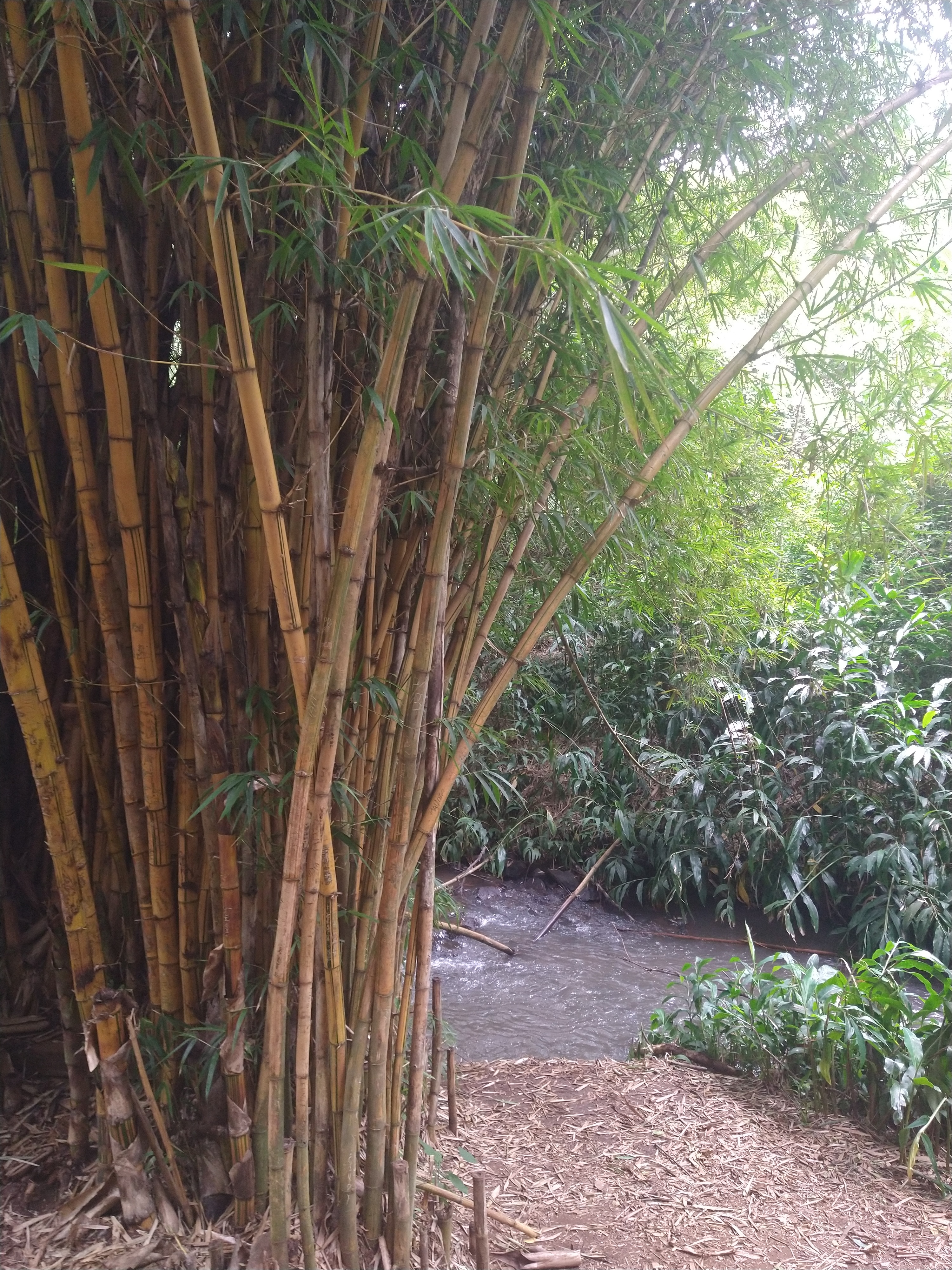
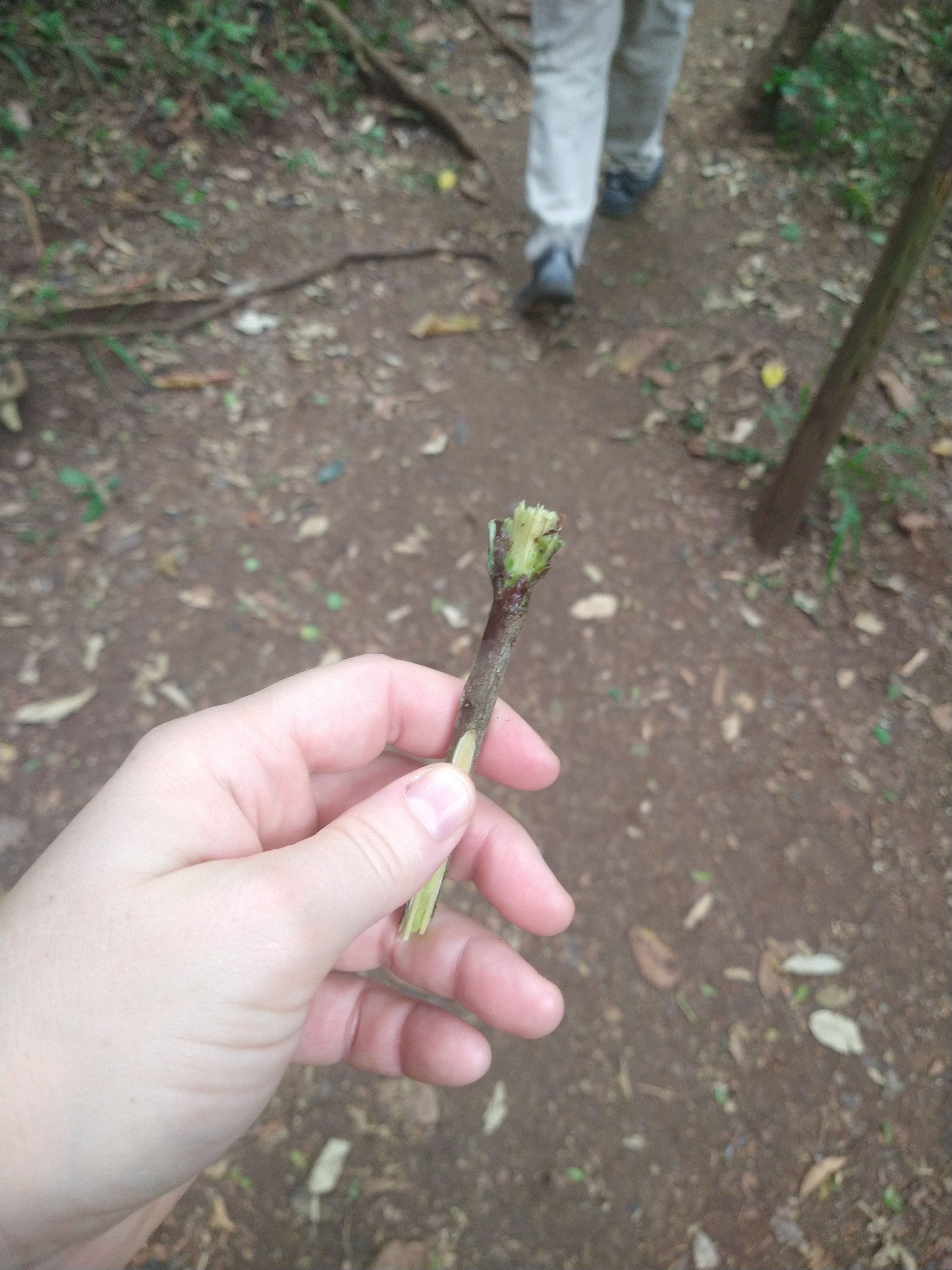
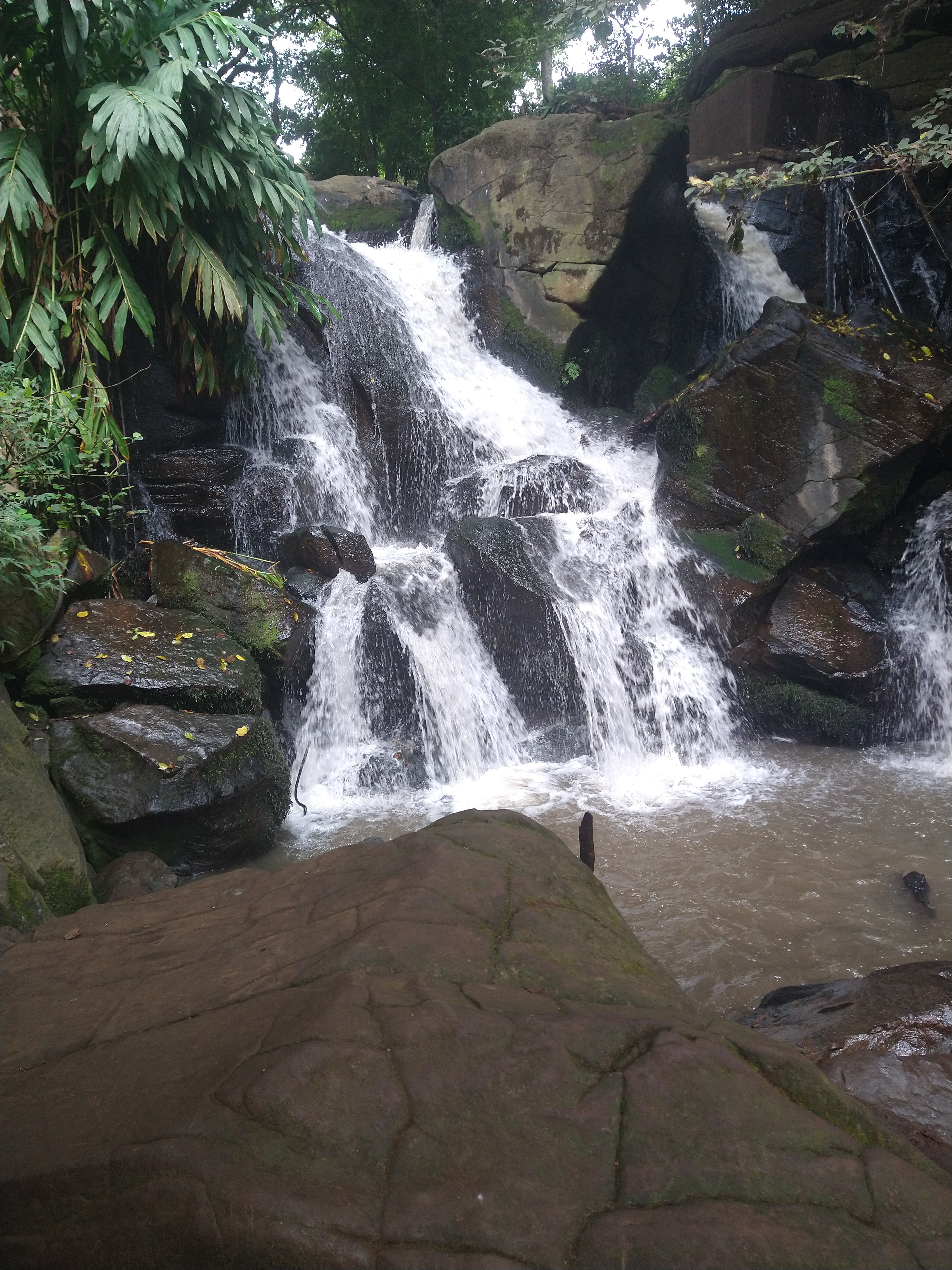
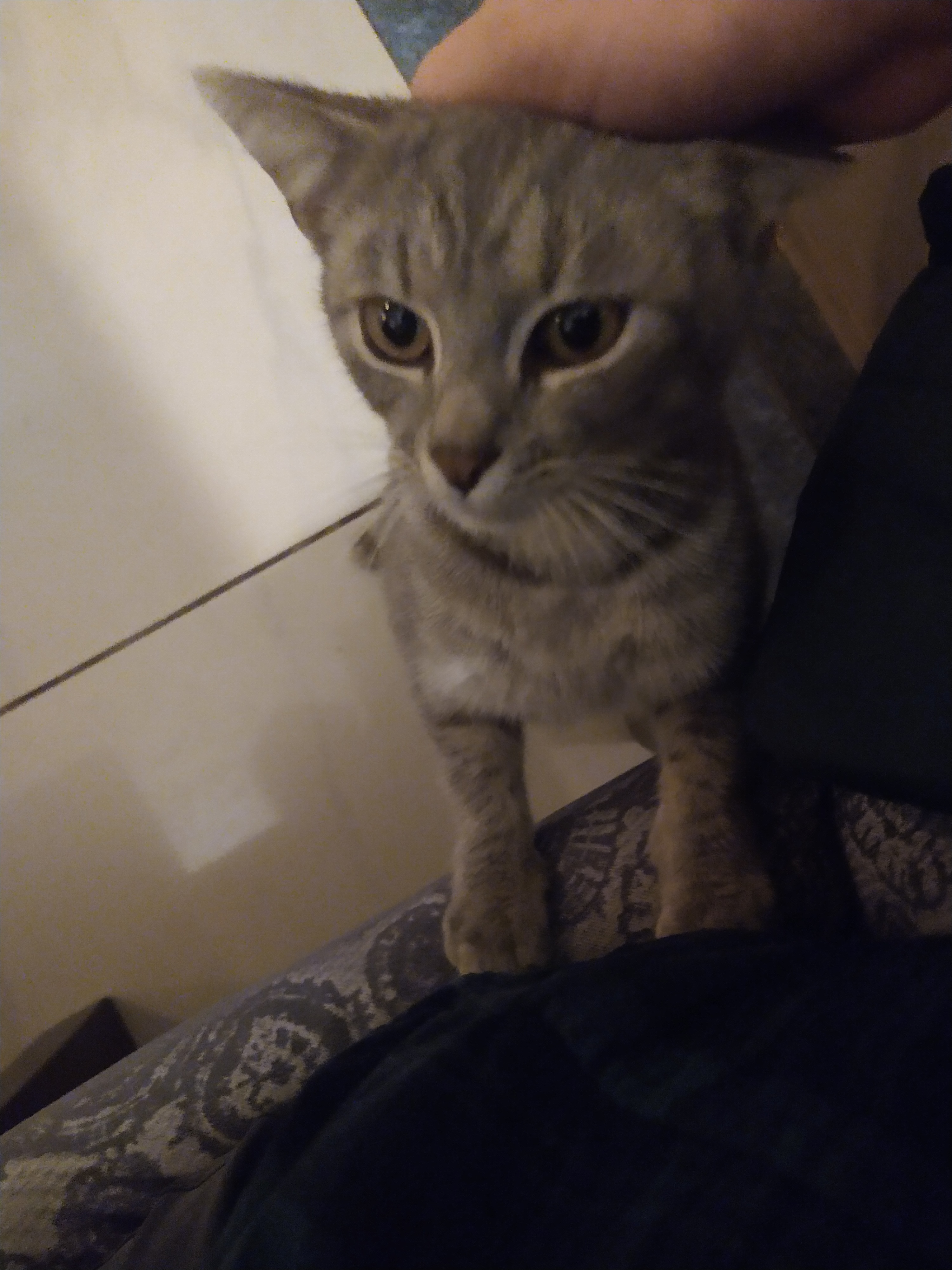
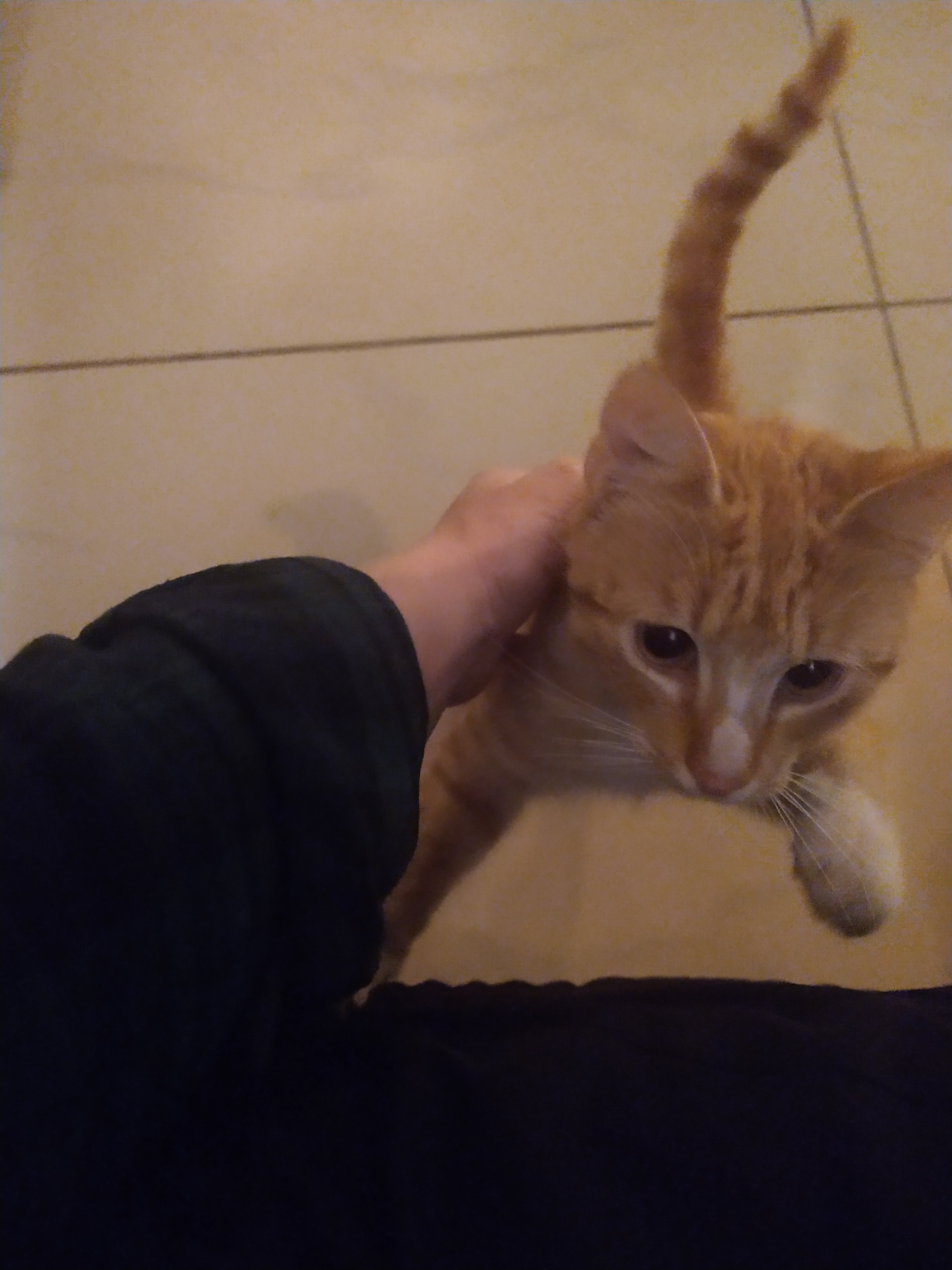
Once the samples were analyzed, I had a bit of time to explore the hiking trails with a local guide. We opted for the big loop around the preserve and I learned so much from the guide’s experience walking these trails everyday. We saw lots of long lines of safari ants, where the larger “soldier ants” would stand guard along the sides of the ant highway with their big jaws ready to defend anything that tried to impede their progress. We crawled into a cave that was about 10 meters deep and held historical significance in the 1950’s as it was a key hiding place for the Freedom Fighters during the day so they could arrange surprise attacks on the British at night. The Kenyan Freedom Fighters eventually helped gain Kenya’s independence from the British using this tactic. We passed a water pump built in the 1920s that still pumped water from the pressure of the water fall it was installed under to towns nearby – the pump worked just from the pressure of the water, no electricity or gas, and has been pumping water for over 100 years! I tried chewing on a branch of the African Greenheart Tree, which according to my guide is a medicinal tree to treat toothaches. I was surprised how strongly bitter it tasted! After the tour, I returned to the Margarita house to hang with some local stray cats and prepare for the morning flight to camp.
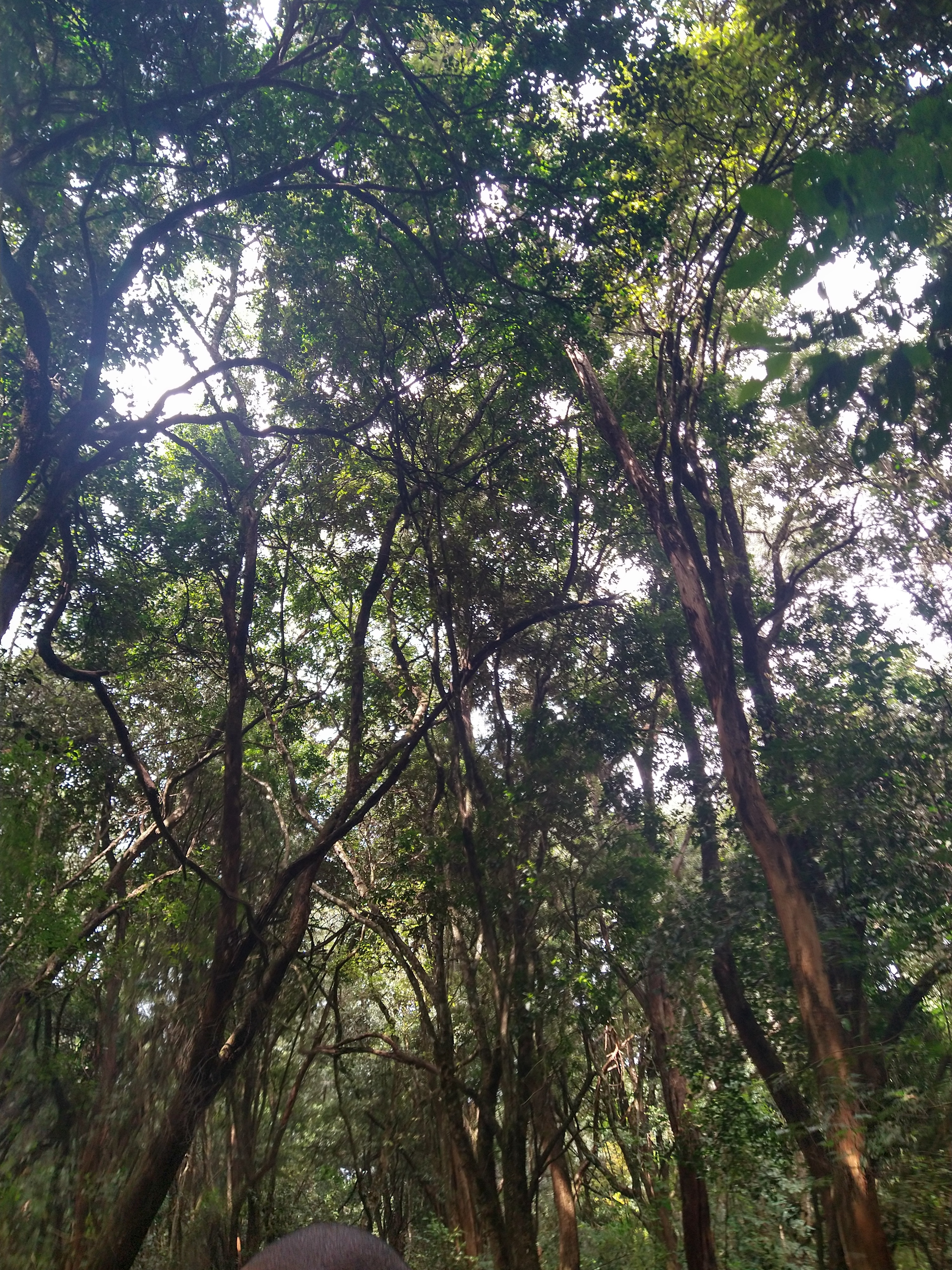
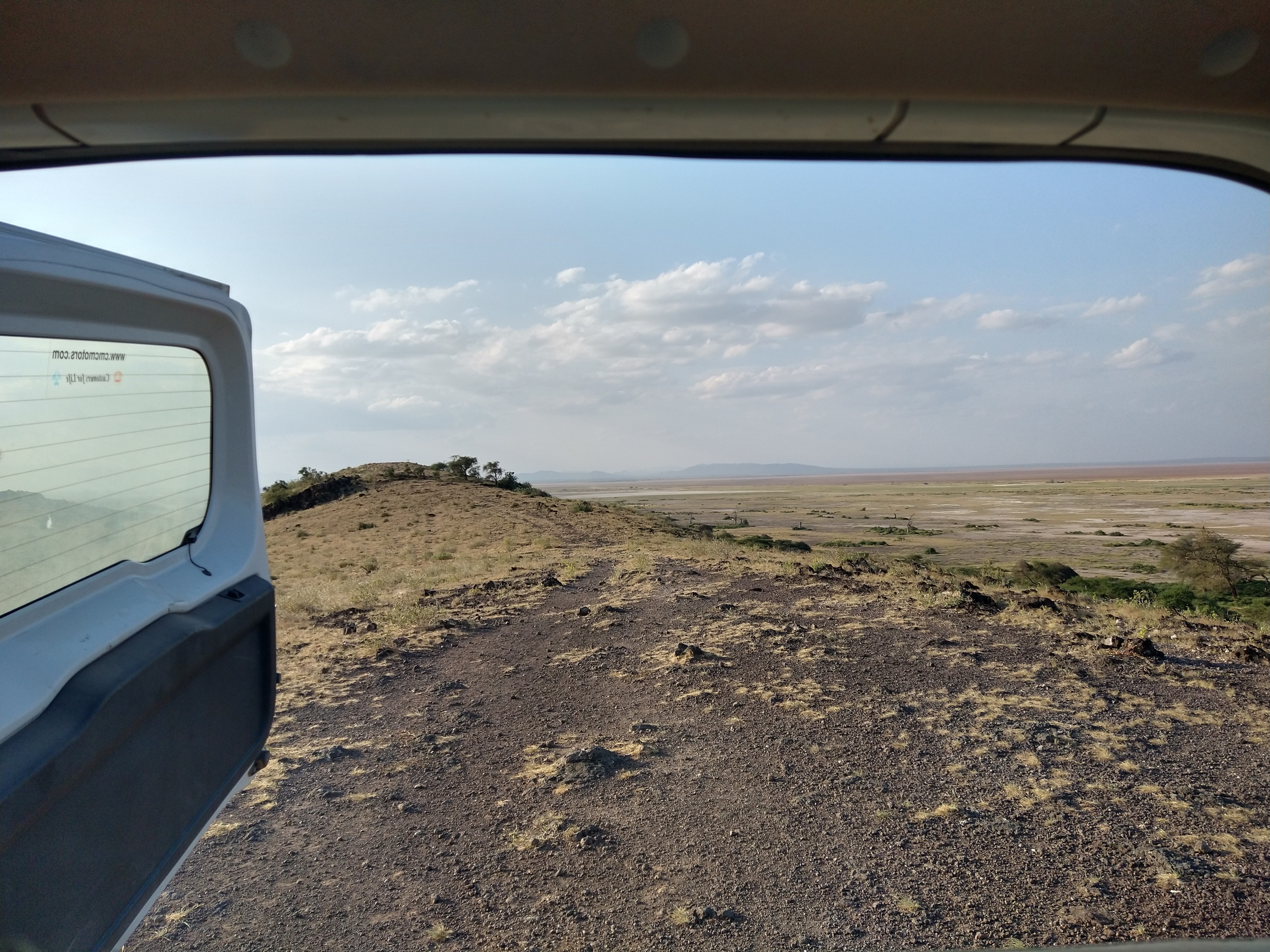
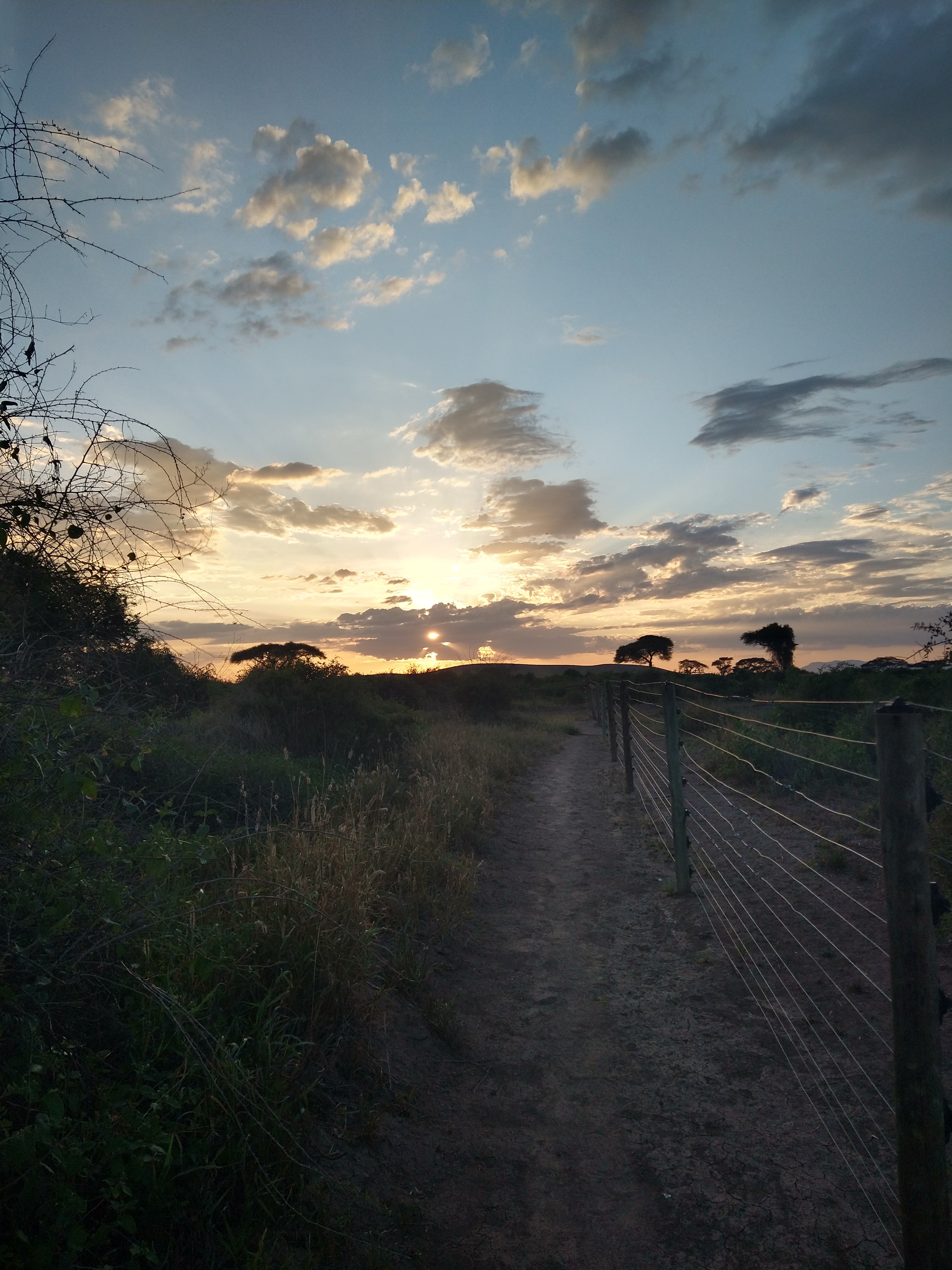
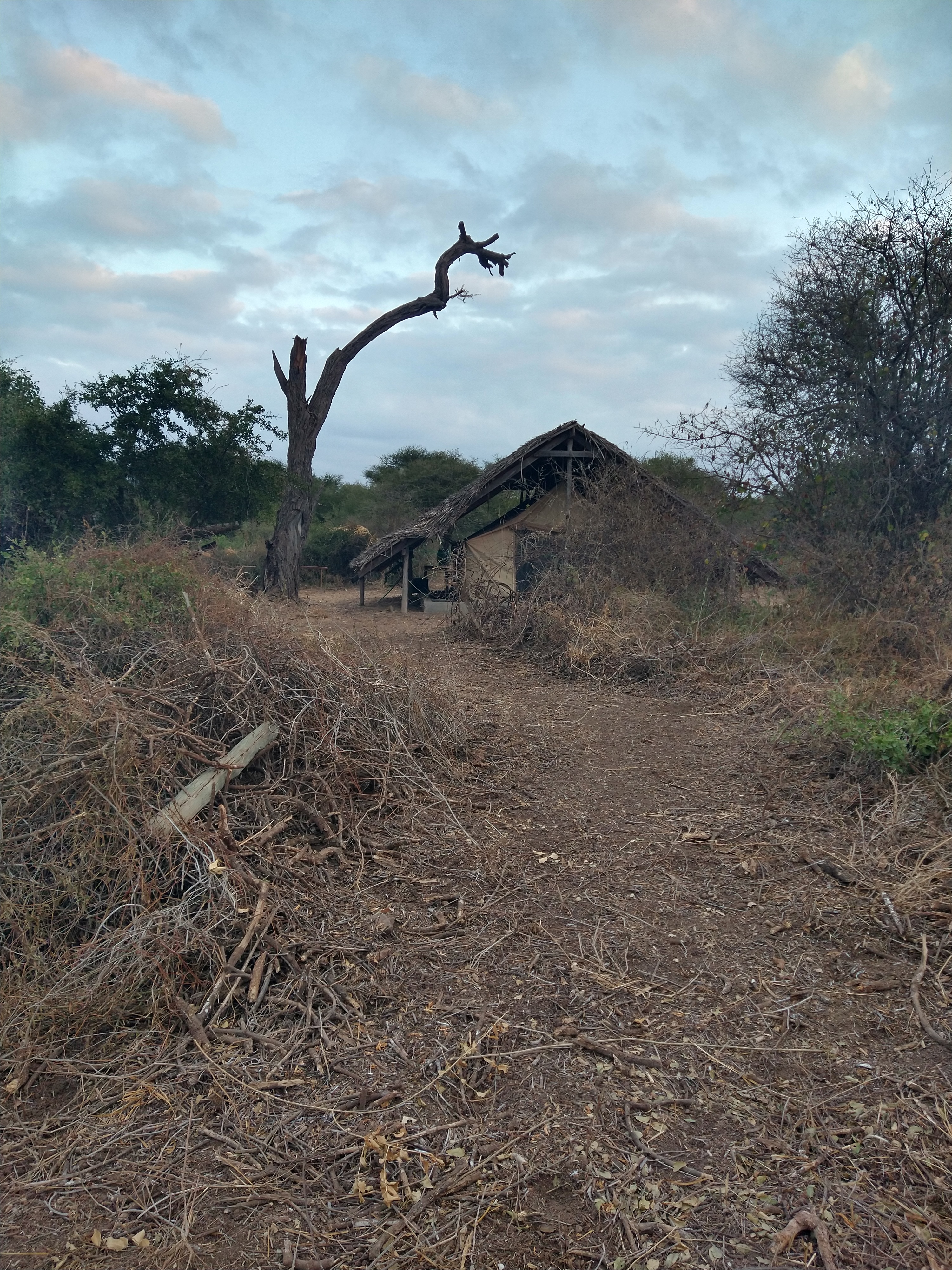
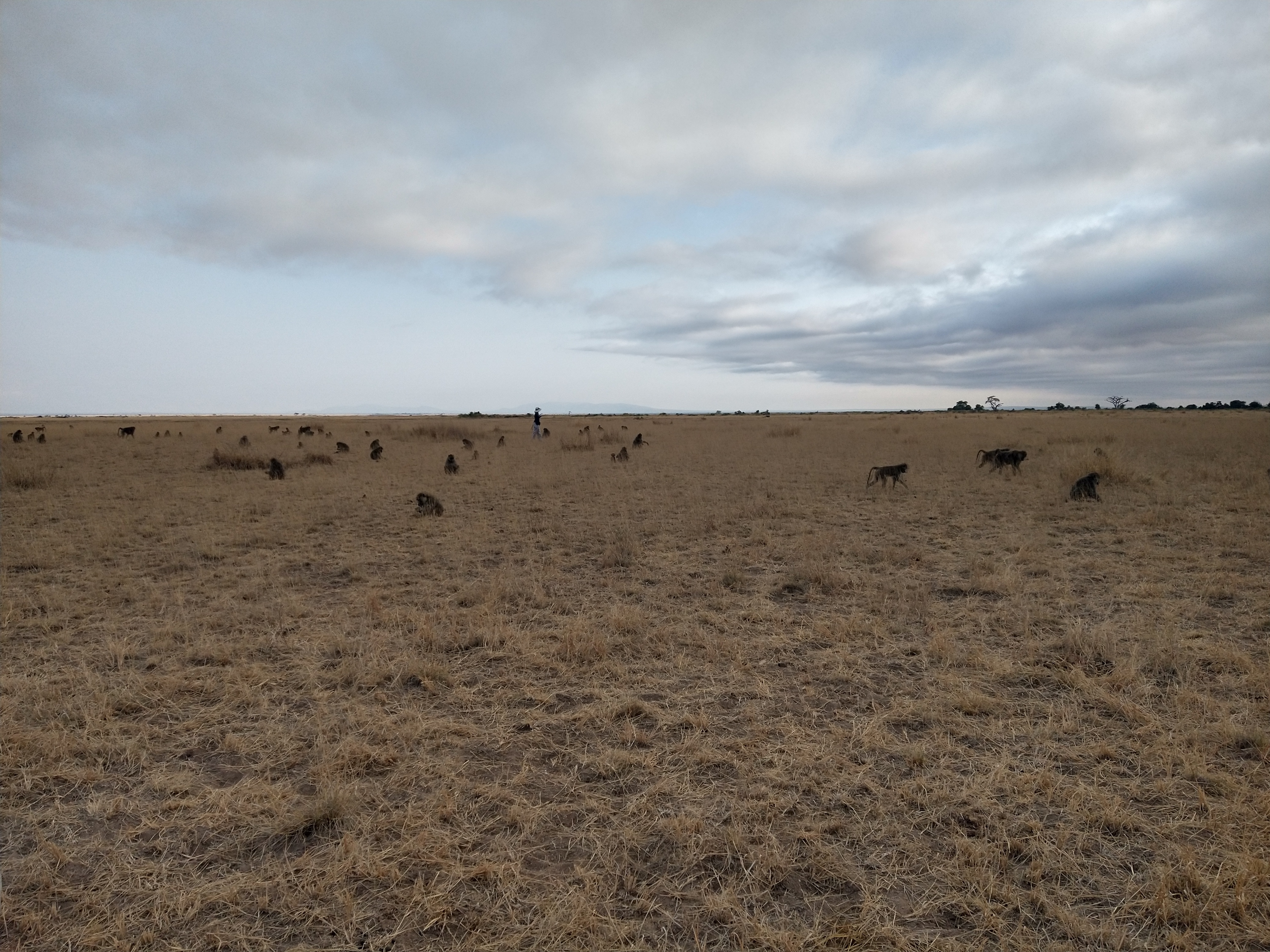
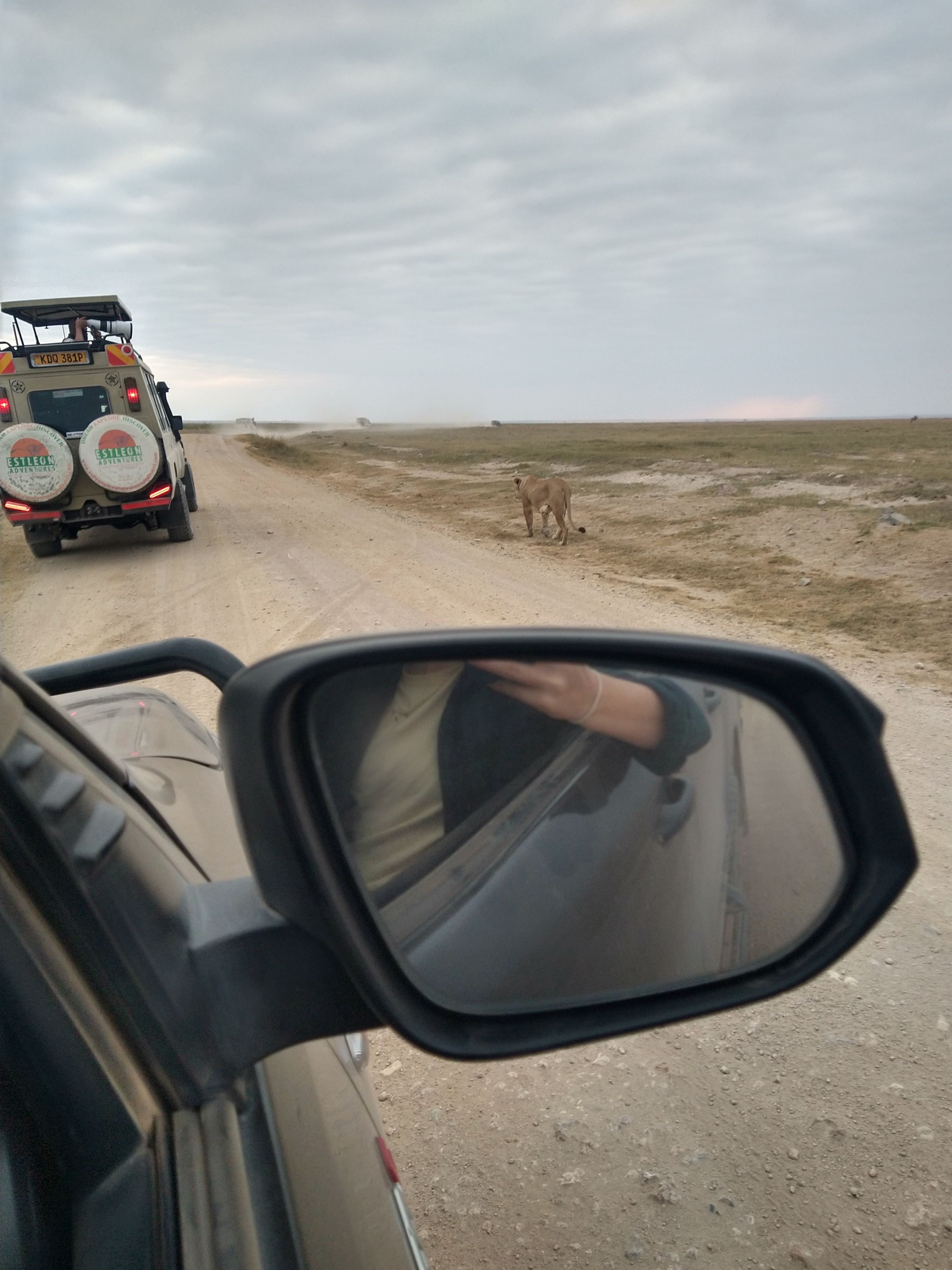
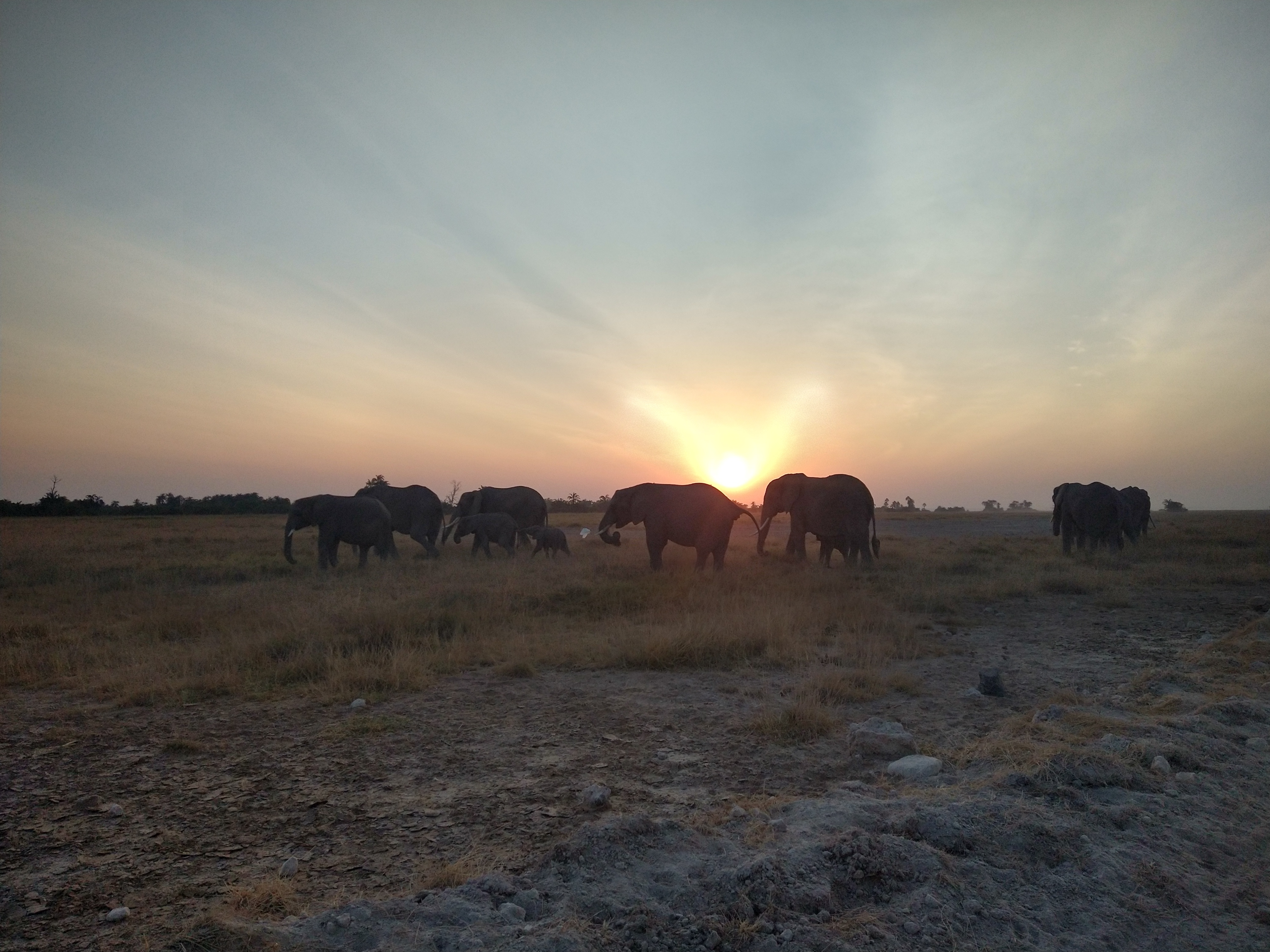
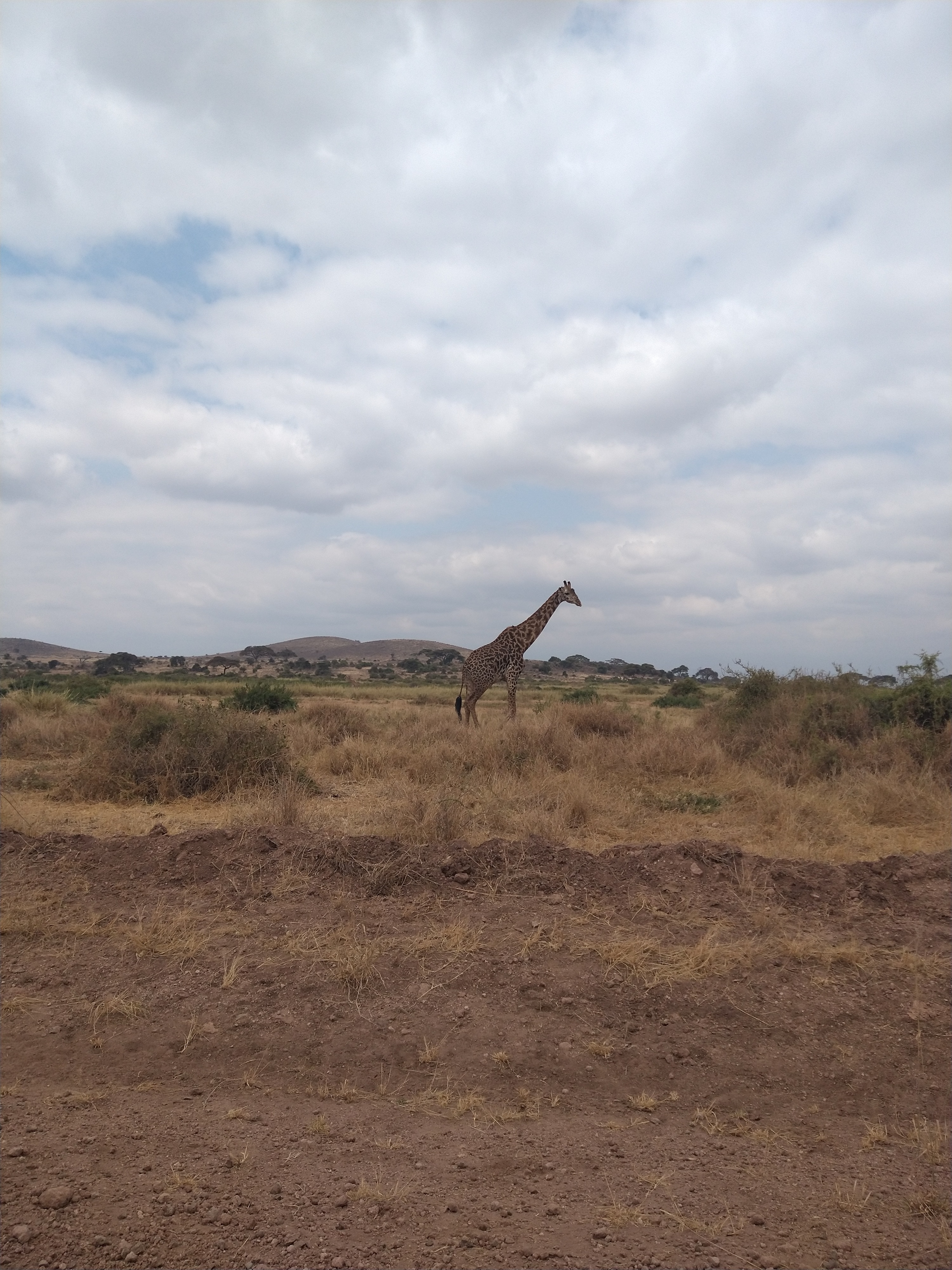
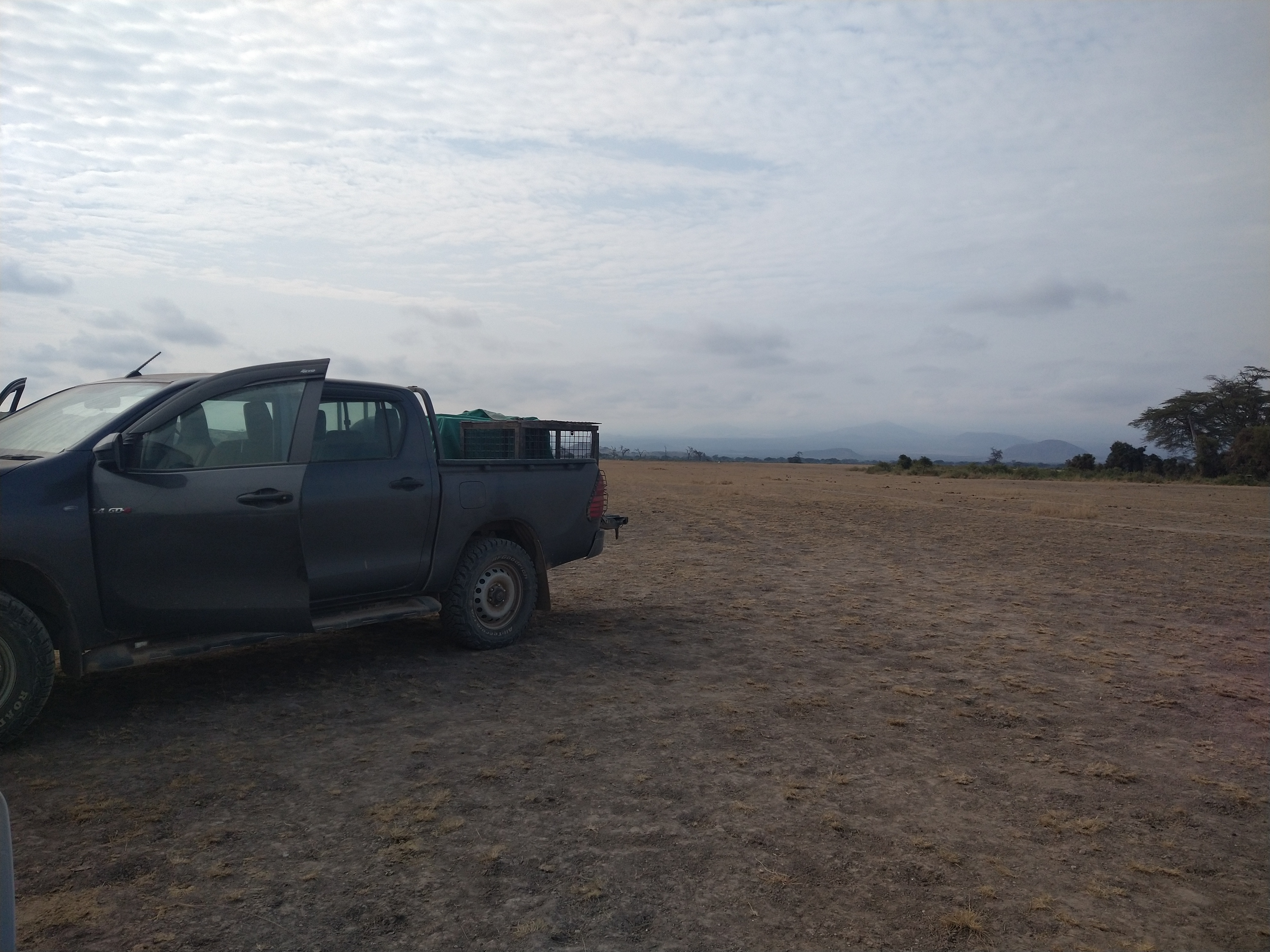
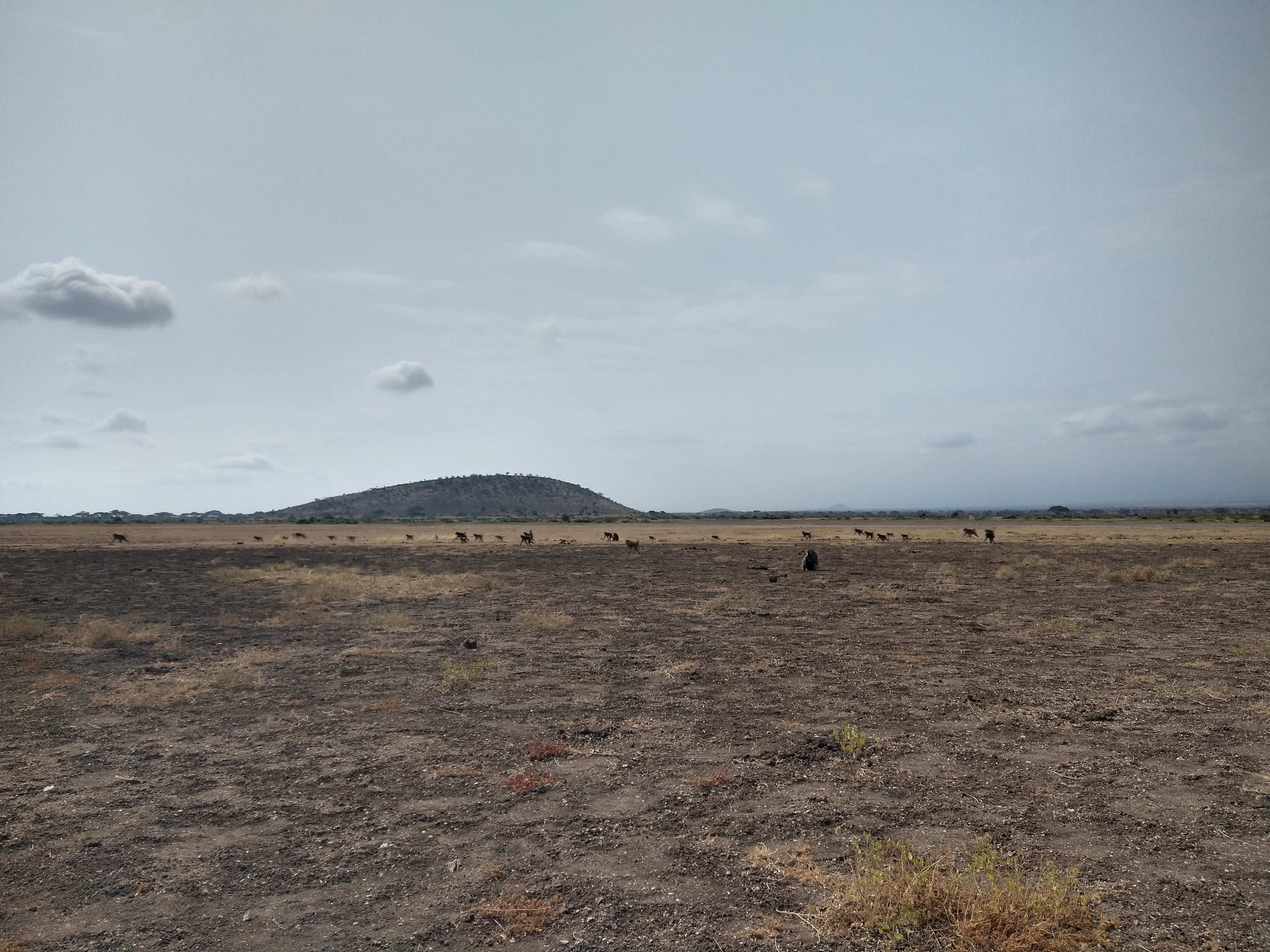
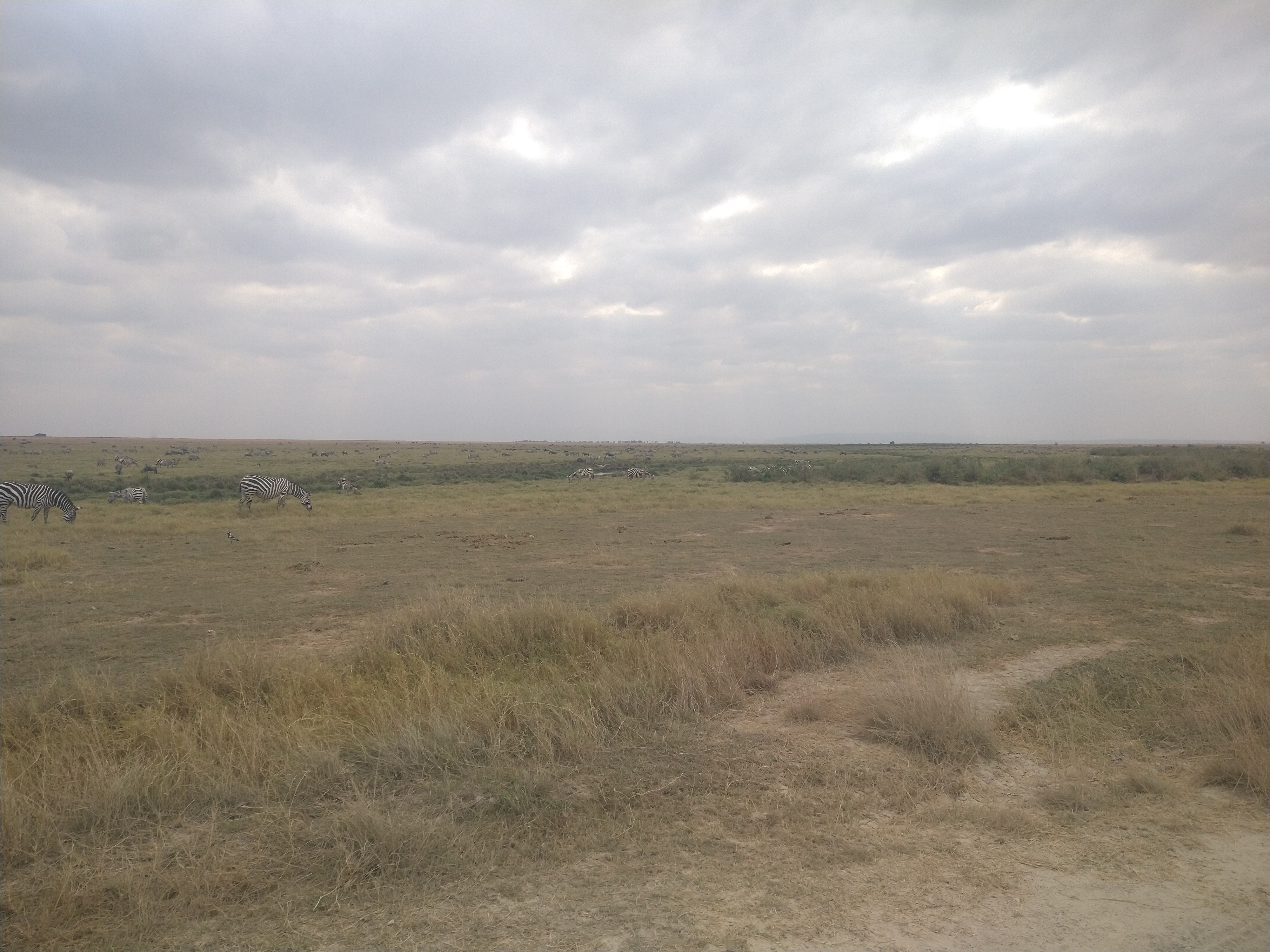
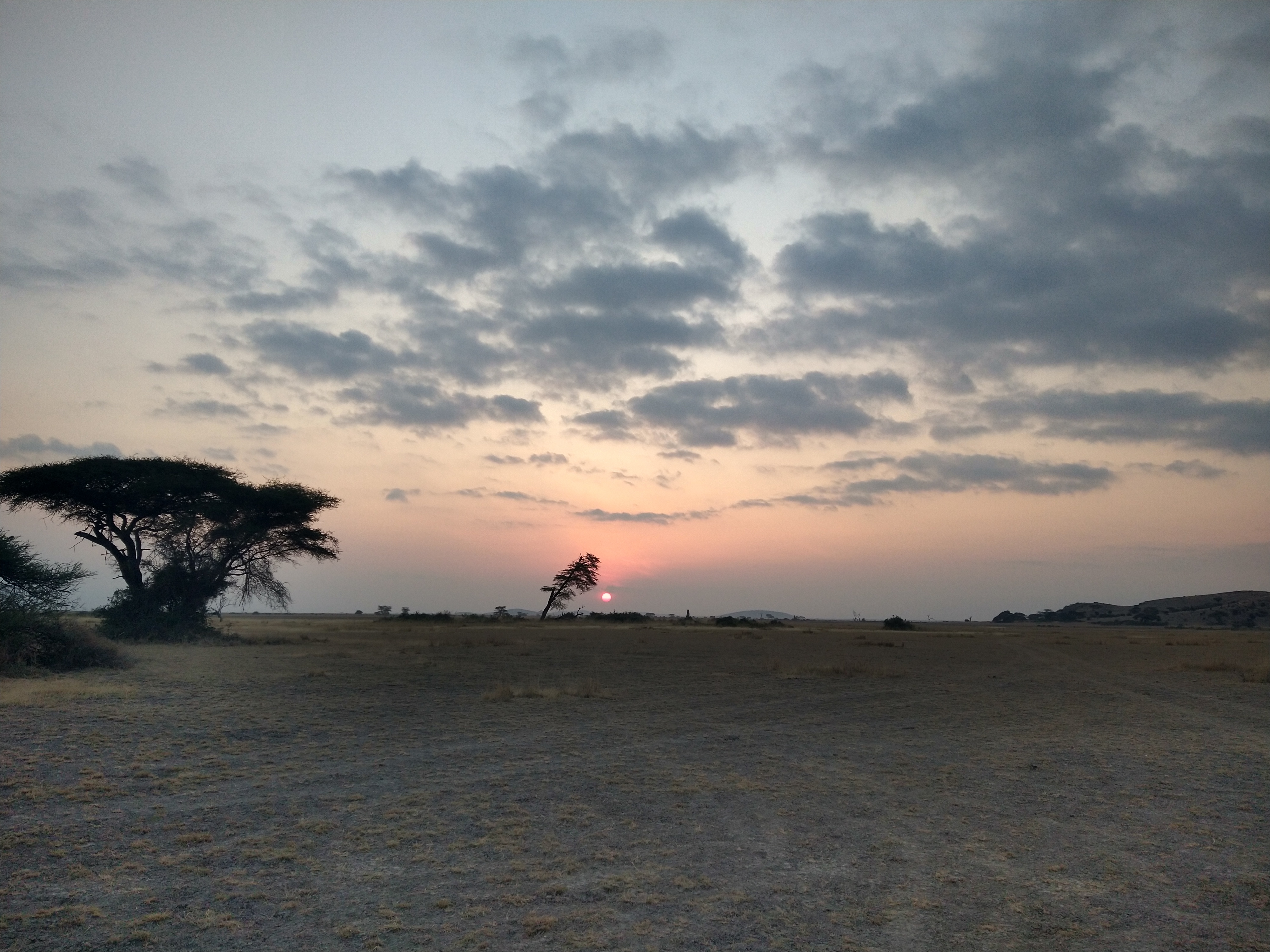
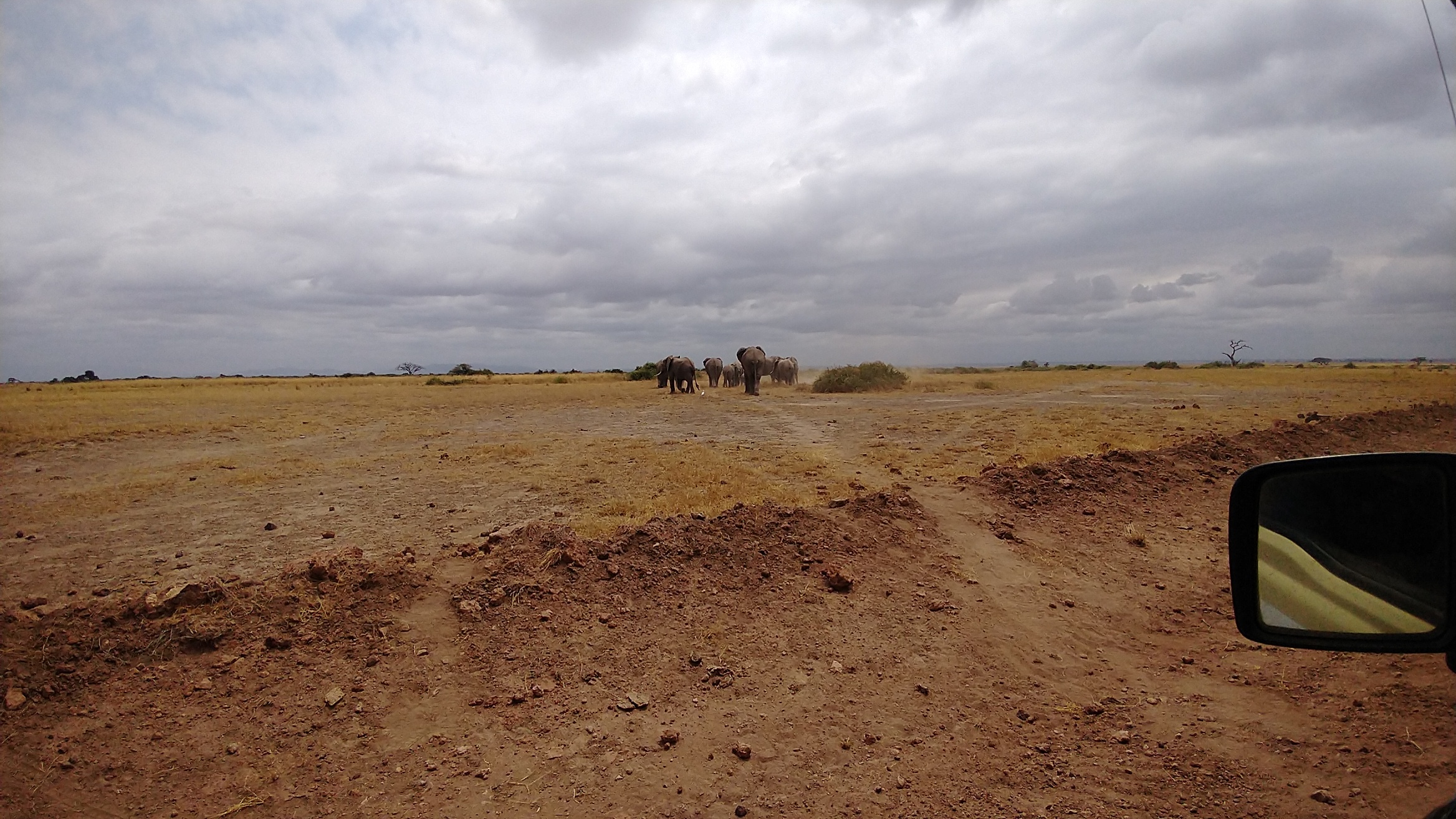
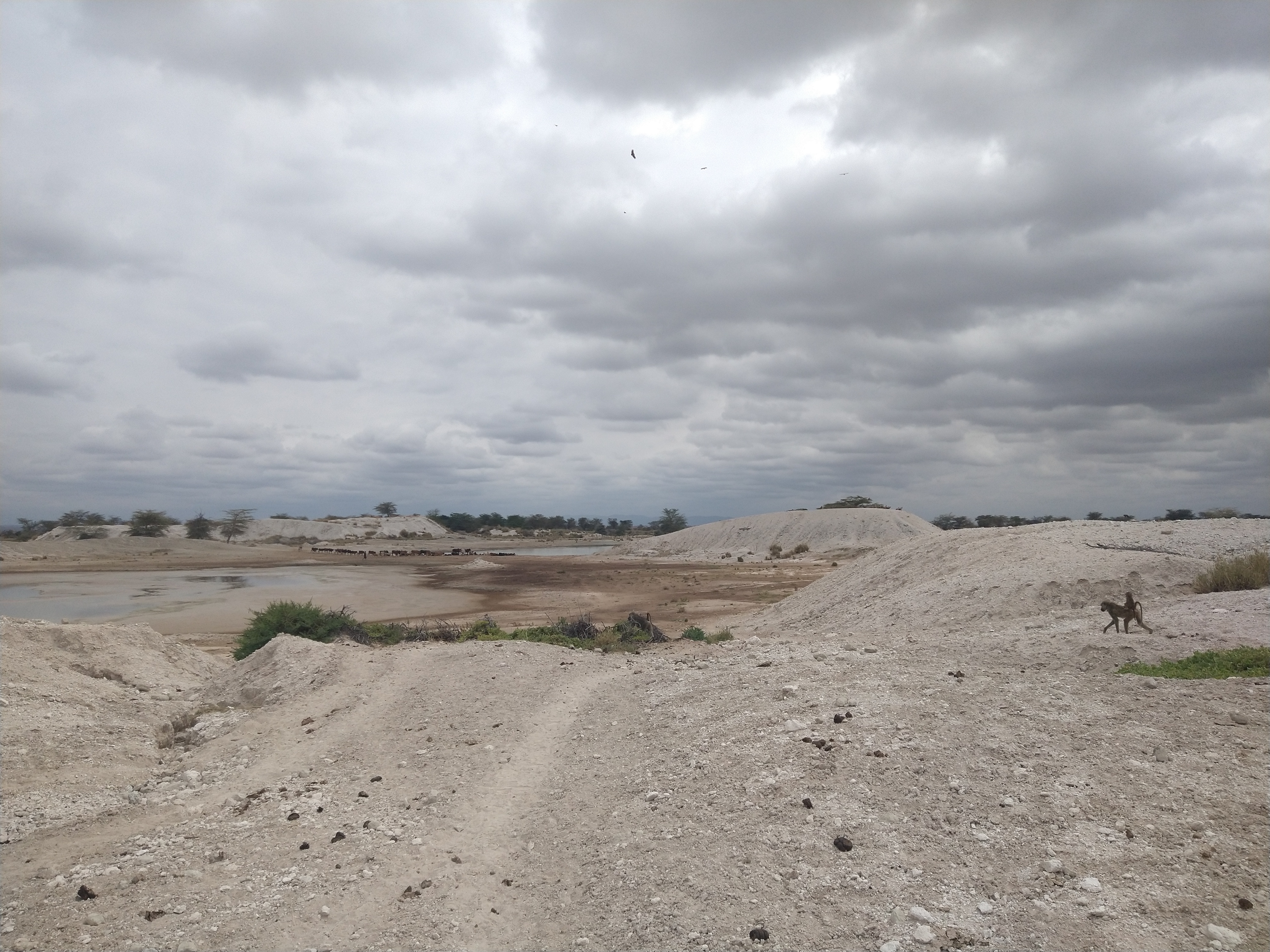
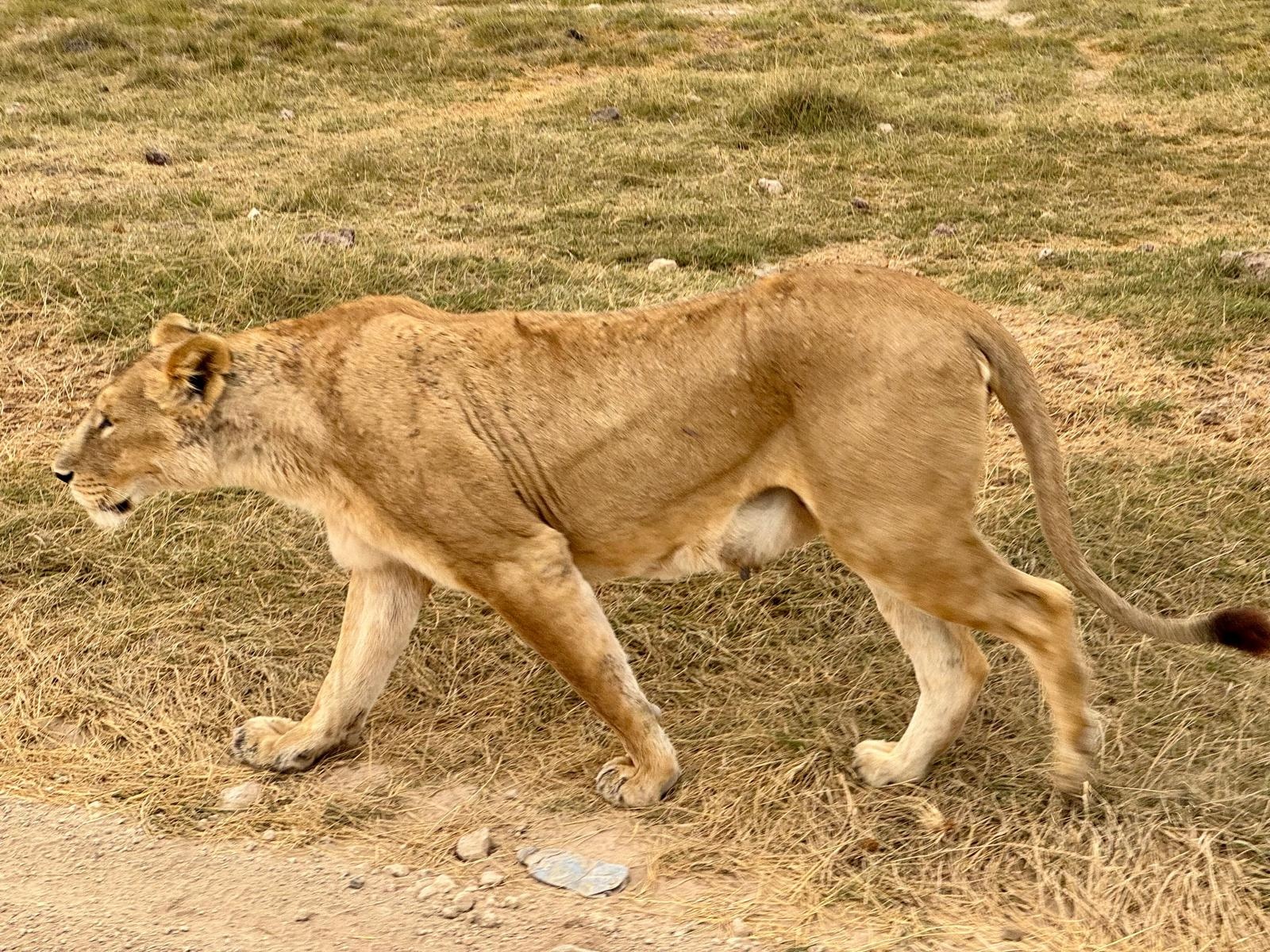
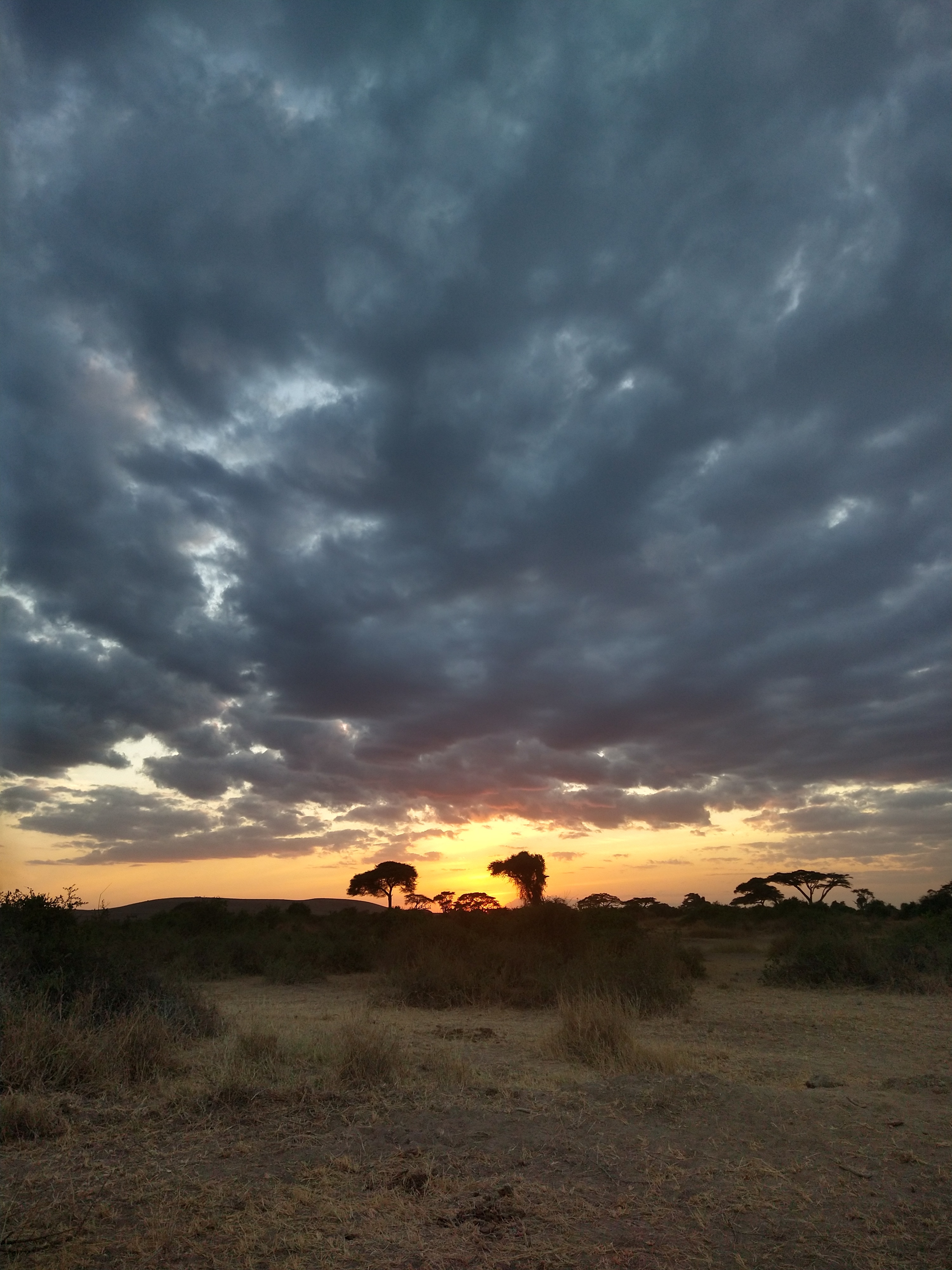
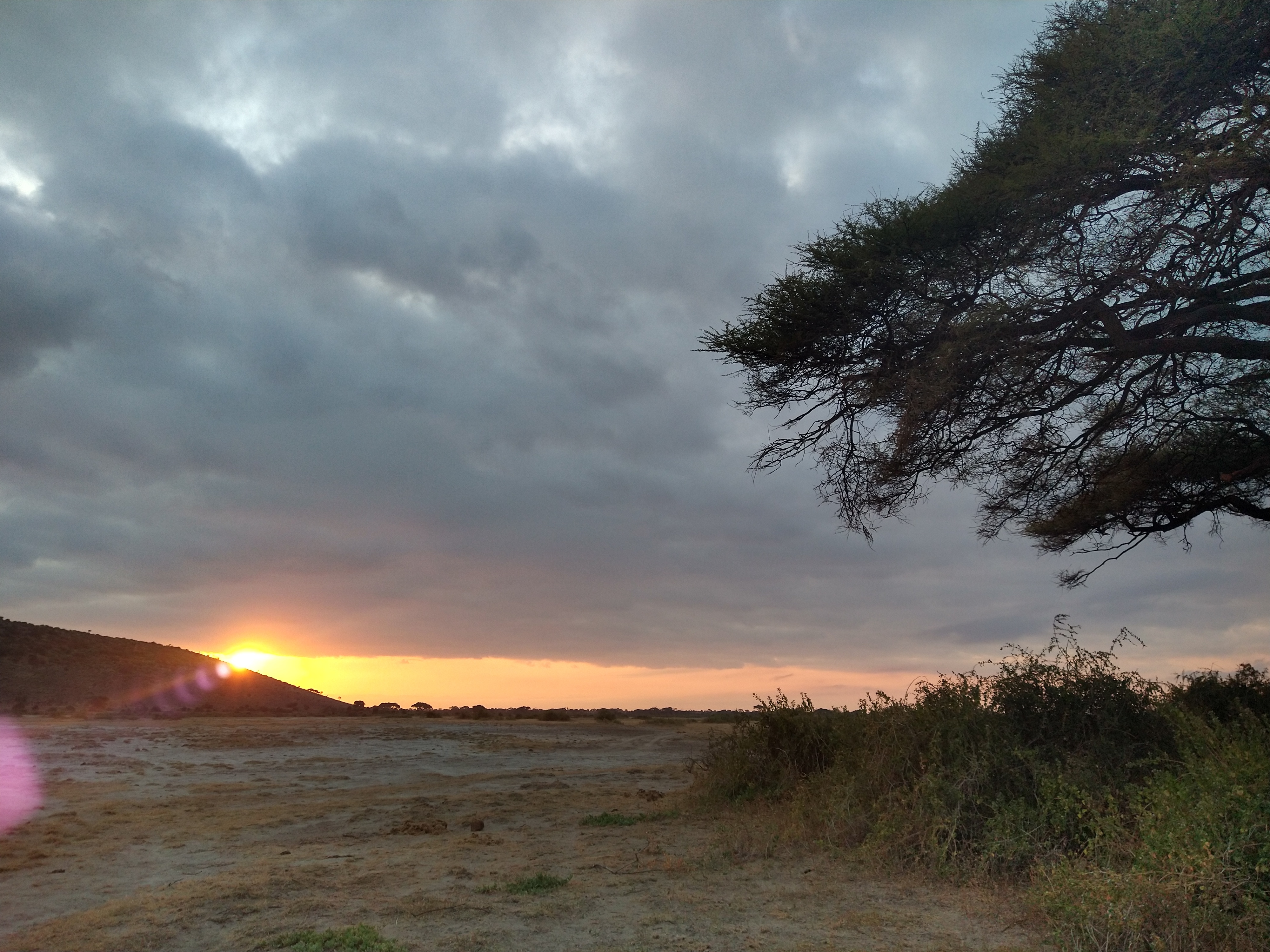
During the annual darting season, research visitors are reduced to a core team since there is a lot of work to do and limited space. For this stint I had my own tent, and the best one! This tent is on the edge of camp right along the electric fence. I often could see giraffes and elephants from my bed in the morning and hear hyenas and lions hunting in the night. Similar to March, the first couple of days were preparation and packing for darting and, similar to the year before, the process went smoothly and we collected samples and measurements from 20 baboons from various study groups. This year, I was given some additional responsibility of driving the blood samples to the airstrip each day to send to IPR for the cell composition analysis of the blood. Depending on availability of the vehicles, I would either drive one of our 3 Jimny’s or the big Hilux truck. The drive to the airstrip was one of my favorite tasks this year since it was basically a self-guided safari drive! The flights would usually be scheduled around 7:30 AM so I would plan to start well in advance to drive slowly just after sunrise and watch for wildlife. I saw groups of elephants, wildebeest, zebra, water buffalo, antelope, and even a lioness on my solo drives. Once at the airstrip, I’d wait until one of the small Cessna planes landed, talk to the pilot to confirm they were returning to Nairobi, pass off the blood samples, and take my time driving back to camp. Mornings like these made me realize just how lucky I am to have such a cool job!
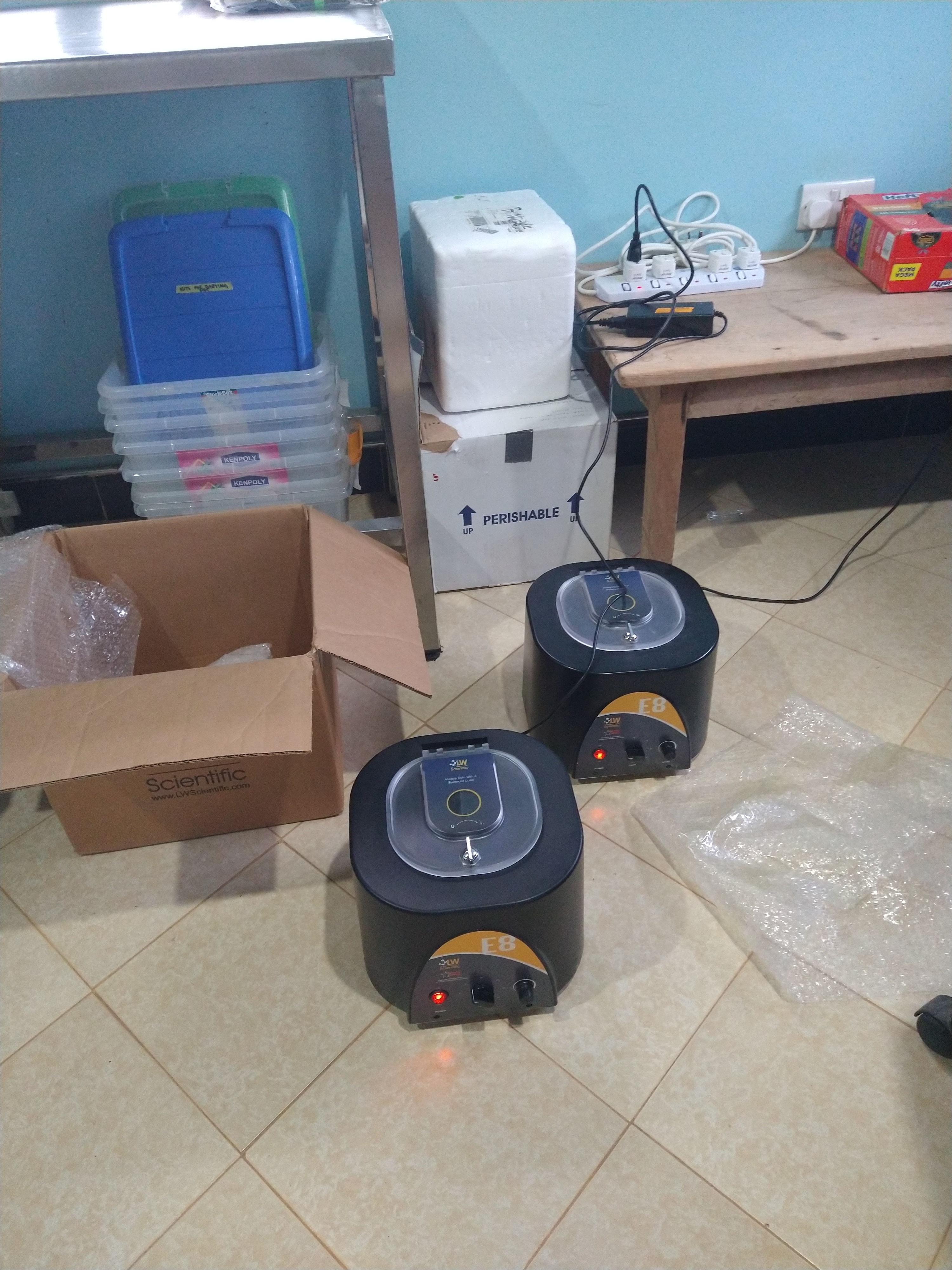
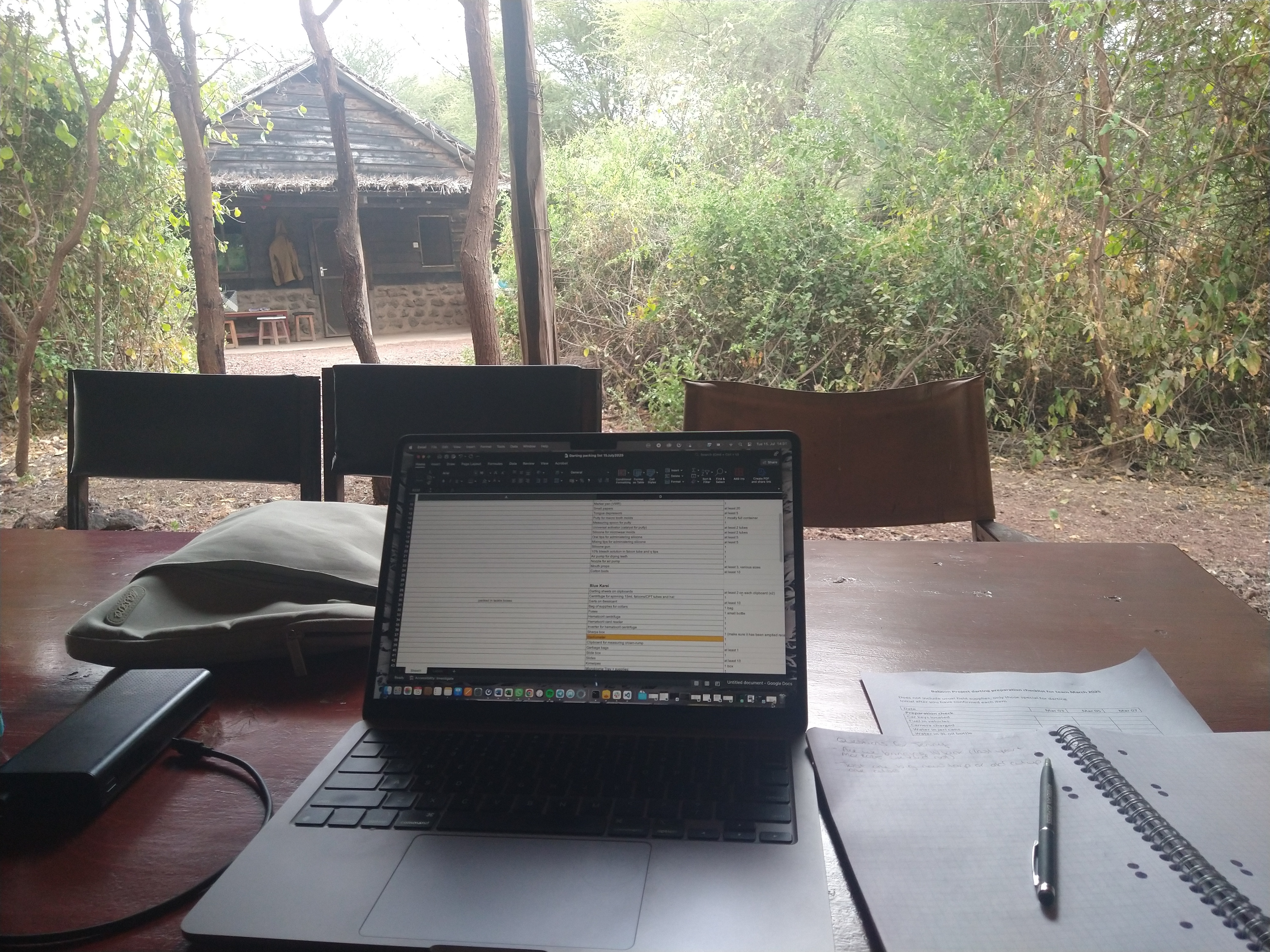
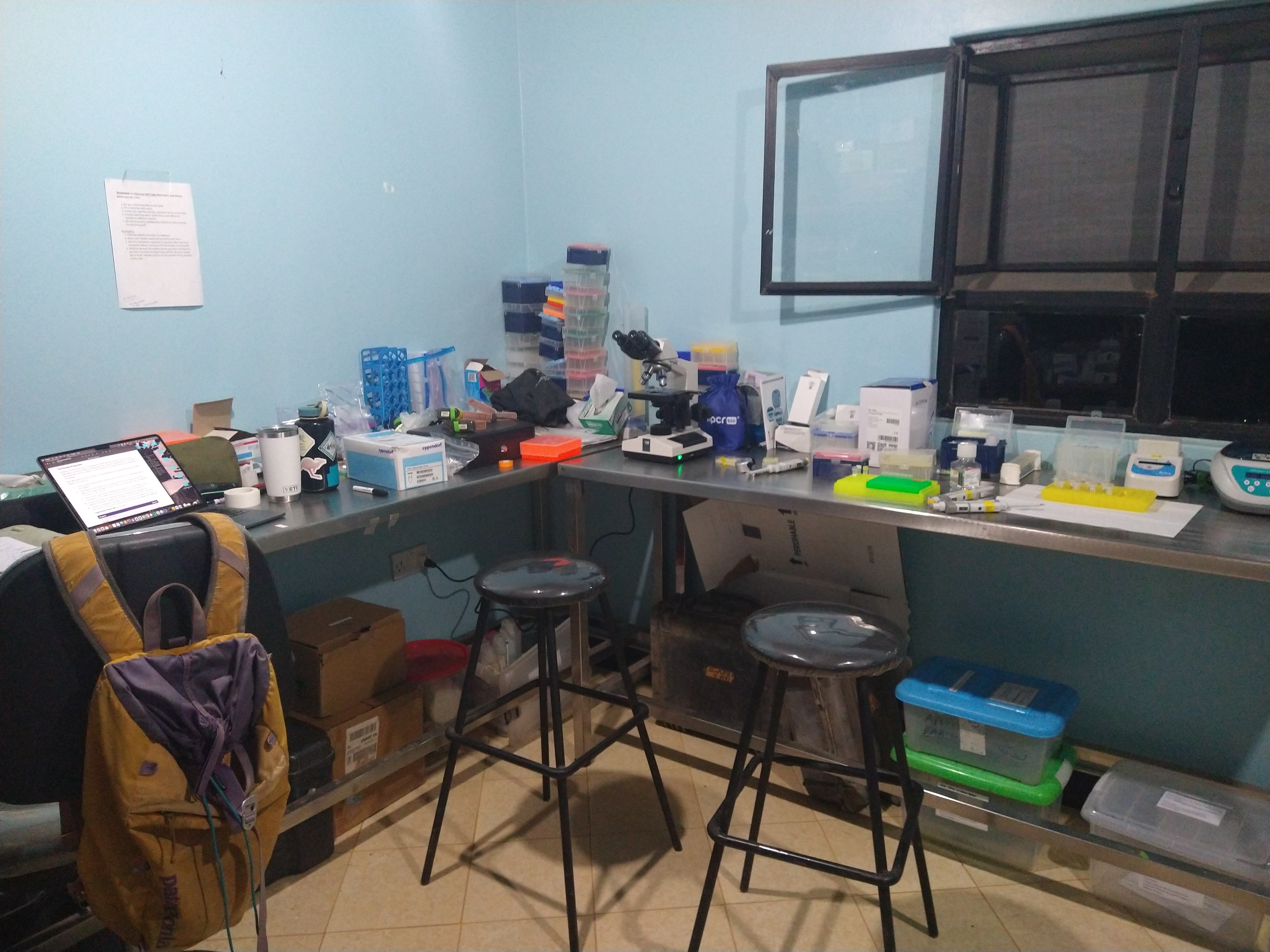
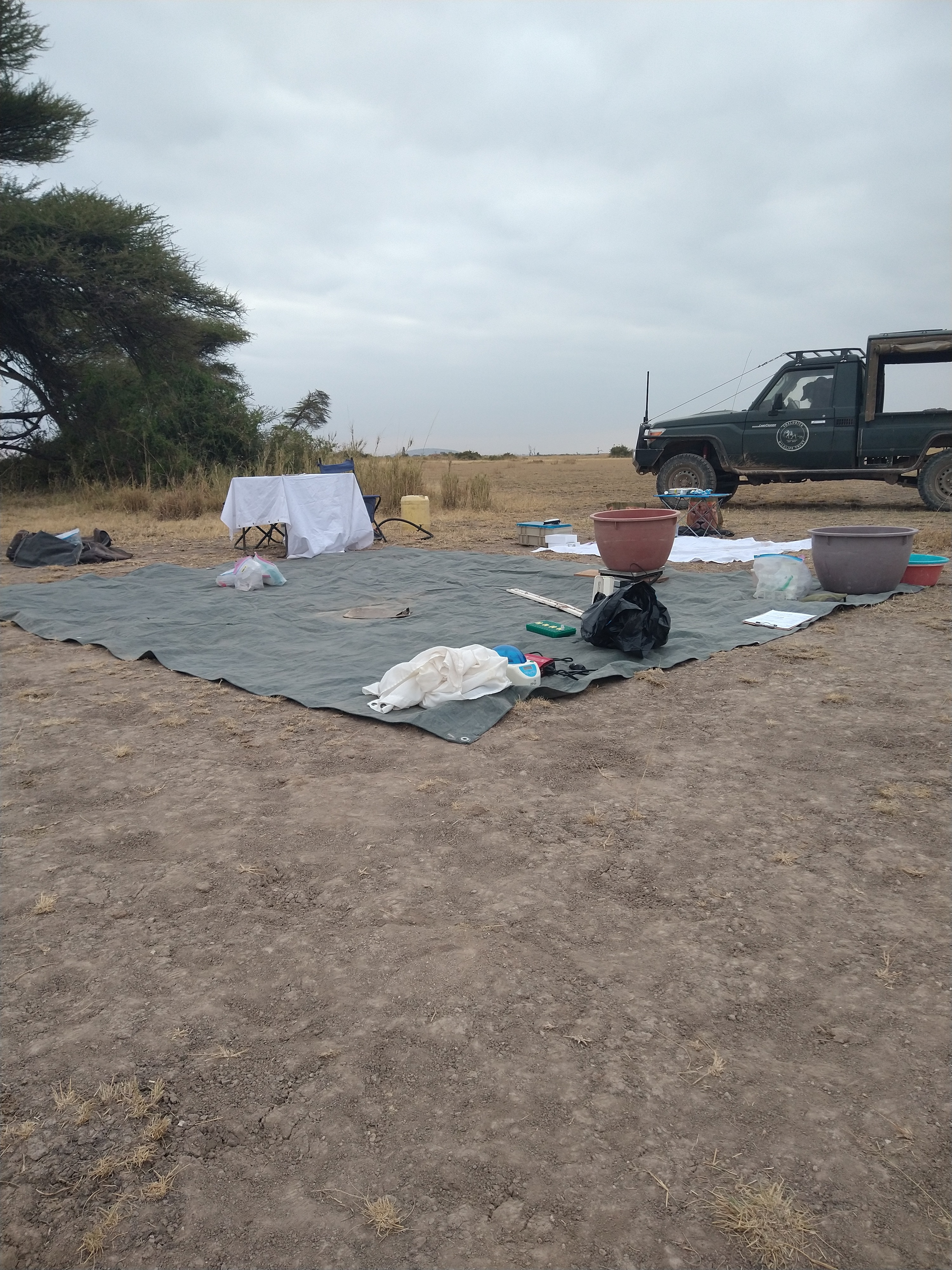
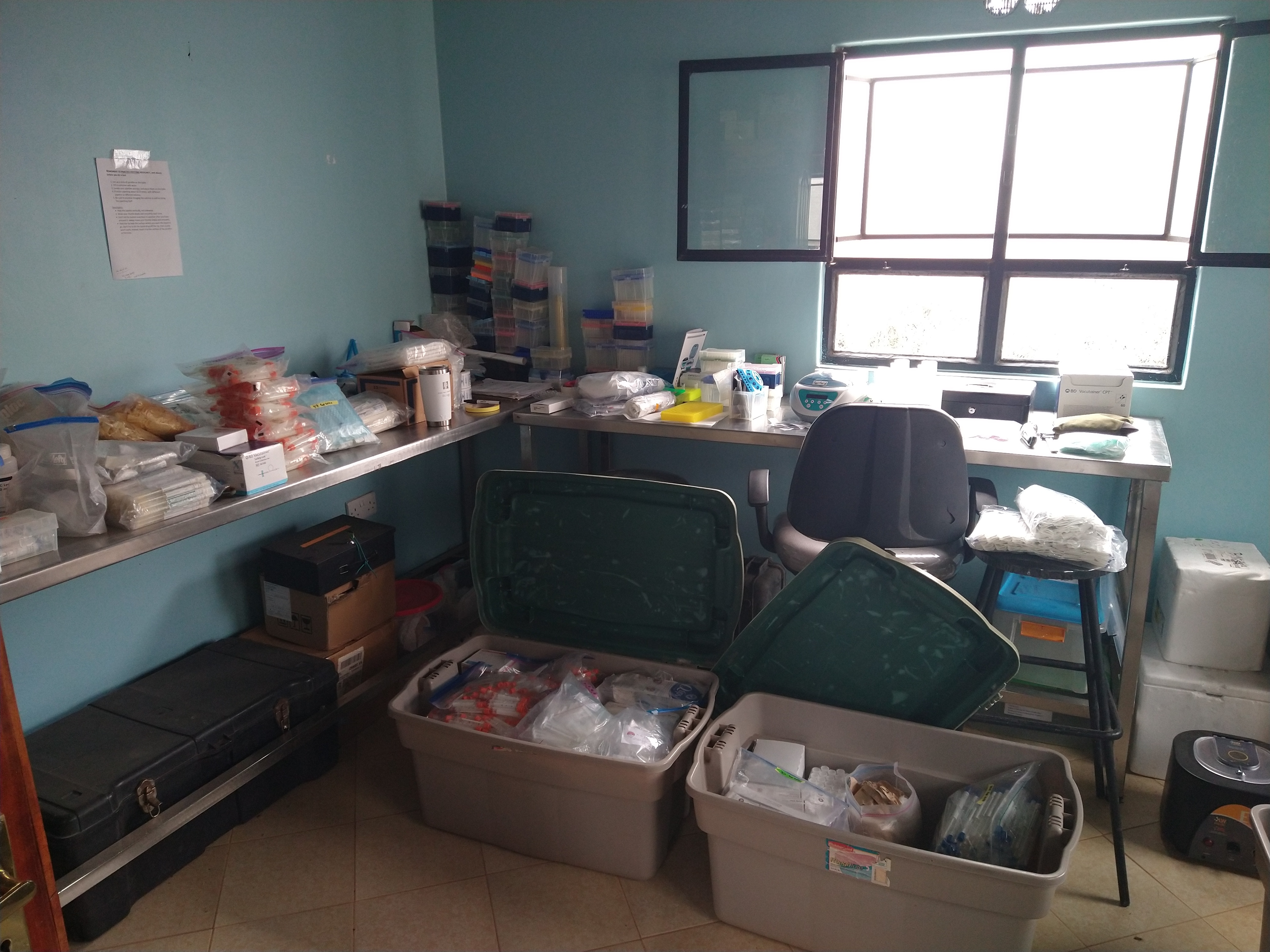
Besides the usual immune challenges and preparation of blood samples for genetic analysis, I was also troubleshooting a new protocol onsite to look at areas of the genome that were opened by chromatin and potentially active. Since open chromatin regions are not so tightly wrapped around the histones of the chromosomes, it’s possible to use enzymes to access and cut these regions for sequencing so we can look at gene regulation for epigenetic research questions. Technological advances now allow for “field ready” kits, but we still had some power issues with a cloudier than usual dry season. I tried this protocol on 13 cell samples collected from baboon blood and am awaiting for the export of these samples from Kenya to be able to continue sequencing work on them here in Germany – to see if it worked!
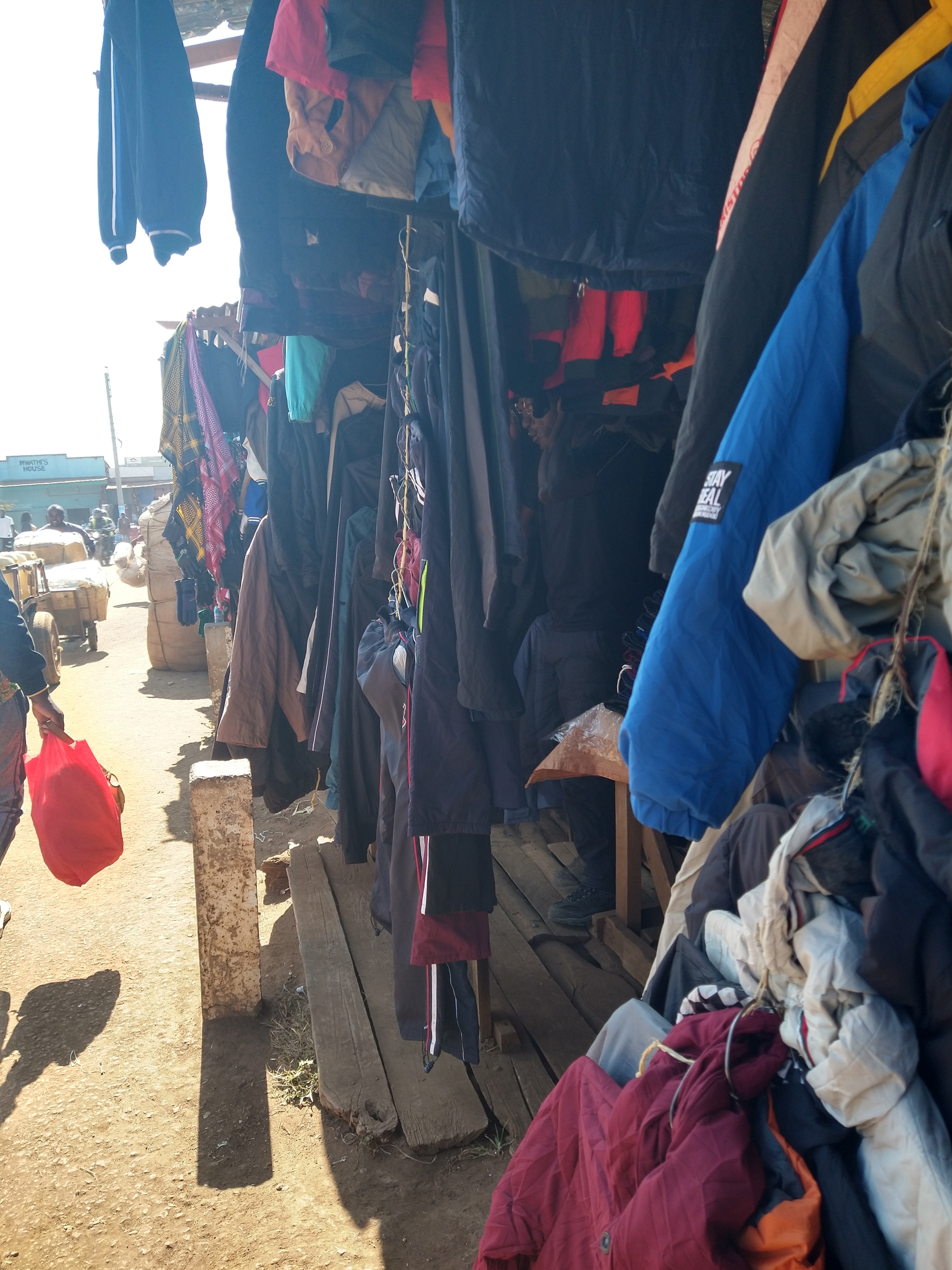
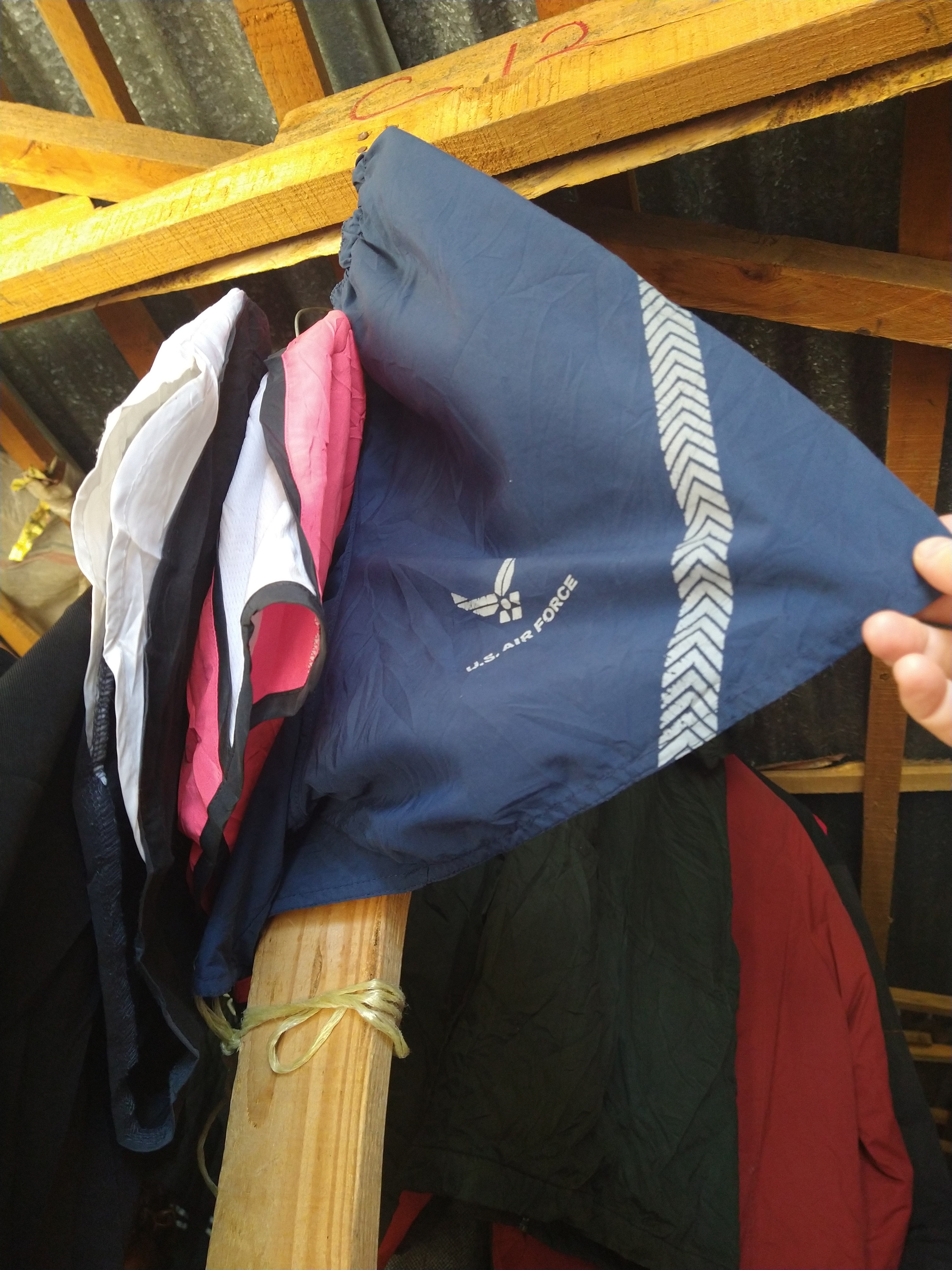
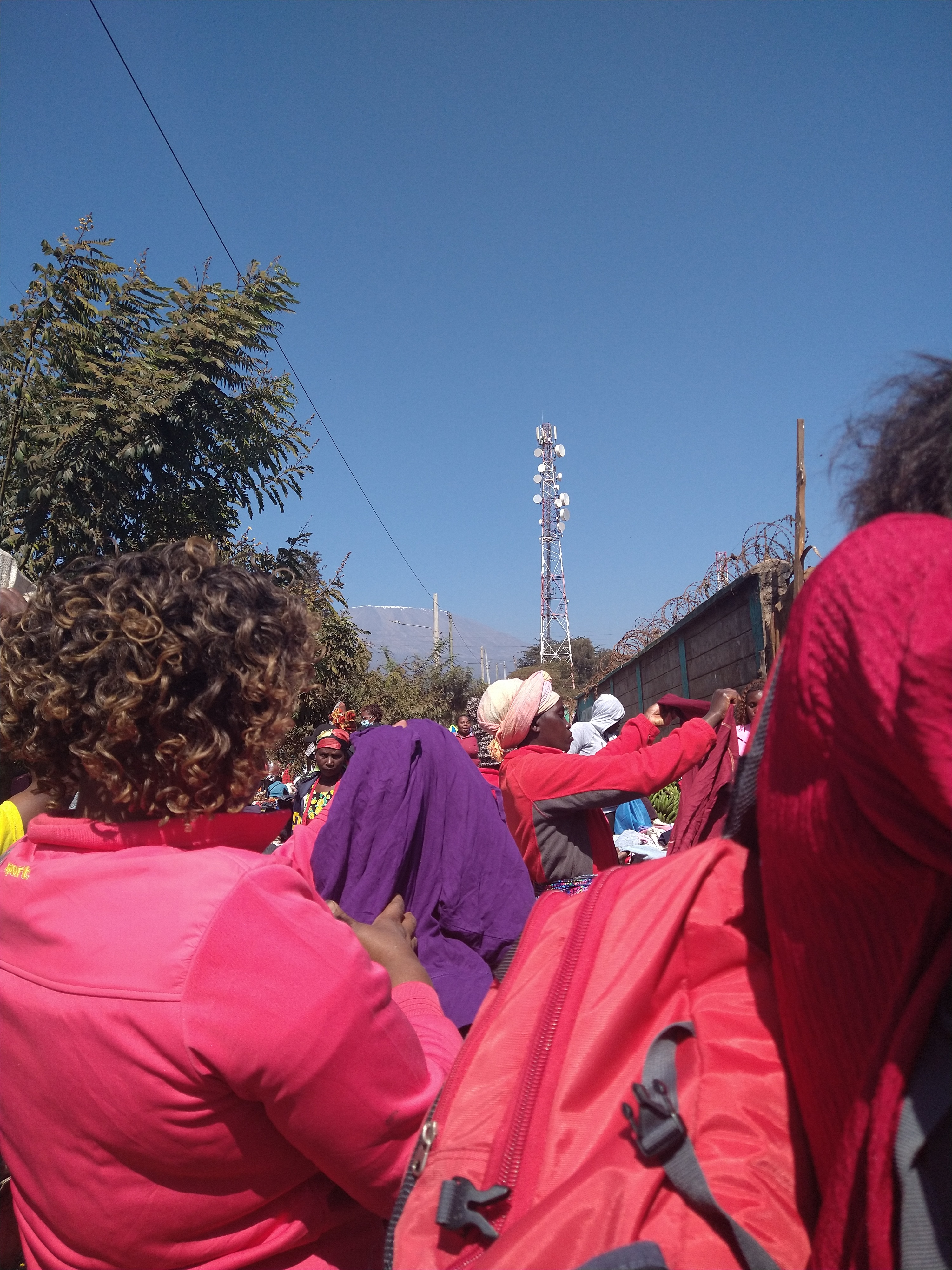
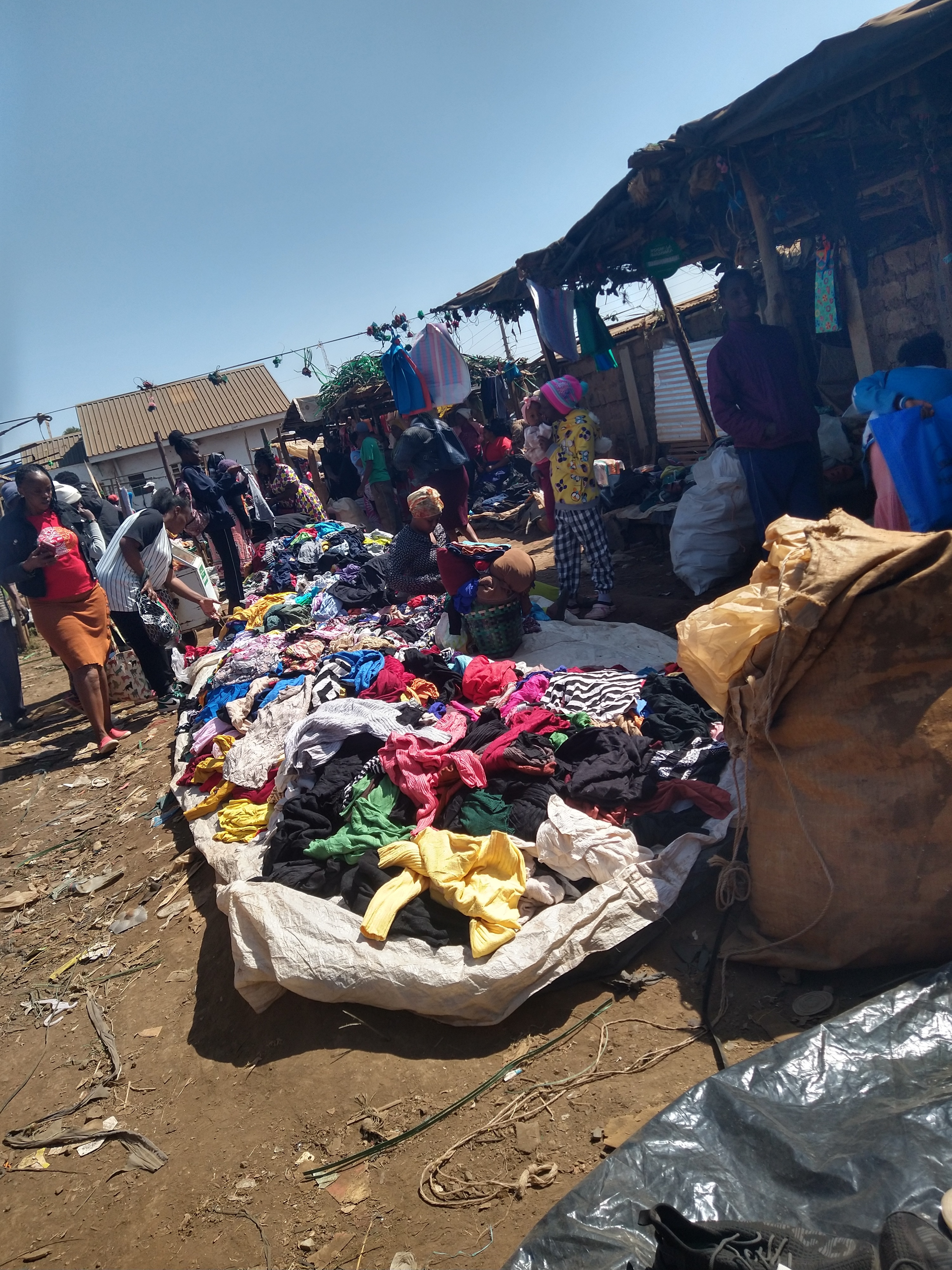
Every Saturday some members of the team drive to the nearest big town, for fresh fruit, tire repair, gas, and meat. Oloitokitok sits right on the border of Tanzania and has a stunning backdrop of Kilimanjaro. I tagged along on one of the Saturday trips to explore the market area while the team collected supplies. The elevation of town was quite a bit higher than Amboseli, resulting in cooler, damp air coming off the mountain. I walked through the clothing market with another technician from camp and was shocked at the amount of clothing heaped in piles throughout the market area. I’ve recently been reading about the “fast fashion” dilema and how literally tons and tons of low-quality, synthetic clothing are being sent to African countries, especially Ghana and Kenya, under the disguise of charity and resulting in these “graveyards” of material. I saw first hand how overproduction and inadequate waste management is turning second hand clothing into a growing environmental crisis. I was oblivious to this until recently and will reflect on my own clothing consumerism and be more aware of this dilema. The bustle of the city made me appreciatitve of the experience, but happy to return to camp later that day.
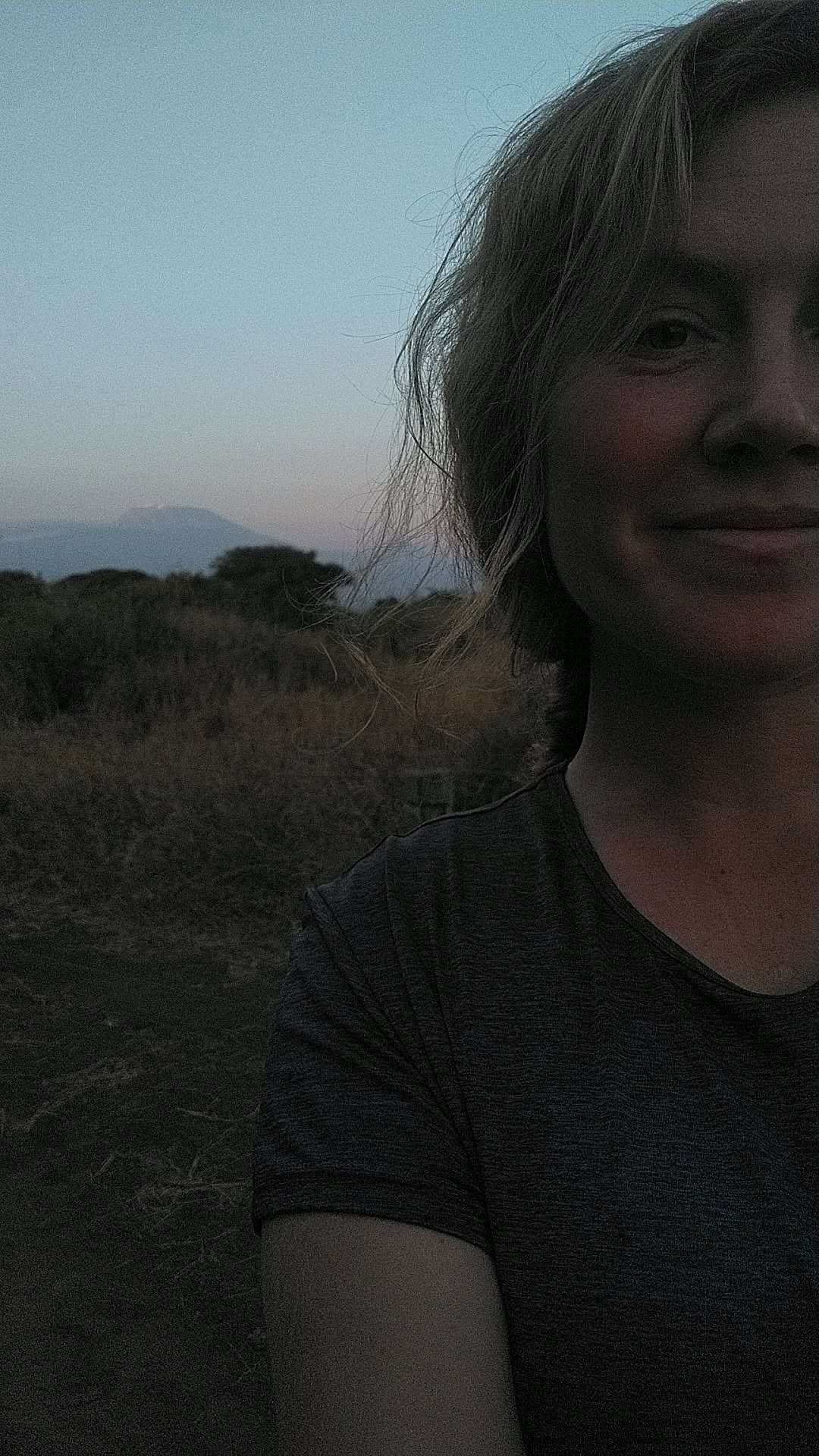
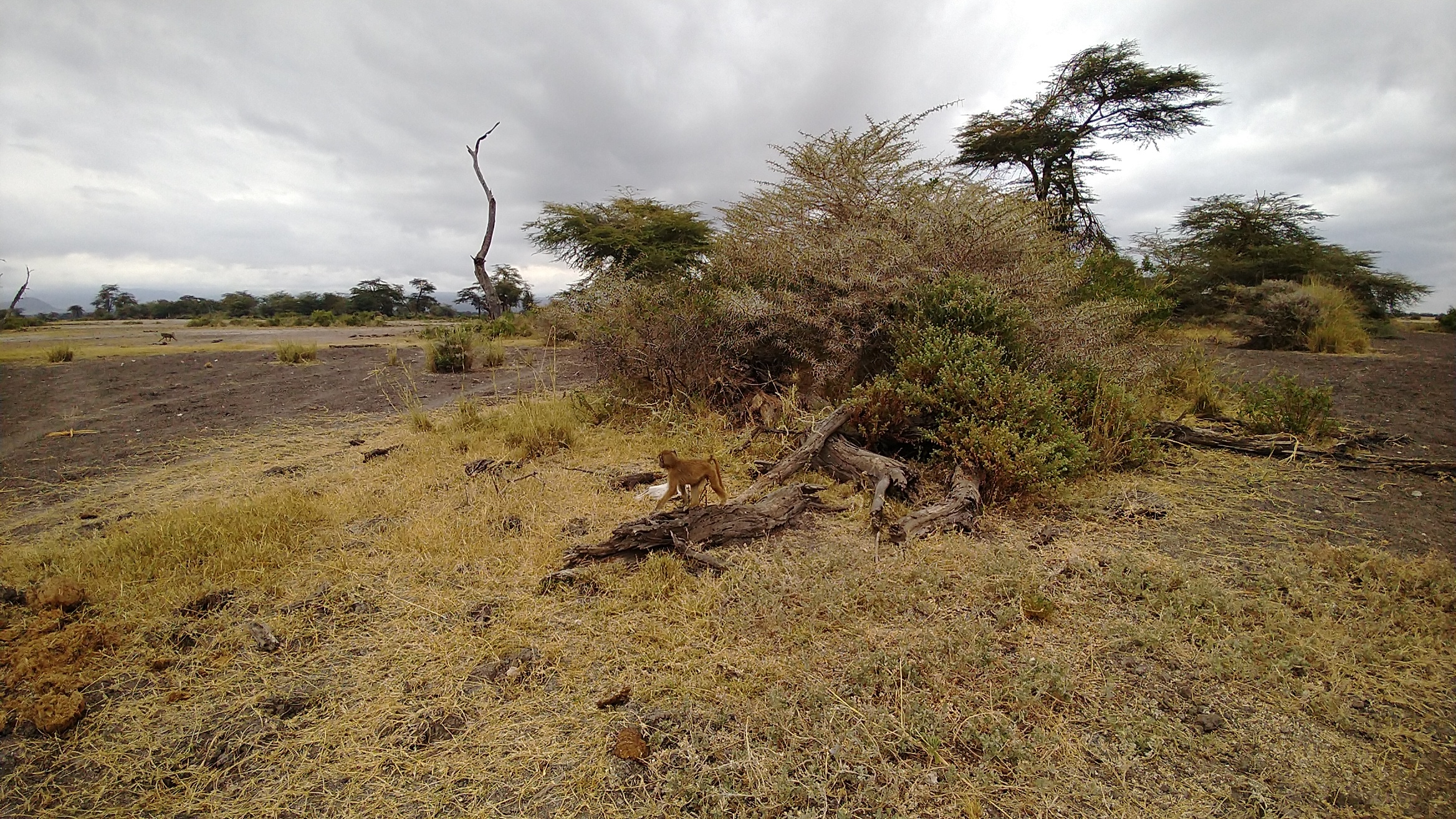
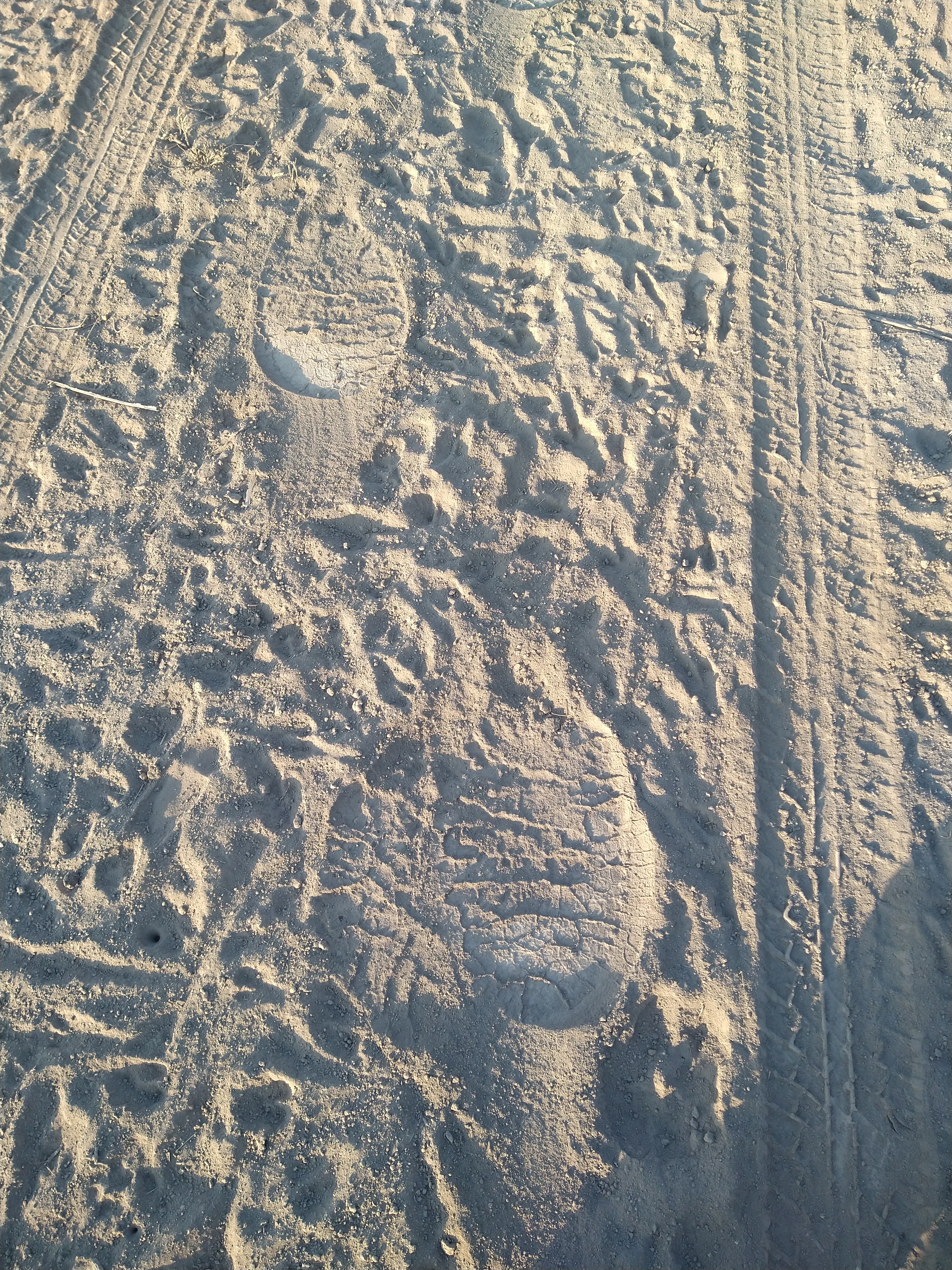
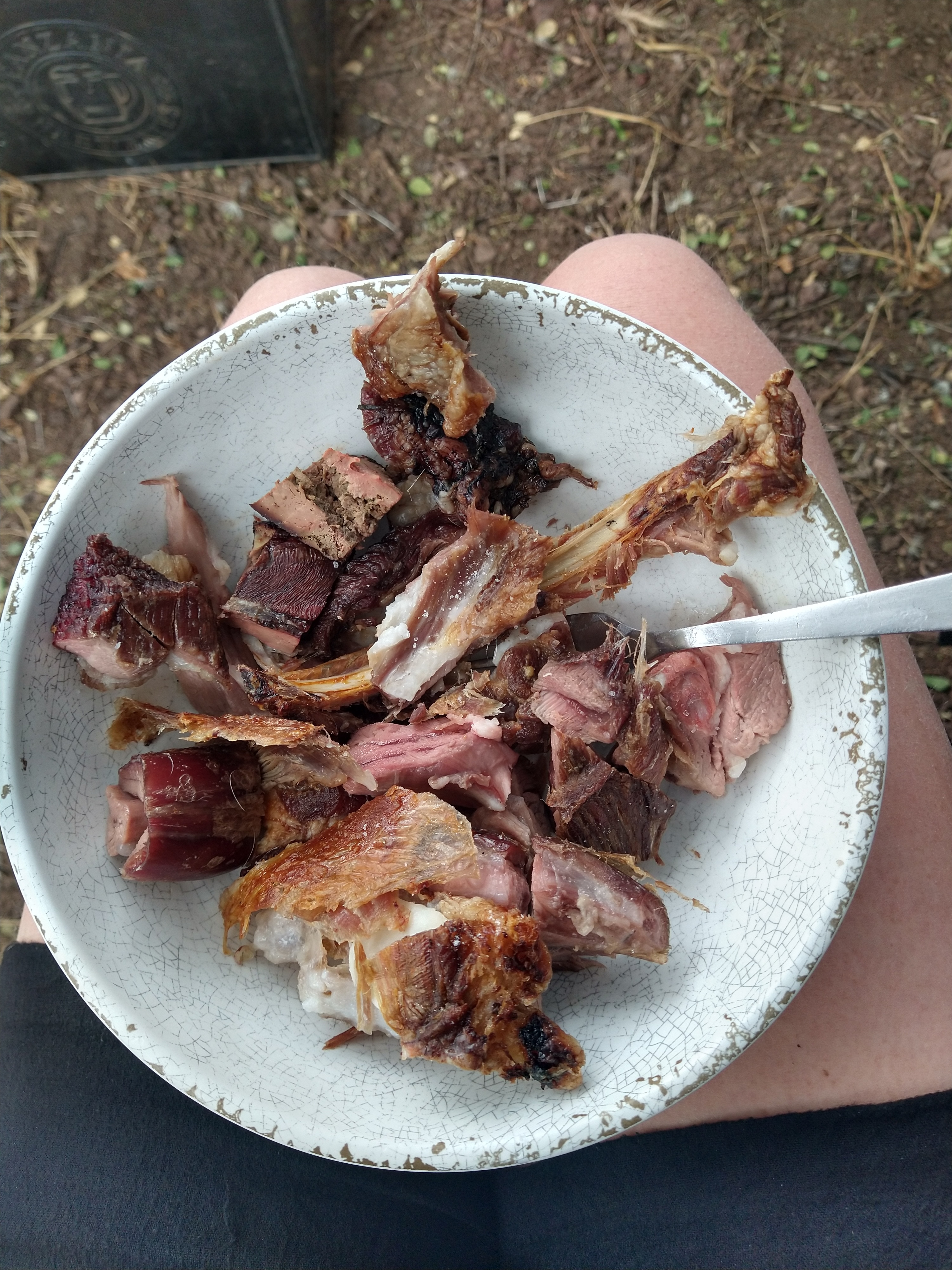
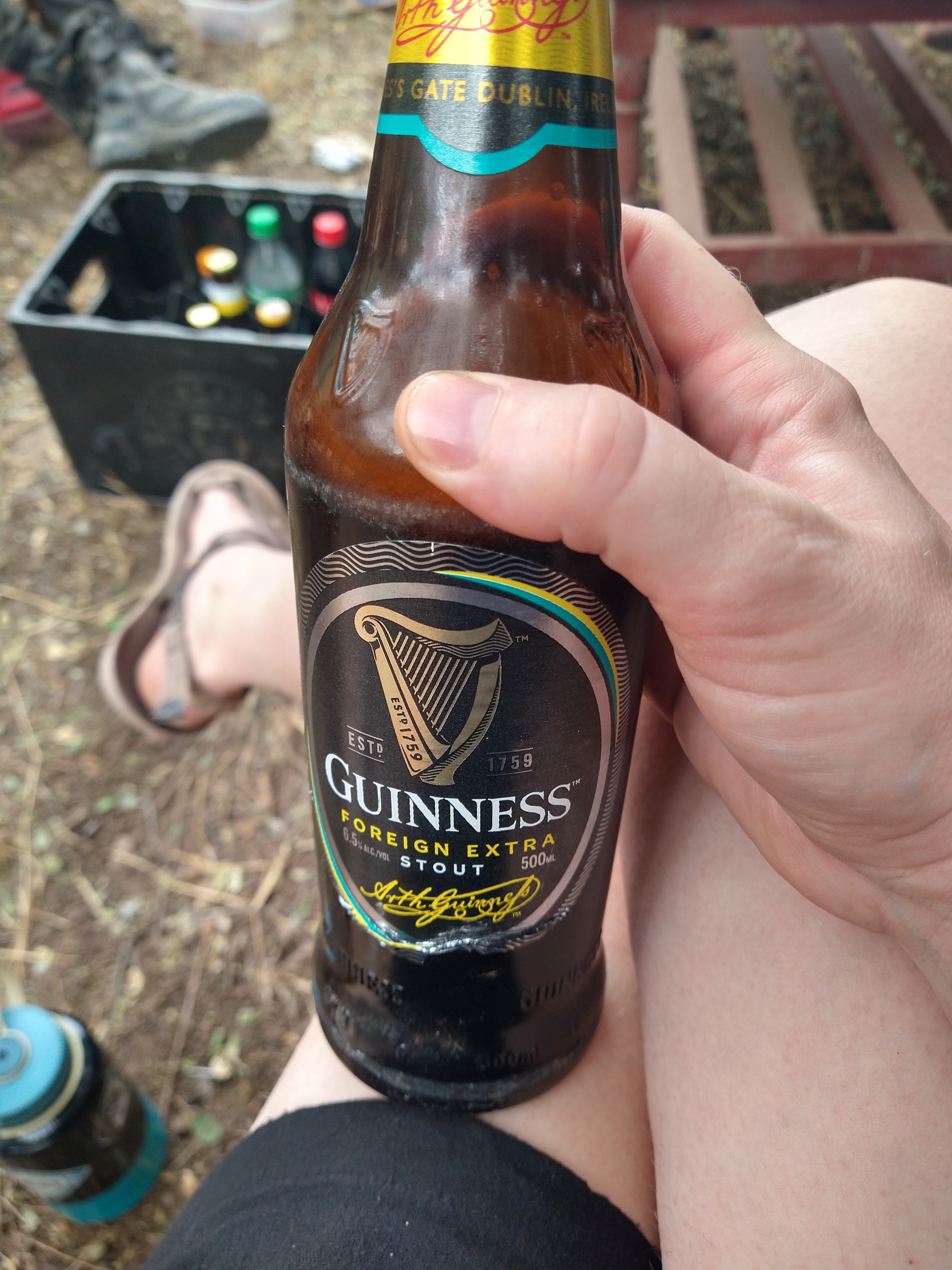
Outside of darting I continued to film the baboons and join the team on their behavioral follows. Finding elephnat footprints in the sand was a treat, though a reminder to always be aware of our surroundings. In my down time, when I wasn’t napping from the early morning wakeups (4:15 AM), working on side projects on my laptop, or organizing my tent, I enjoyed drawing, reading, and walking the perimeter of camp. I absolutely tore through a novel I brought down, and would highly recommend – The Color of Everything, A Journey to Quiet the Chaos Within, by Cory Richards. There could not have been a more perfect place to sit with his words than on the stoop in front of my tent looking up at Mt Kili. The end of darting is traditionally celebrated with the harvest of a locally purchased goat. We enjoyed guiness and fire-cooked goat meat to wrap up the season.
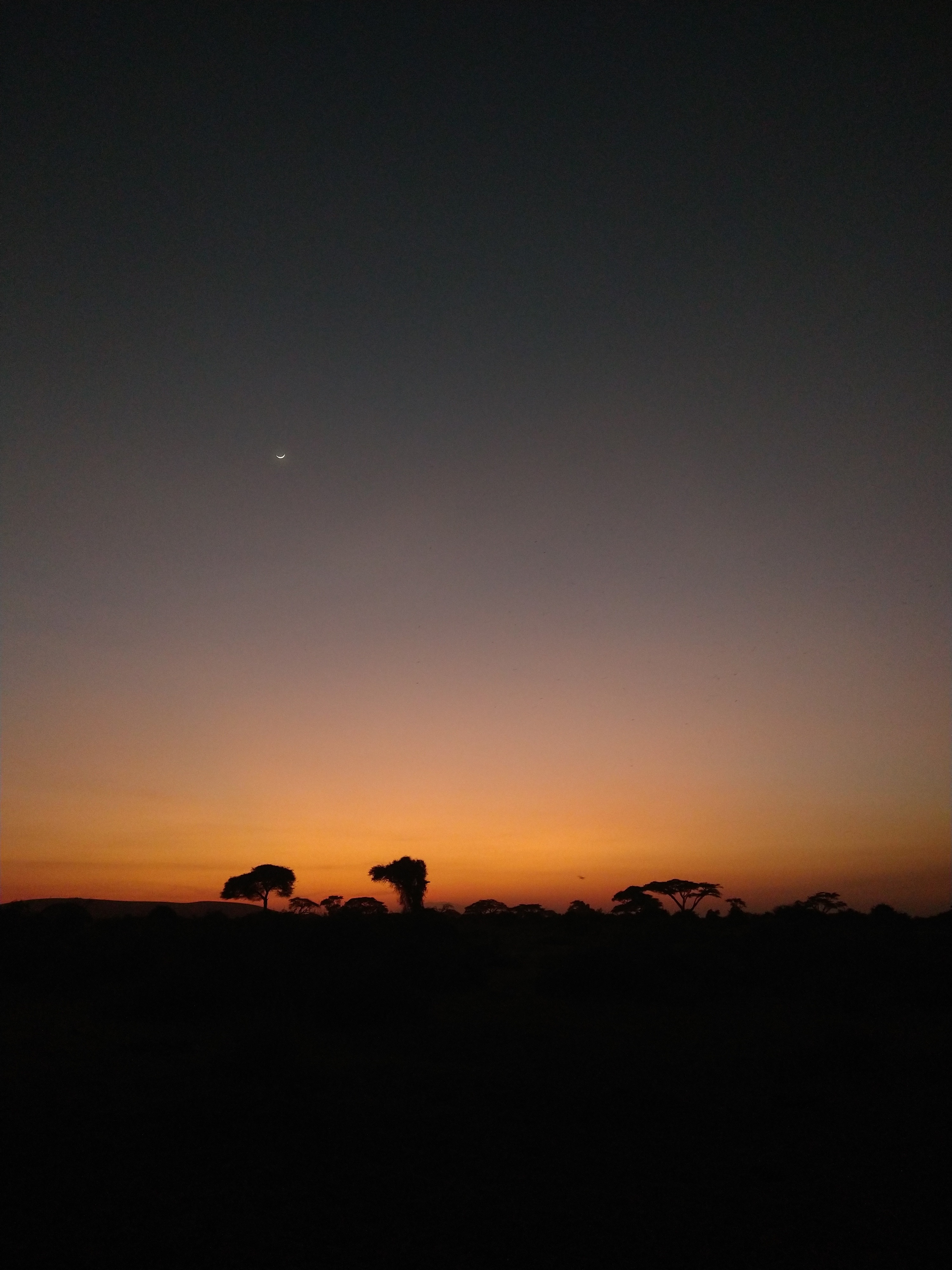
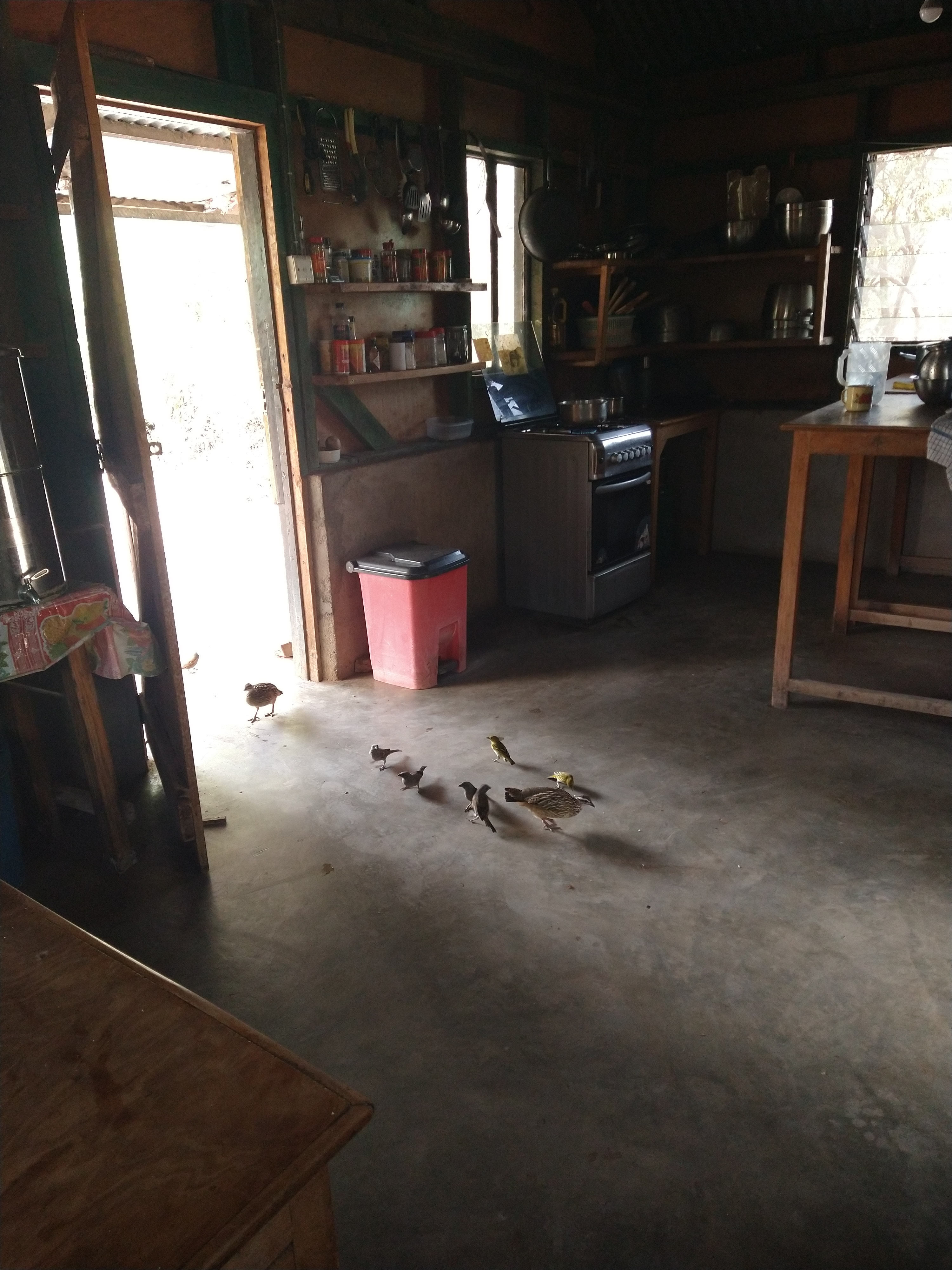
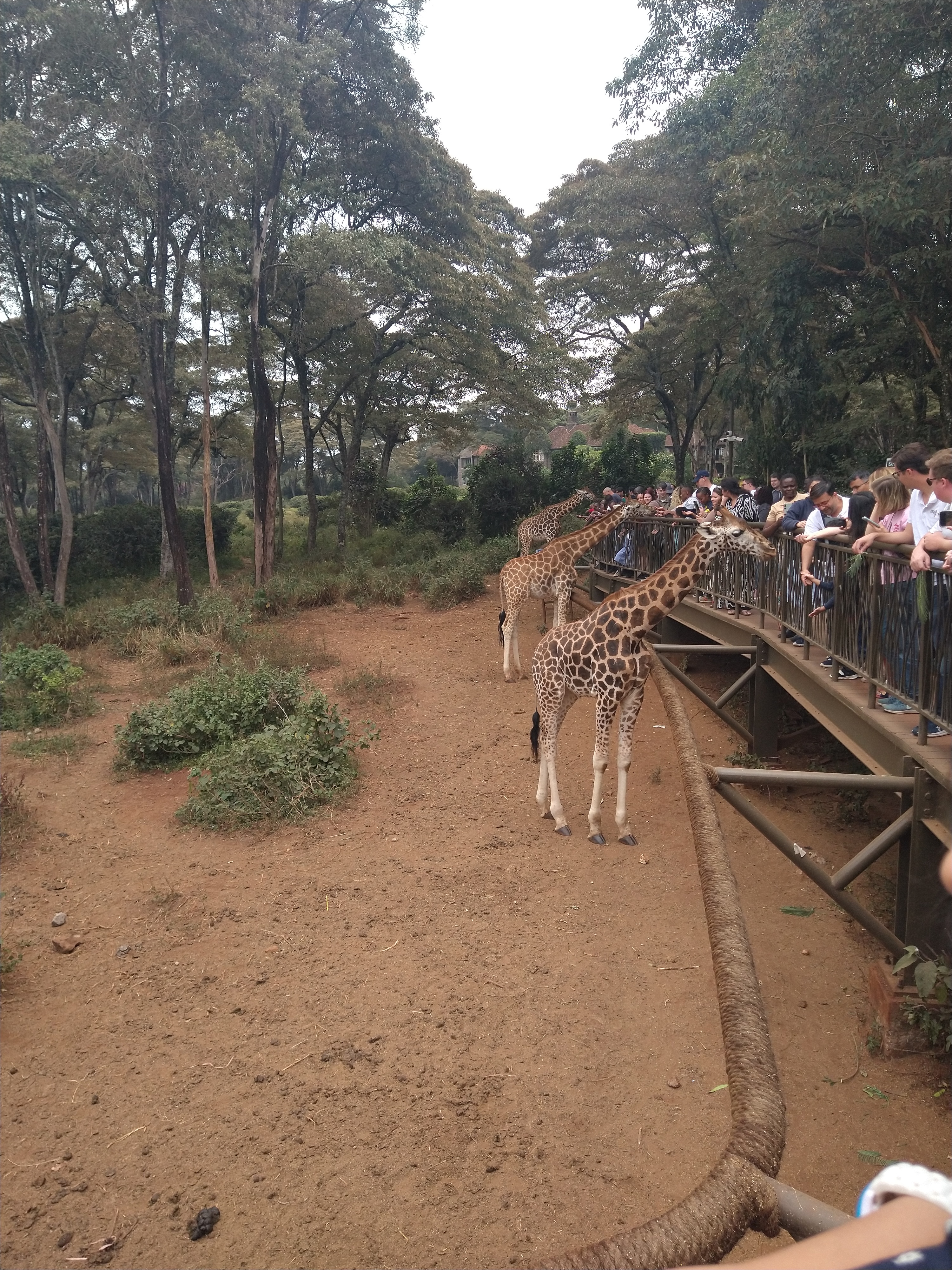
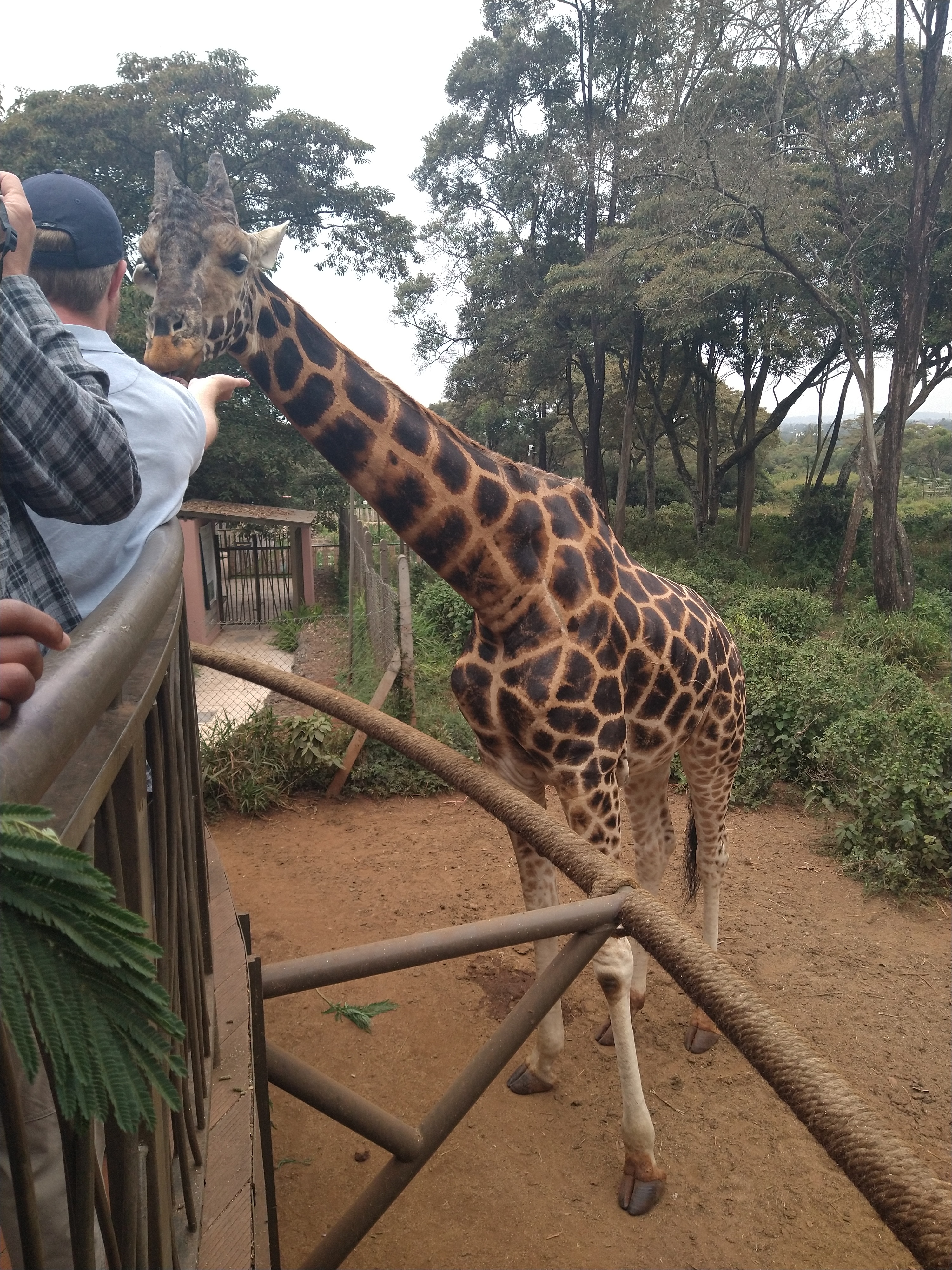
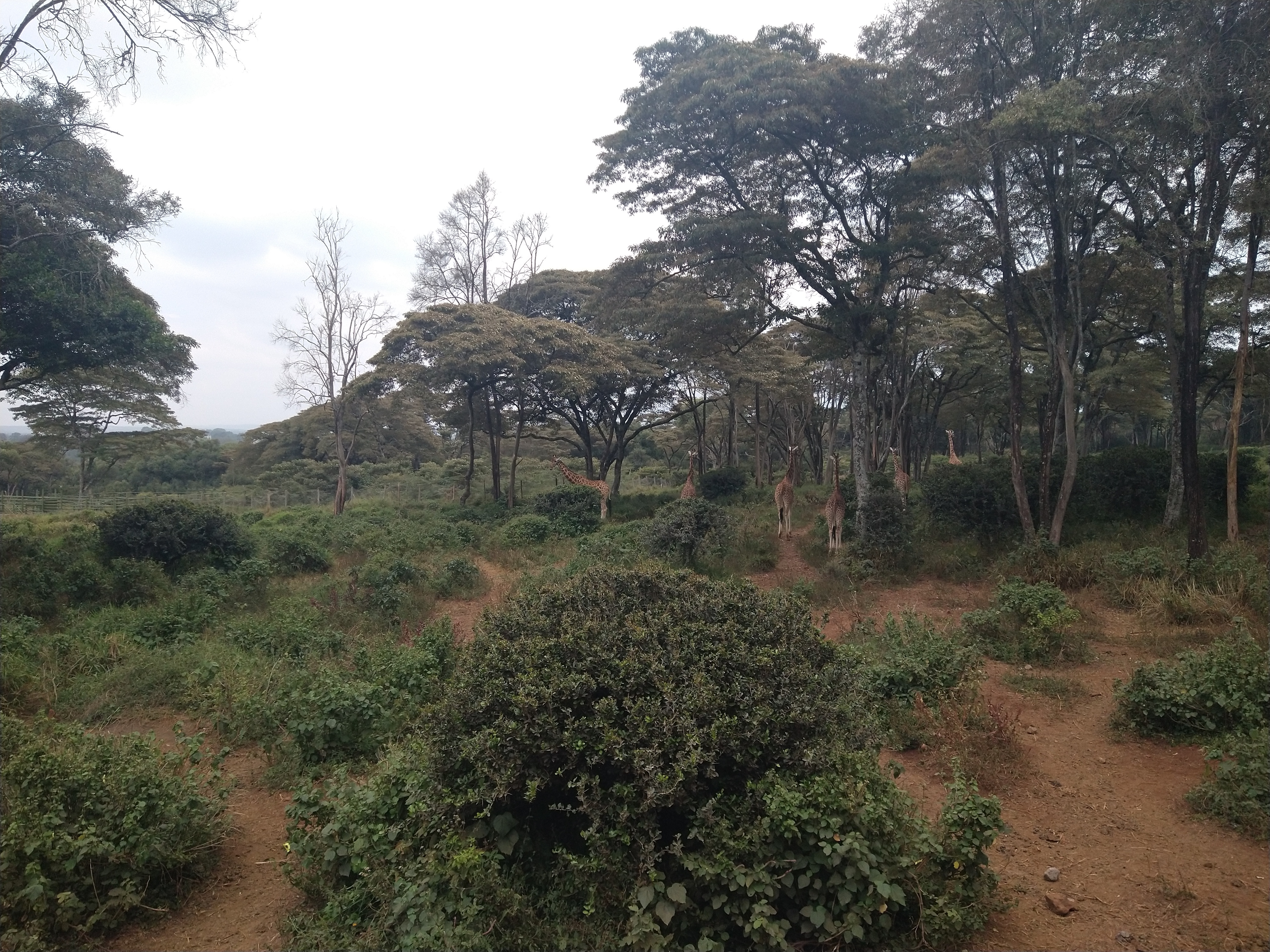
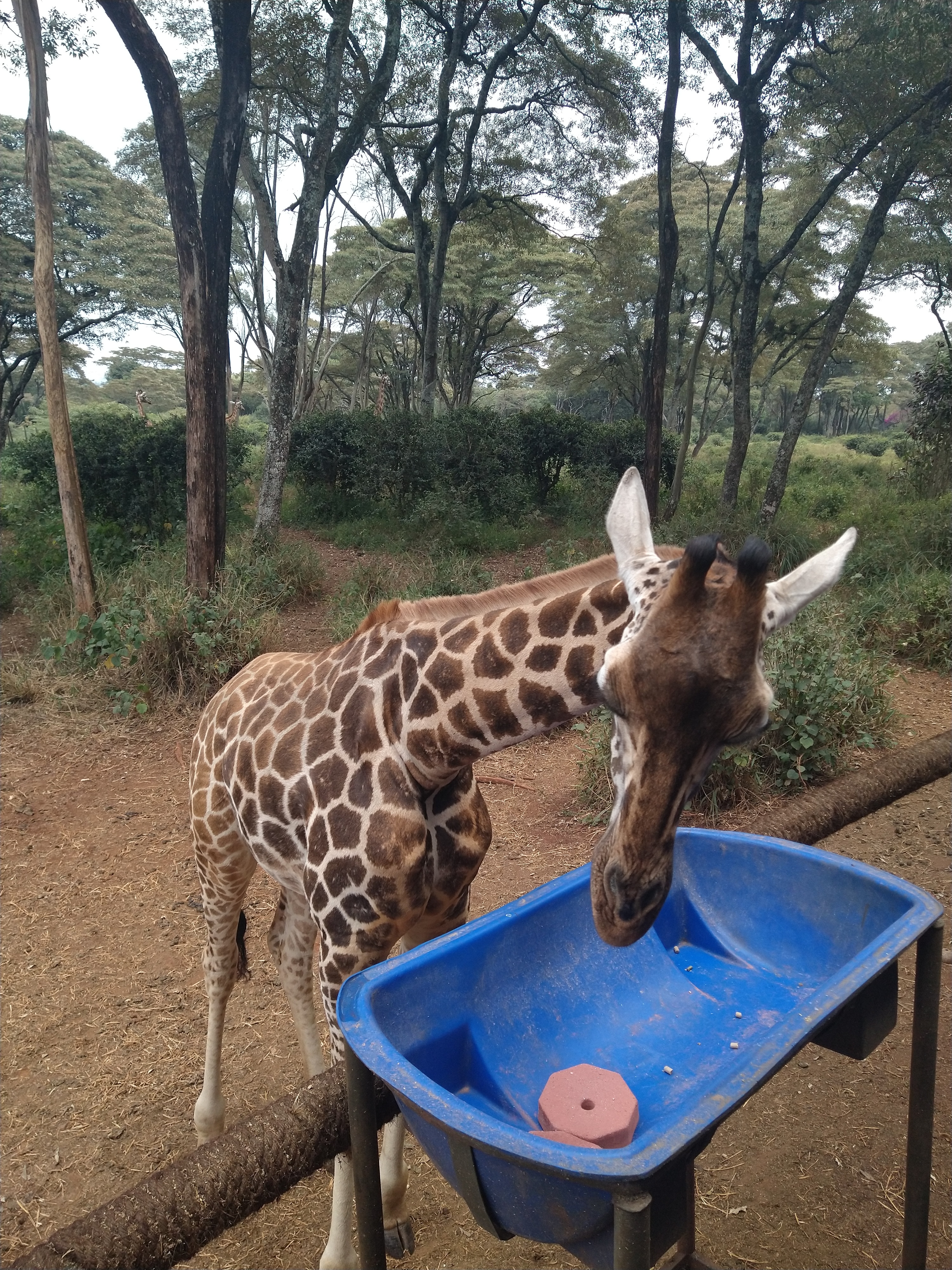
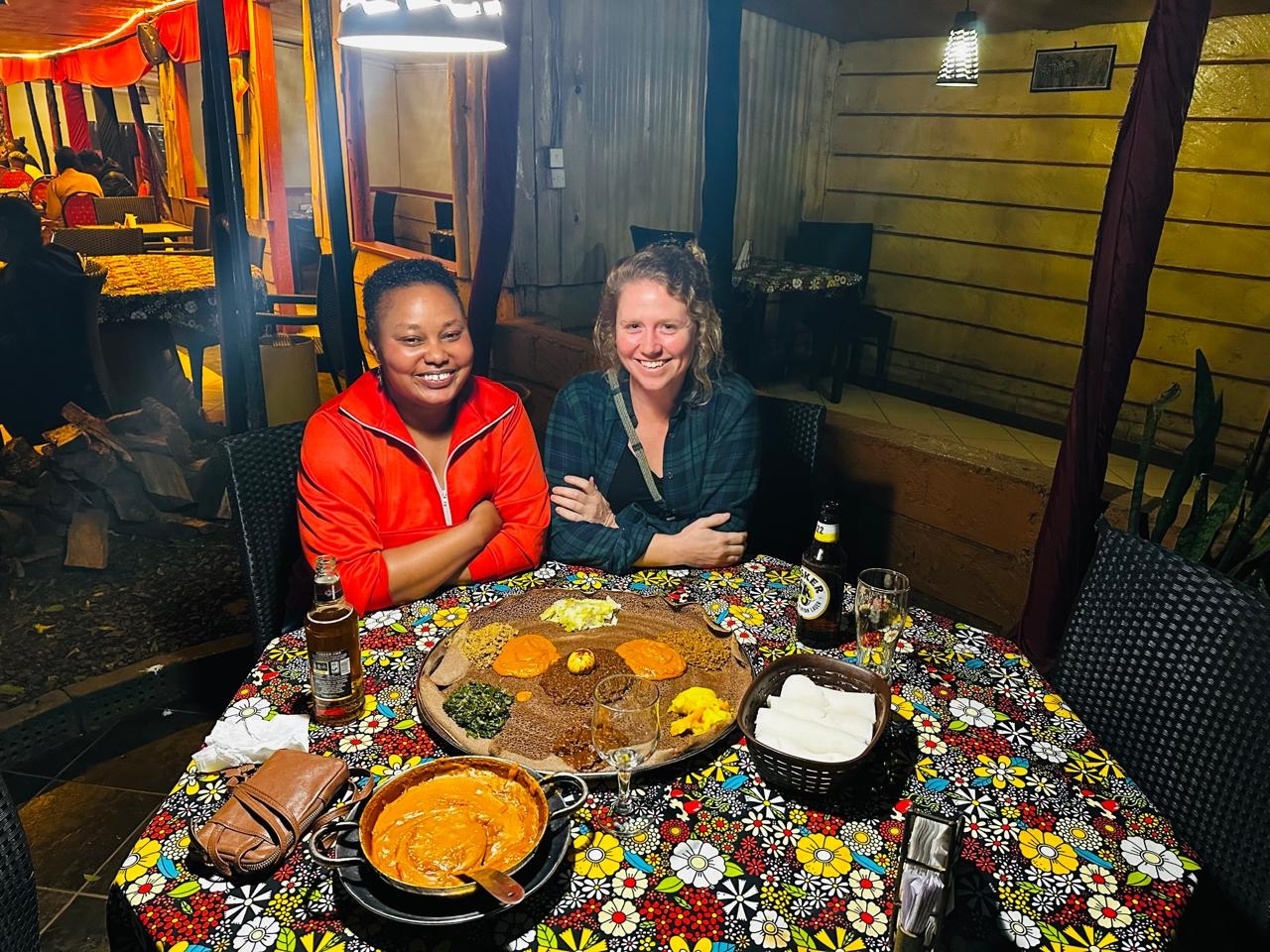
Back in Nairobi, I had a few days to explore and decided to check out the Gifarre Sanctuary. It was cool to see giraffes up close, but at the cost of being in a throng of people on an overlook to the giraffe enclosure made me realize the sightings in Amboseli were far more valuable. Still, giraffes up close are pretty cool. I later met my friend for delicious Ethiopian food before heading back home to Germany. During this trip, my employer and I discussed the entension of my contract and I am happy to report that I am now permanently employed in the Max Planck Institute of Evolutionary Anthropology, Department of Primate Behavior and Evolution 🙂 I look forward to the coming years of continued field work and traveling around the world following primates, and other amazing wildlife!