
I found myself lost in the stars, I can never get over the night sky in the Kalahari. The Milky Way streaks across inky blackness, only tonight it’s slightly less juxtaposed from the growing light of a waxing crescent moon. It’s a Saturday night and I leave the sounds of a weekend party in the farmhouse behind me as I wander somewhat aimlessly along the roads of the reserve. Soft indie rock is plugged in to one ear, the other ear is listening for dwellers of the night. I am definitely showing (and feeling) my age, but I’m perfectly happy with it. My 30’s have brought a calmness that my 20’s would have rebelled against, yet I’m more wild and free than I ever thought was possible back then. My night walks ground me whether it’s from trying to read the stars for clues on what’s next for me, or feeling the sand beneath my feet reminding me I can always trust my heart to lead me in the right path.
I’m working a very brief stint at the mongoose research center in the Kalahari, my fourth visit here now, and my shortest. My main goals for this field trip include training a South African master’s student on genetics and molecular techniques at our onsite laboratory, piloting a new protocol to cryopreserve meerkat pbmc’s (peripheral blood mononuclear cells – i.e. white blood cell types) in a way that we can perform single cell sequencing, and ultimately, exporting hundreds of samples collected over the years on the reserve to Europe for analysis. The latter being the most difficult as the permits, veterinary letters, and bureaucratic logistics are out of my control. We applied for the permits in January, and I received confirmation that they’re valid the day after I arrived at the reserve. But that’s just one part of the puzzle, I still need a veterinary letter signed by the state vet in the Northern Cape, and wait for the import permits to get sorted in Germany. It still feels like a long road before I can literally hit the road in a rental car and drive the samples on dry ice from Upington to Johannesburg, about a 10-hour drive.
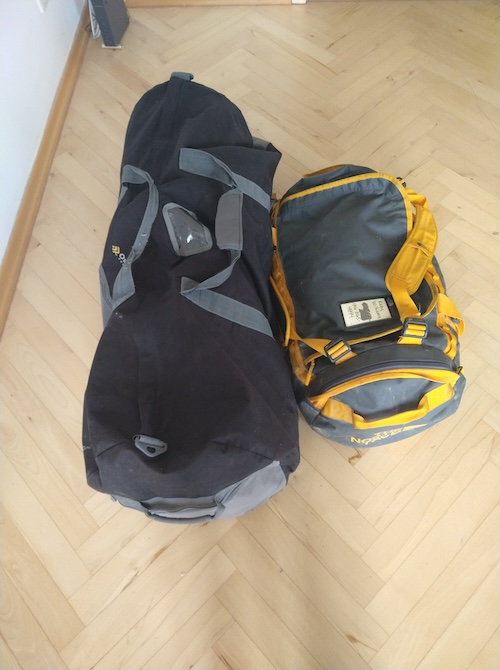
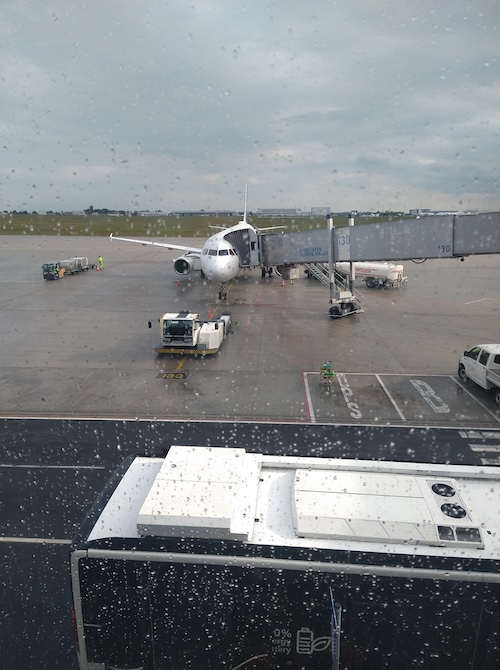
I was relieved that my luggage made the long journey from Germany to South Africa, and that my science stuff stayed frozen. I arrived in Upington about 24 hours after I left my flat in Leipzig. The dusty town sits along the Orange River and I booked a guesthouse for the night with a view of the water. I got picked up from the tiny airport in a funny little truck where a man with broken English sprinkled with Afrikaans gave me a quick tour of the town. I pretended that I hadn’t seen it many times before. The truck smelled heavily of cigarettes and as he spoke in heavy breaths I found the source. It was a quick night in the guesthouse, then I was picked up on the town trip to travel the final 3 and half hours to camp. The first thing I noticed upon arriving was how tall the sour grass was, I had heard it was a really wet spring, but I had never seen the grass so high!

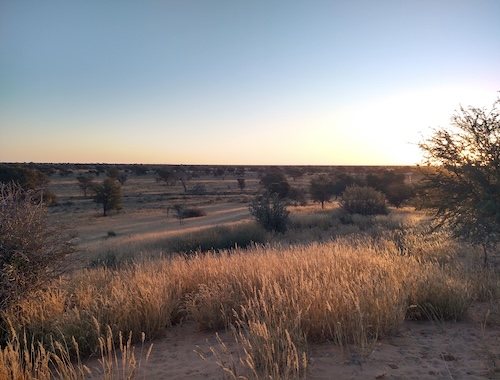


The days flew by training the new MS student, as well as the technician I trained last year in cell culture who decided to stay an extra couple of weeks to gain experience in genetics. We met in the lab around 8 AM, brewed a big pot of coffee, worked in the lab until 1 PM then took a quick lunch break, met back at 2 PM and worked until I started to get antsy to catch the sunset from the fire tower or riverbed.


By the end of the day my voice would be raspy from teaching/explaining all of the steps involved in our protocol. It’s a similar protocol to the baboon genotyping I’m working on in Kenya however, since the meerkats have a higher rate of inbreeding, more microsatellites need to be genotyped in order to get the resolution we need to calculate relatedness between individuals. We are especially interested in mixed litters in the meerkat groups. Typically, the dominant female is the only meerkat to give birth in her group, she will actually harass her daughters to the point of eviction if they get pregnant. However, sometimes multiple pregnanices happen and if both female meerkats give birth at the same time, the dominant female will not be able to distinguish whose is whose and all of the pups will be able to live. Yes, the dominant female will kill her daughter’s pups (so her grandchildren) if she can tell they’re not hers. Meerkats are cute but they are also the world’s most murderous mammal. With such a wet spring and lots of resources, the meerkat birthrate is booming this year. And, there are quite a few mixed litters. This makes the sequencing project relevant to genotype all of the pups and see just how many mixed litters there are!


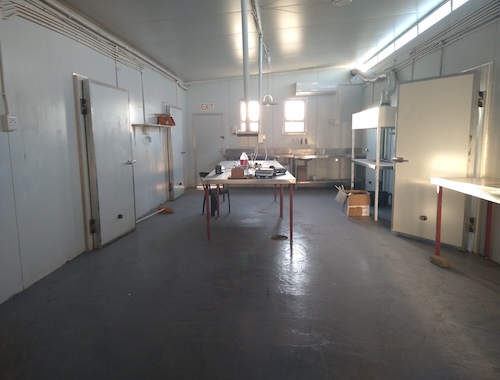
I had prime students to teach and though our days were long and it was a lot of information to dispense and retain, we accomplished it in high spirits. I usually work in this lab alone, so it was really cool to have a team and work together! I put the lab together (assembled lab benches and tables and purchased equipment) back in 2020. Pictured below is when everything was constructed and I had no idea just how much usage the lab would have in the future!
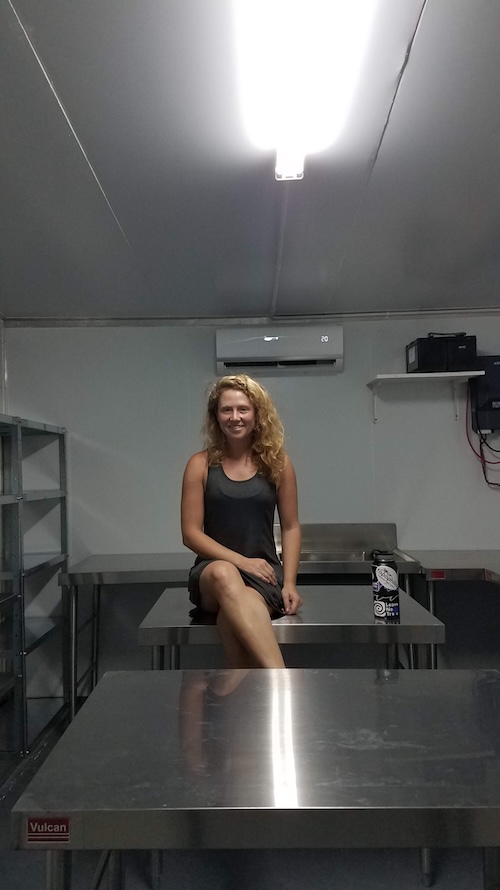

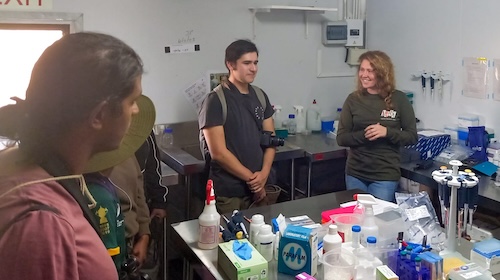
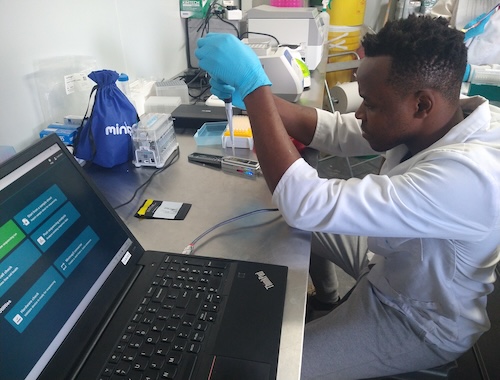
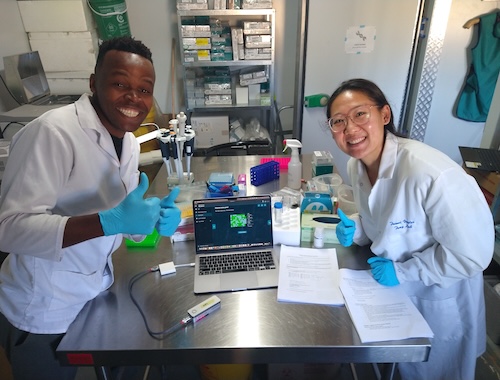
The molerat lab has shut down and it was quite a different vibe now that it’s empty. I was asked to make a video in 2019 for the University of Chicago’s women in STEM meeting. It’s a bit cringy to watch now but it shows the once bustling molerat lab. Soon the building will be converted to office space, so I’m sure a new vibe will develop.

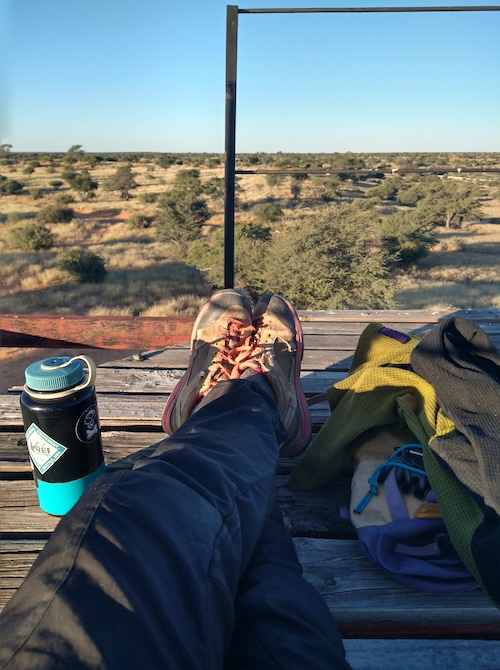
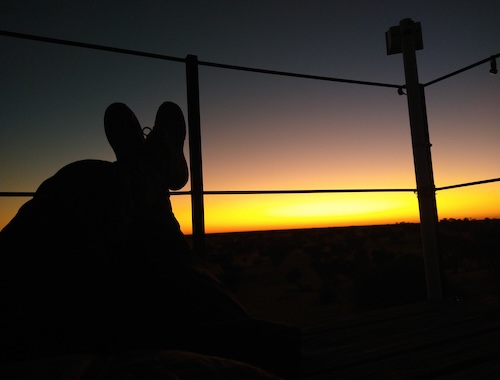
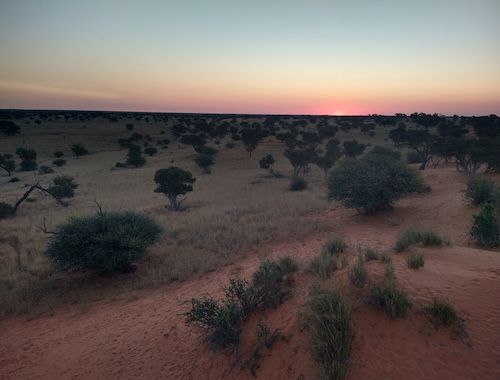
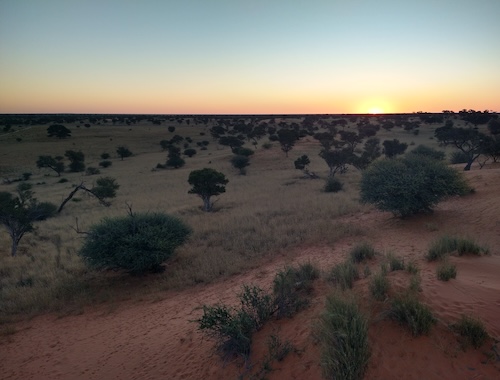
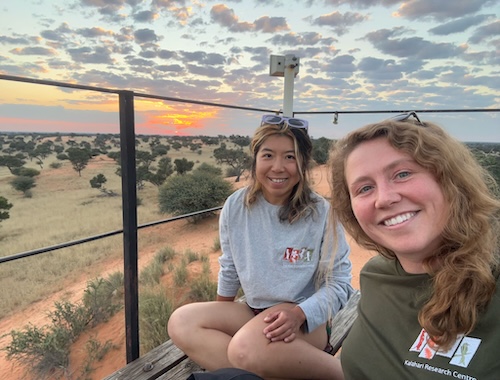
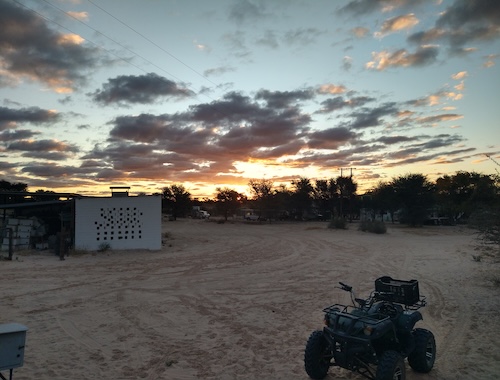
Each evening I tried to make it in time to perch on the fire tower and enjoy the best sunset view that the reserve offers. Most of the time solo, sometimes with KMP friends. When I was alone I’d often linger until I could catch the constellations, scorpio of course being my favorite.
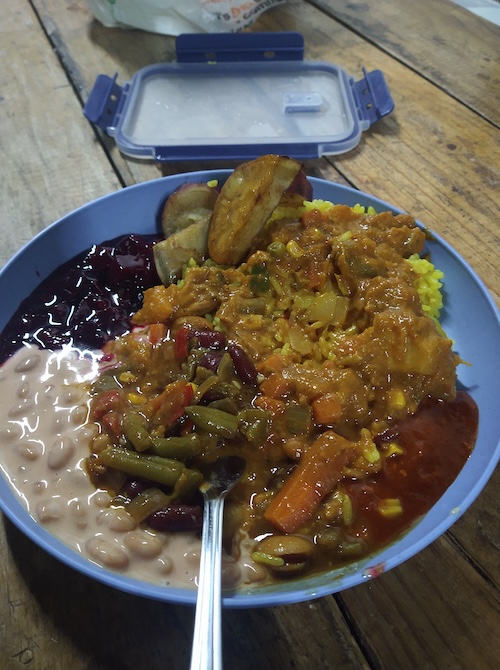
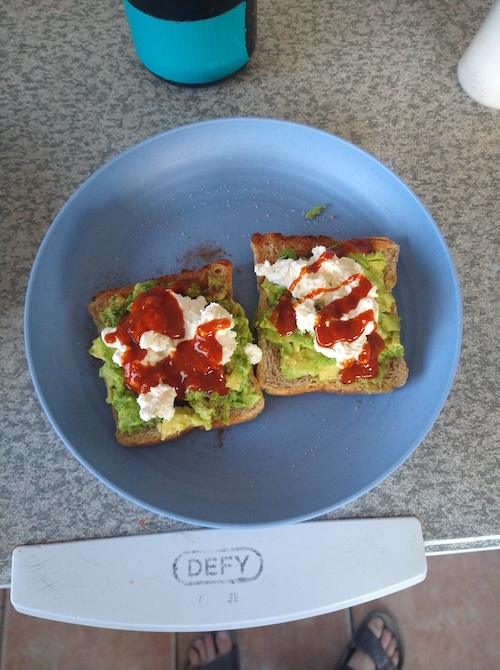
We now have a new chef in camp and I was amazed at the quality of food that could be cooked in our field kitchen! We had tacos, various game meat dishes, of course vetkooks, some curry dishes, and other plates that I did not know what they were but they tasted good (:

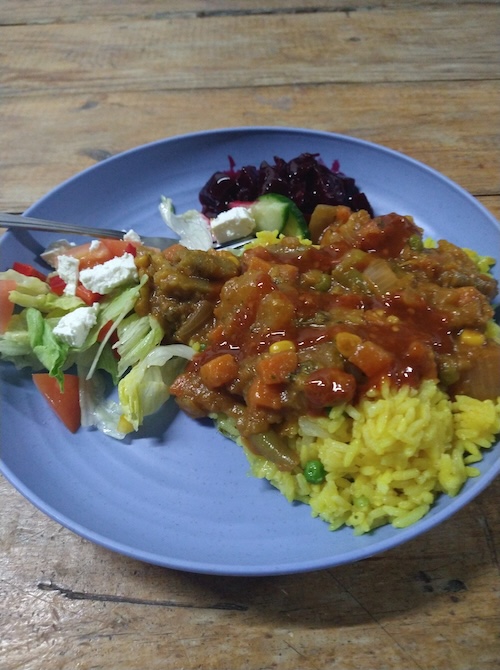
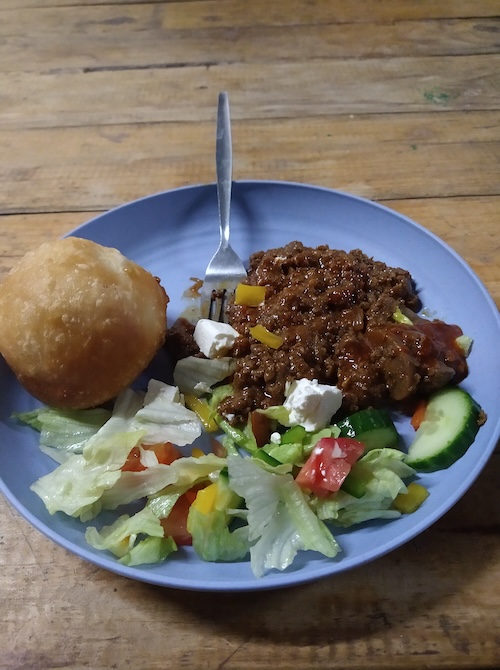
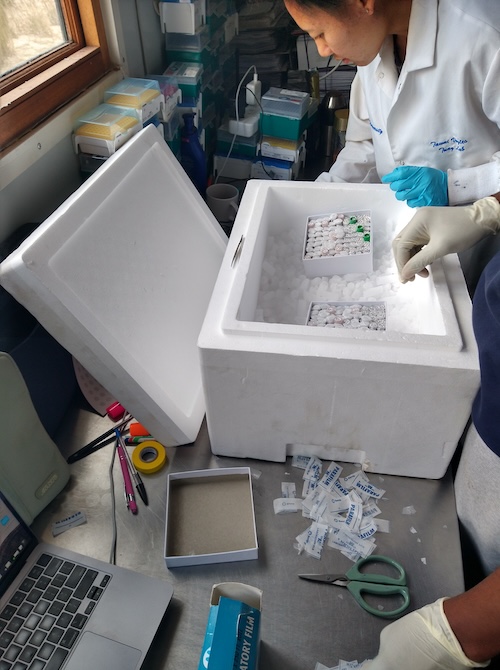
There was so much work and such little time on this trip that I ended up spending most of my time in the lab. However, one evening during sundowners (watching the sunset with a drink) the local meerkat group, Ubuntu, wandered by our camp and so I did actually see a meerkat. The final days at the reserve involved lots of DNA extractions from meerkat tissue samples we had onsite, and preparing them to drive out to Joburg on dry ice where I would then fly with them back to Europe. In the end, the permits for the PBMCs (white blood cells) did not arrive in time, so we prepared the shipment by individually wrapping parafilm (like saran wrap) around 800 tubes of meerkat cells challenged to study various immune responses. These samples arrived in Leipzig just this week!
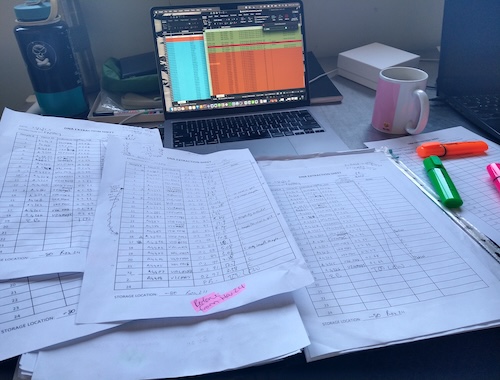


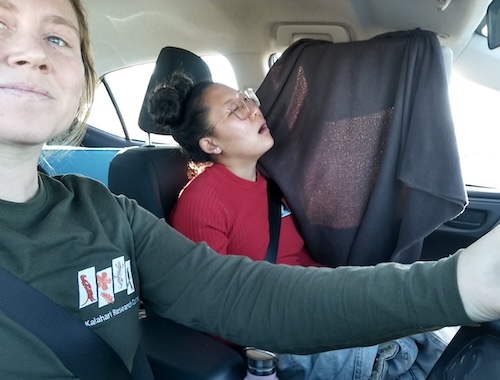
I drove the meerkat DNA samples from Upington to Joburg on dry ice in a manual rental car. We took the scheduled town-trip from the reserve to Upington very early Tuesday morning and after about 3 and a half hours on washboard roads we were dropped off at the airport where I would pick up the car. Since I had too much dry ice to fly with the samples, we decided to drive. Google maps said it was a 9 hour drive, with gas, traffic, and lunch, it ended up being around 12 hours. We got into Joburg around 9 PM and crashed in the hotel. She slept most of the way anyway but was good company to have, especially at gas stops where she made sure I had enough energy drinks!
The flight back with the samples was relatively smooth, although the airline company did not love that I just promised them it was only 2.5 kg of dry ice, since I didn’t want to unpack the samples (risk of thawing) and reweigh. Some charm definitely came in to play here 😉 Coming in to Germany with the samples was a bit more of a hassle even though we alerted customs ahead of time that I would be carrying in meerkat DNA samples. Jacob ended up waiting over an hour for me in the airport while some discrepancies were corrected on the permit.

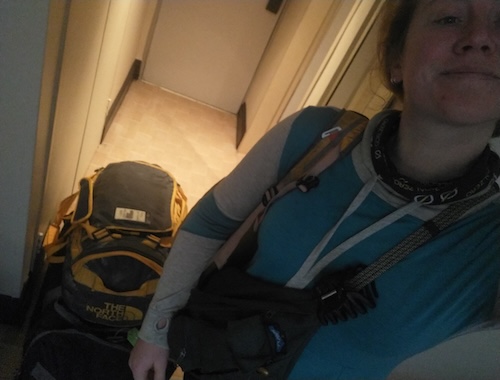

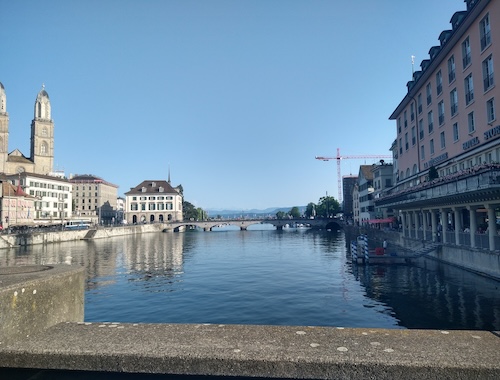
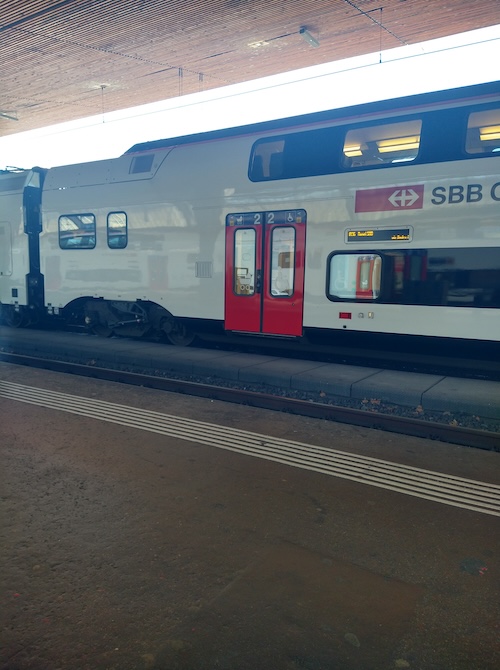
I took a quick trip to Zurich, Switzerland for the annual mongoose conference and it was really nice seeing familiar faces both old and new from my various trips to the Kalahari. I can now complain about the trains here always being late, which is a part of living in Germany I’ve heard.


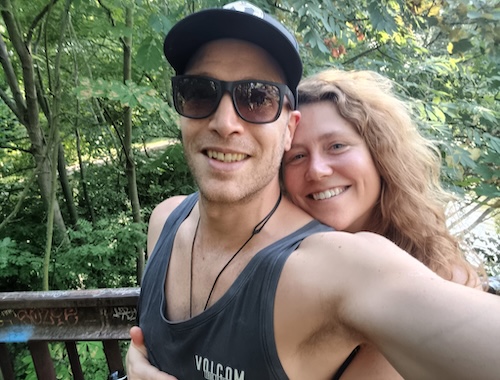
I’m back in Leipzig for a hot minute before heading off to Kenya. Jacob and I are enjoying the brief stint of summer in Germany that we have together and looking forward to some trips we’ll both be taking in the fall. I head out on Tuesday for 5 weeks in baboon camp where we will do the annual data collection of our Amboseli baboons. The next story will probably be a report of how the field season goes!


 kelwill
Kelly Elizabeth, will I ever get used to your amazing, fascinating, and informative blogs??? I doubt it very much. You are flying all over the world, by yourself and doing such important work; and I know it has become your way of life, but it continues to boggle my mind. You look beautiful and happy and I couldn’t be happier for you. But, we do miss you too. I know I don’t have to tell you to follow your dreams … you are sure doing that! Love and miss you, Kel Kel
LikeLike
Oh, wait …. what are “vetkooks”? And the meerkats are not the sweet, cuddly animals I thought they were. lol
LikeLike