The fact that my departure for the field season lined up with the sun finally beginning to shine in Germany was the big joke among my colleagues in the department. We had survived the dark, gloomy winter. June – August are known to be the best months to be around Leipzig, with the chance of maybe even getting some vitamin D. I would be traveling back-to-back between two of our field sites in Africa during these months – the Kalahari Meerkat Project in South Africa and the Amboseli Baboon Research Project in Kenya.
Despite spending about a month at each of these remote locations, I found little time to sit and write stories. Most of the time I would scrawl quick notes about what happened or new animal facts I learned in my notebook. Though occasionally an experience felt so powerful that I really wanted to write it down. The accounts of the last two months in Africa are a mix of raw stories and feelings written down as they were happening and now piecing together the chicken scratch notes of things that I really wanted to remember to share.
Kalahari Desert, South Africa:
I spent a year at this field site from May 2019 – May 2020 studying the immune responses in meerkats and molerats in the unique landscape of the Kalahari Desert. I never imagined I would be back here again, but here we are, and it’s amazing. A lot has changed in the last four years, but it also felt like being right at home again.
I traveled here with a post doc from our department who will be analyzing some of the past data collected, as well as future results generated now that we have the cell and genetics lab back up and running onsite. The laboratory work took a little hiatus after the pandemic. Our main goal coming down here on this trip was to get the lab back into working condition again and do some preliminary tests to see if everything still functioned, and if I managed to order/bring down all of the necessary reagents and consumables that we would need to launch the next experiment.
We took the red eye flight from Frankfurt to Joburg, then nearly missed the small plane to take us to Upington, where the next morning we would be picked up on the biweekly town trips from the field site. Similar to my last travel in Kenya, I had a “science” bag full of equipment, reagents, and consumables like tubes and tips, as well as an “adventure” bag. I would be working at the project for 3 weeks, then I planned to do a solo road trip along the wild coast and garden coast of South Africa, meet a couple of friends along the way, then fly from Cape Town to Nairobi to work at our Amboseli field site. The adventure bag contained a bivy, sleeping bag, hiking boots, and basically just more field clothes (which I wear for work a lot anyway). I was shocked we managed to make the Upington flight after we collected our baggage, we were lucky we were able to explain our urgency and get some help to pass through the massive Joburg hub quickly. We actually went through the security check that the pilots use!
We were picked up the next day with the town trip. These trips occur every two weeks to shuttle people in and out of the project, do the grocery shopping, and pretty much whatever errands need to be done. It’s a three-hour drive, if you’re a confident driver on sandy washboard roads, from the reserve to Upington and vice versa. Most of the time a trailer is pulled behind to load up on equipment/supplies needed. Seven people piled into the car, I climbed into the very back bench seat. As we went to pull out of the mall parking lot though, we realized something was very wrong with the trailer. It turned out that sometime along the bumpy drive into town, the axle broke. We could leave it at the mechanic and continue on to the project, but that meant that our luggage would be left behind as well. I managed to wrestle the science bag into the back seat with me – I had reagents on ice that I brought down from Germany so it really wasn’t a question of if it was coming with me, but how. We arrived at the field site around 9 pm dusted in sand. We only had the clothes we had on and no shower supplies since those were left with the trailer to be picked up in the coming days. But, there was a big plate of food ready for us when we arrived, so all was well.
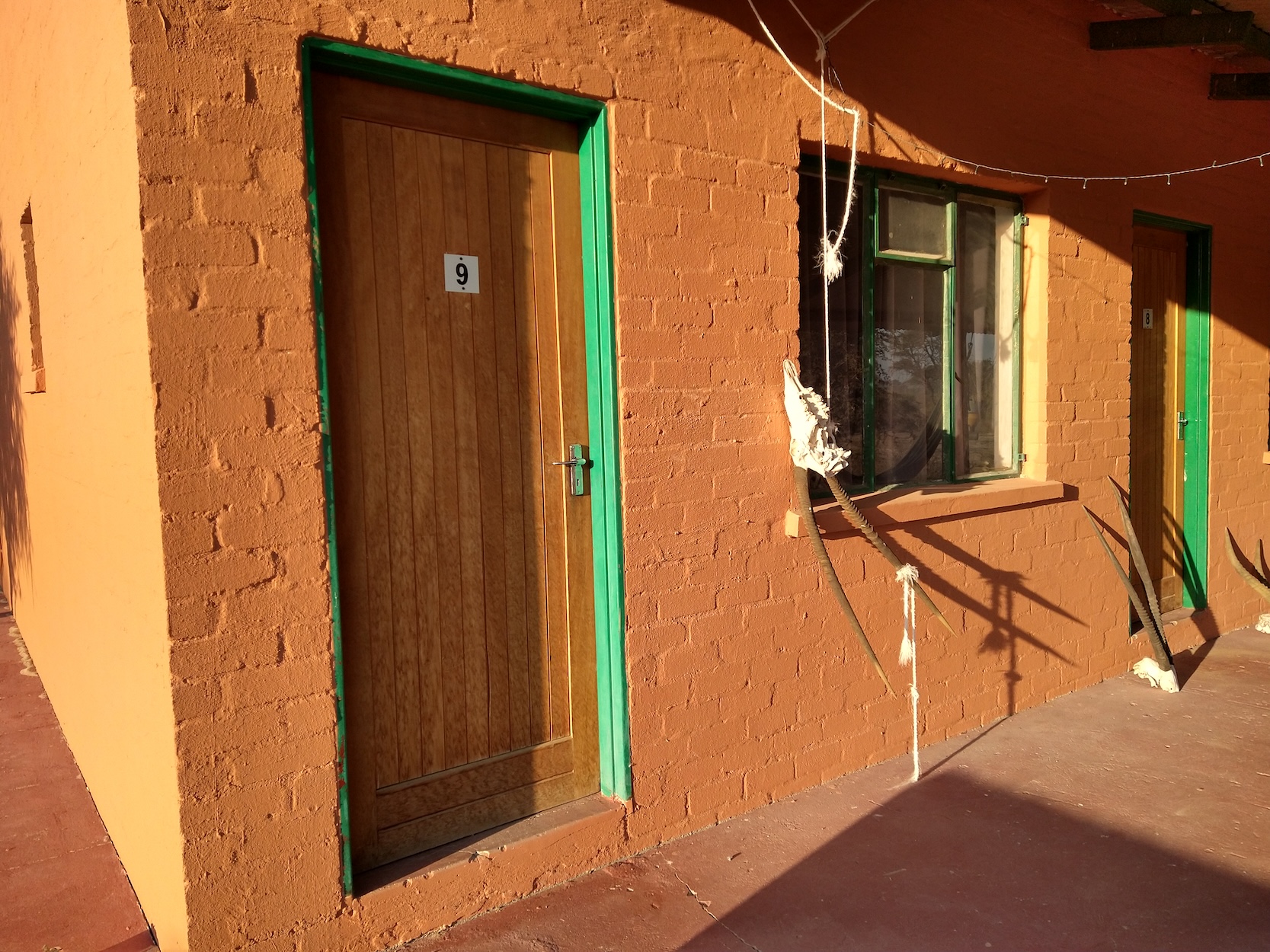
The next day we got right to work cleaning out the lab space that had been all but forgotten about in the years since the pandemic. Old, expired reagents were tossed, we dusted off a few centimeters of sand from the shelves, and tested the equipment after everything had been shut down for so long. I brought down reagents that can stimulate an immune system response for our cell culture work, so there was a lot of mathing and head scratching going on figuring out how to reconstitute these activators. I asked if the vet onsite could take some of my blood for me to train the post doc on (we had done this when I just started in 2019), but she wasn’t a fan of working on humans so we got right to work on the meerkat bloods. In the blur of the first days we worked hard and ate very little, but eventually we found our groove. And our luggage finally arrived which added an immeasurable amount of comfort (like fresh clothes and a shower)!
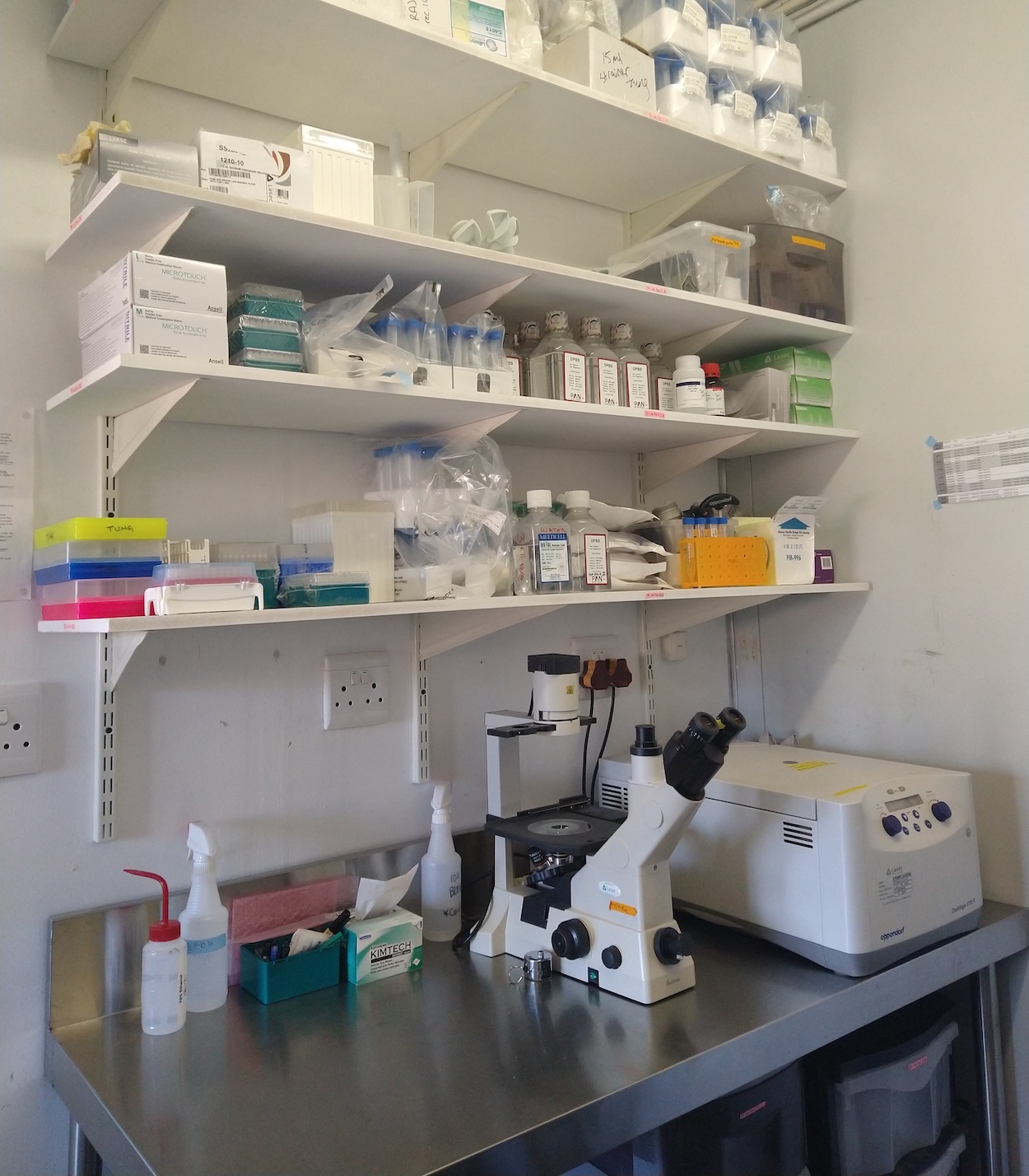
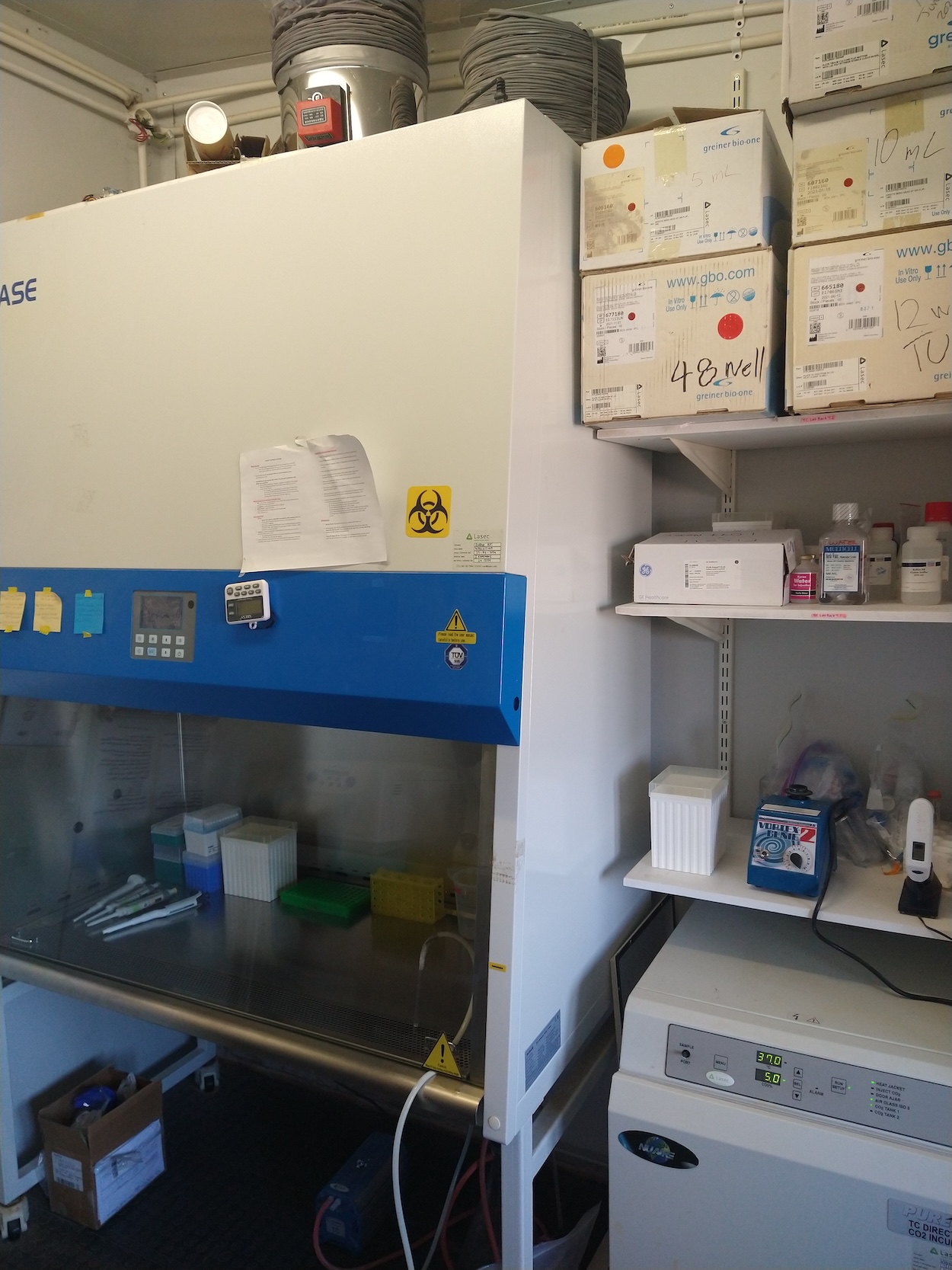
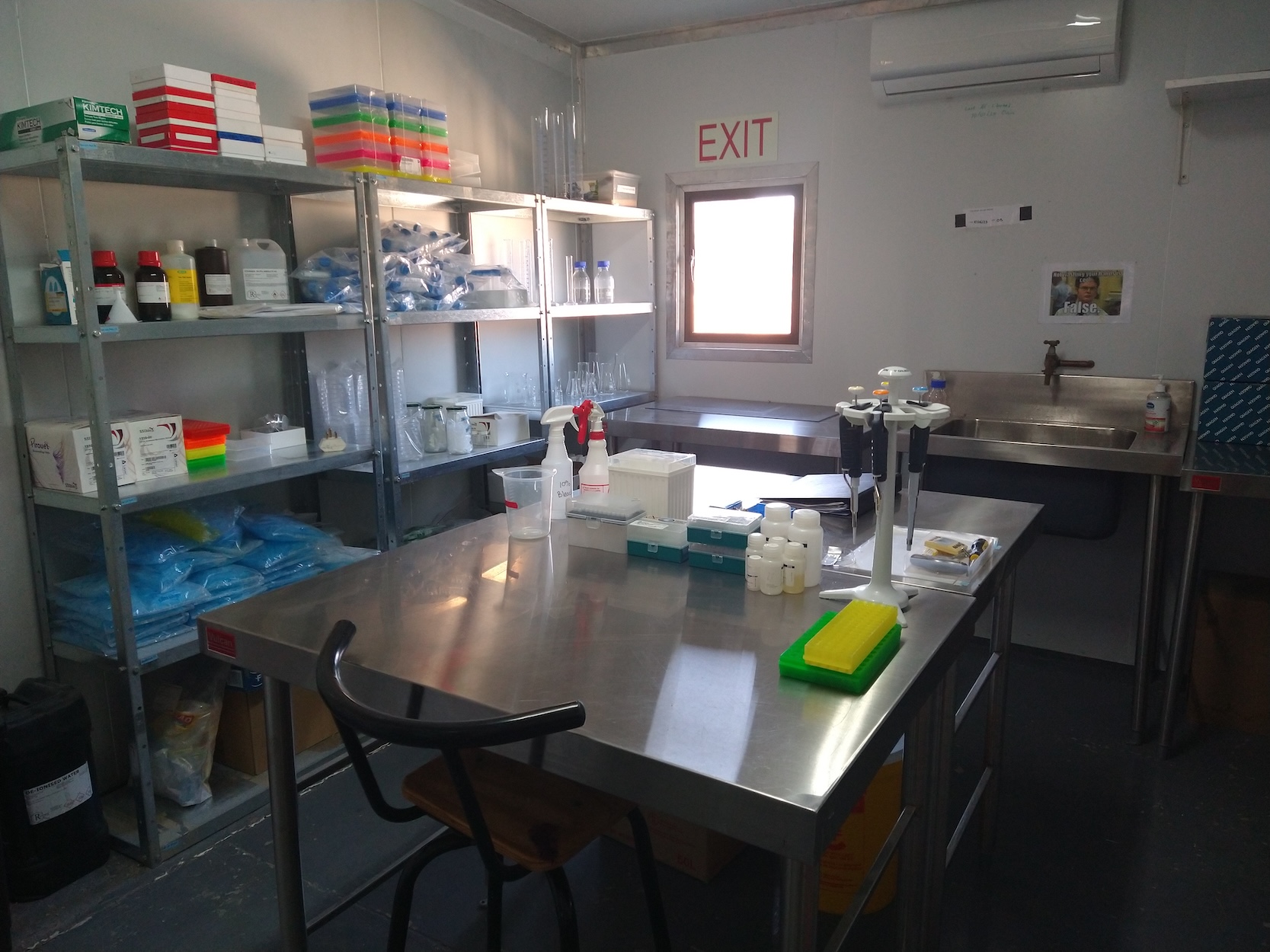
Over the course of the next weeks we would join the veterinarian for the visits between the meerkat groups. The inside of the truck (or buckie as it’s called down here) would be full with the mobile medical station, x-ray machine, meerkat manager, vet, and post doc, so I would happily hop into the bed of the truck and ride in the back. It was also a great way to look for wildlife in the early mornings. Once we collected the blood samples, we’d head back to the cell lab for processing. One of the main goals of the trip was to train the post doc in the laboratory processing himself, and over the course of these weeks we did just that. Soon he was a pro at the protocol as well and we traded turns on who processed the blood samples. There was quite a bit of interest from the other volunteers at the project, and many days one or two of them would shadow us to learn about what we were doing with the blood.
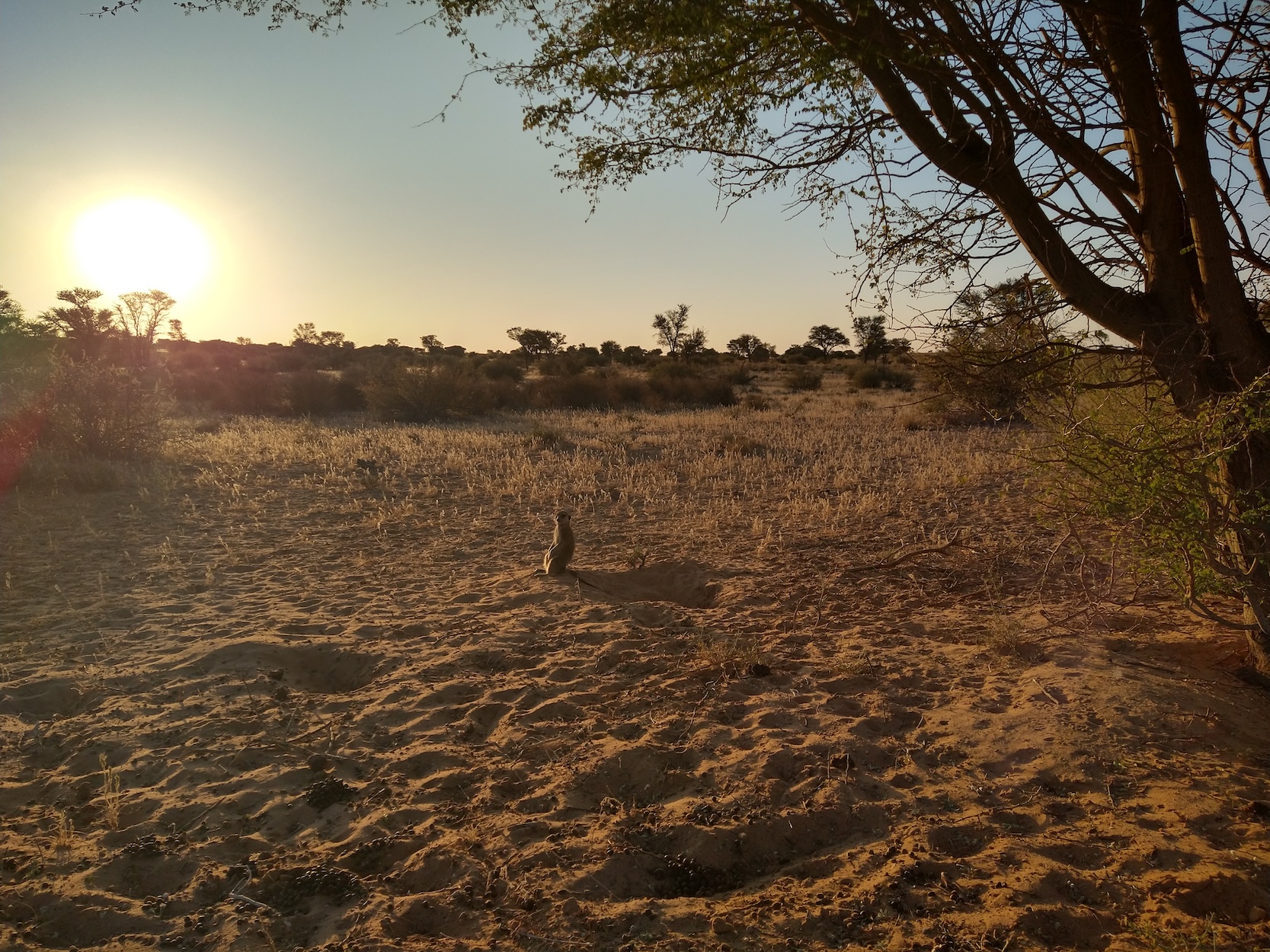
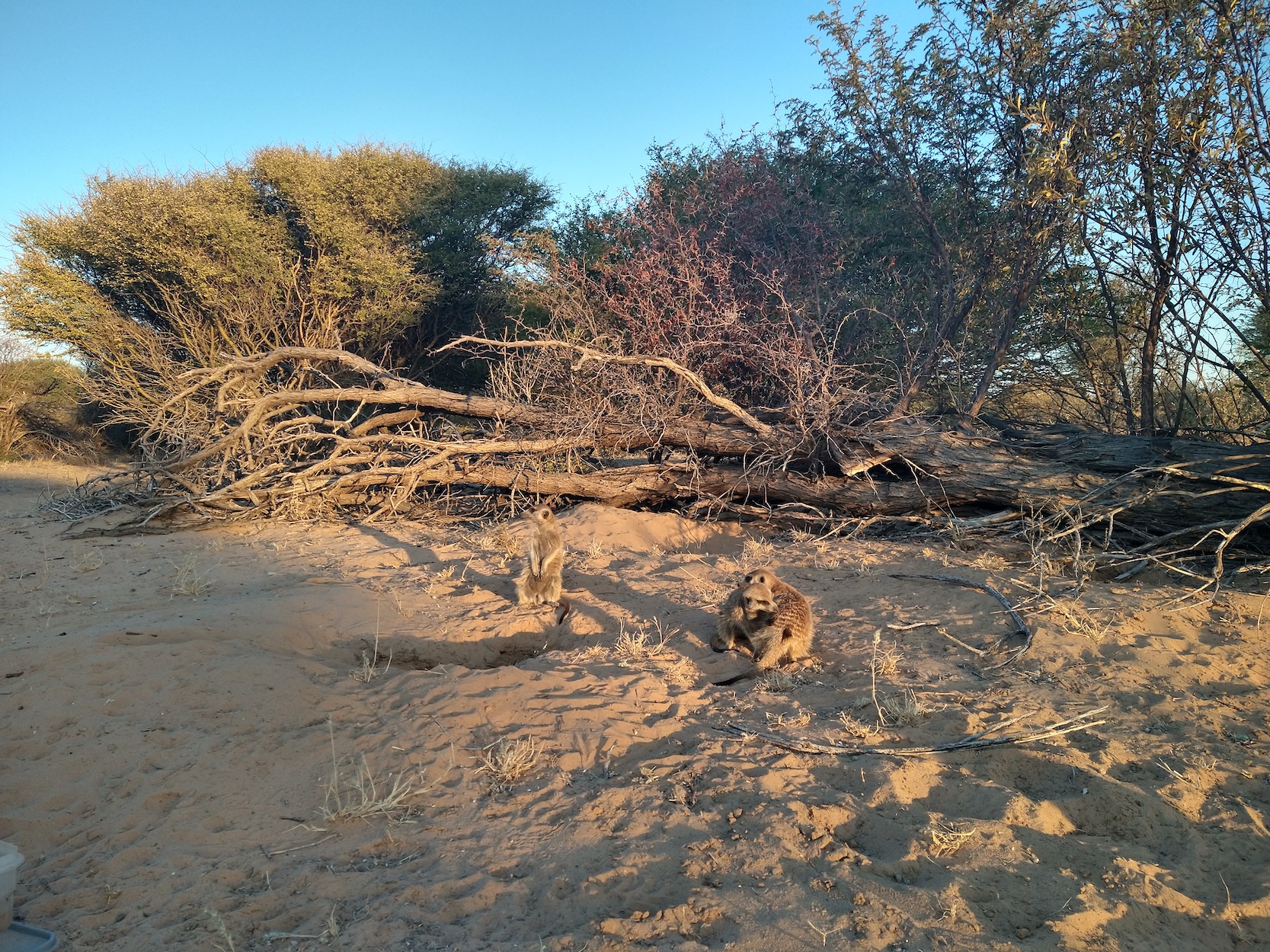
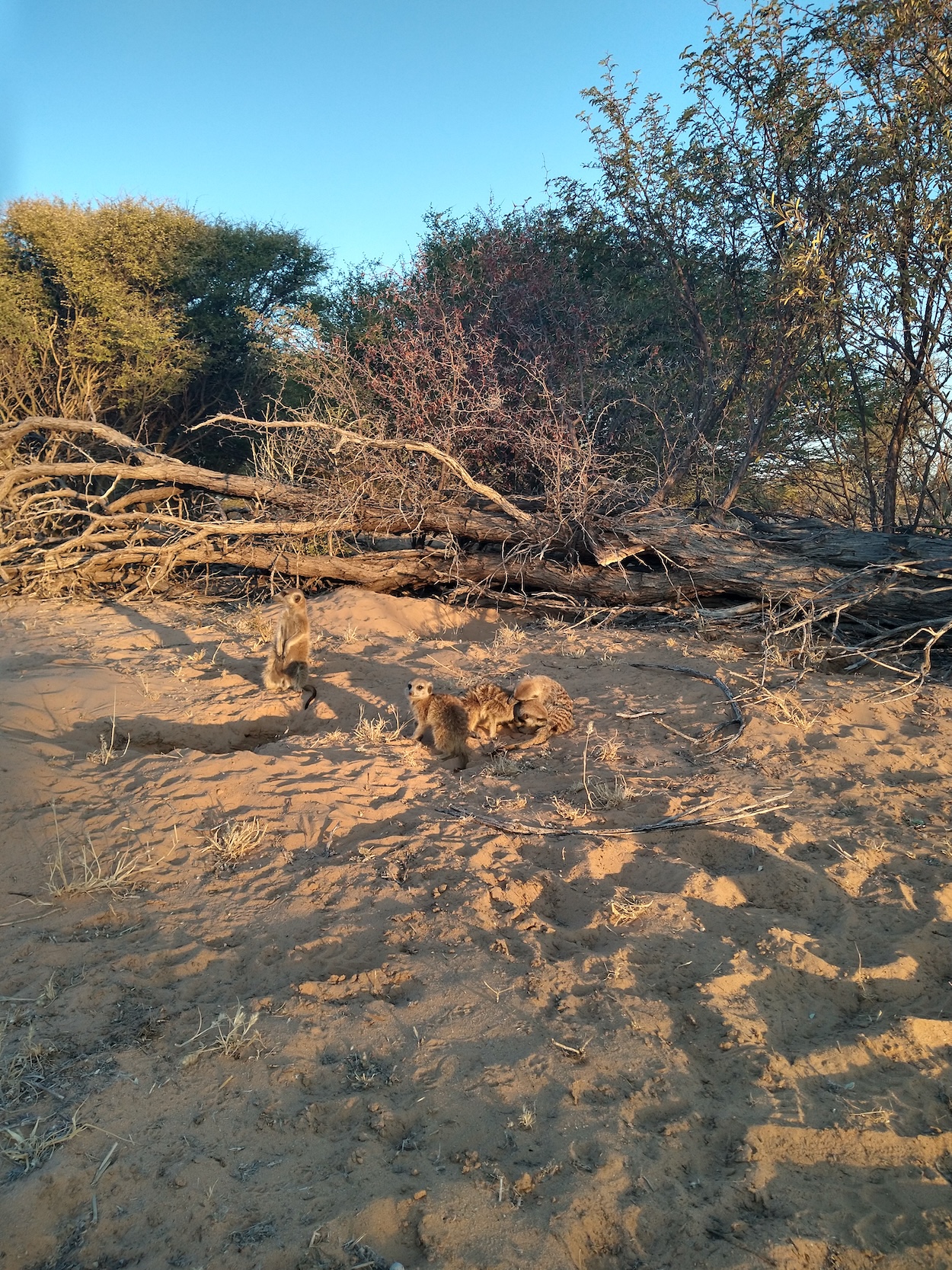


After processing, we’d head to the farm house for lunch and split a can of beans or chakalaka (curried veg stew) with an apple and some peanut butter for dessert. Dinner was a rotating menu of veg and meat options, and we’d sit outside on the picnic table with some of the other independent researchers – we were part of the older crew now as a decade separated my age from the new volunteers at the project.

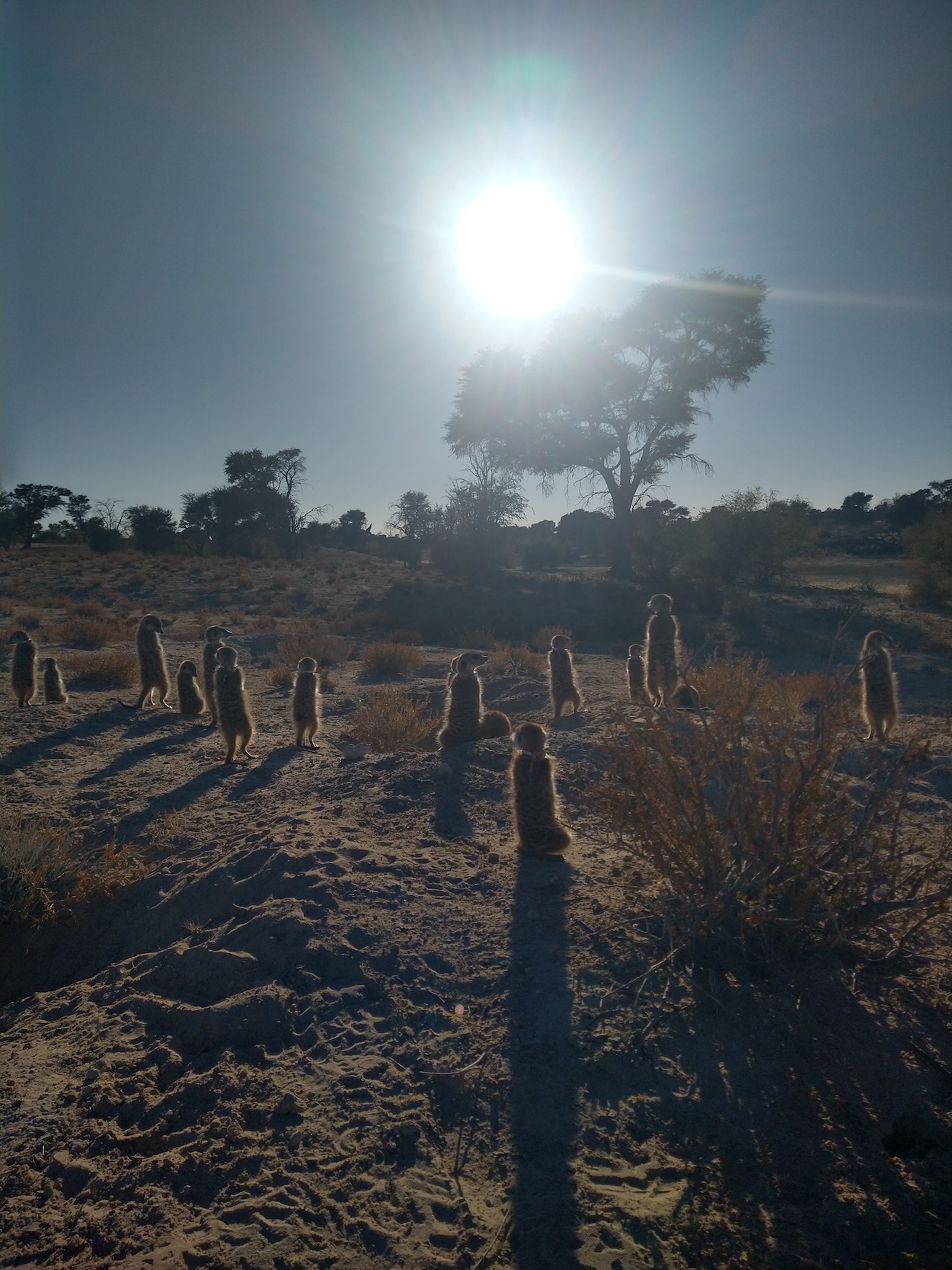


One of the mornings we didn’t have bloods, we took the electric bikes for a spin down a road in the back of the reserve, “sunset boulevard,” and raced some hartebeest, wildebeest, springbok, and oryx across the plains. Some thunderstorms rolled through later that week and despite my warning to the post doc that maybe it wasn’t the best time to go for a walk in the dunes when lightning was striking, he did only to be blown back in a few moments later with a mongoose hot on his heels also seeking shelter. The storms brought the prettiest rainbows, the Kalahari really is a place like no other.


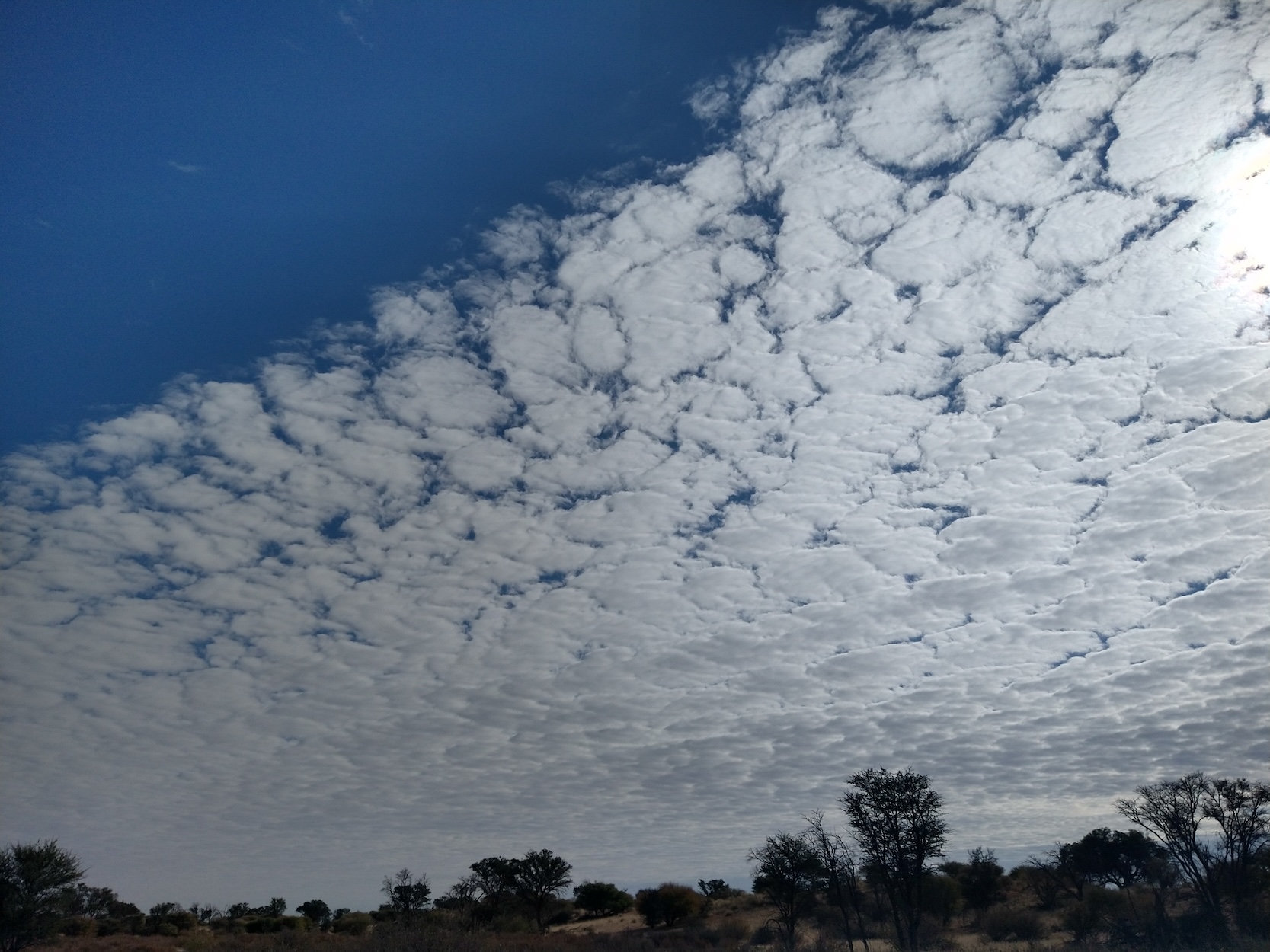


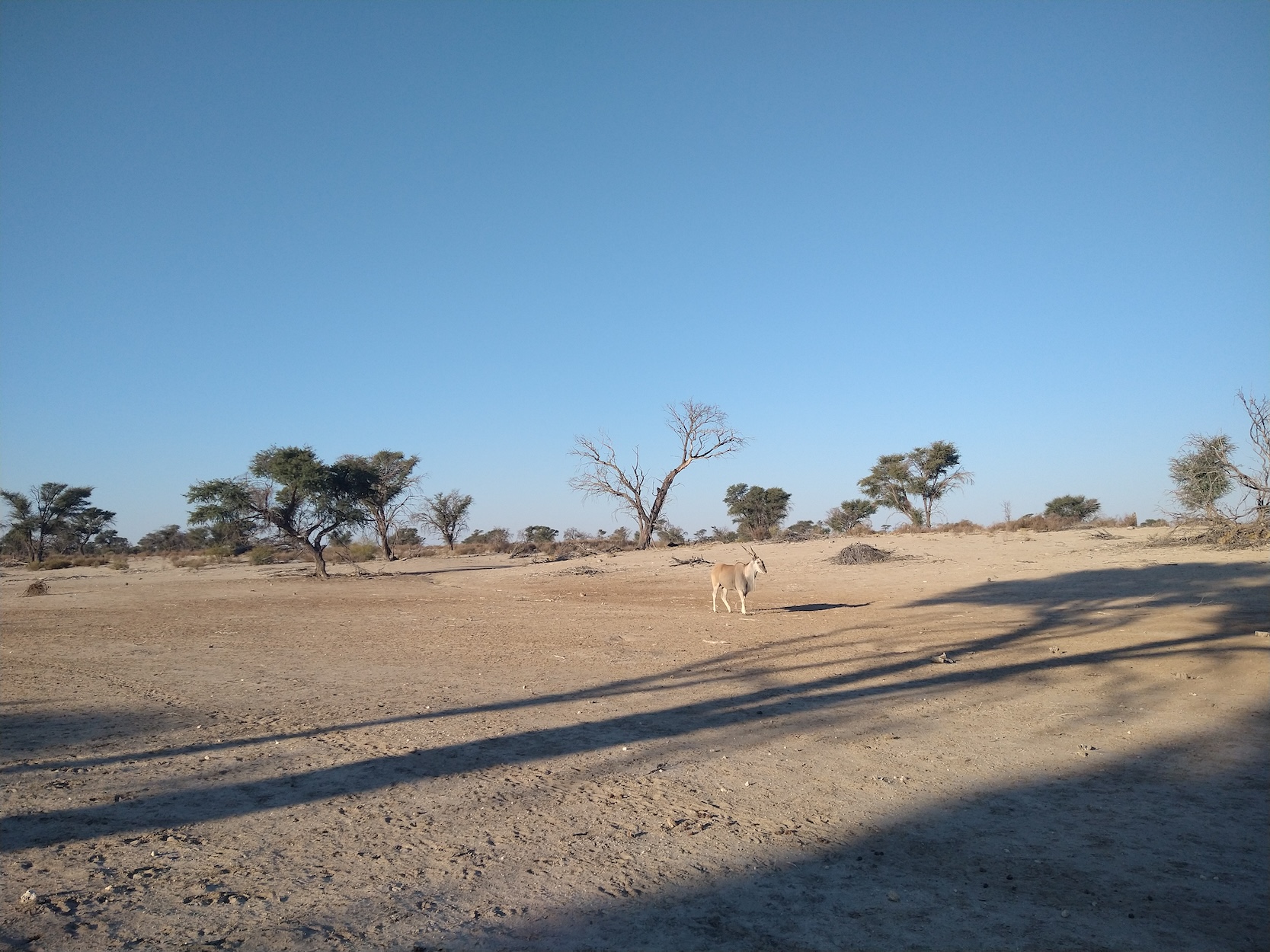
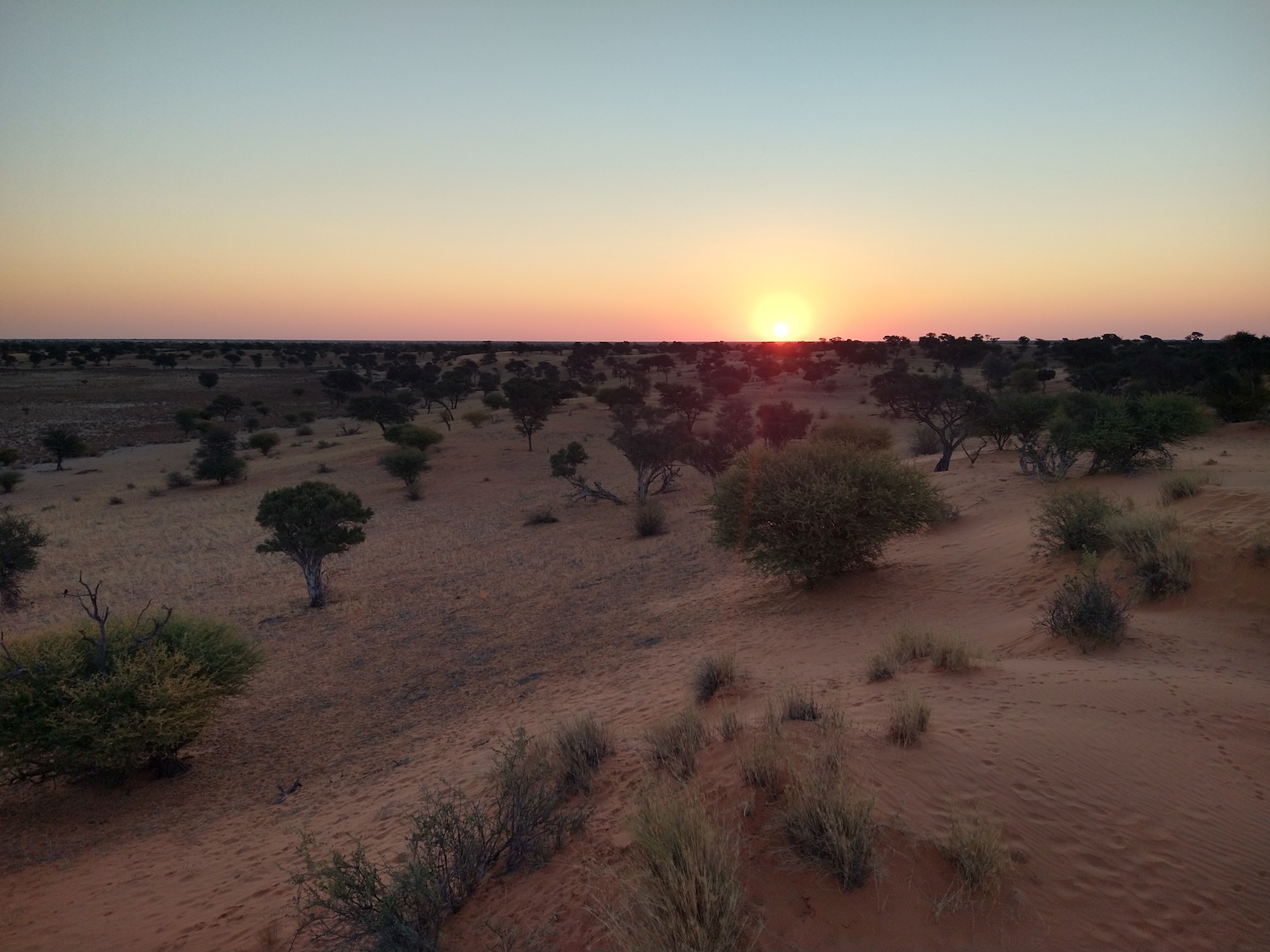
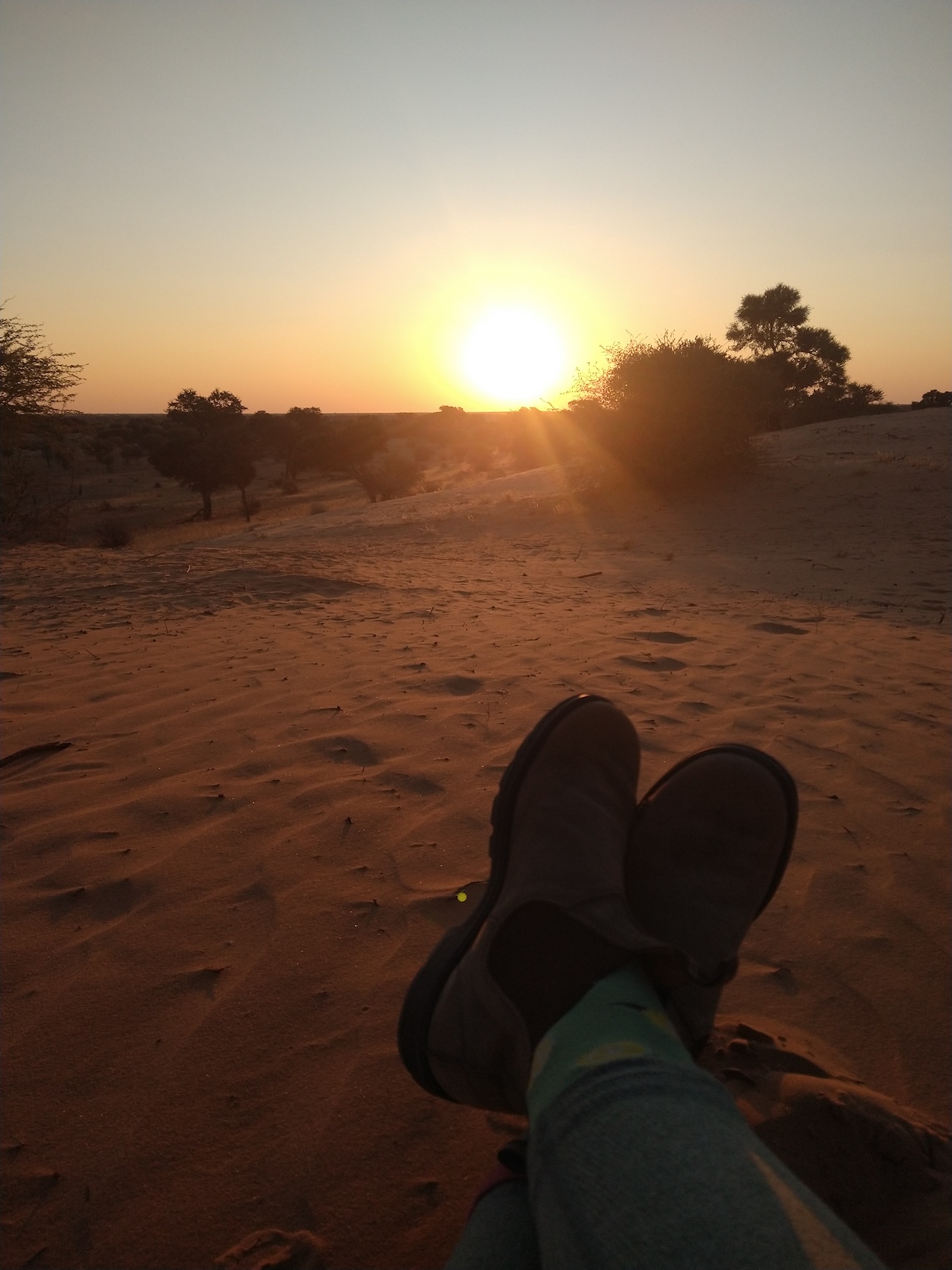
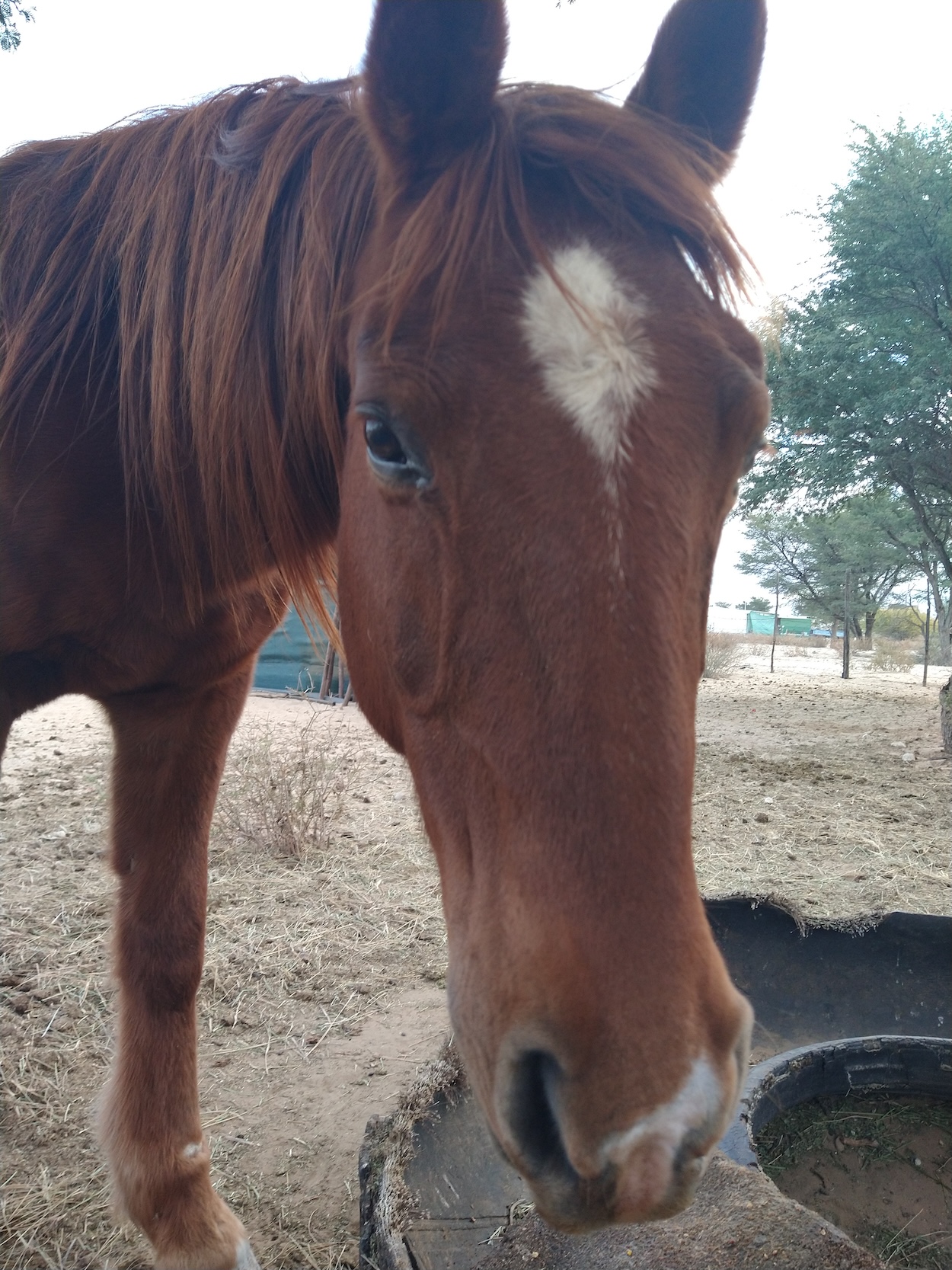
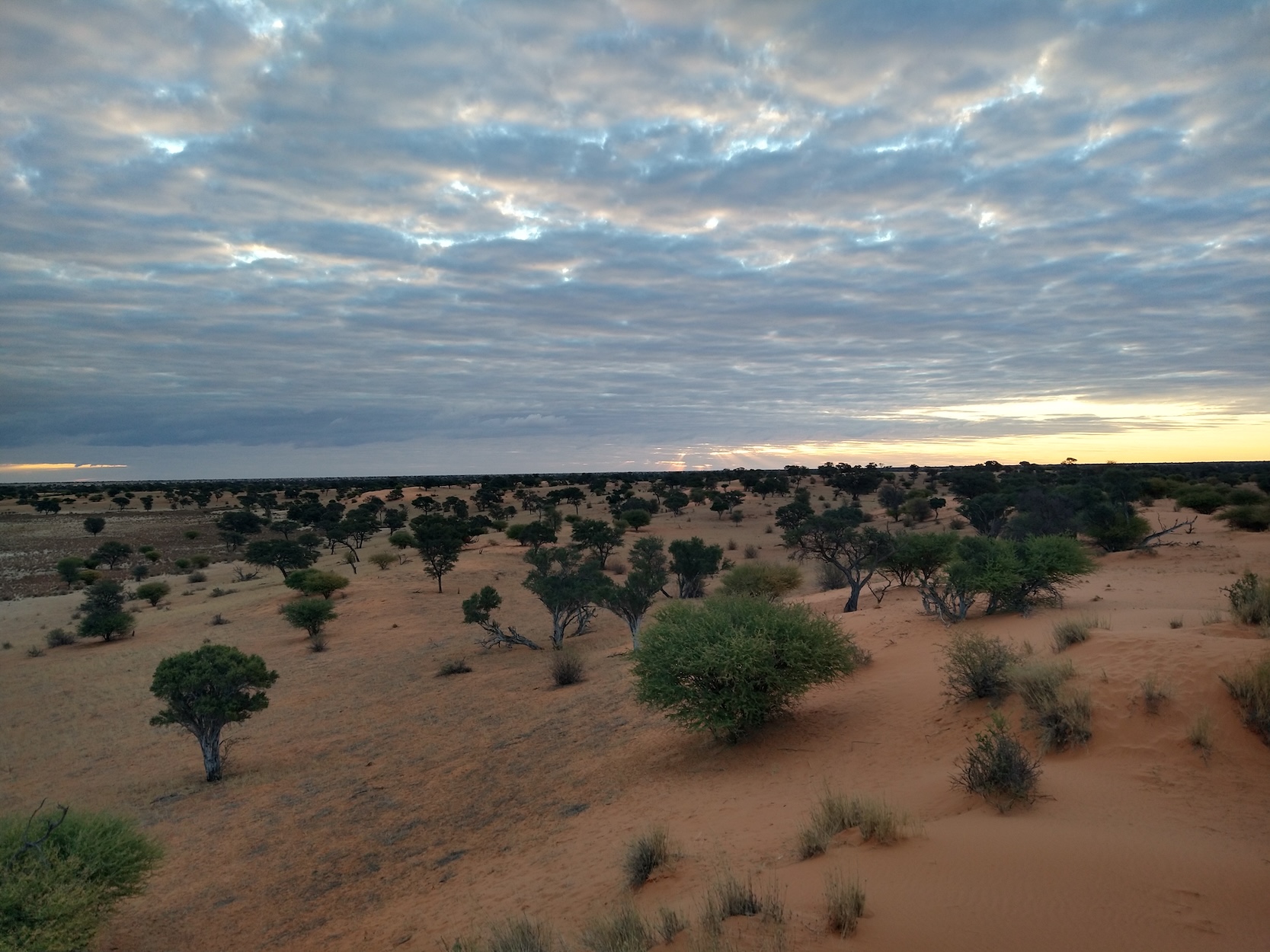
When I wasn’t working in the lab or socializing with the other researchers, I enjoyed walks around the reserve just like old times. The riverbed is a longtime favorite place to walk at dusk and look for bat eared foxes, eland, and maybe a porcupine. I found a book I had left in the library back in 2020 and climbed my favorite tree to give it another read. I’d watch sunsets from the fire tower and use the reception to call home or catch up with friends. If someone beat me to the fire tower, I could deviate my path and climb up “dune to nowhere” to look out over the vast expanse of the reserve and see herds of wildebeest shuffling through the sand. There was also a horse onsite, Kolby, and we became pals quickly. On my walks I would collect seed pods from the acacia trees which were his favorite snack. He was still on a probation period after bucking some people off, but just being in his company was enough to fill my heart.






When I could wrangle enough wifi or reception, I would work on planning out my road trip. I had about a week between my field work ending in the Kalahari and when I would need to start baboon work in Amboseli. It didn’t make sense for me to fly back to Germany just to fly South to central Africa again, so I planned to fill the time in between by planning a road trip along the Wild Coast and Garden Coast of South Africa. It was July so, though cold, the weather was sunny and dry. I decided to just bring a bivy if I needed to camp, otherwise I would sleep in the rental car or look for bush camps and hostels along the way. I booked a car from Upington (where we usually fly in from Joburg, the closest city to our research site) and planned to drive first to the Drakensberg, then South along the eastern coast and over to Cape Town. I’d meet some old friends along the way, and see a part of the country I had never been to before (besides the Drakensberg). I rented a manual car to reinforce what I learned years before and become better at it. After all, there’s probably no better way to get better than driving about 3000 kilometers. I had 6 days to complete the journey to Cape Town to then catch my flight to Nairobi for Kenya work. I had been missing the ocean living in the middle of Germany, so a coastal road trip made the most sense.
Map I was working on, here
The wind howls outside of my room as sand blasts across the riverbed and over the dunes of the reserve. If I close my eyes, it sounds like a winter storm on our family farm, with sharp gusts whistling as it cuts around the corners of our house. I’m tucked in to my sleeping bag warming up after being blown about this morning following some meerkats. It’s my last day at the Kalahari field site and it feels like time has passed by just as sand slips through fingers.
On my last night at the project, two Namibian scientists presented a variety of really interesting research. One of their goals was to expand the capacity to identify birds in Southern Africa. This would involve developing an app, similar to Merlin, but focusing on South African birds as currently only about 16% of the local birds are included in current bird ID apps. They asked if researchers at the project could record the unique species that frequent the reserve. Next, they moved in to some of their marine research. A recent rabies outbreak in a Cape Fur Seal population has raised concerns since now rabies has crossed from terrestrial mammals to aquatic mammals. This therefore threatens to spread to subantarctic mammals including species of concern. At the time of this presentation, it was suspected that the infection was spread from a black backed jackal to a cape fur seal. DNA sequencing of the virus would later confirm this. I wondered if this really was the first time rabies was found in marine life or if we had missed it before, and what transmission would be like in the marine environment in the future. They also presented on a phenomenon of 2 half brother killer whales, Port and Starboard, named for the directions of their collapsed fins. These two began to predate on great white sharks, only feeding on their livers, leaving the left over carcasses to wash up on shore. There was recent footage of these two teaching other killer whales how to attack great whites, quite perplexing.
The Wild Coast & Garden Coast:
The managers dropped me off at the Upington airport on the Tuesday towntrip day. The car was smaller than I expected and I instantly wondered how I would get it to the destinations I had planned over the next 6 days. It was a Toyota Fitz, with low clearance and a weak engine. I managed to get out of Upington without stalling it, or driving on the wrong side of the road (opposite side here compared to the US). I hit the highway and swung East towards the Drakensberg with the windows down blasting the Black Keys, the roadtrip was off to a good start.
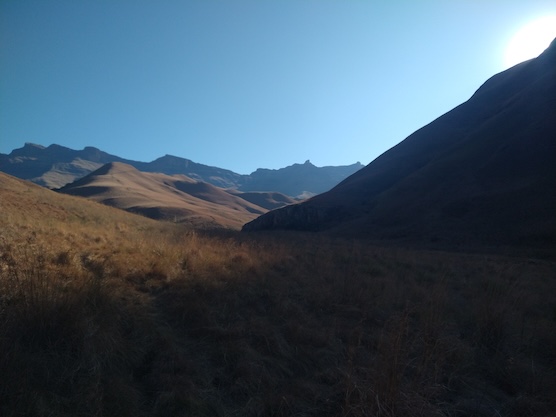
The first day was a long haul from Upington to the Drakensberg. I was behind the wheel for about 11 hours before I pulled into the familiar parking lot of Sterkfontein Dam. This dam marked the beginning of my stomping grounds during covid from Royal Natal National Park down to Maloti-Drakensberg. I slept in the reclined passenger seat in the parking lot that night, pleased to be sleeping in a vehicle again and feeling nostalgic for nights spent in Savannah.


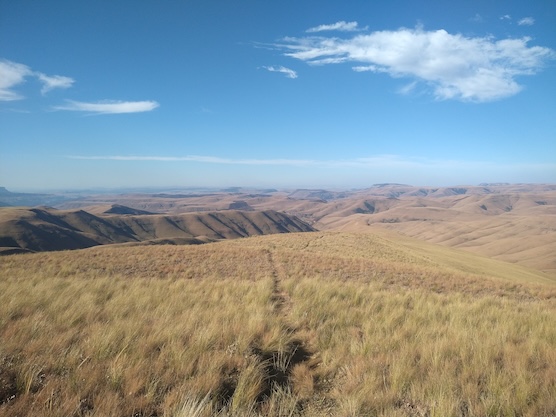
The next morning I passed through Winterton where I had spent a few months living with a Canadian/South African family and climbing in the berg. I was sad I missed them on this trip as they were currently spending time in Canada, but surely would catch them another time. I drove a few hours farther South to a part of the ‘Berg I hadn’t been to – Giant’s Castle. After navigating some rough dirt roads in the tiny tin car, I found the trailhead and set off quickly to spend as much time in the mountains as I could before sunset. The mountains were just as I remembered, though a bit drier during this season. The grass flicked in the wind and made wave like motions across the escarpment. It felt like I was the only one in the entire park. That is until I felt like I was being watched and eventually found a troop of Chacma baboons staring down from a cliff band above the trail. The Chacma are a different species than the Anubis baboons we study in Kenya, they are larger and considered more aggressive. I didn’t quite make it up to the pass of Lesotho before my turn around time, the drive on the dirt roads across the farm lands took longer than I thought. I knew I’d be back soon though as I had more field work planned for ZA in the coming months. That evening I met with an old friend from my previous work in 2020 and we swapped stories of the past 4 years over dinner.

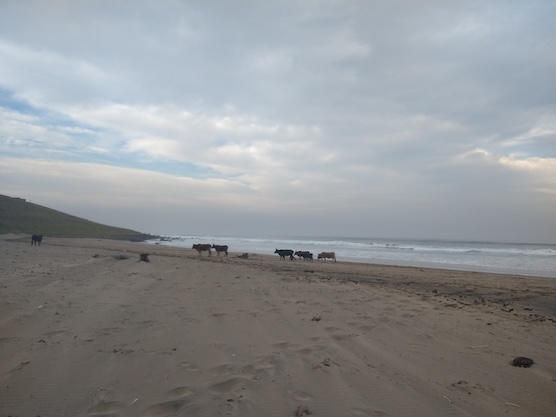
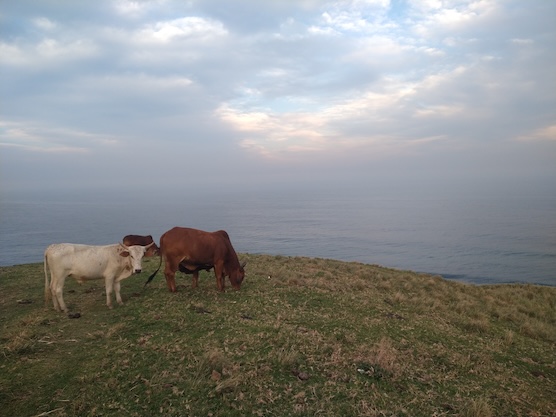
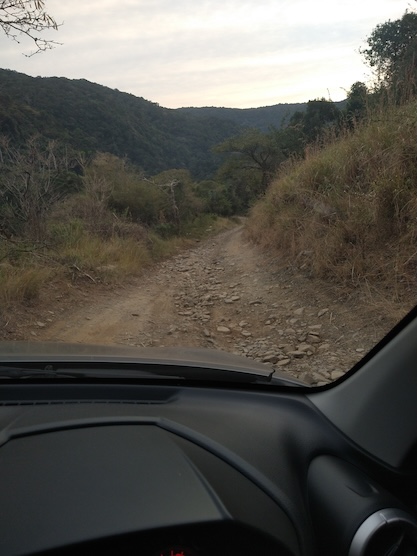
Next it was gunning it for the coast for some long overdue ocean time. I had found a mountain bushcamp (Mbotyi Mountain Bush Camp) to stay at, though as the roads degraded and got steeper I wondered what the odds were that I would make it up there. Smooth tar turned to potholed old pavement, then washboard road, and eventually something really only 4×4 cars should rock crawl up. Somehow I got the little Fitz up the last rutted road just in time to see a big SUV on coming down the road. A kid no older than maybe 15 yo hollered out the window that he was just on his way down to fetch me because they didn’t think I’d make it up with the rental car I described. We were both shocked the fitz made it, and I couldn’t wait to park the thing and get out. I barely dropped my bags on the bunk when the kid asked if I wanted a proper tour of the mountain so I hopped in to the passenger seat and was shown around. I couldn’t believe some of the crazy roads he carefully navigated, his legs barely touched the gas and clutch! We climbed up to the top of the mountain for a view of the coastline, then down to the beach where some cows were also enjoying the view. The water was quite warm as we walked and watched the sunset. The evening was spent enjoying amazing local cuisine and shooting some pool before calling it a night.

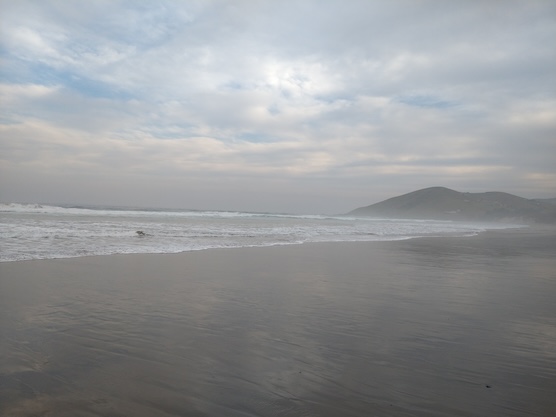


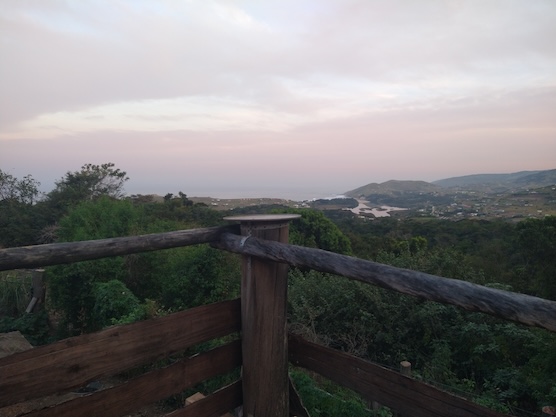
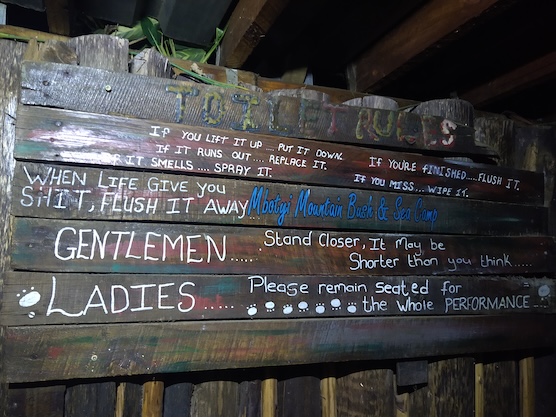
I rolled back down the mountain the next morning with a bit of a knot in my stomach. The night before I was warned that my route would pass through one of the more dangerous cities in South Africa, Mthatha. Two older South Africans spooked me a little with their stories. Unless I deviated way North, I would have to pass through this city since I was following N2 down to the garden coast. I was advised to lock my doors, not stop, and hopefully not stall (no pressure at all). Perhaps their warnings were a bit dramatic as they claimed that I could get hijacked or conned by corrupt police. The app iOverlander also had accounts of less than ideal experiences. I made sure to gas up before entering the city, I did stall a couple times as for some reason most traffic lights were on a hill, my trunk was tested if it was locked or not, but otherwise I could finally exhale as I exited the southern side of the city without further incidents. I left R2 and took a windy paved road back to the coast where I would be staying for the night.
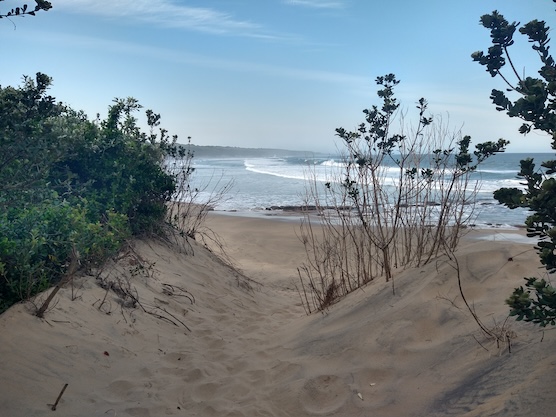
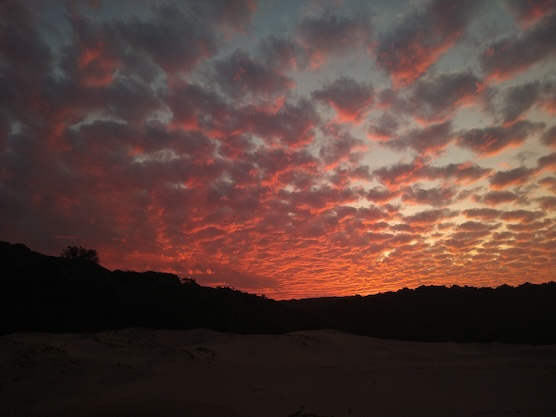
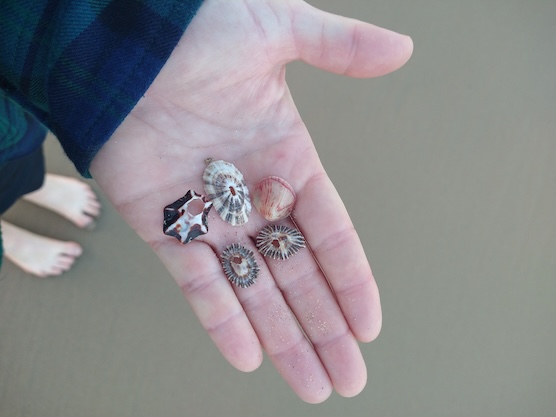
Trennery’s camp was more of a motel than a hostel, and it was very cheap to get a room. After the stress of the day, I enjoyed peaceful walks along the empty beach, collecting sea shells and perching on the dunes to watch the sunset. The sky that night was like trix yogurt, a blend of hot pink and bright orange swirls in the sky. I somehow had some reception to call home, and even enough to plan out my next day of driving which would involve a ferry crossing across the Kei river.
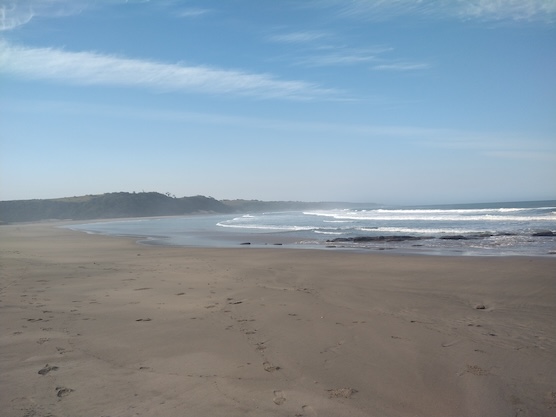
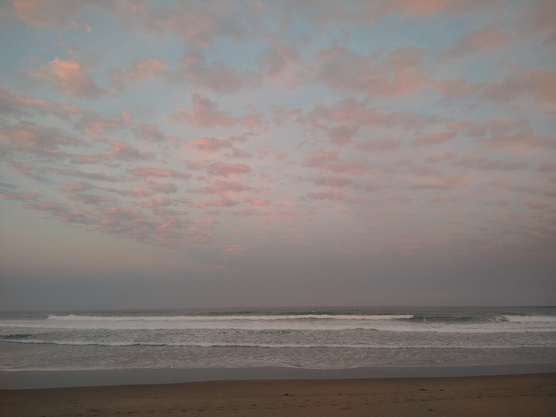
The ferry could hold 2 cars, maybe 3, and I managed not to stall as I pulled up on the ferry as it rocked with the tide. It was basically just driven into the side of the river and metal slats were placed from the road to the boat to drive onto the platform. In about 15 minutes, I was already shuttled across and was on my way South, to the start of the Garden Coast. The Wild Coast was amazing and beautiful, and it was… wild. I had heard it was a bit more chill driving the Garden Coast, and that the roads were better. This proved to be true as the broken up asphalt changed to tar right at the start of the route. I drove through beautiful hilly landscapes dotted with wildflowers, then along the coast with the ocean stretching as far south as I could see. I pulled over often to take in the view and look for whales. Eventually I made my way into Tsitsikamma National park where I would camp/sleep in the car for the night. The sunset was incredible as the waves crashed on the rocks. These were the famous rough waters of the Cape of Good Hope. I thought about the Cape Horn in Chile and tried to imagine what it would be like to sail these capes.
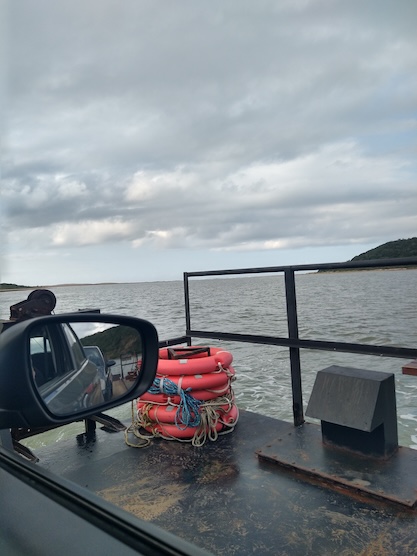
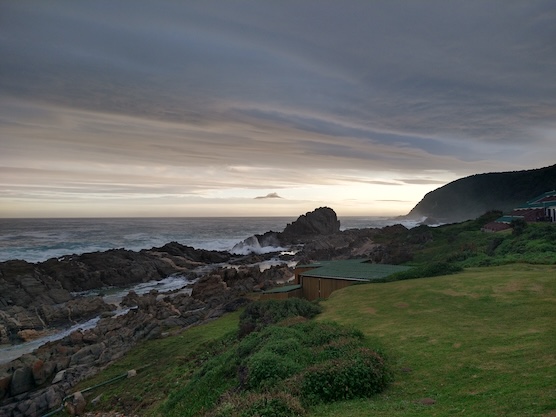


I woke up early in the passenger seat the next morning to find that I was still the only car in the campground. I was sort of in the shoulder season of tourism anyway. Before heading to a small town south of Cape Town, Scarborough, I walked along the coast to a waterfall. The trail was more rock hopping and there was even a little bat cave to explore along the way. It still felt like I had the whole coastline to myself, it was stunning.

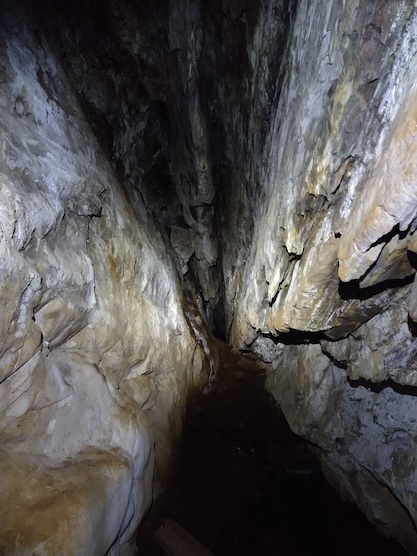
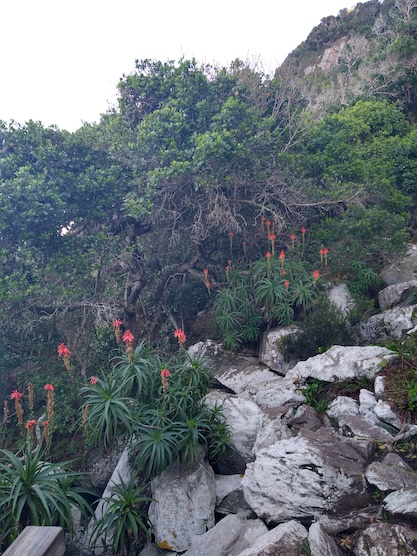
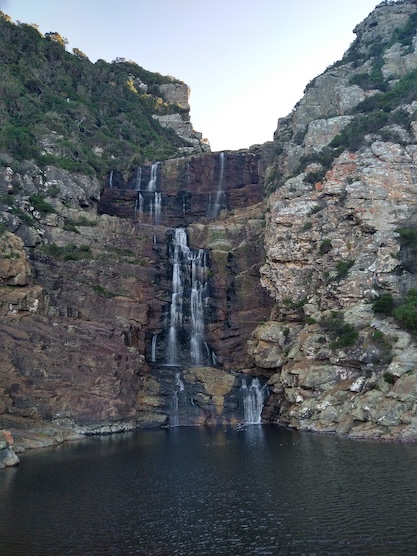

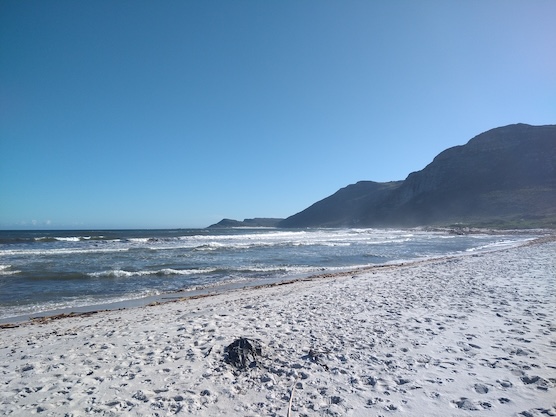
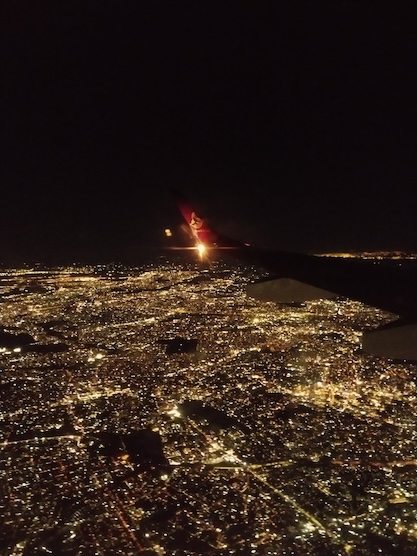
It was a full day drive to Scarborough where I rented a little converted van/cabin airbnb. I caught up with another friend over pizza and beers and reminsced about old times in the Kalahari. Scarborough was just how I remembered it, a quant little beach town isolated from the frenzy of Cape Town. I wished I could stay on the white sands longer, but I had my flight to Nairobi to catch that evening. The adventure was mostly driving, but that’s what I was craving – a good roadtrip and to spend some time around the ocean. I became quite comfy driving manual over the 3000 km, and it proved to be useful for my work in Amboseli.

Spoiler, I’m currently back in the Kalahari finding the time to write in between field work 🙂

 kelwill
Hey Kelly! So good to hear from you! I am at a loss for words reading about the many places you have been, and the fearlessness you have traveling by yourself and the amazing photographs of your adventures. I can’t help but think about the little blond girl who gave me rides in a golf cart around your home in Grand Island, NY. Last summer, your Dad showed my 9 yr. old Great-Granddaughter, Coraline, how to drive it and it gave me a flashback.
Thank you for the amazing photographs and the interesting comments on your travels and the awesome descriptions of the work you do, Kelly! As always, stay safe … love you, Aunt Pat
LikeLiked by 1 person