(this is a long one to catch up on the last 6 months)
It’s been hard to find the time and patience to sit down and write, but this morning I woke up to the sound of birds outside of my tent and I felt the words to stories brimming and wanting to spill out. I think it’s important to write down these core memories and experiences to look back on someday, and to share with loved ones near and far. Maybe I’ve felt a bit guilty sharing adventures while news around the world, and especially back home, is so grim. But maybe it’s also important to share some happy moments during these times.
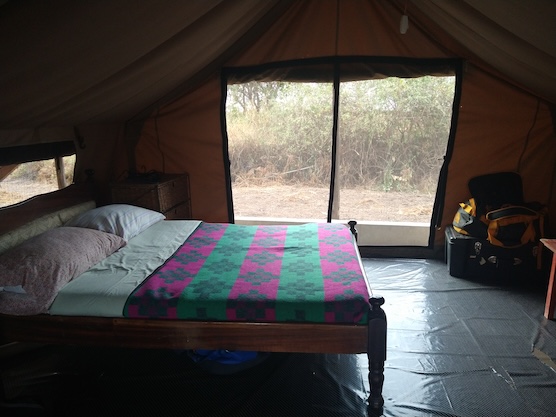
I’m currently working at my favorite field site, Amboseli National Park in Kenya. This is my third time at this site and I’m here for a 3-week stint. I have a suite of projects to work on from sampling some of the baboons in our study groups, optimizing a genetic paternity test onsite for baboon offspring, filming the baboons with a gopro for some AI studies of mapping eye movement, and developing an environmental DNA technique to assess mammalian biodiversity from swabbing leaves in Amboseli with a Kenyan PhD student. Needless to say, this field season is incredibly busy, but I always feel content here and I enjoy the break from feeling overstimulated living in a bustling German city. It’s been quite a rollercoaster through the past 6 months of long field stints and intense pulses of city life. At times it feels like organized chaos, I’m typically in Leipzig for about a month, then traveling 1-2 months, then repeat. Amidst the instability, life has been rich.
Amboseli, Kenya: July – August 2024
After my road trip along the coast of South Africa (and before my hike through the Accursed Mountains in the Balkans), I was working here in Amboseli for about 4 weeks learning the annual baboon sampling process. A really nice article was published on this work back in November 2022 in National Geographic, so if you’re interested you can find the details here! In the past, various PhD students took on organizing the supplies and protocols and carrying out the blood sampling procedures. However, with a break between students, and as a (hopefully) long term technician for this project, I joined on this trip to learn the responsibilities. Within the four weeks from mid-July to mid-August, we sampled 20 baboons from our study group – taking blood, hair, and microbiome samples, assessing tooth condition, analyzing the hair coloration to determine how much hybridization was occurring between yellow and olive baboons, and assessing general health of the population. We are specifically interested in how adversity in early life and social bonds can affect health and lifespan. And this isn’t only interesting in the baboon community, but to potentially answer questions about humans as well. Does having close friends and social relationships prolong life? Do events that occur in early life ultimately affect our long term health? We can study primates to understand these questions.
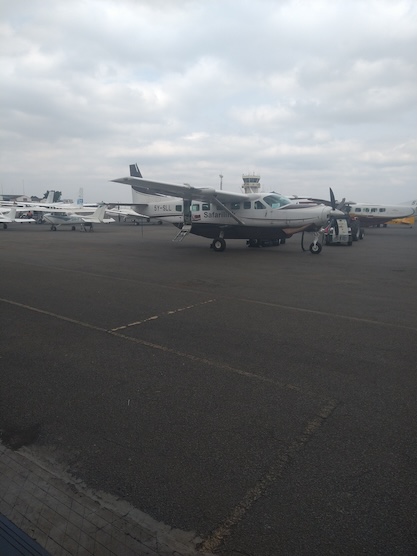
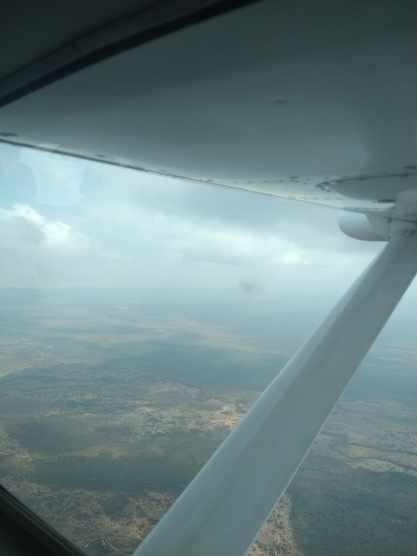
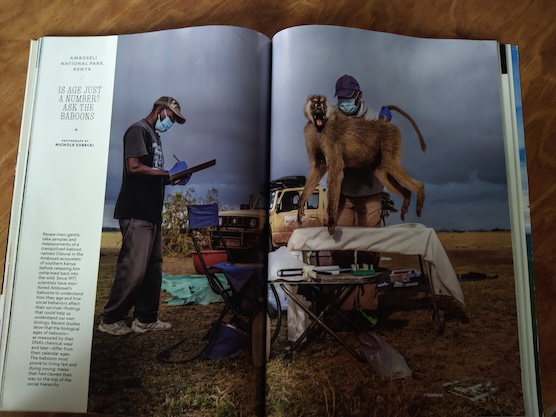
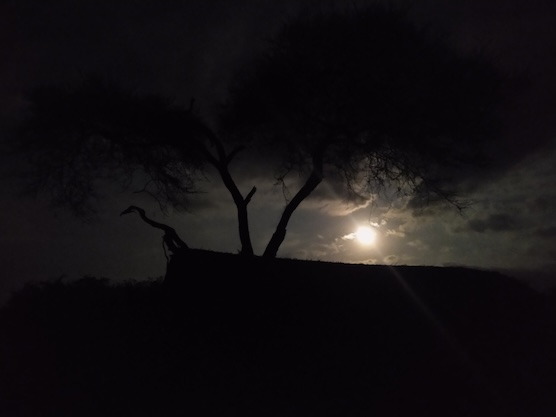
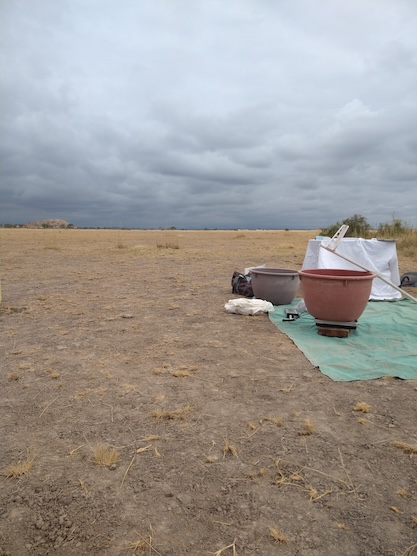
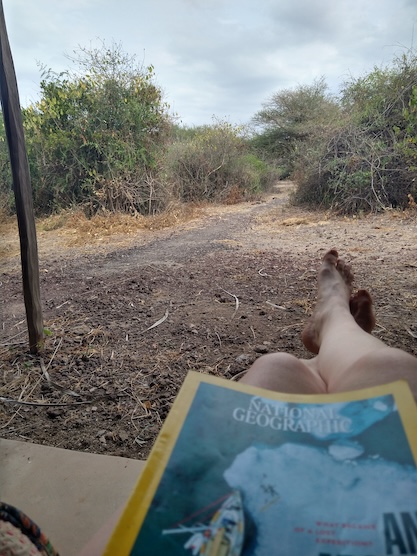
On darting days, we would leave camp around 5:30 AM in a caravan of Suzukis. Half of the team would head towards the tree grove where the troop of baboons slept the night before, and the other half would head towards the processing site (far from the location of the group of baboons). Sometimes it would be a long waiting time before a baboon was successfully darted. In the first days I would wait nervously, but after a while I started bringing a Nat Geo magazine from camp with me to kill the time. One morning, I was sitting on the tailgate of the truck so engrossed in the article that when I looked up, I realized a hyena was watching me from the bushes maybe 5 meters away. I grew a fascination with the spotted hyenas we’d see on the savanna and felt fortunate to see one so close… but I did decide to return to inside the vehicle to finish my reading.
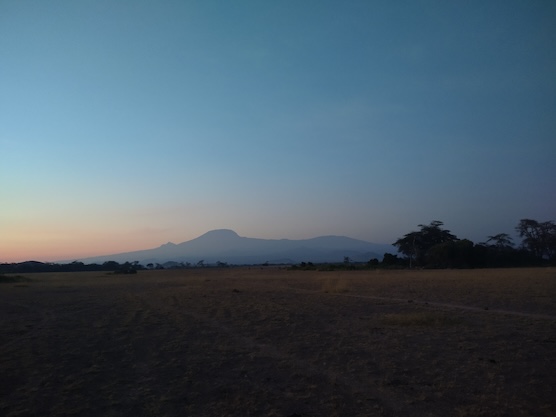
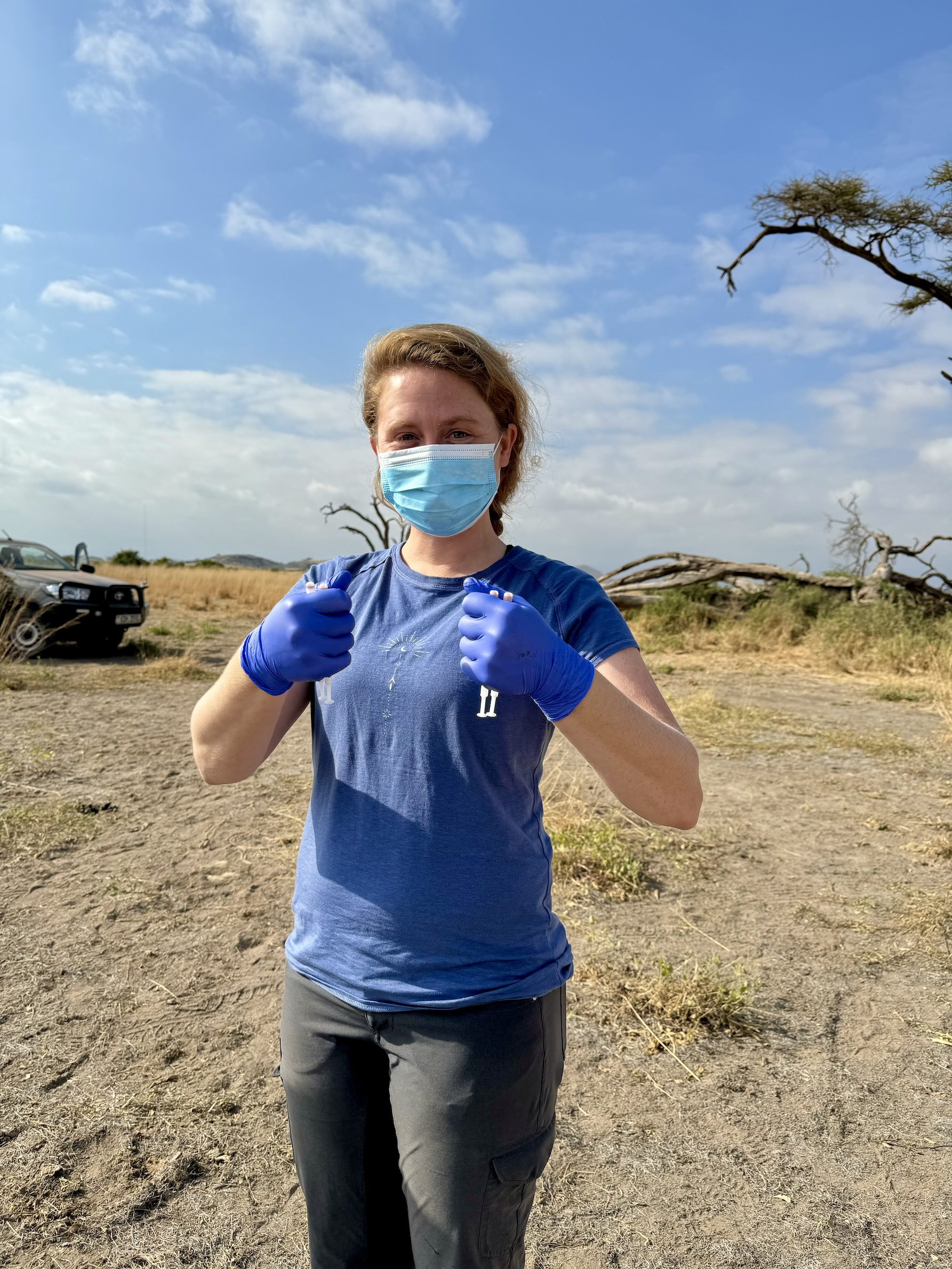
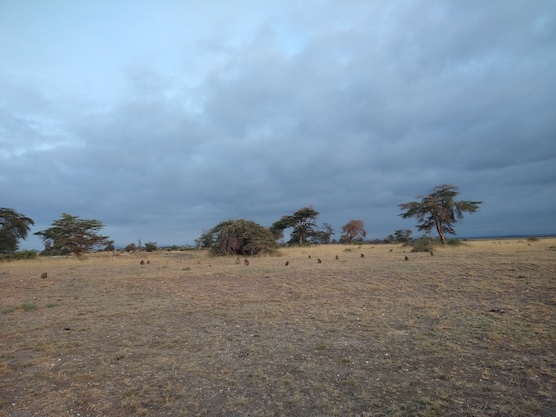
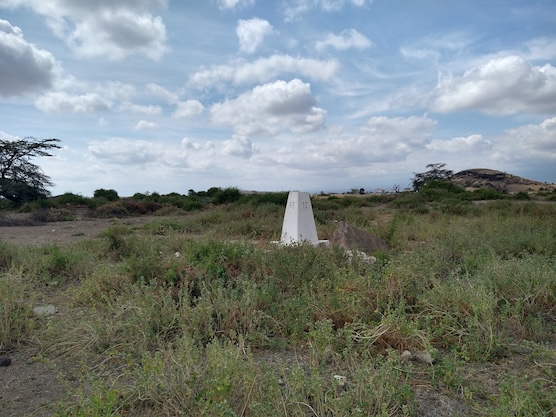
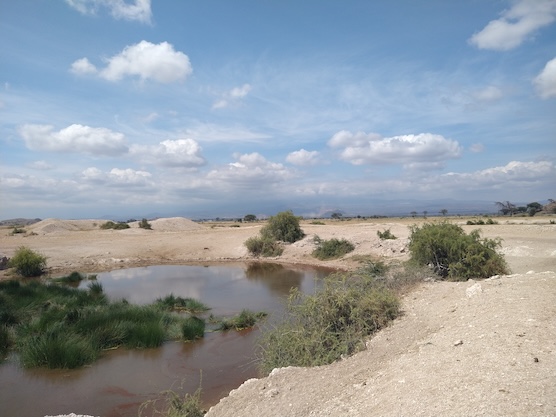
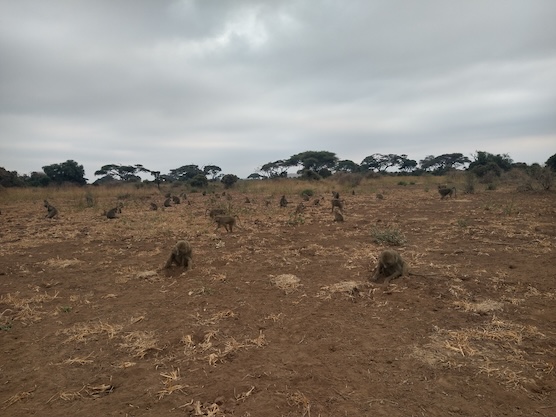
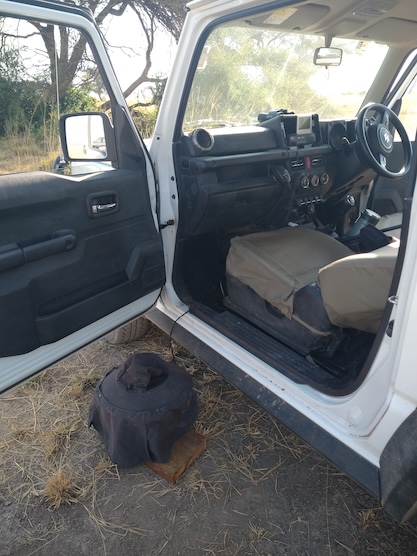
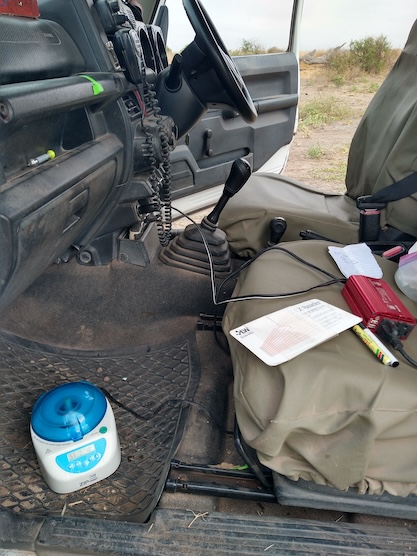
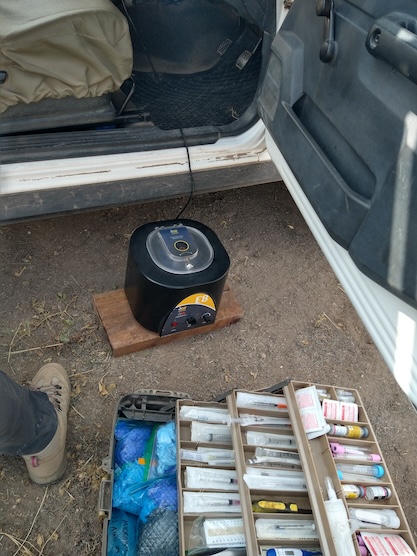
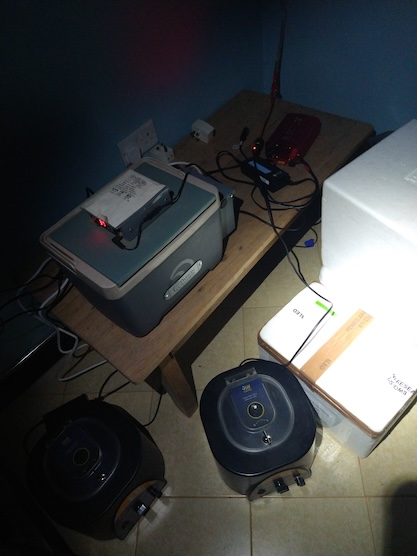
With the help of the vet from Kenya Wildlife Services, a target baboon was tranquilized via a dart from a blow gun. The animal would then be transferred to the processing site where we collected our samples and measurements, then they would be returned to the group a few hours later with no memory of the morning. The anticipation among the team would be buzzing in the mornings, but the darting and sampling procedure would always proceed smoothly. My role in the sampling was helping collect the blood samples for genetic analysis and carrying out immune challenges for the white blood cells from the blood we collected. Some protocols needed to be carried out in the field, so we would run a centrifuge from the 12V charger in the Suzuki to spin down the blood and collect serum, or spin the blood to get a hematocrit reading. I thought it was so cool that we could run laboratory equipment off car batteries in the field!
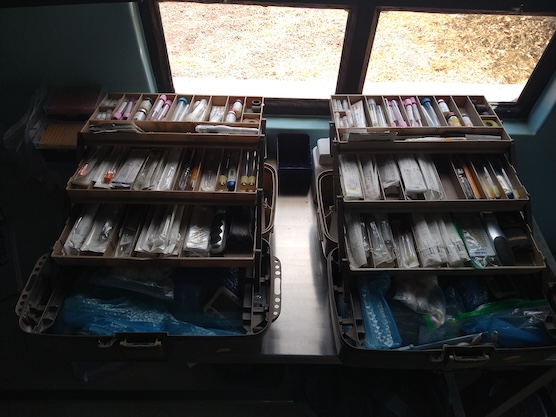
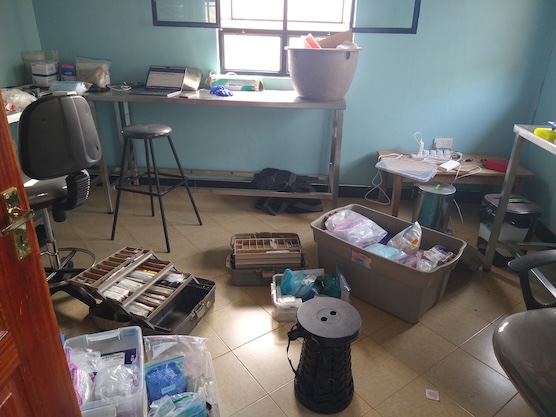
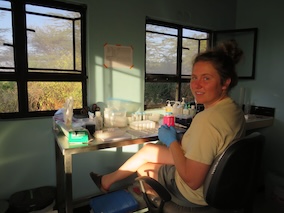
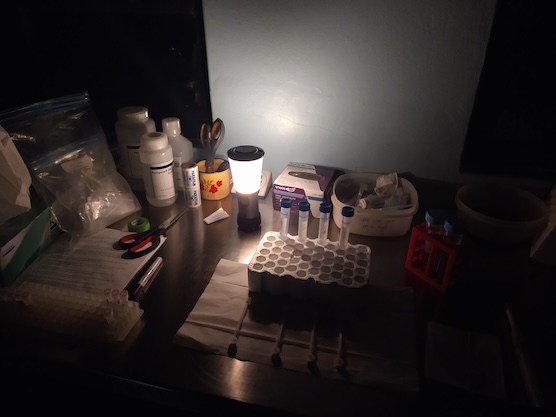
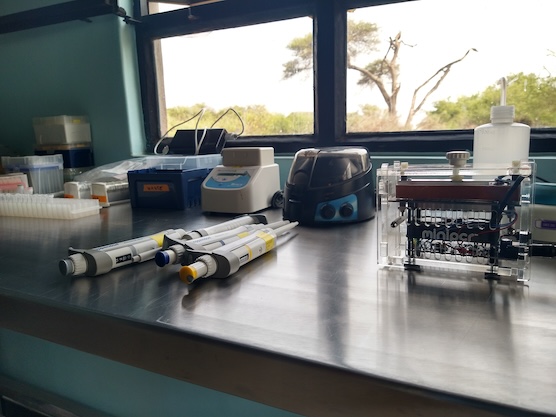
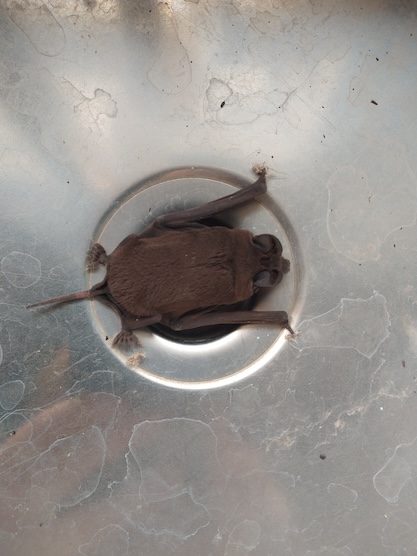
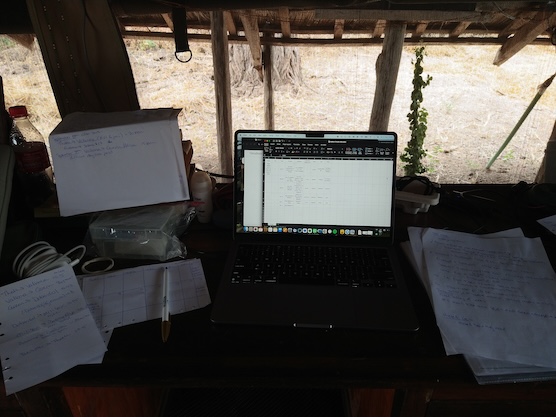
After the darting, we’d head back to camp and the lab work would begin. We have an onsite mini laboratory where we can carry out genetic and cell culture protocols. Bats live in the ceiling and occasionally make their way into the building, the whole thing is run on solar power so sometimes late-night protocols were done via headlamp, and it’s the coolest lab I’ve ever worked in.
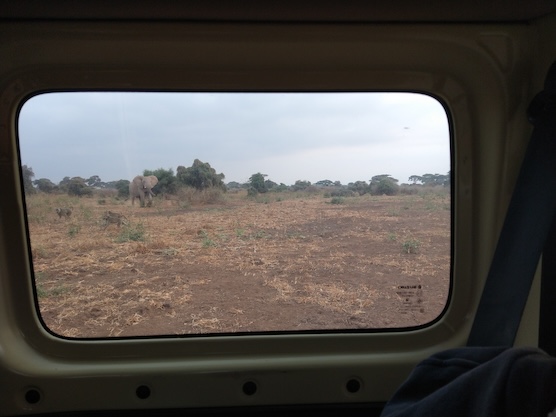
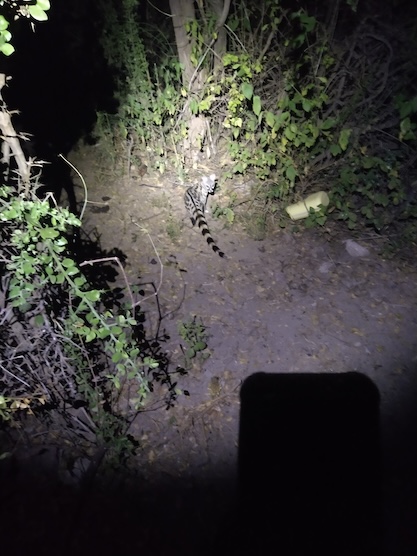
I’d join the team for visits to the different troops to learn about the baboons a bit more, since I’ve never studied primates before this job. We’d have to keep an eye out for elephants and African buffalo, two of the big five species. One morning, somehow, a young bull elephant snuck up on us in the brush and we had to briskly pile in to the Suzuki. Male elephants spend most of their life in solitude and can be especially dangerous. I felt so lucky to see so much wildlife – hyenas, giraffe, zebra, buffalo, elephant, hippo, lions, so much mega fauna!
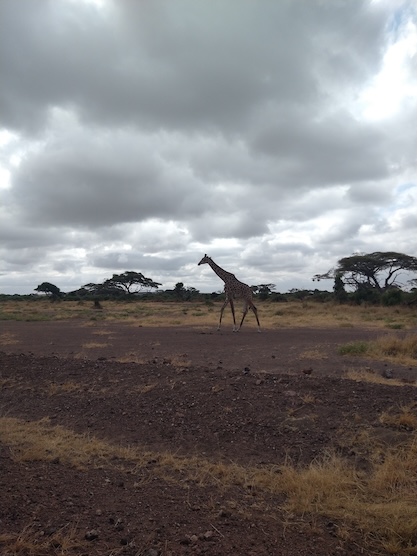
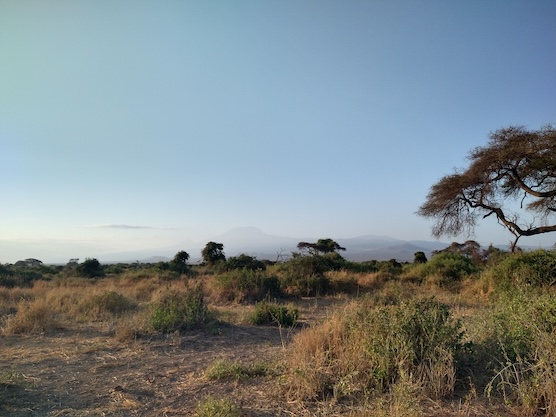
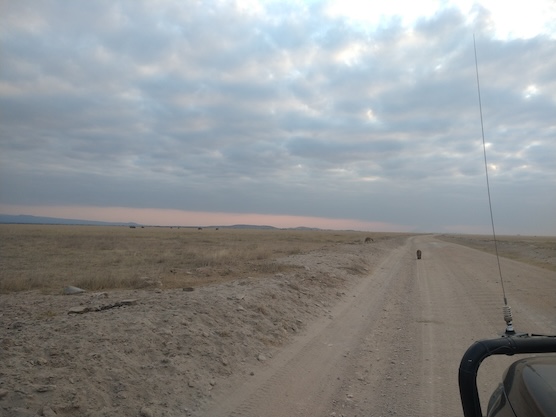
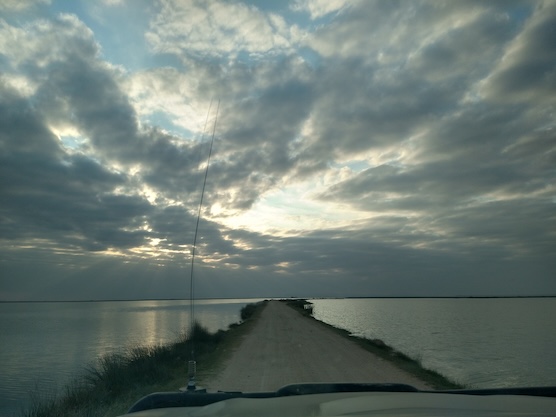
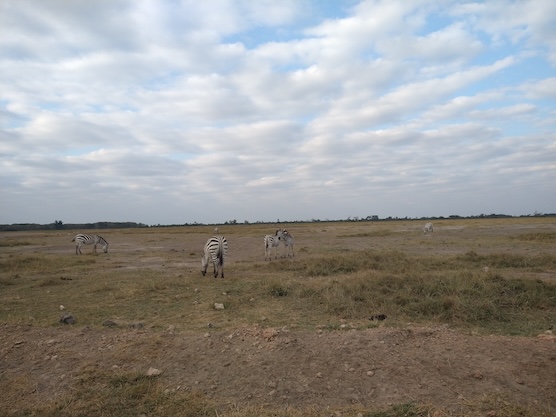
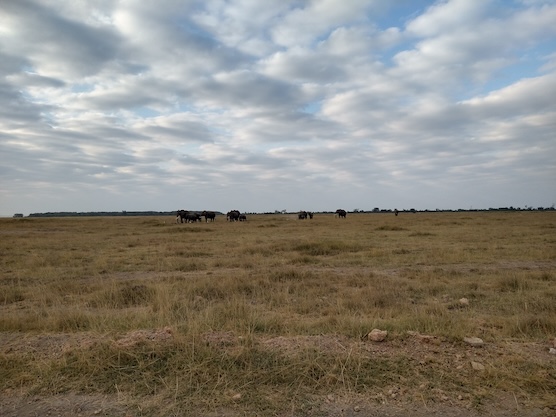
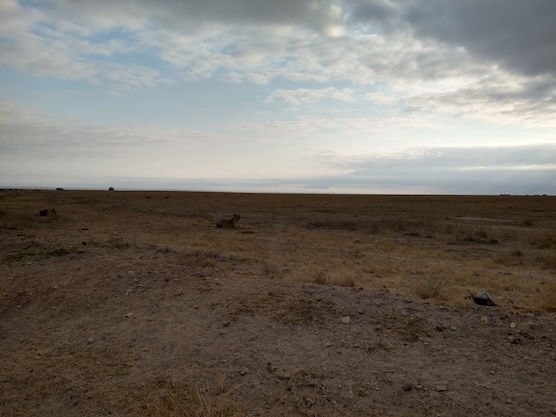
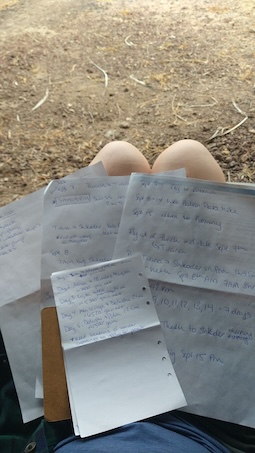
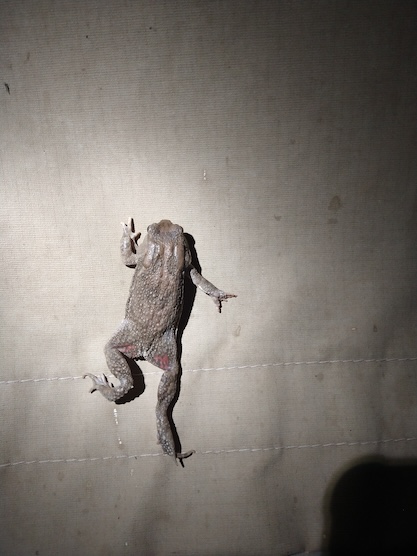
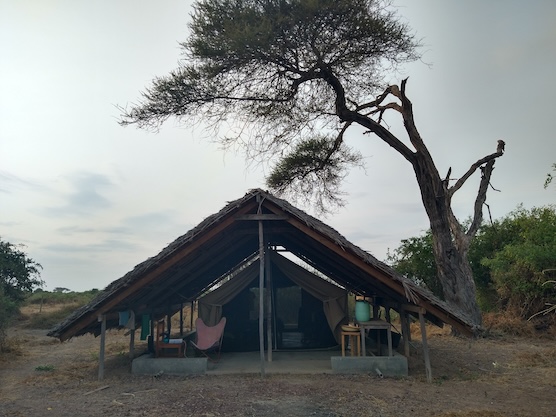
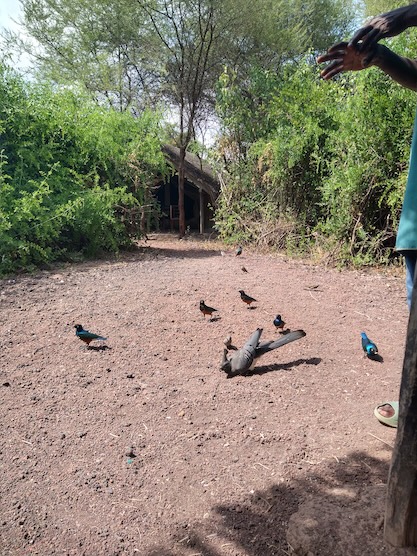
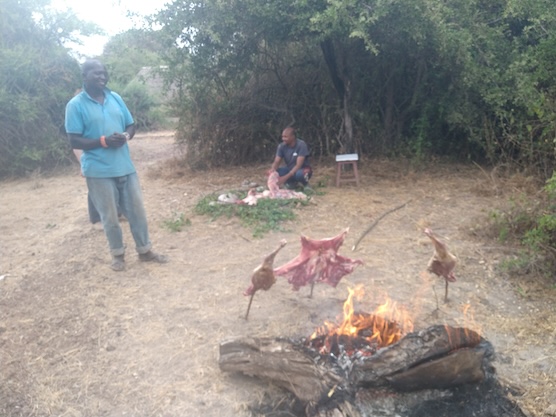
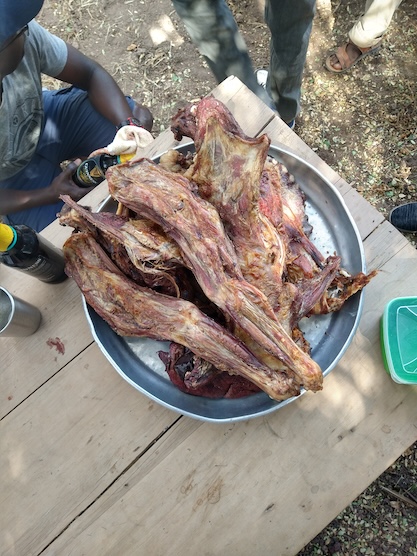
Outside of field and lab work, I would enjoy watching the guinea fowl and vervet monkeys from in front of my tent. I took the time to plan out the hiking trip through the Balkans, in incredible detail on scraps of paper. And I enjoyed the library of Nat Geo magazines. Camp life was a good life. At the end of our field season we celebrated by butchering and eating a goat. I will say that goat is not my favorite meat, but watching the whole process and the unity of the team to celebrate another successful year was pretty great. A cold Guinness was the icing on the cake.
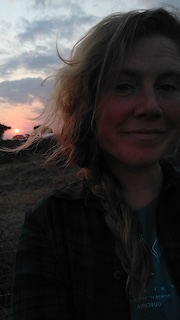


Kalahari, South Africa: October – November 2024
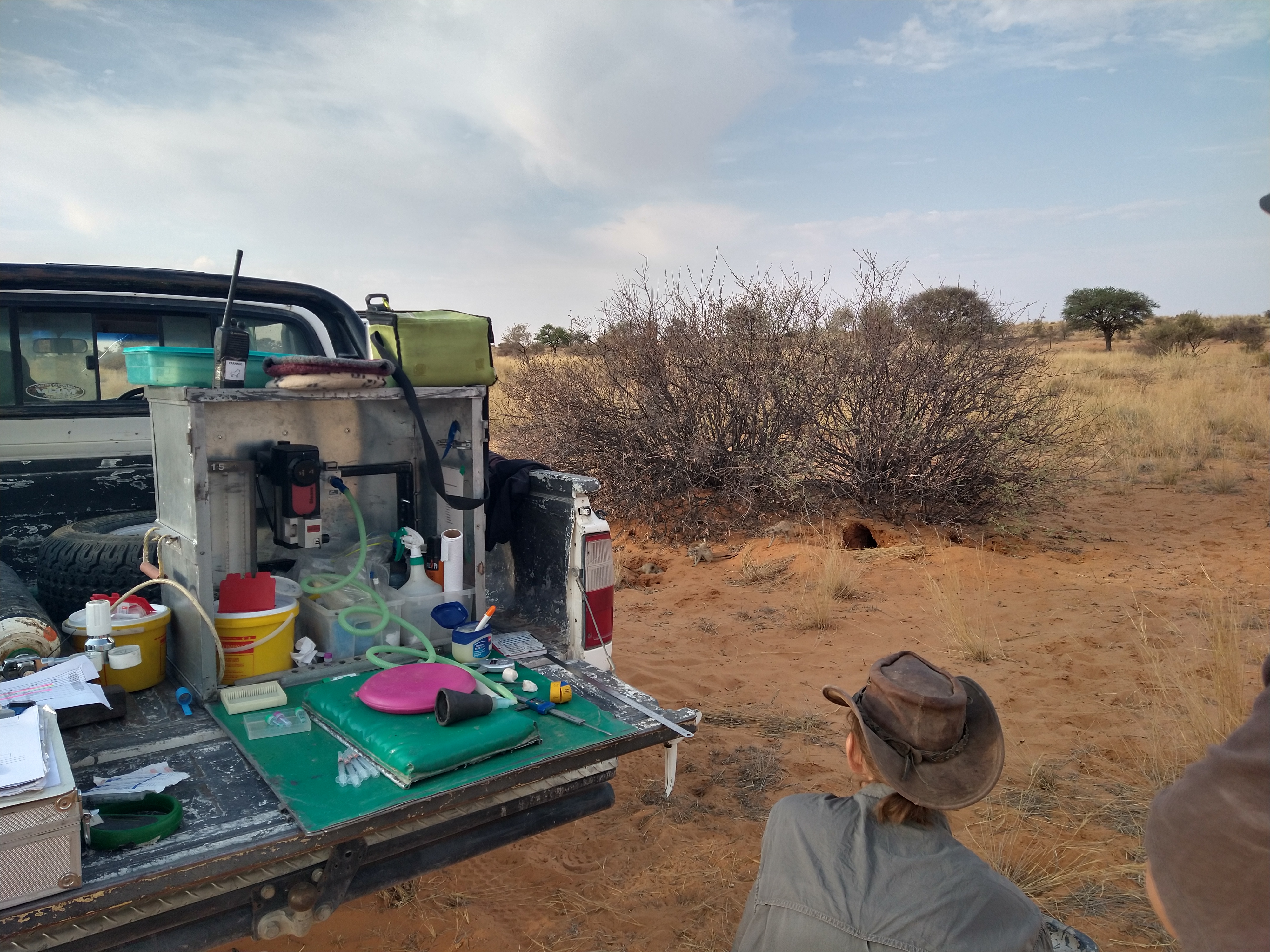
I returned to the Kalahari to train a new technician on how to carry out our cell culture experiments onsite at the meerkat project. It was pretty cool to be able to return, again, to some old stomping grounds. I spent a year working at this field site from 2019 – 2020, visited again for a quick 3 weeks the summer of 2024, and was now back for two months to find a way to prolong the sampling and keep the genetics and cell culture labs running. The work was pretty consistent from my summer trip, just more teaching and training new personnel to take over the lab until May 2025 (where I will likely return again to train someone new).
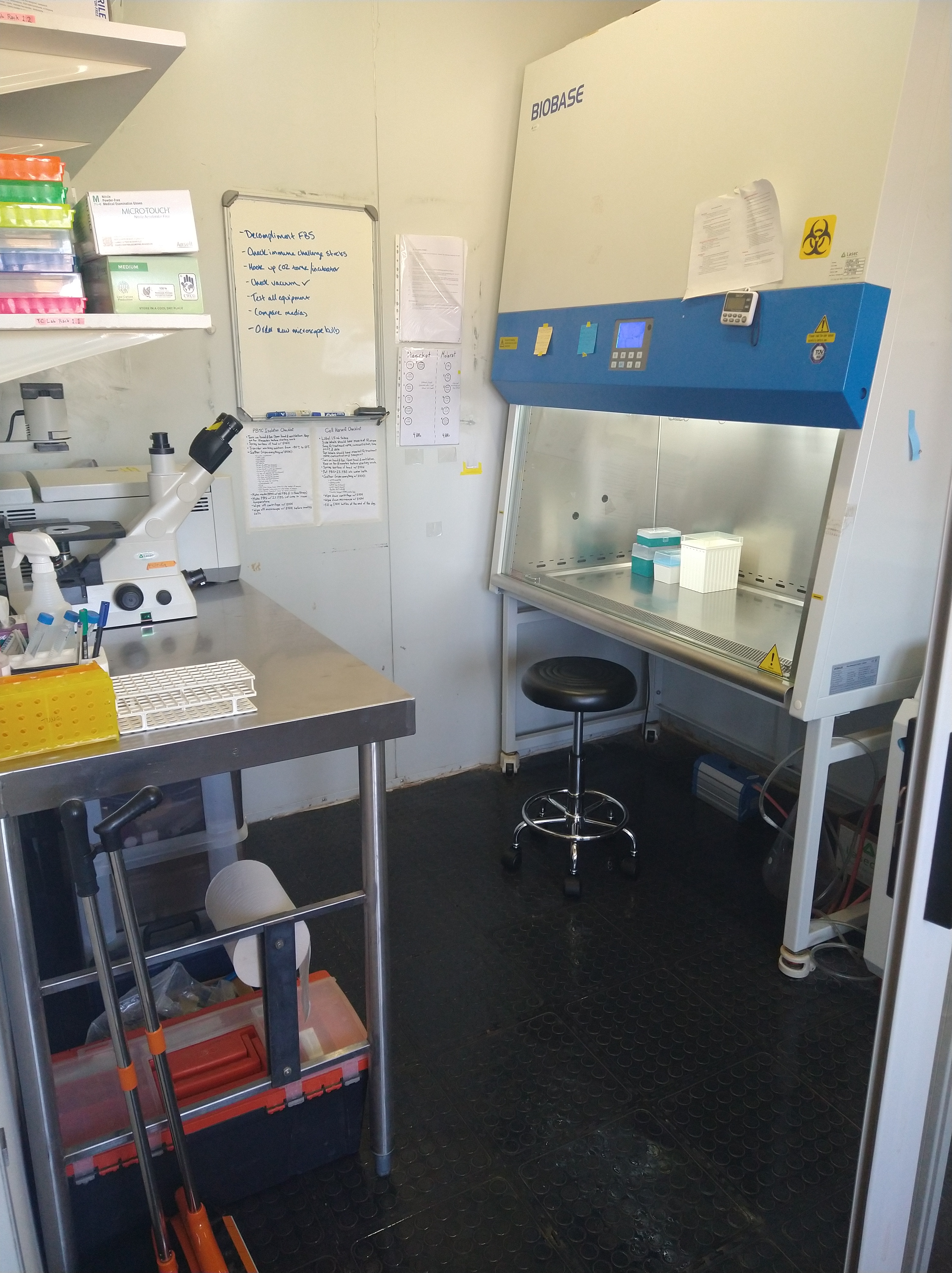

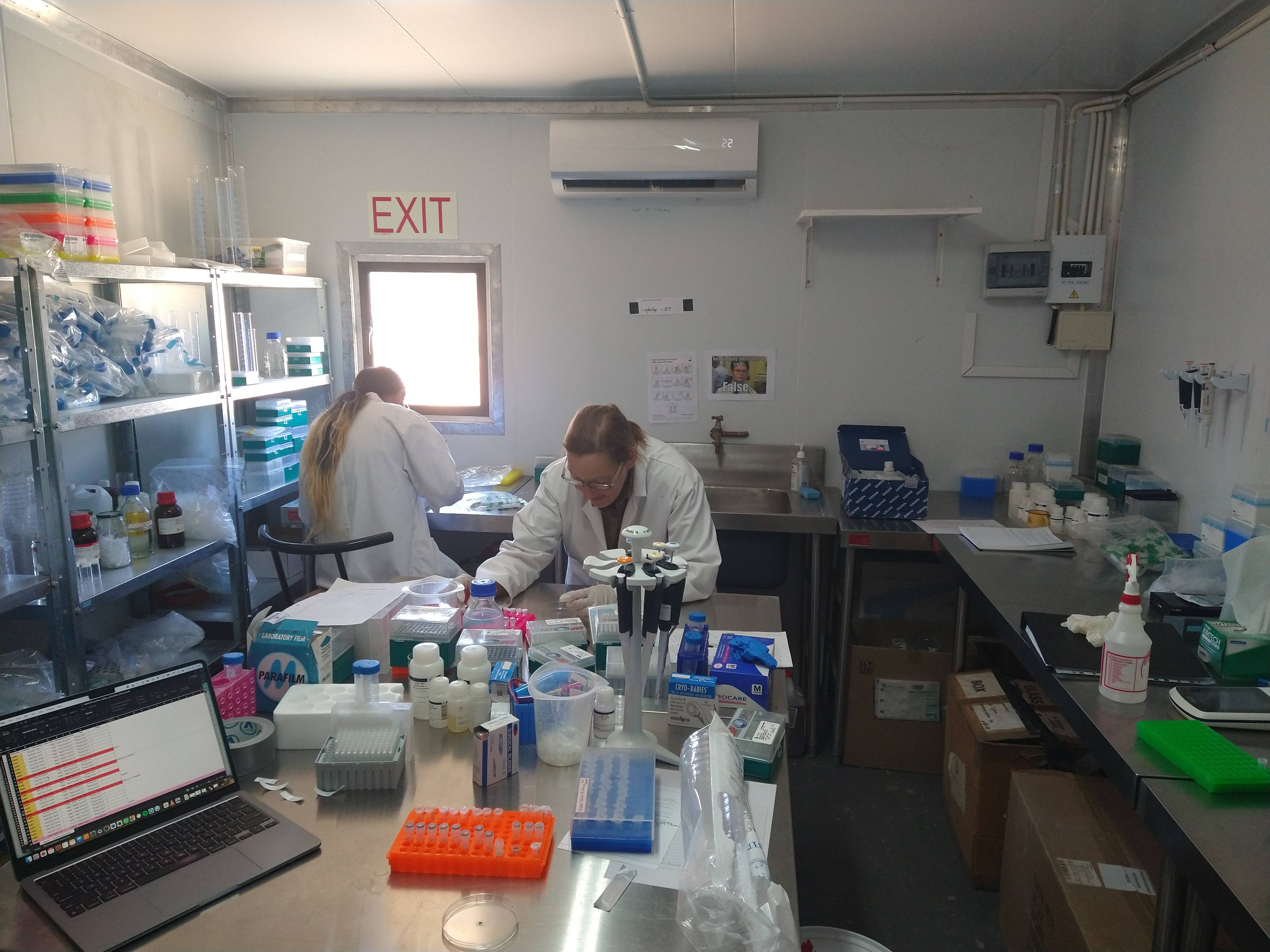
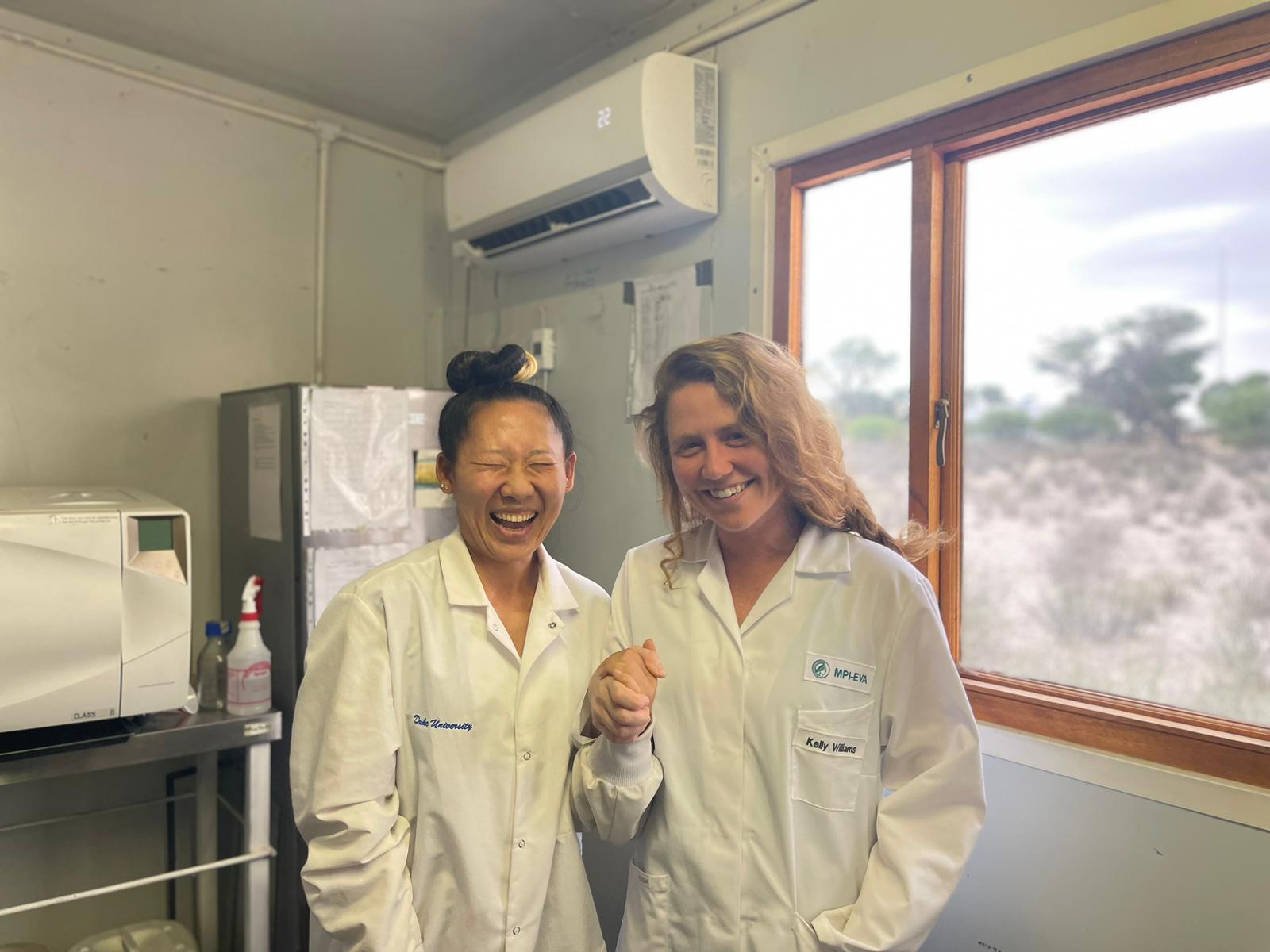
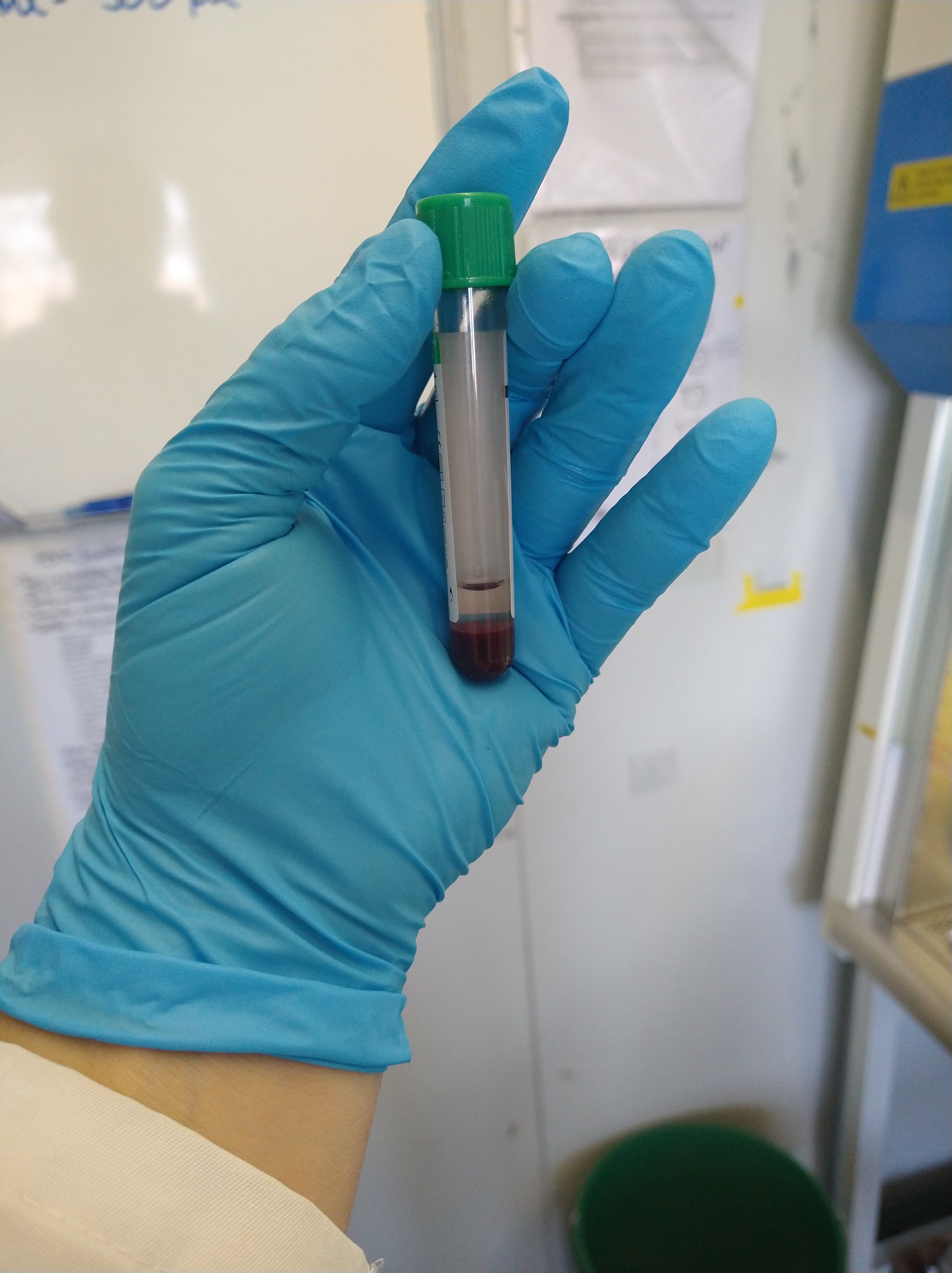
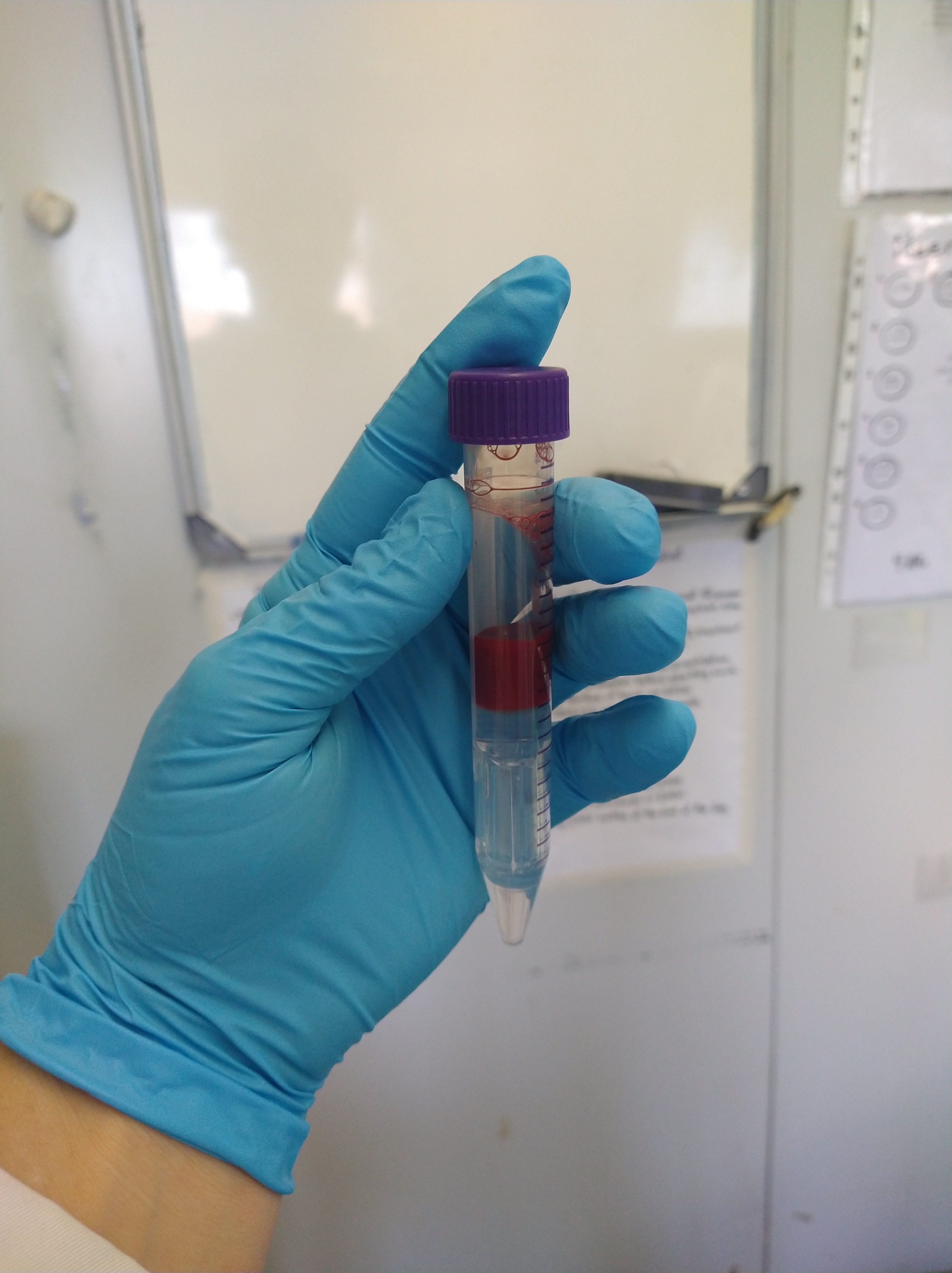
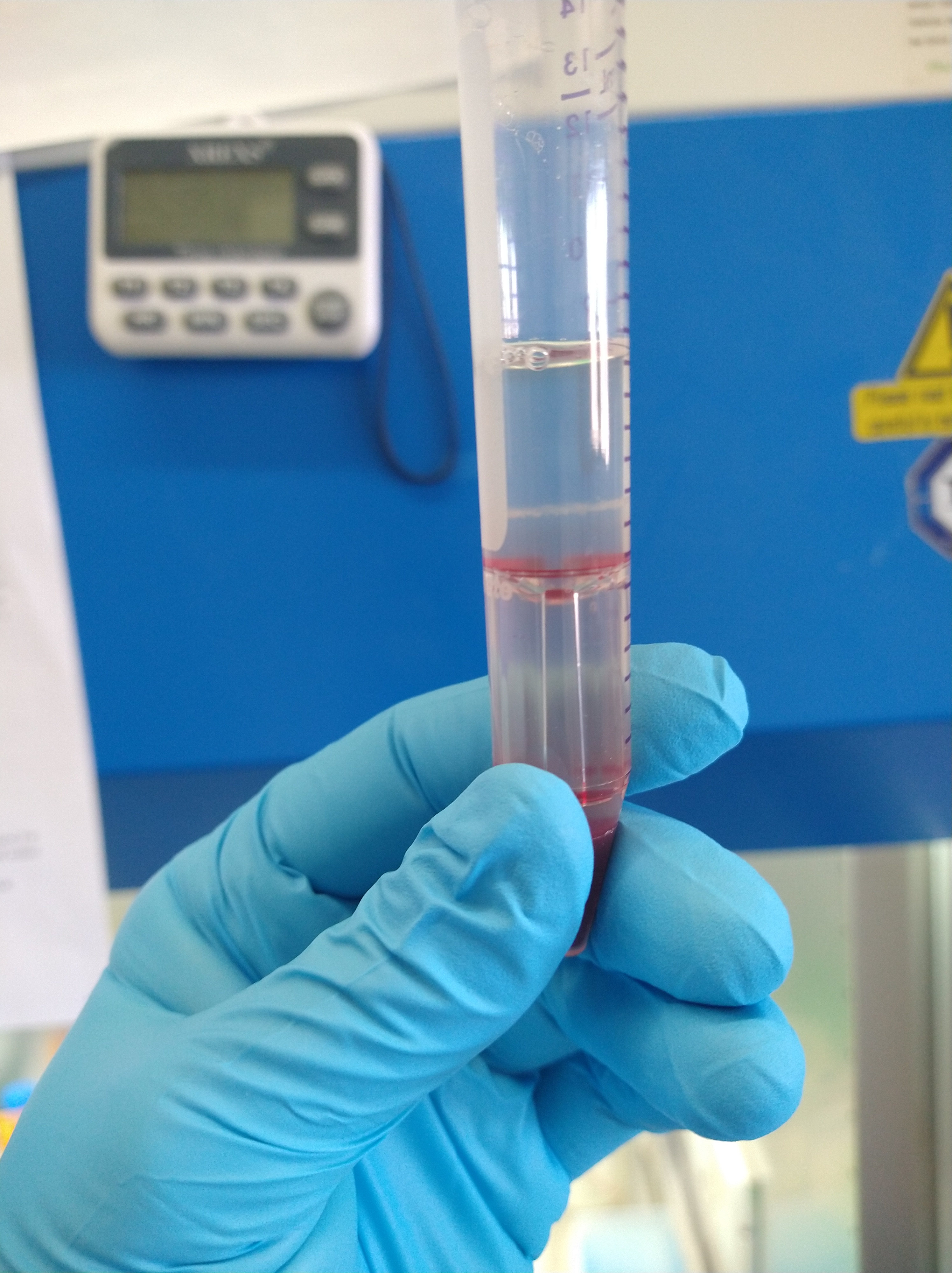
Similar to the baboons, we can learn a lot about the immune response of white blood cells collected from different ranking individuals in the meerkat population. We collect a small volume of blood, isolate the peripheral blood mononuclear cells (basically white blood cells), and challenge them in a petri dish to different stressors. After a four-hour incubation with the stressor, the cells are harvested and stored to later look at gene expression and compare the levels of expression to the status of the individual in the population. We’re looking at how hierarchy within the group can affect immune responses. We’ve published findings on this from work done pre-pandemic here.
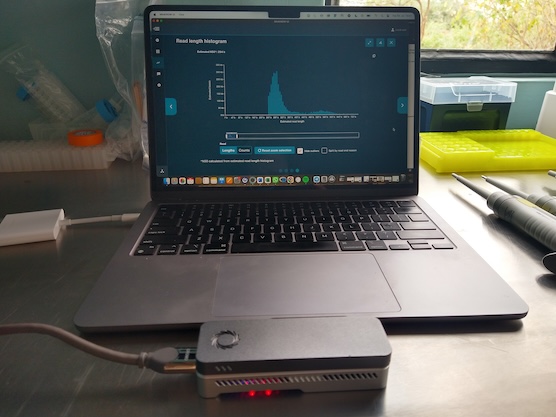
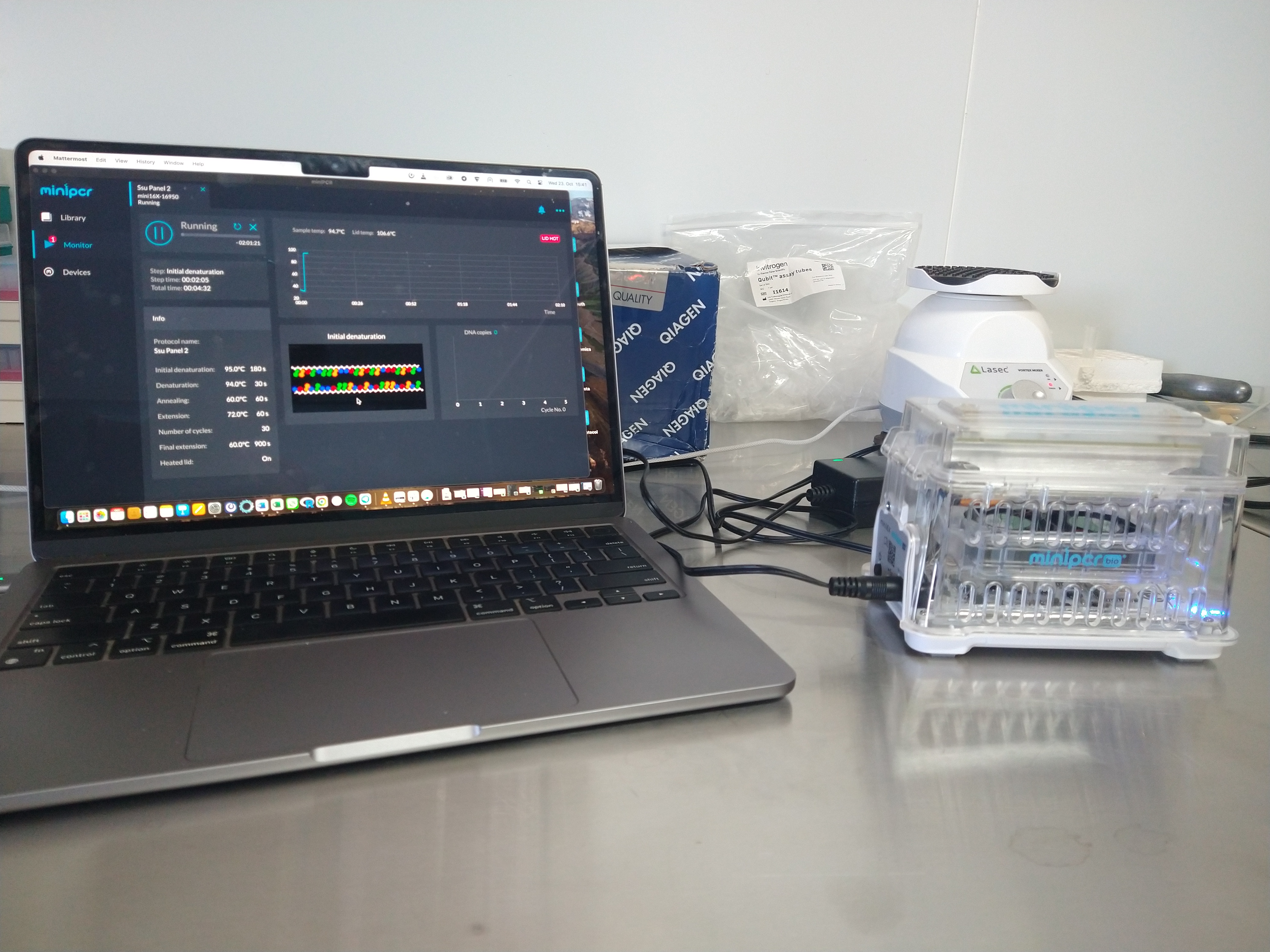
Also similar to the baboon work, we’re trying to develop a pedigree for the meerkats as well. Meerkats are slightly more inbred, so basically more genetic markers are necessary to get the resolution needed to tease apart parent-offspring. I brought the MinIon sequencer to run off my laptop and, using a mini thermal cycler that runs off an app on my phone, we have sequenced the first meerkat DNA onsite in the Kalahari!
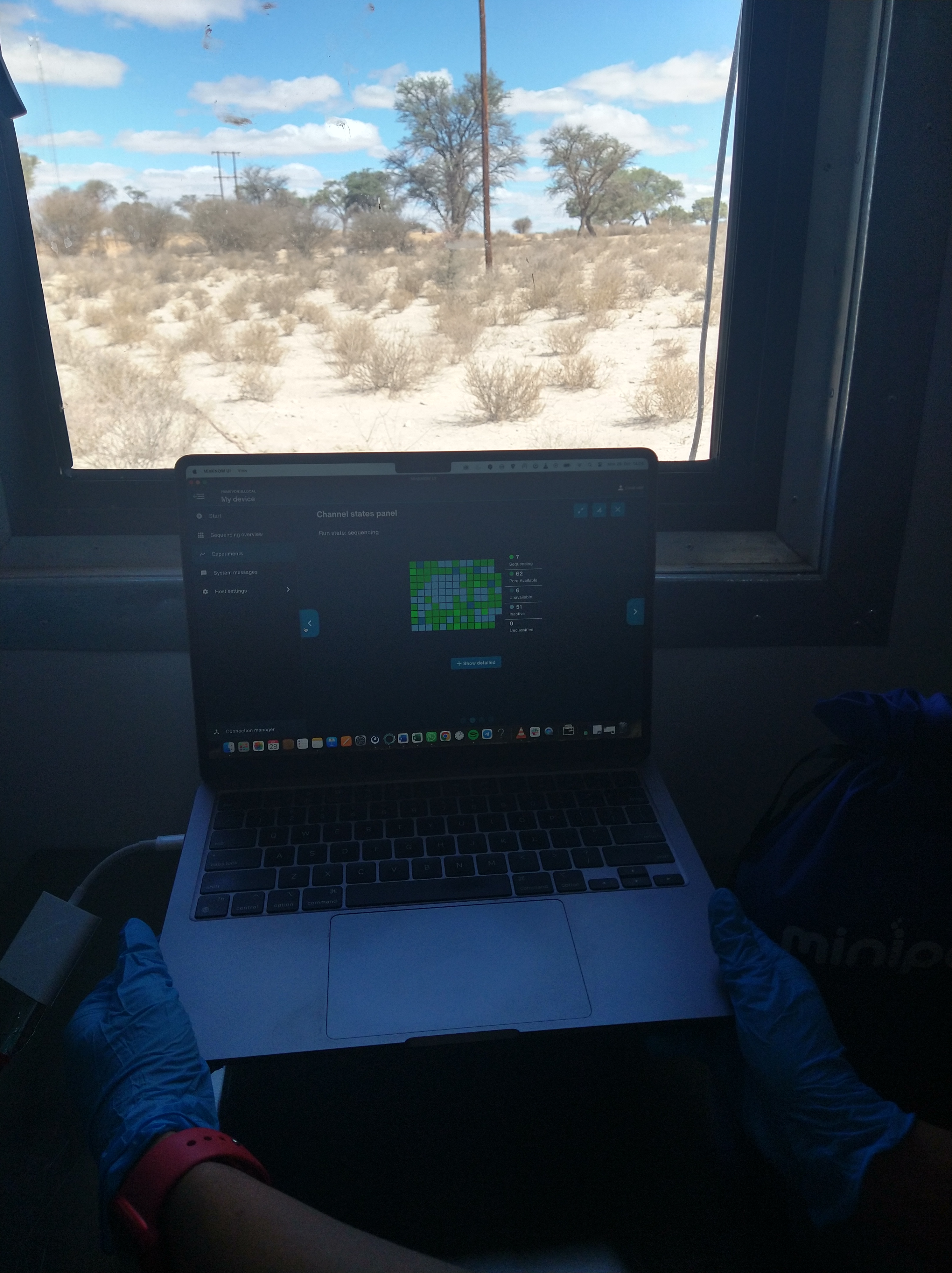
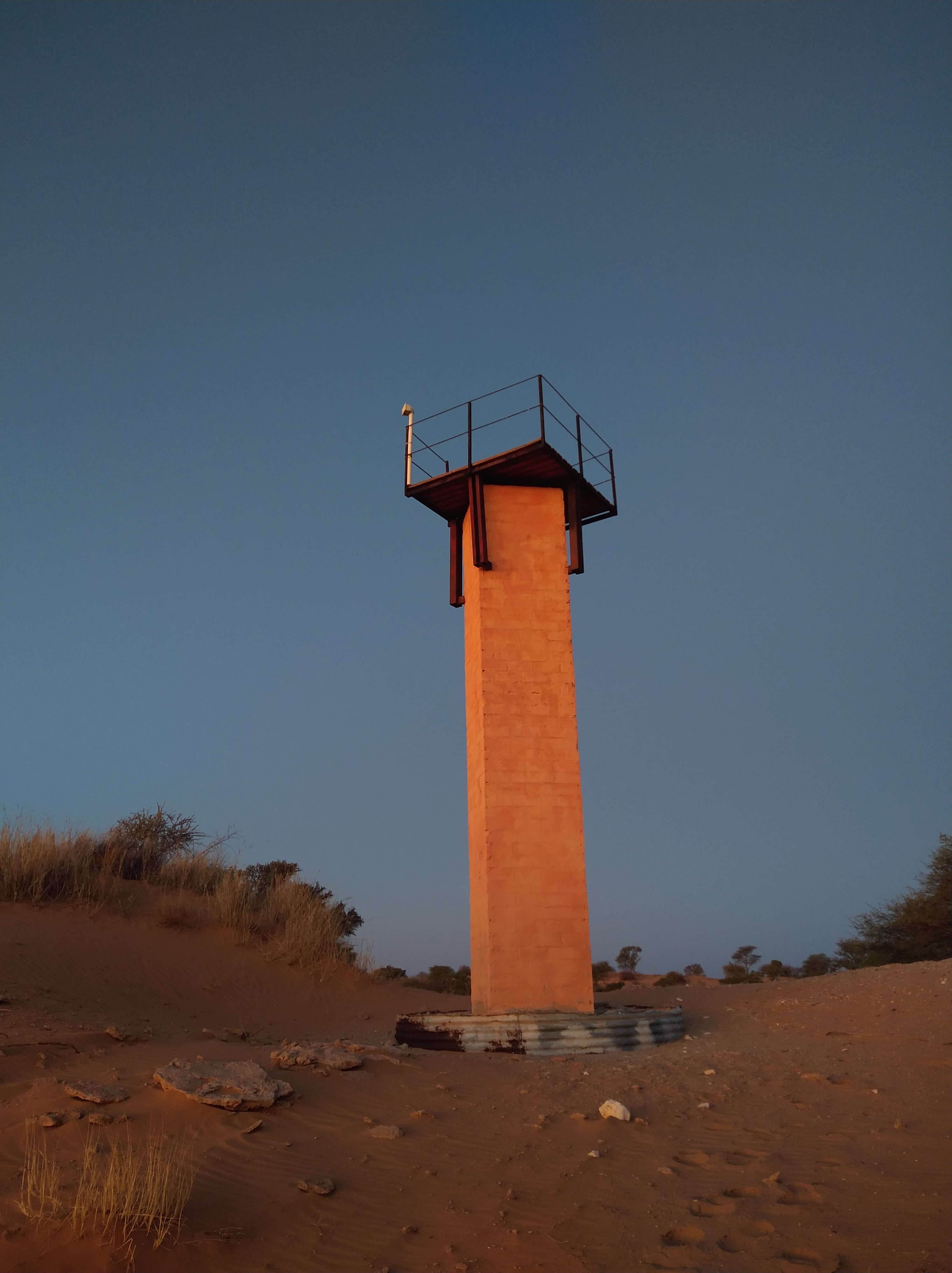
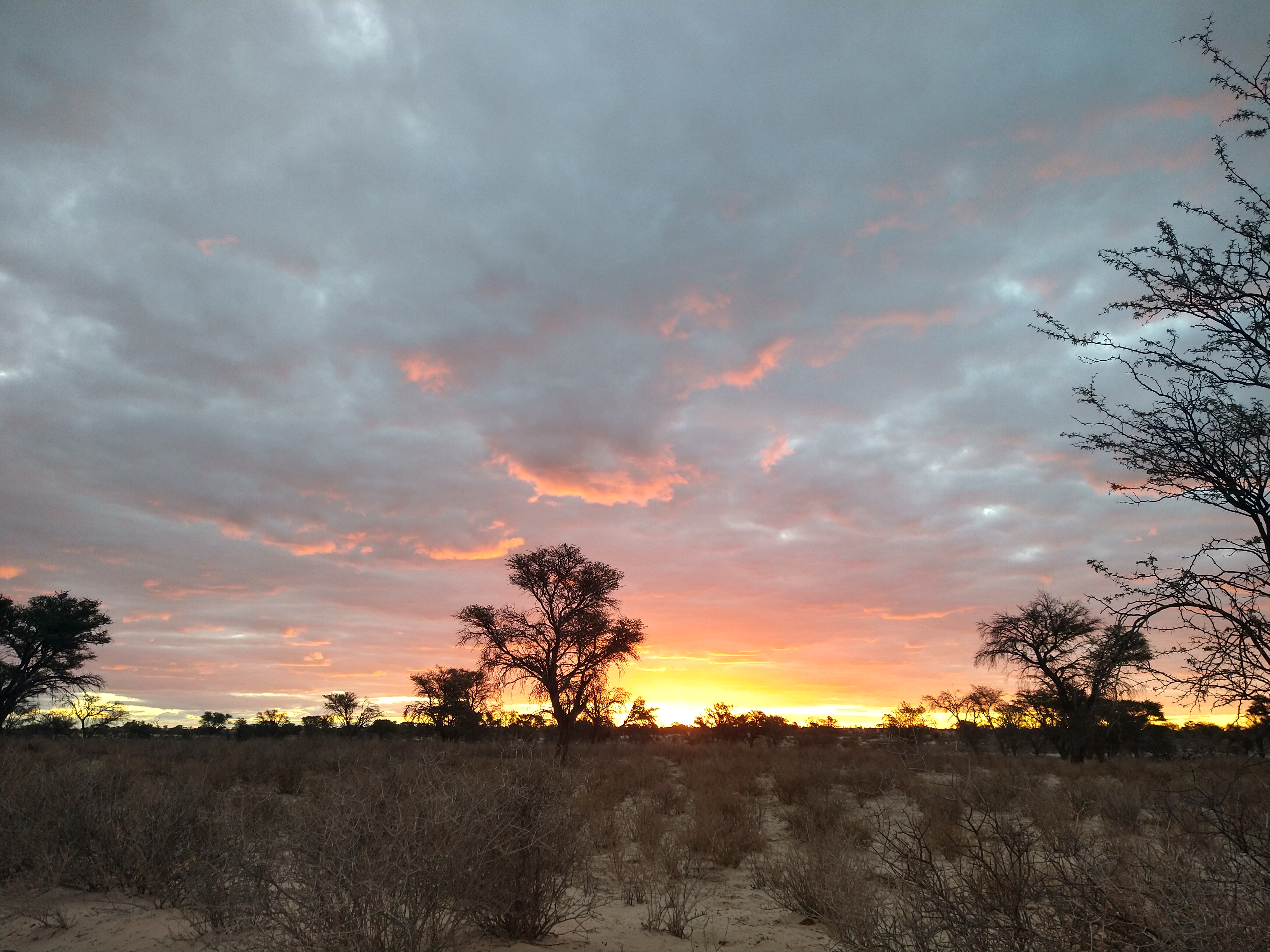
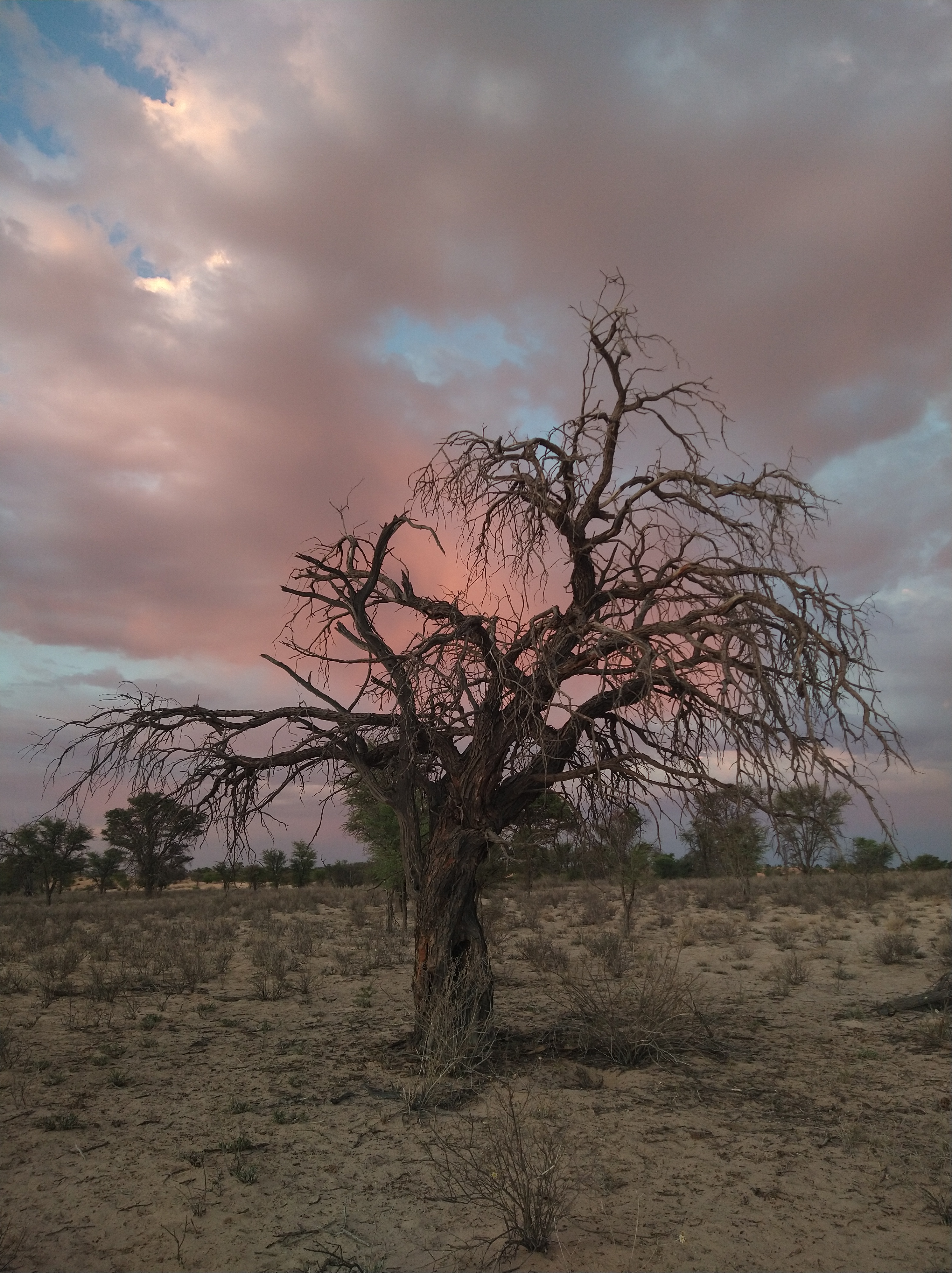
October and November in the Kalahari can be quite warm as the southern hemisphere is entering their summertime. Dust storms would be common; I got caught out on the e-bike a few times in them. Sometimes big thunderstorms would roll in that I would watch from a hammock on the stoop. At nights it would be so hot in my room that I would either try to catch some wind on the stoop (porch) or venture up the fire tower to watch the stars until it cooled off. Occasionally a few of us would try to “catch some wind” on the stoop and would end up hanging out until it was bearable to sleep.
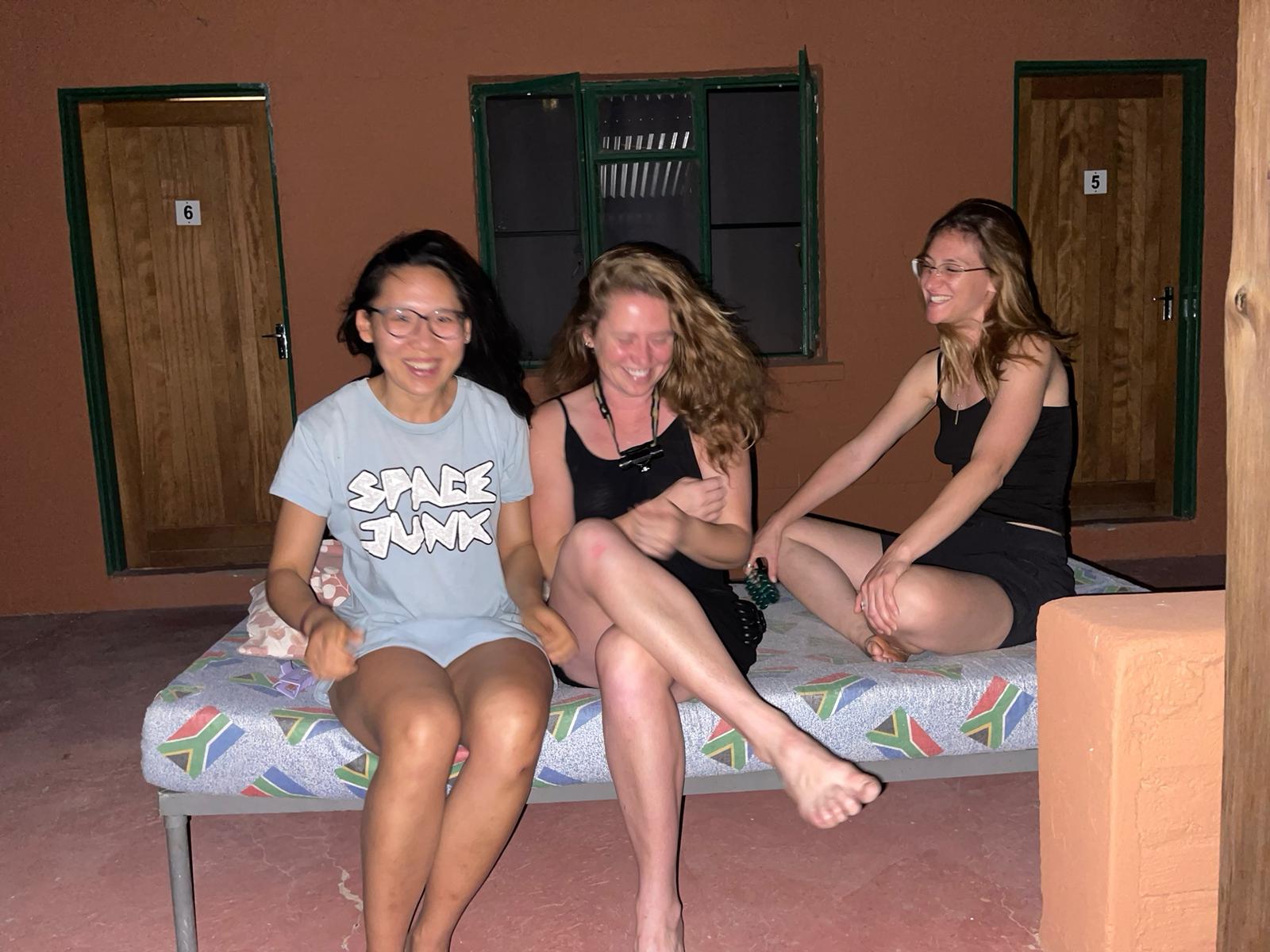
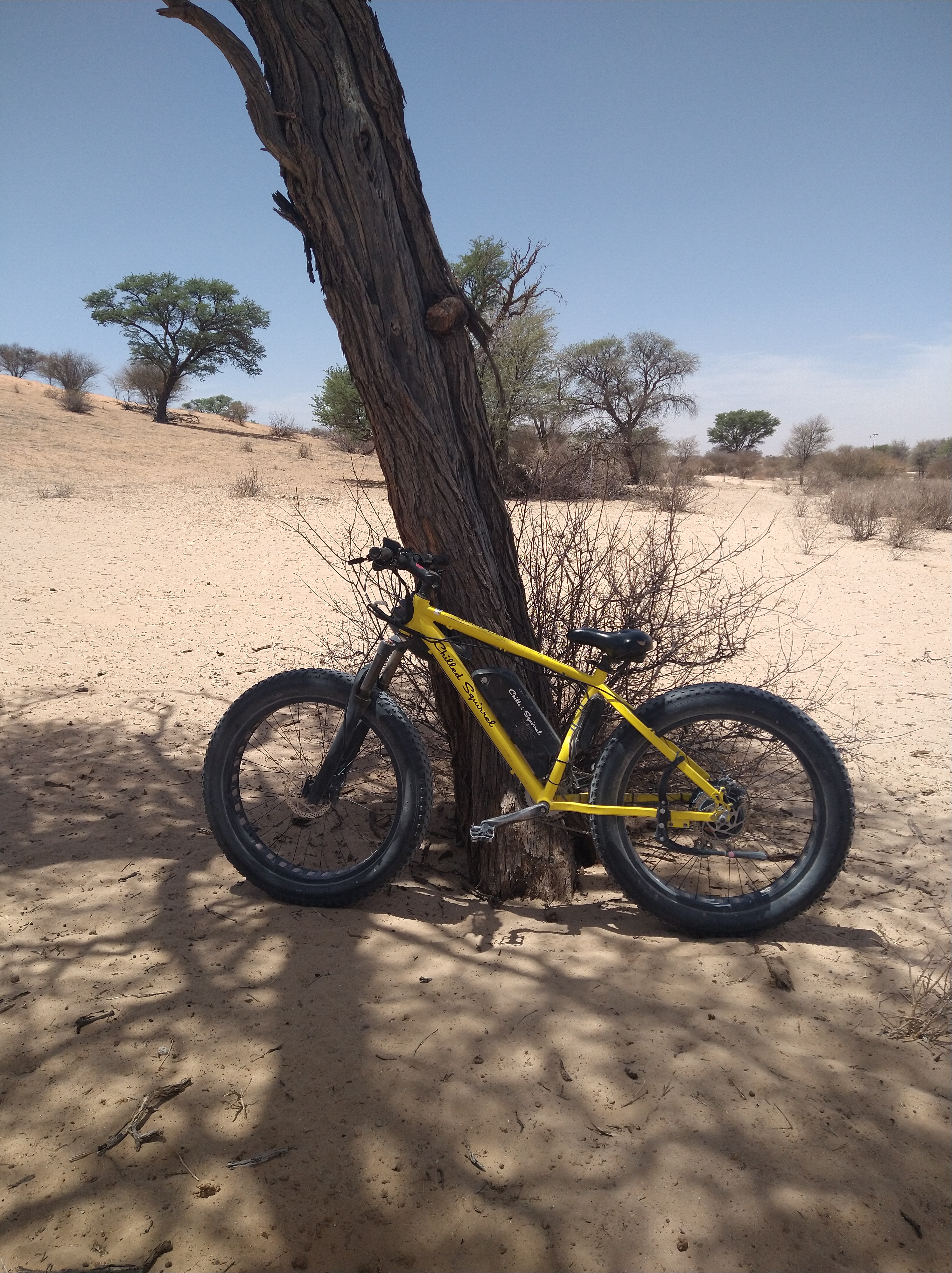
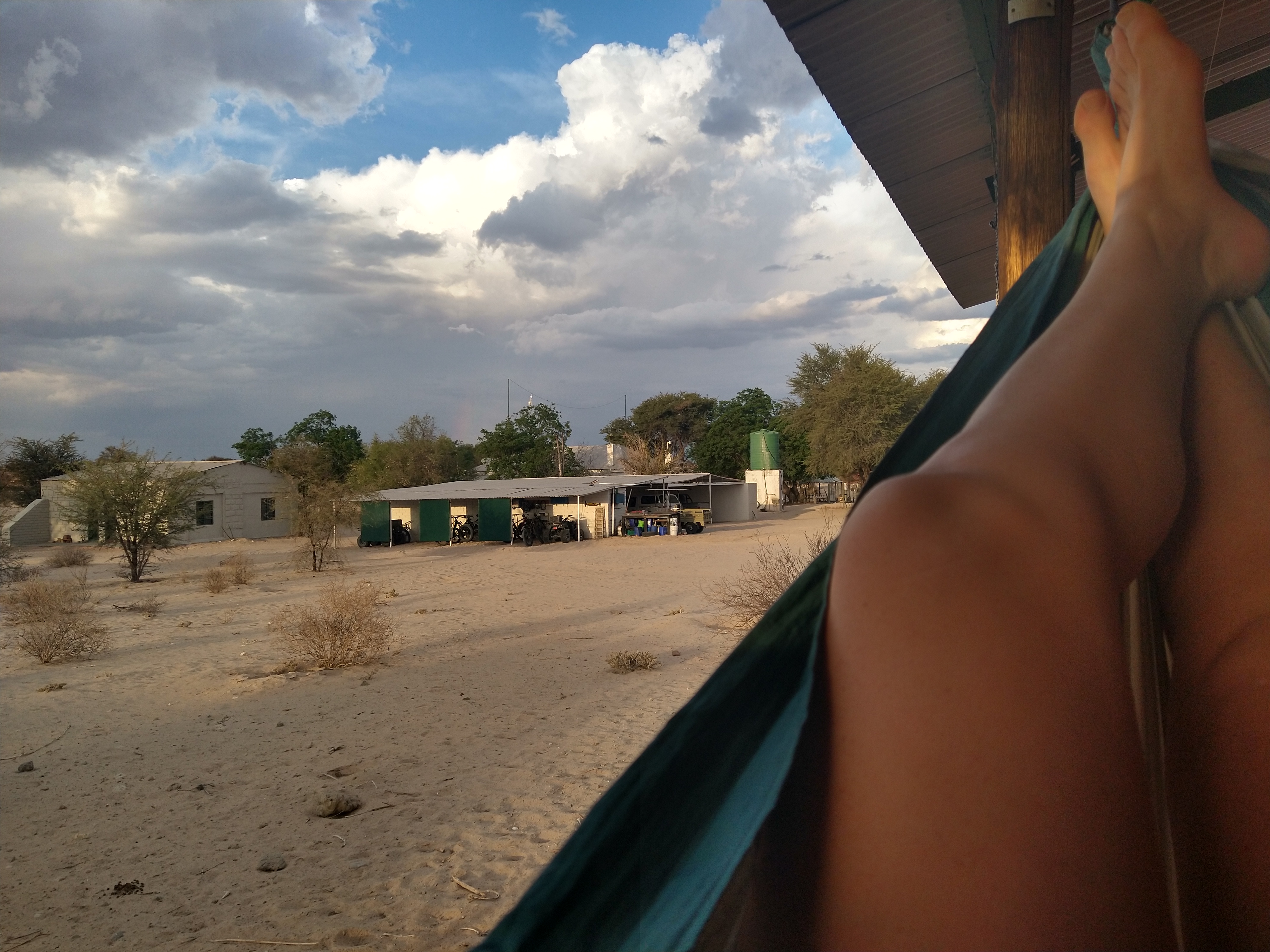
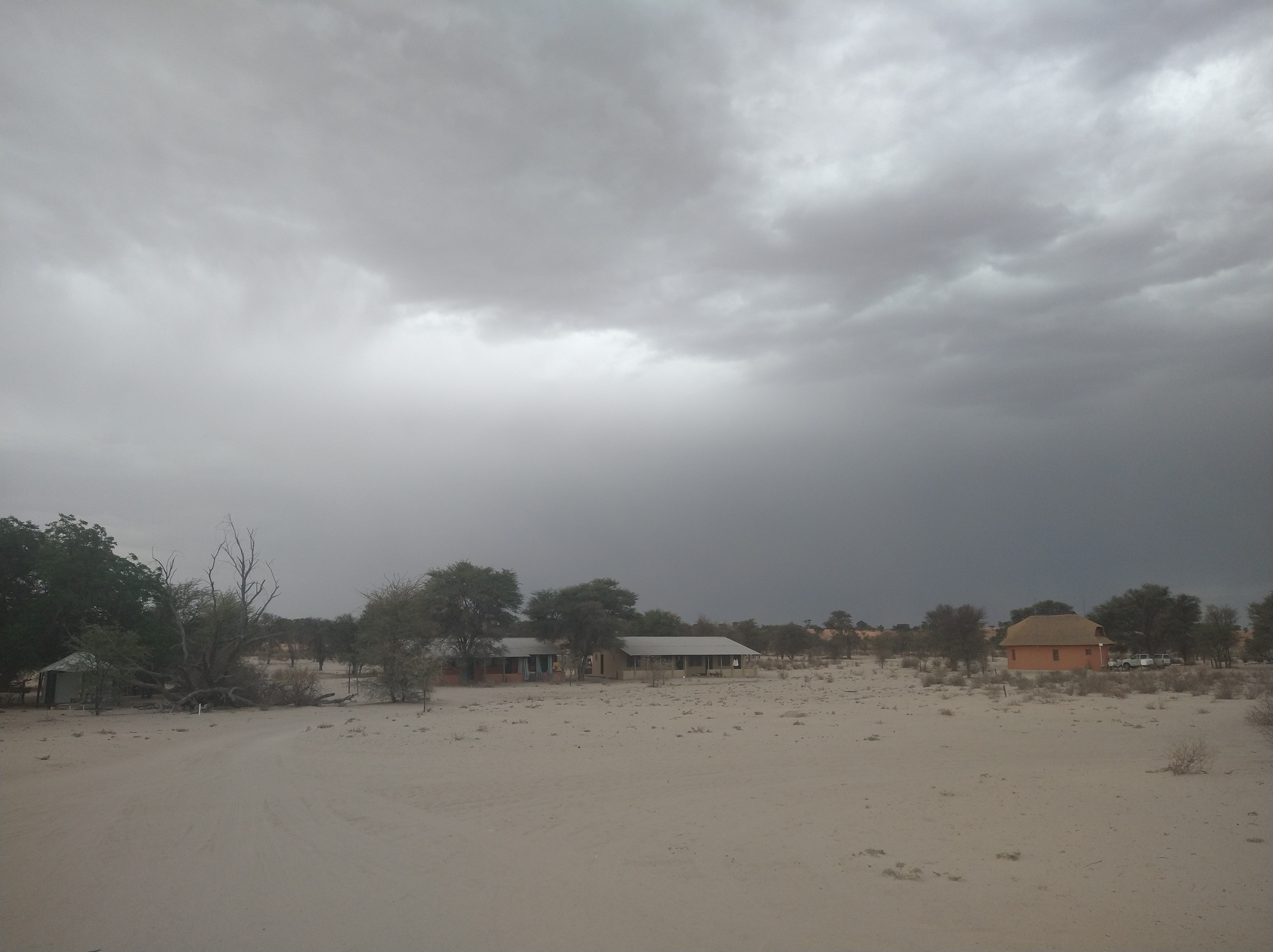
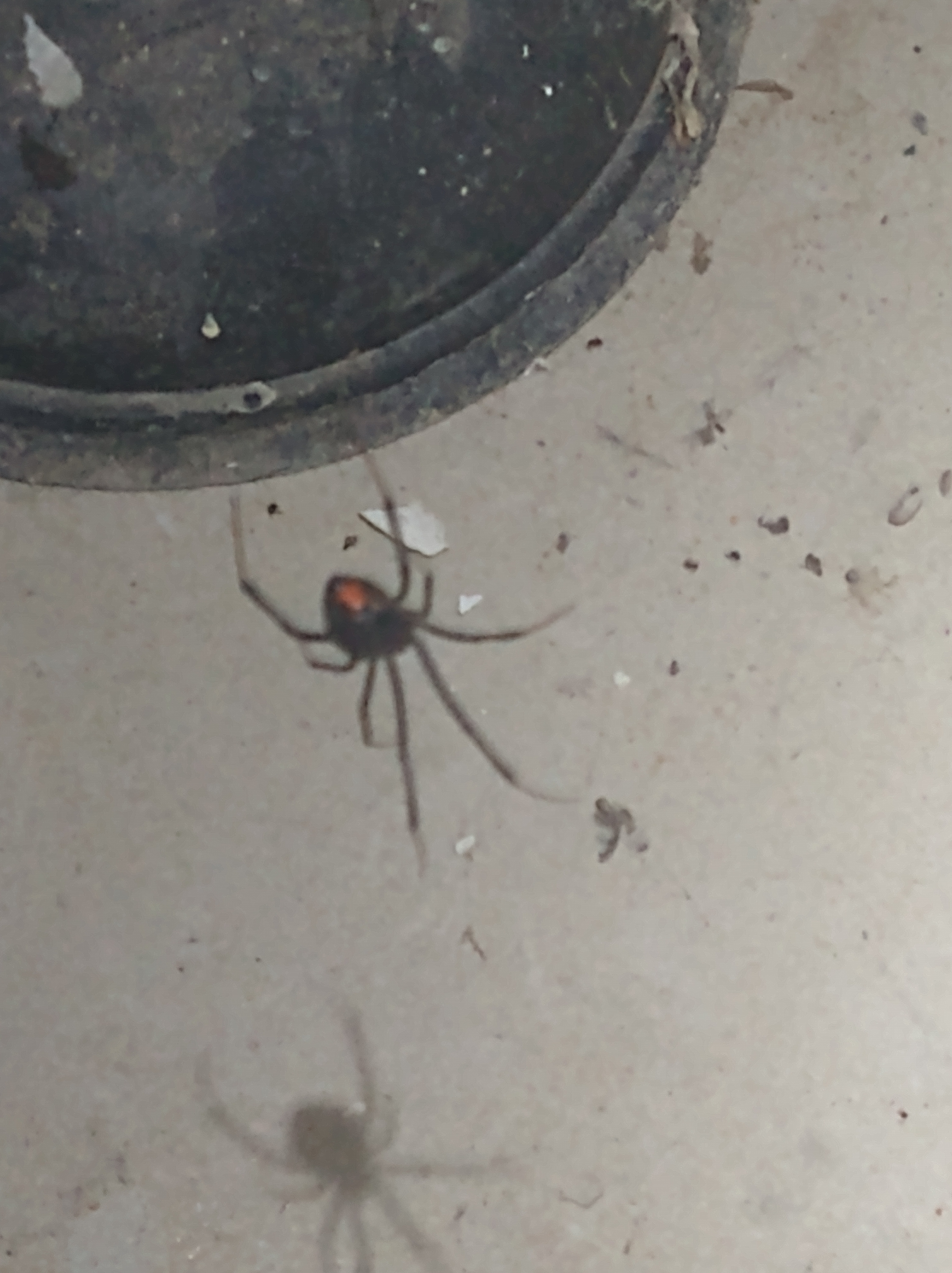
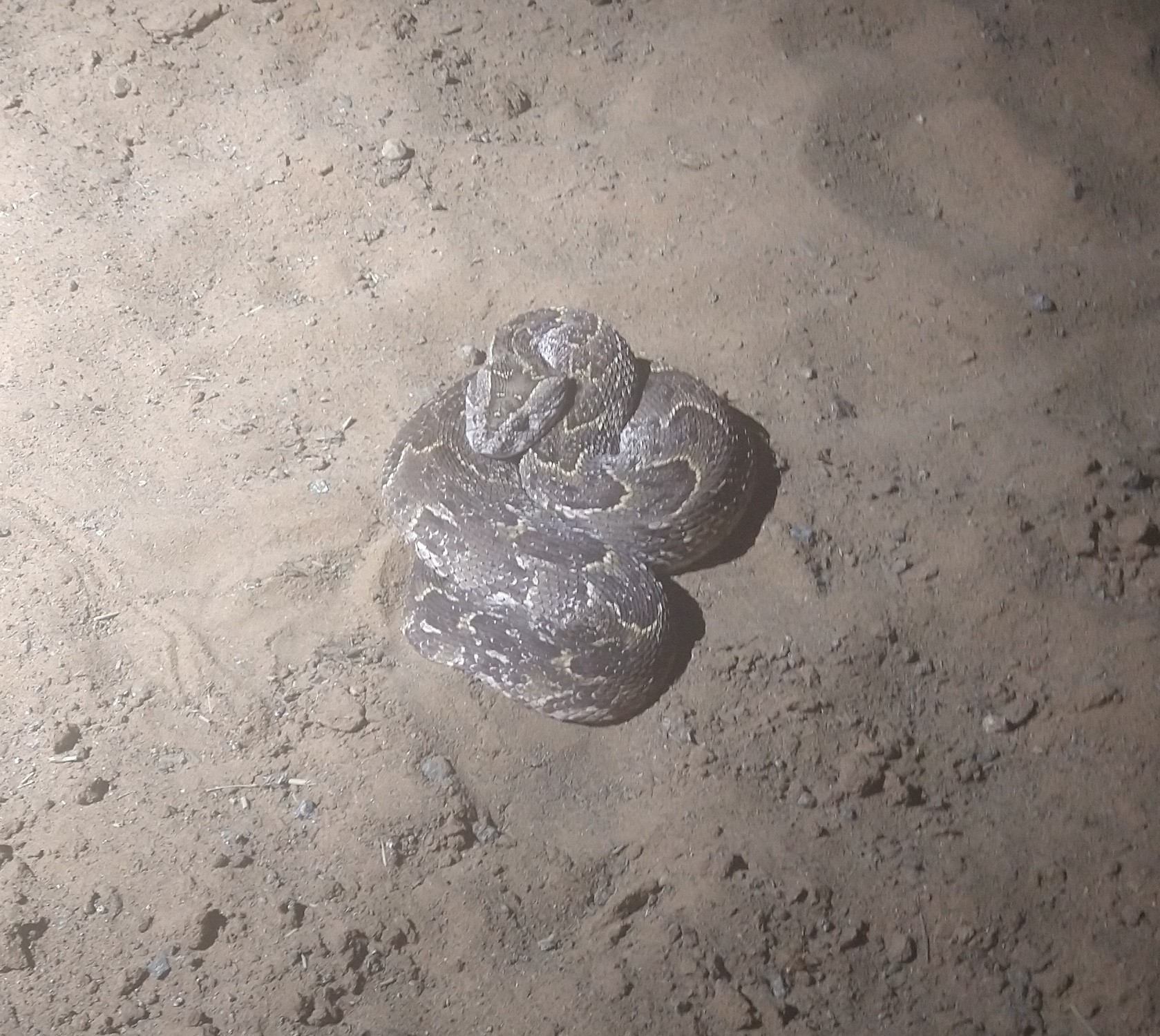
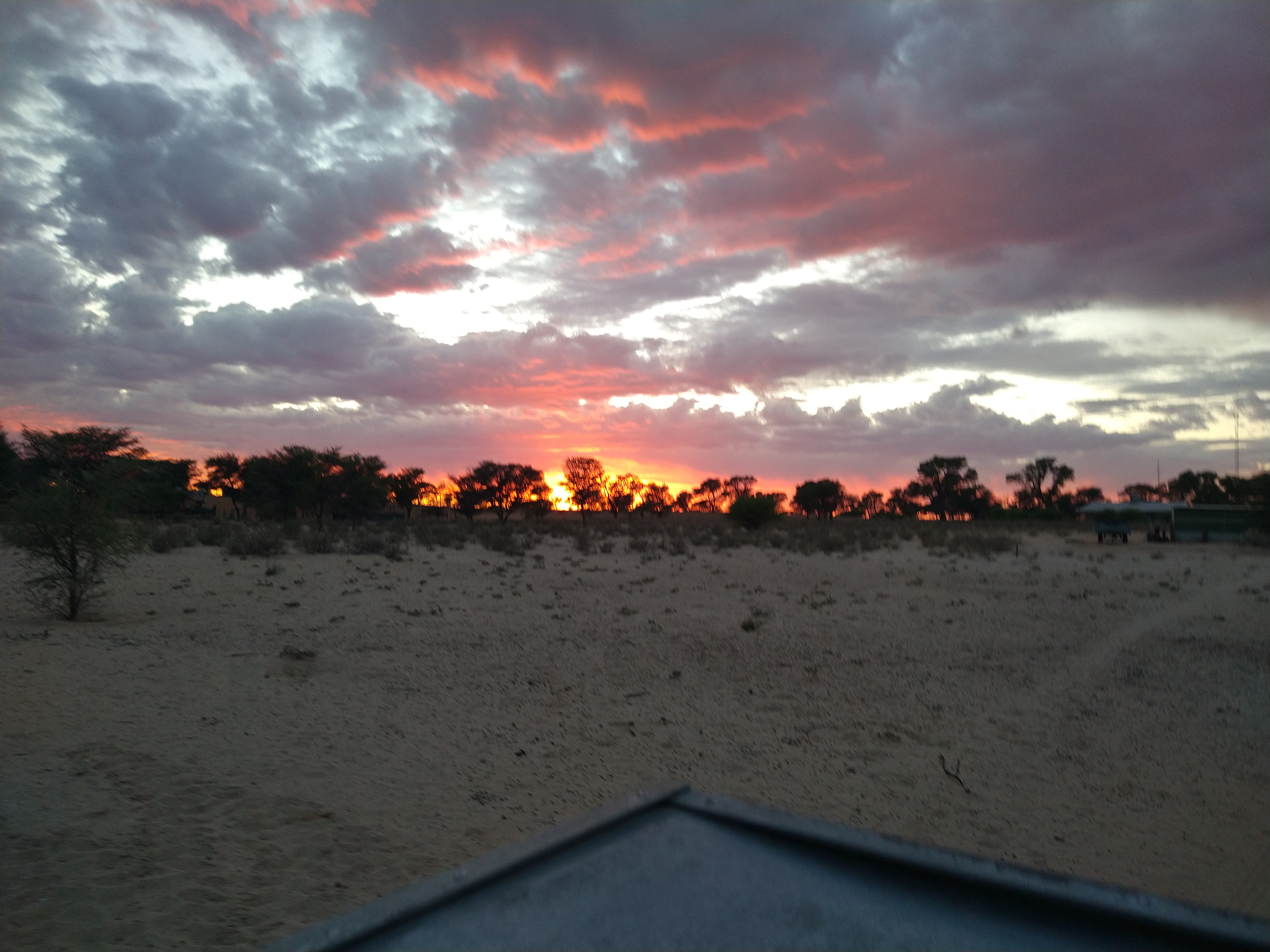
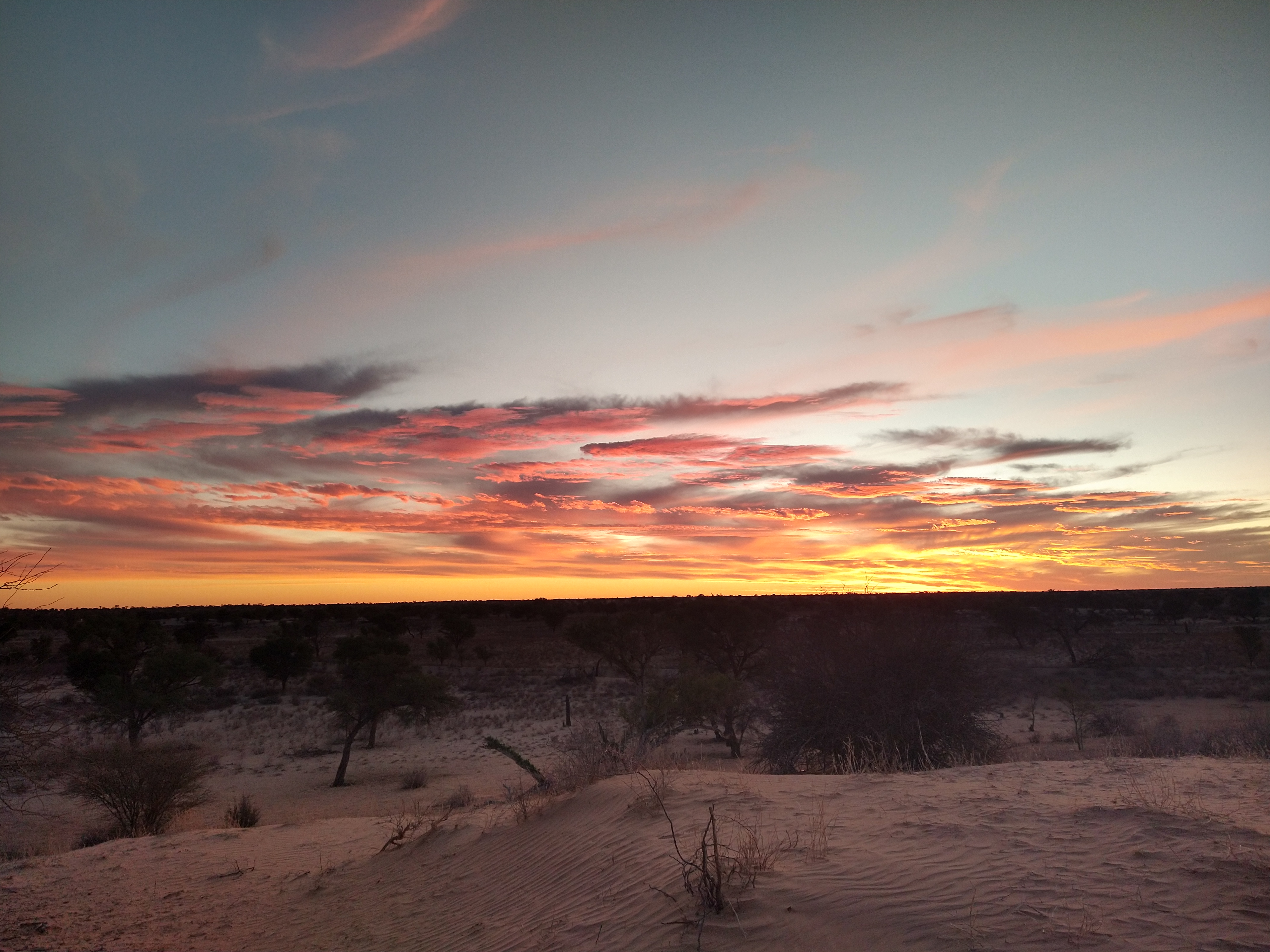
Most days were spent in the lab, but during my free time I would help the molerat field team dig holes to find active molerat tunnels. This work was best done in the mornings before the heat. In the afternoons most of the camp would take a siesta or cool off in the “pool,” then resume work in the evenings. I tried to make a point of catching every sunset on a dune, which ironically also had the best cell service to call loved ones. I made friends with Kolby, the vet’s horse, and would hunt for seed pods from the acacia trees to lure him into a friendship. Other cool creatures at the KMP included solifuges, puff adders, and a black widow spider who took residence under the toilet (always double check where you sit).
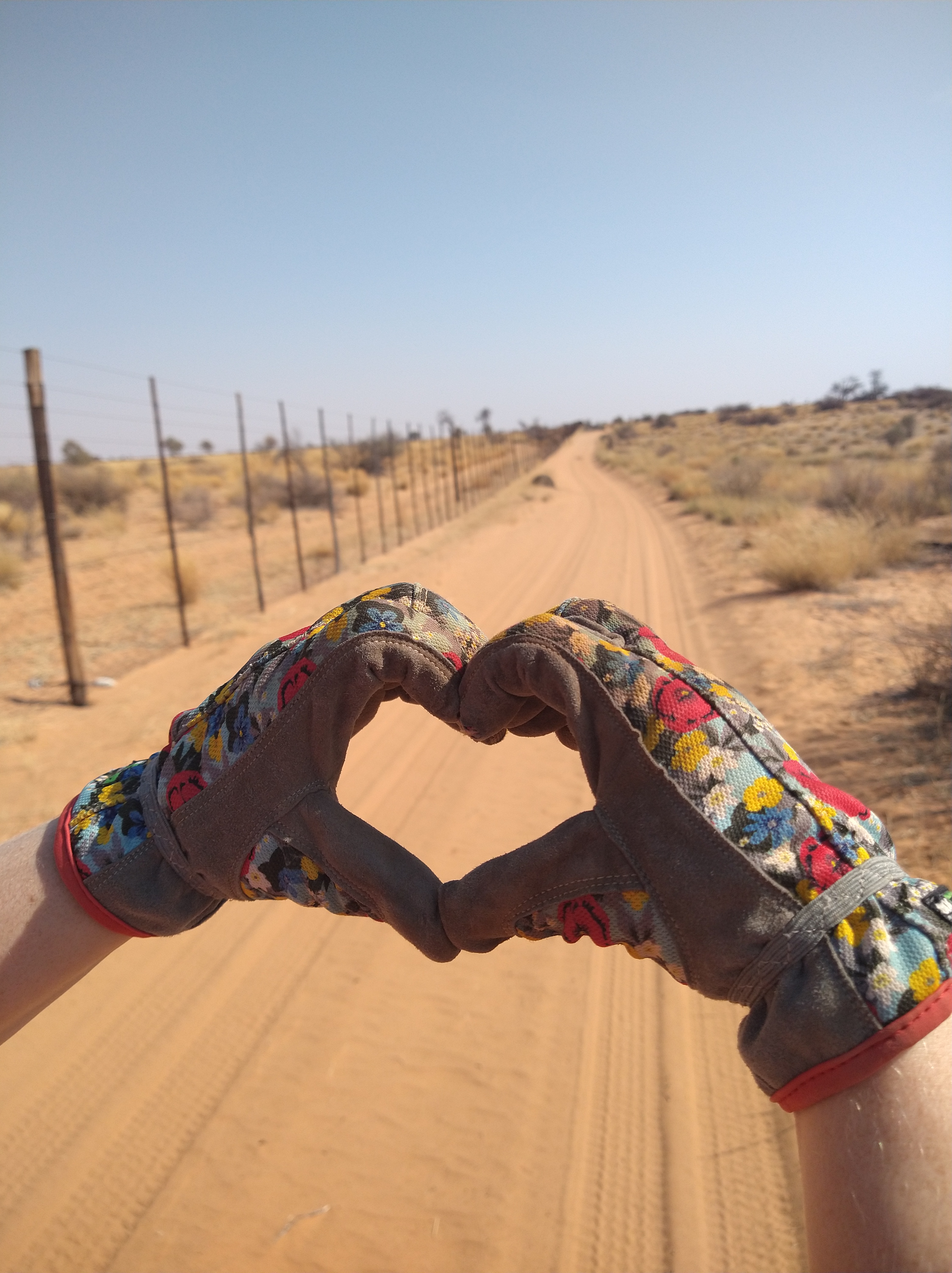
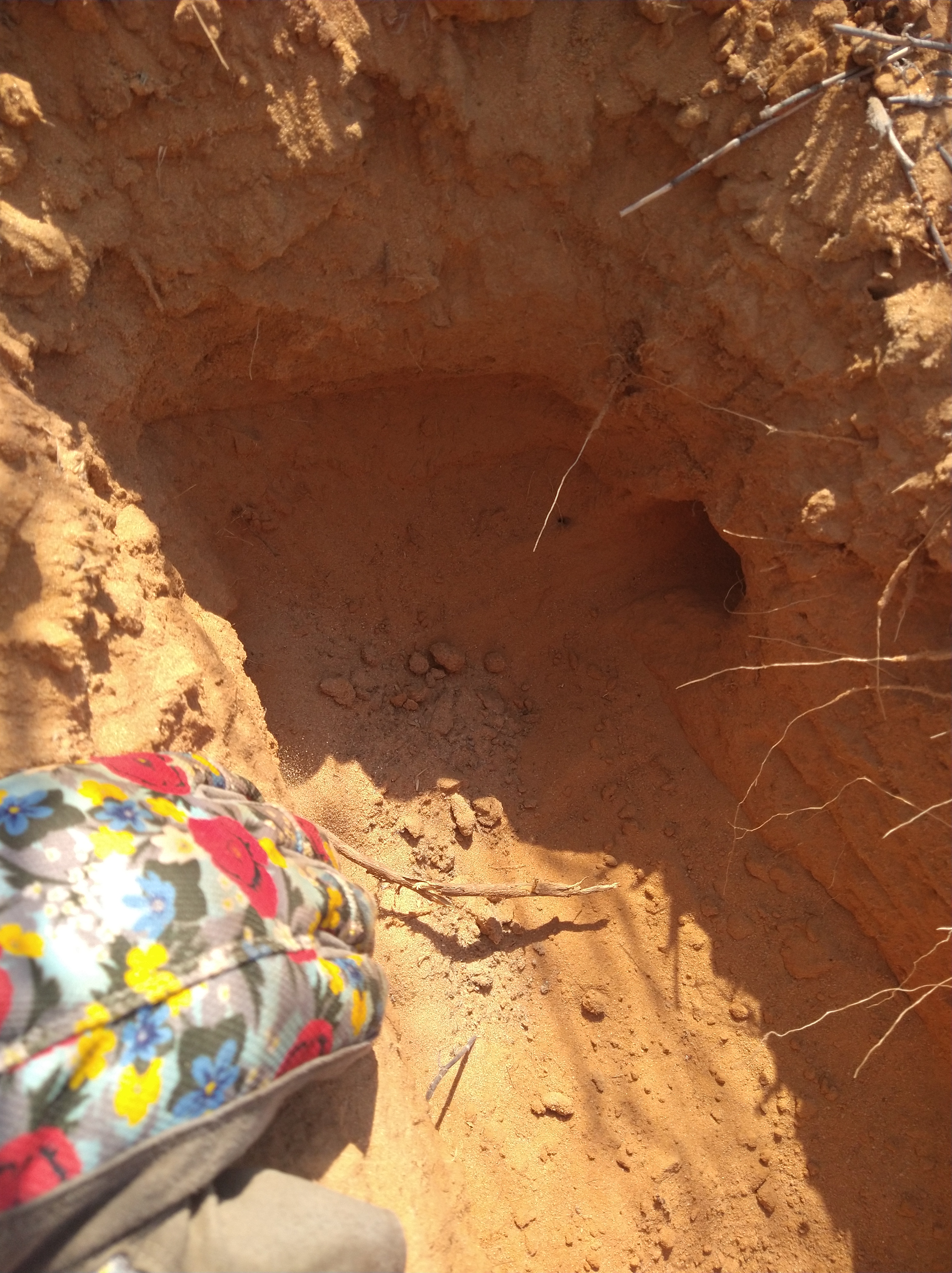
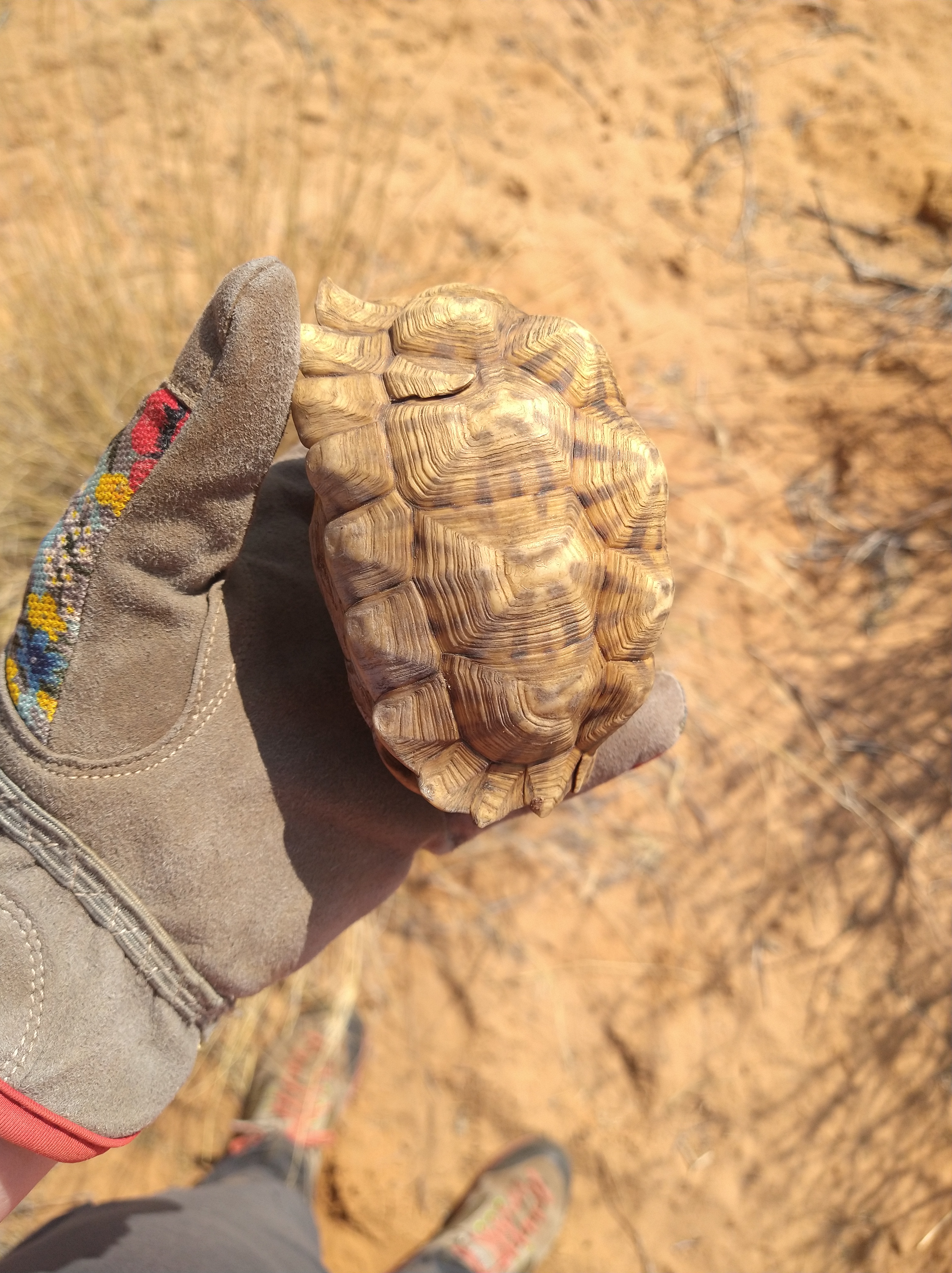
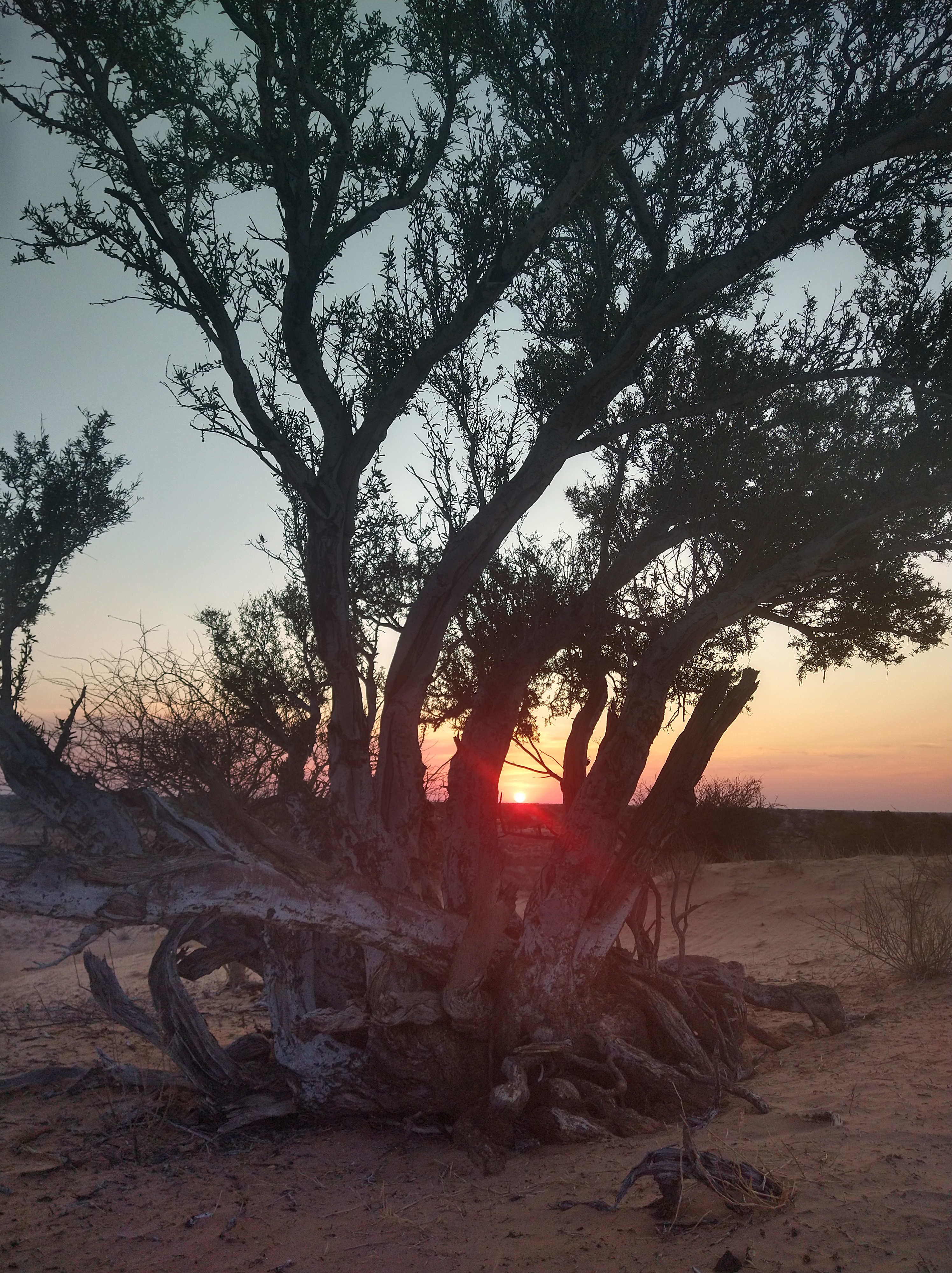
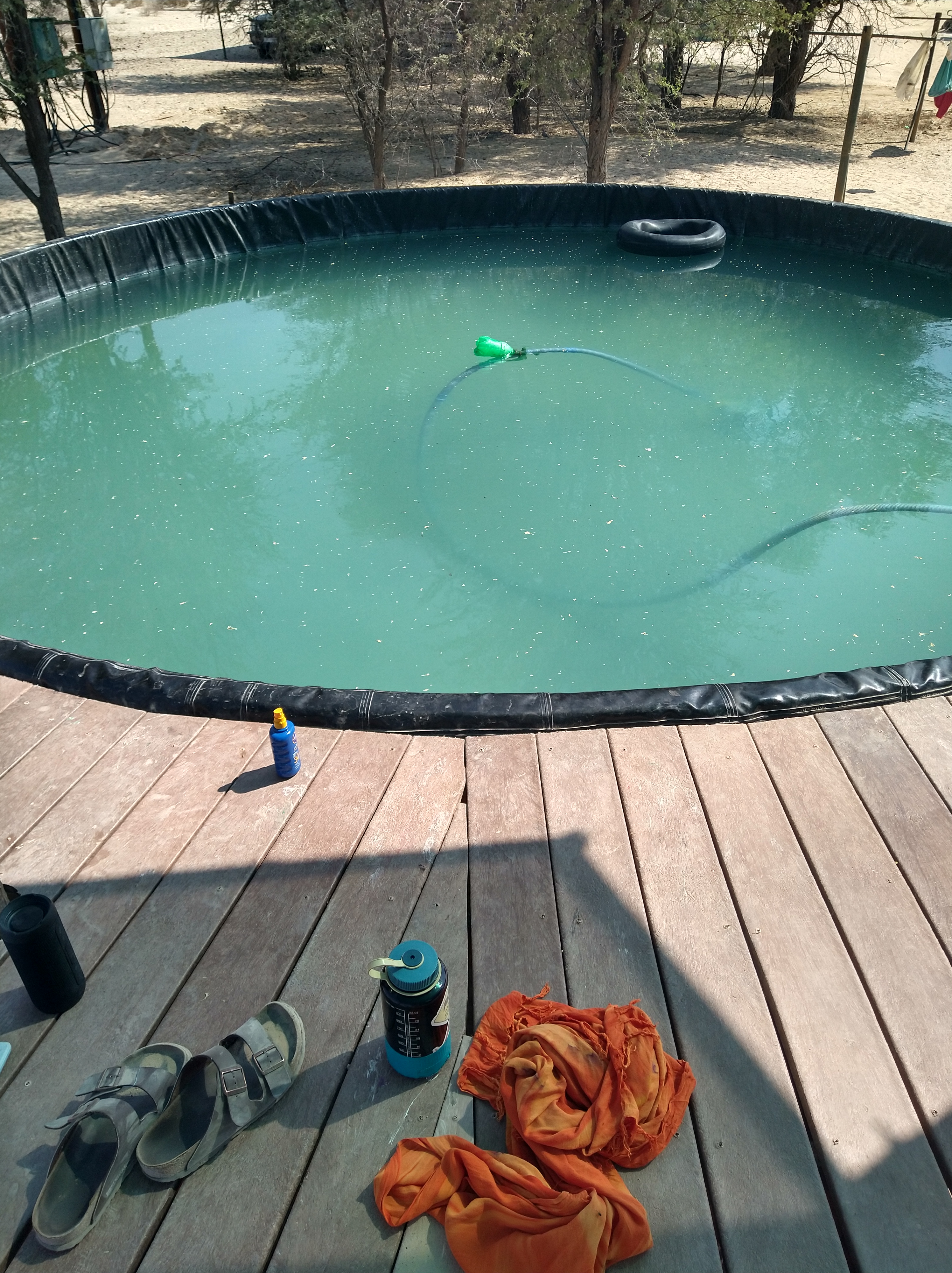
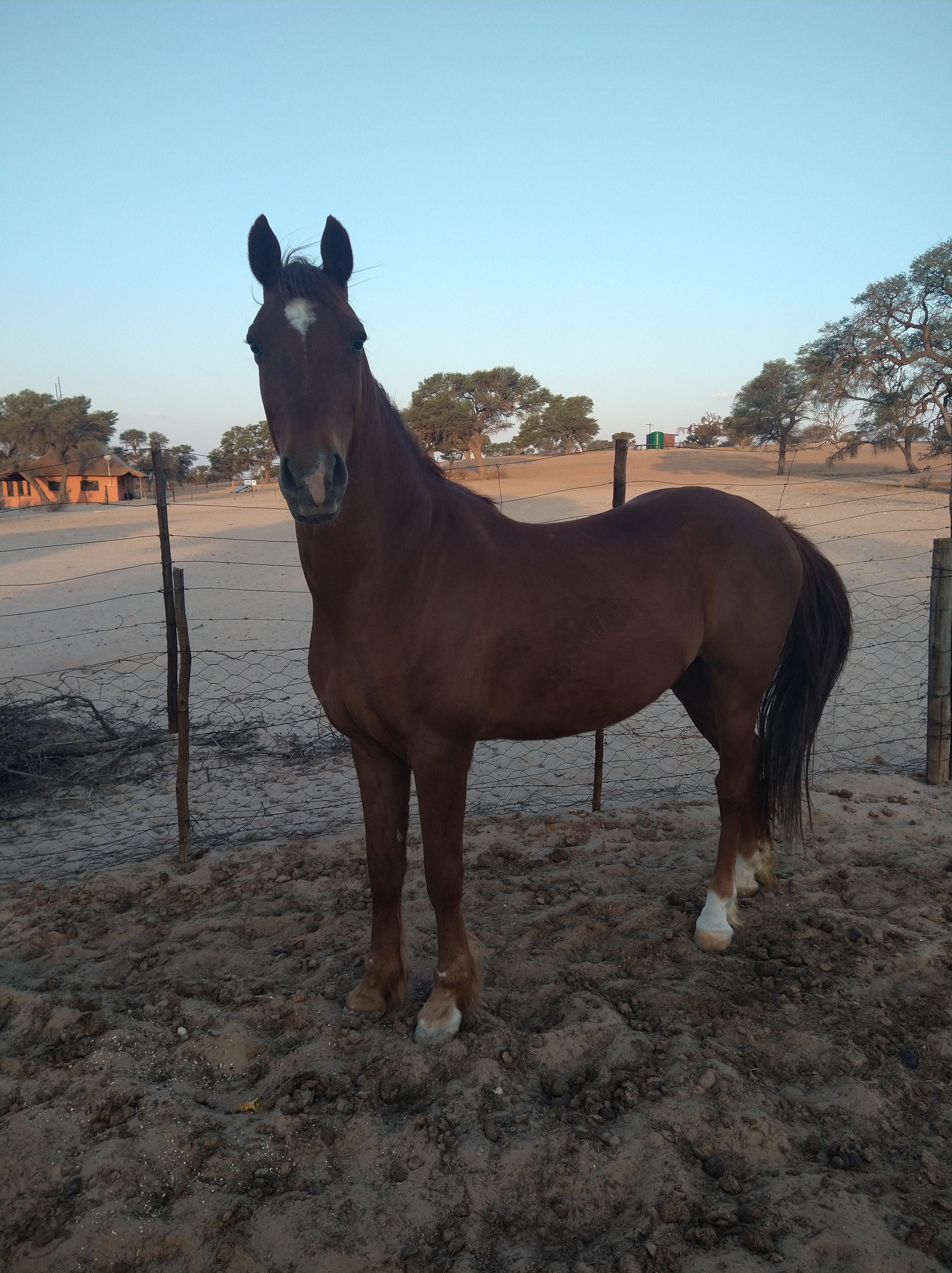
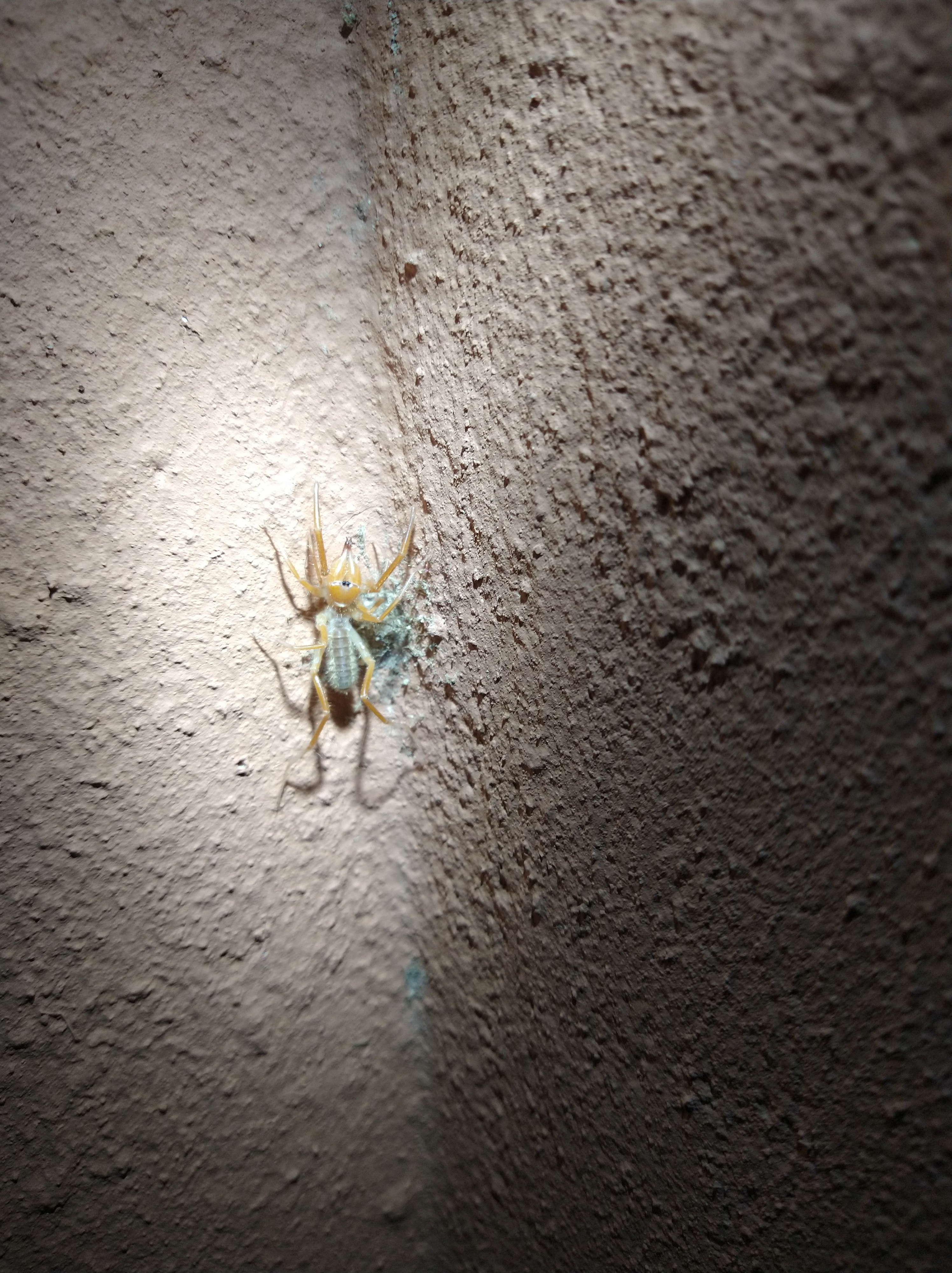
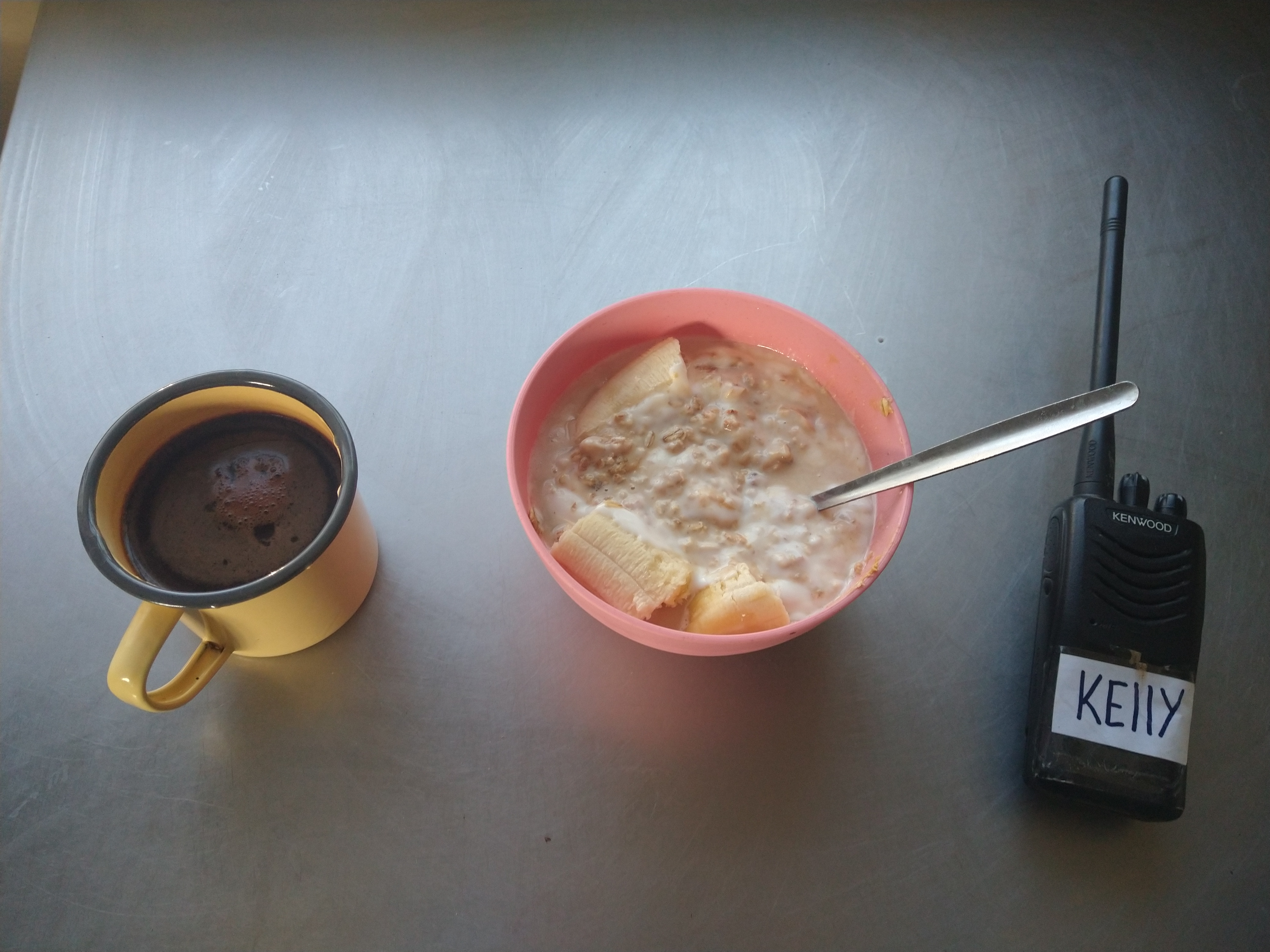
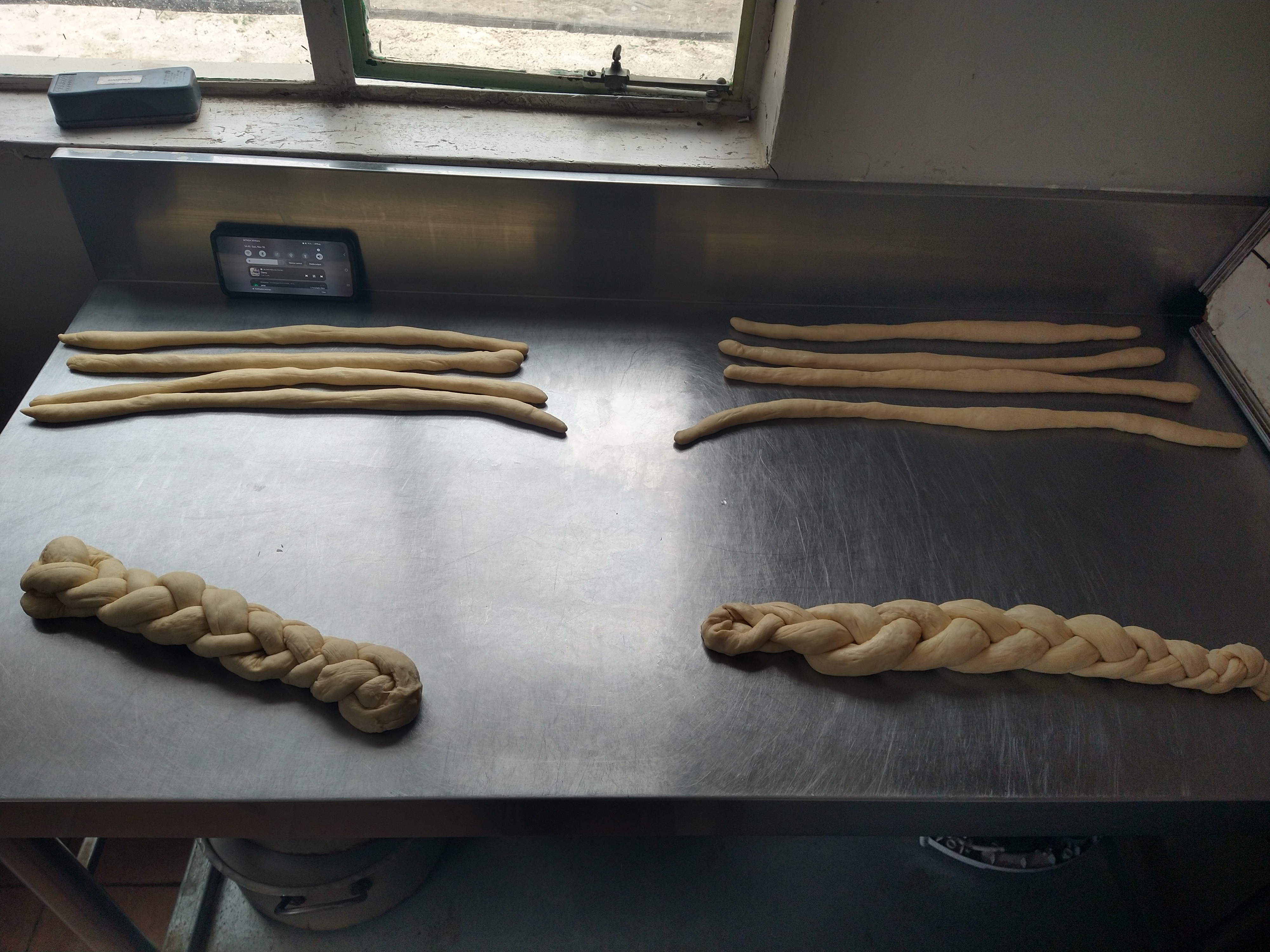
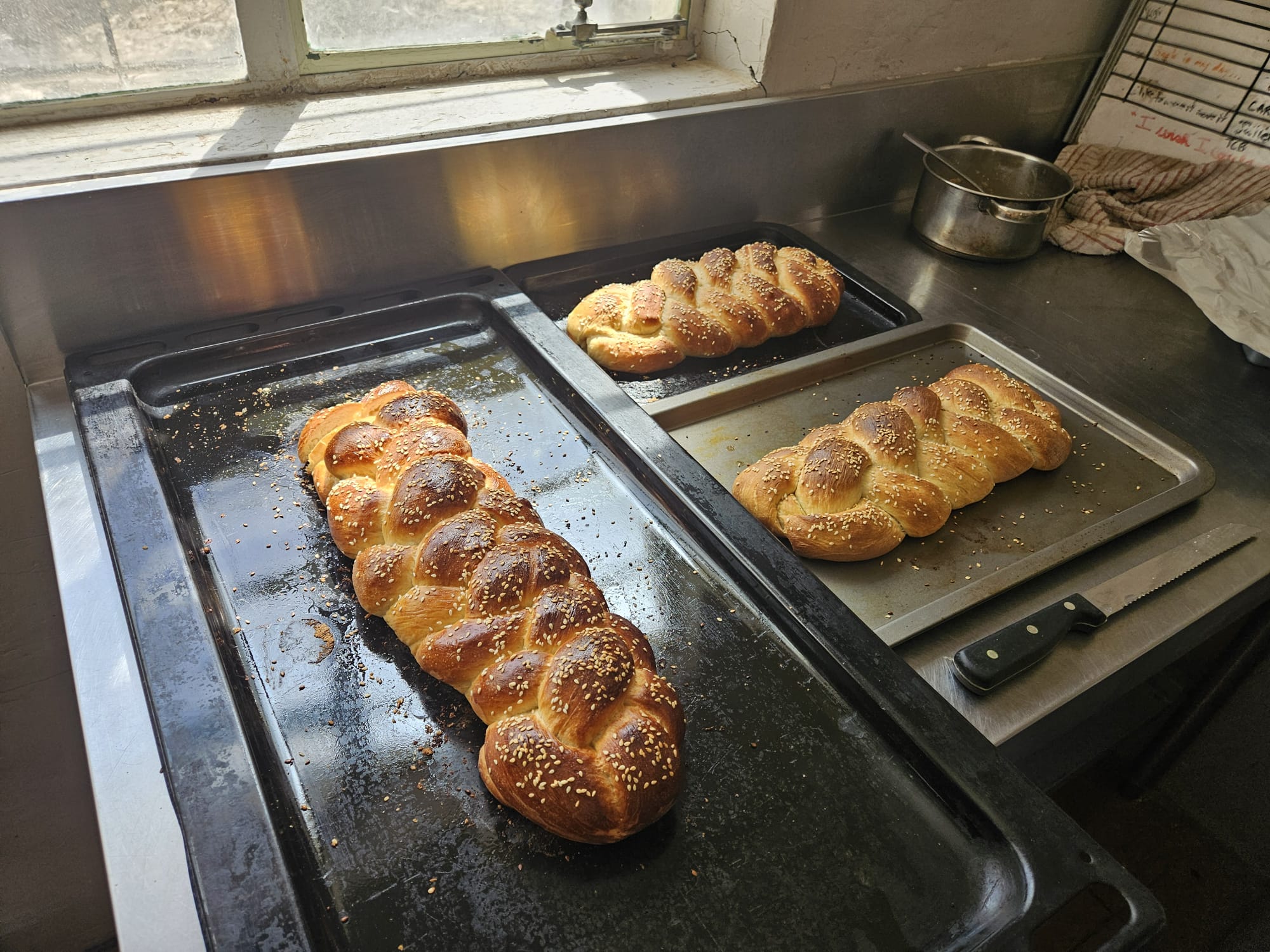
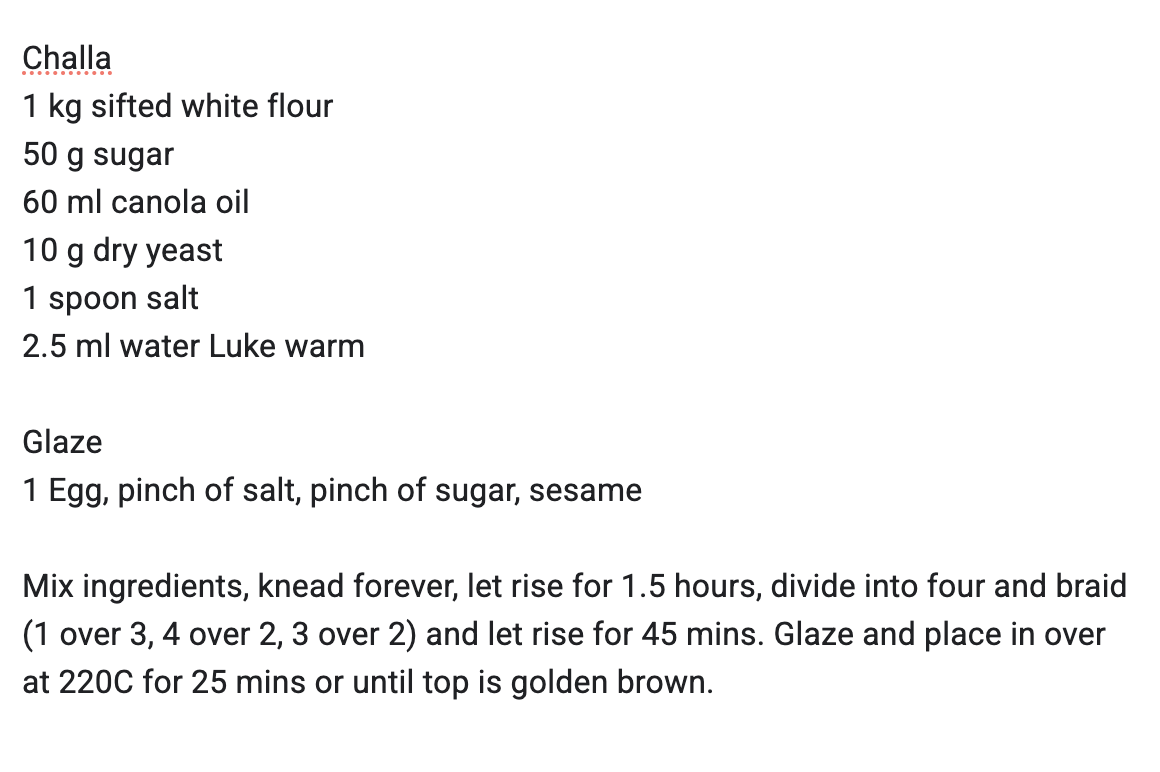
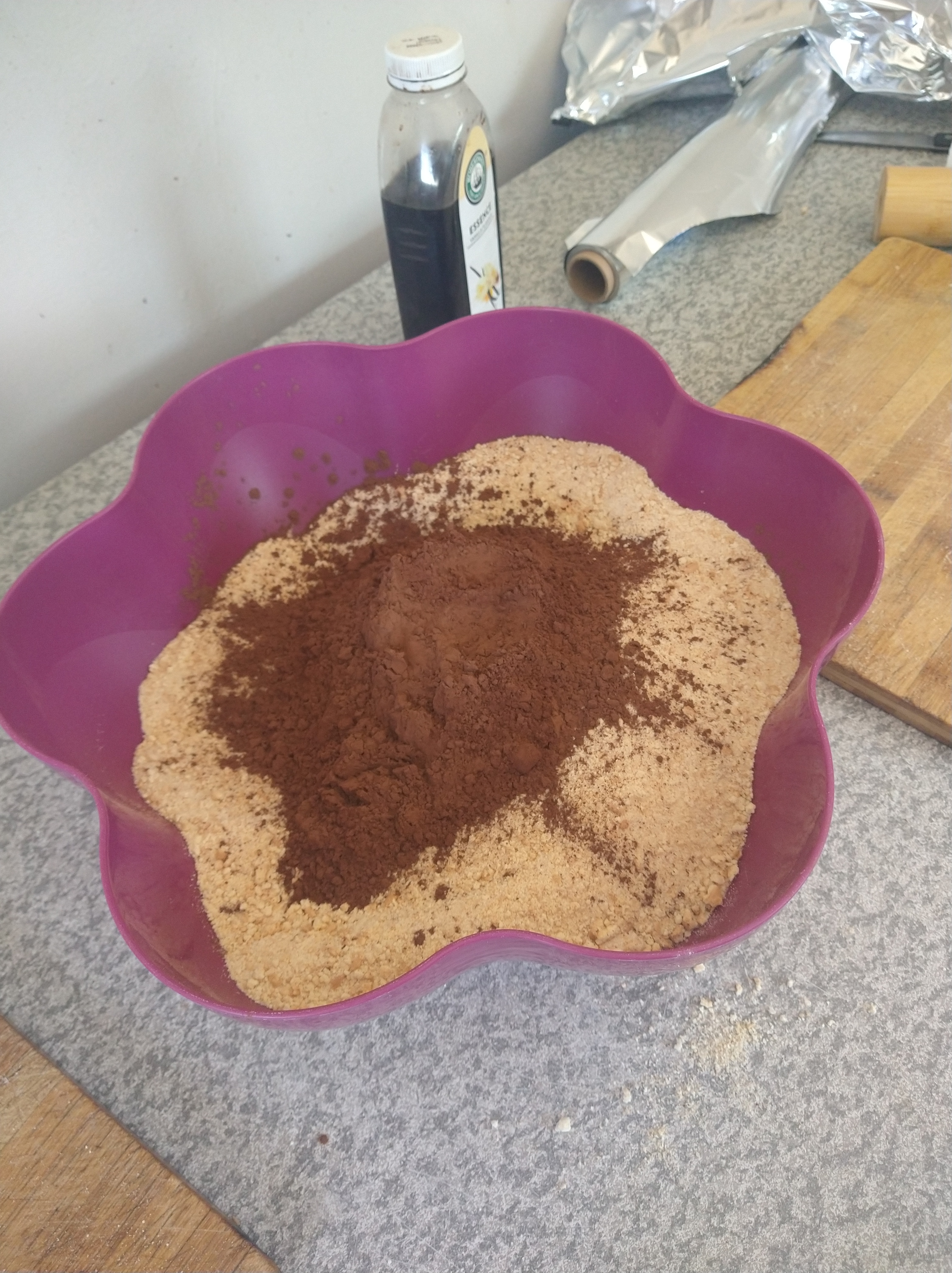
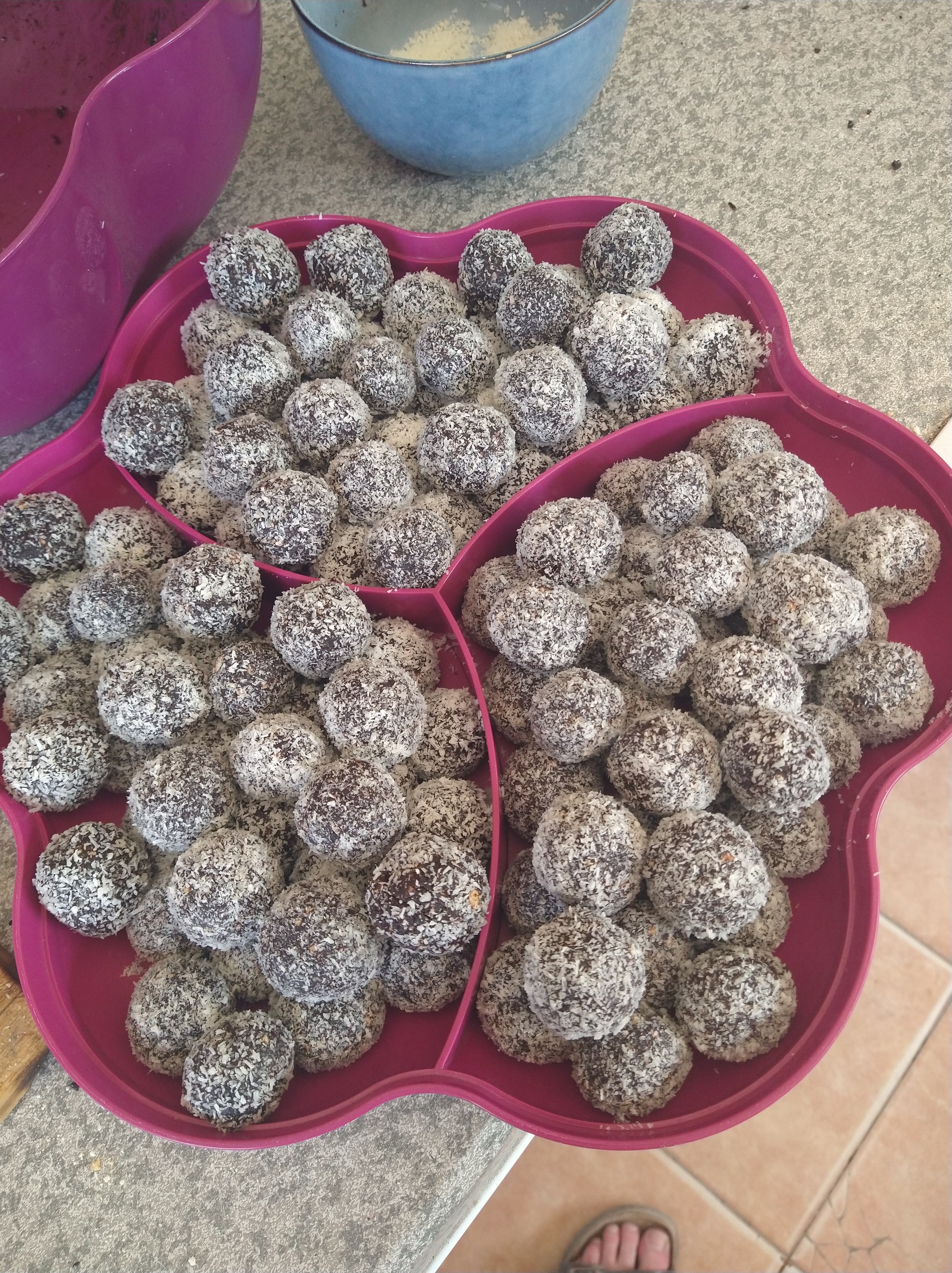
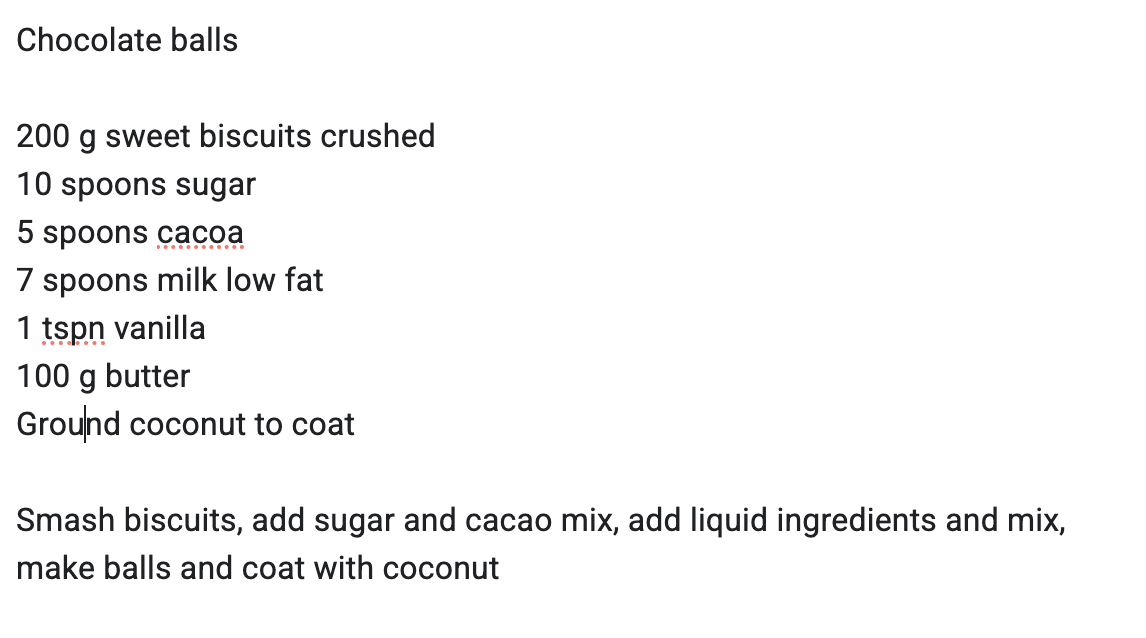
I learned how to make Challa from another volunteer, and some delicious no-bake chocolate balls.
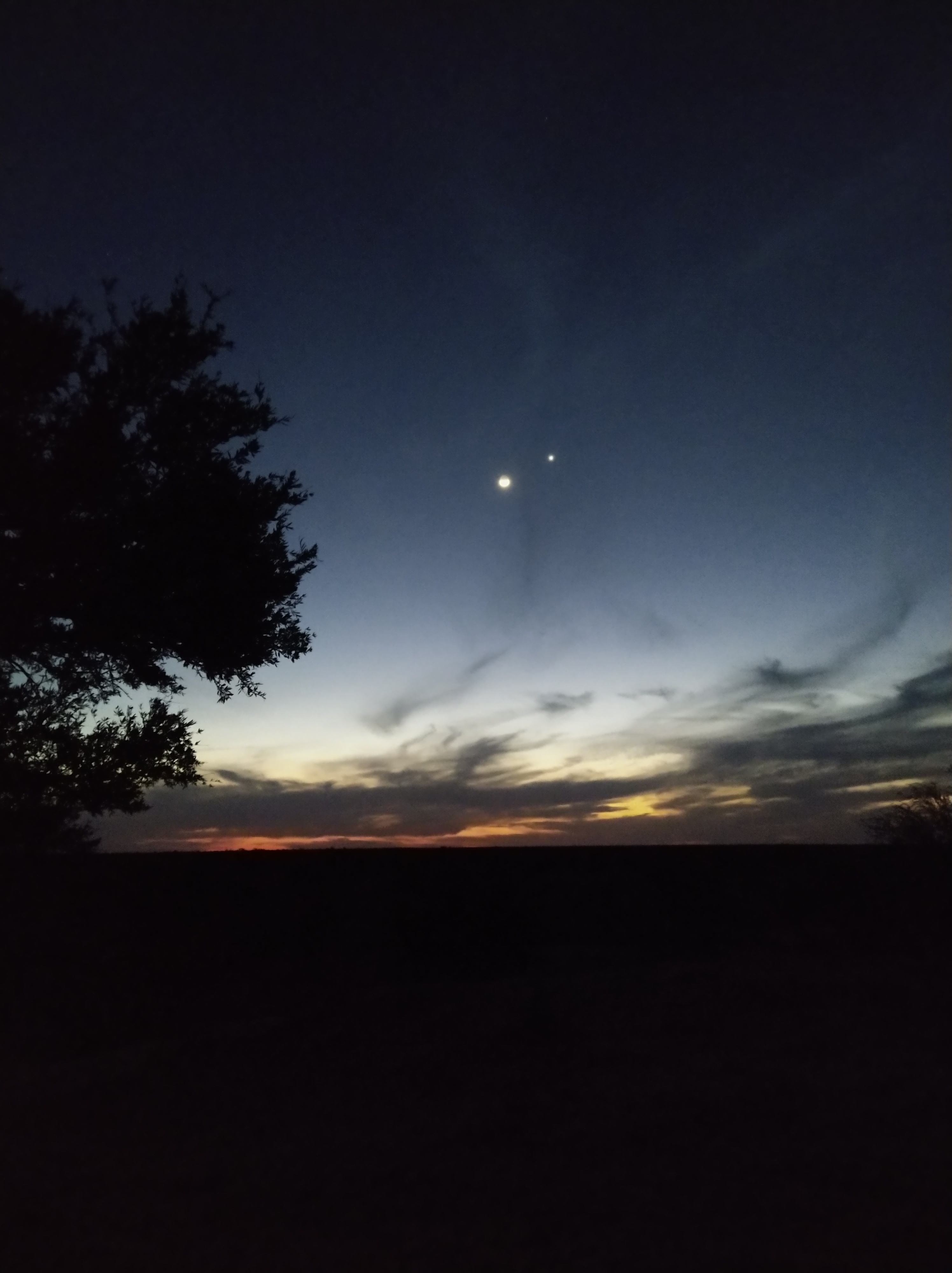
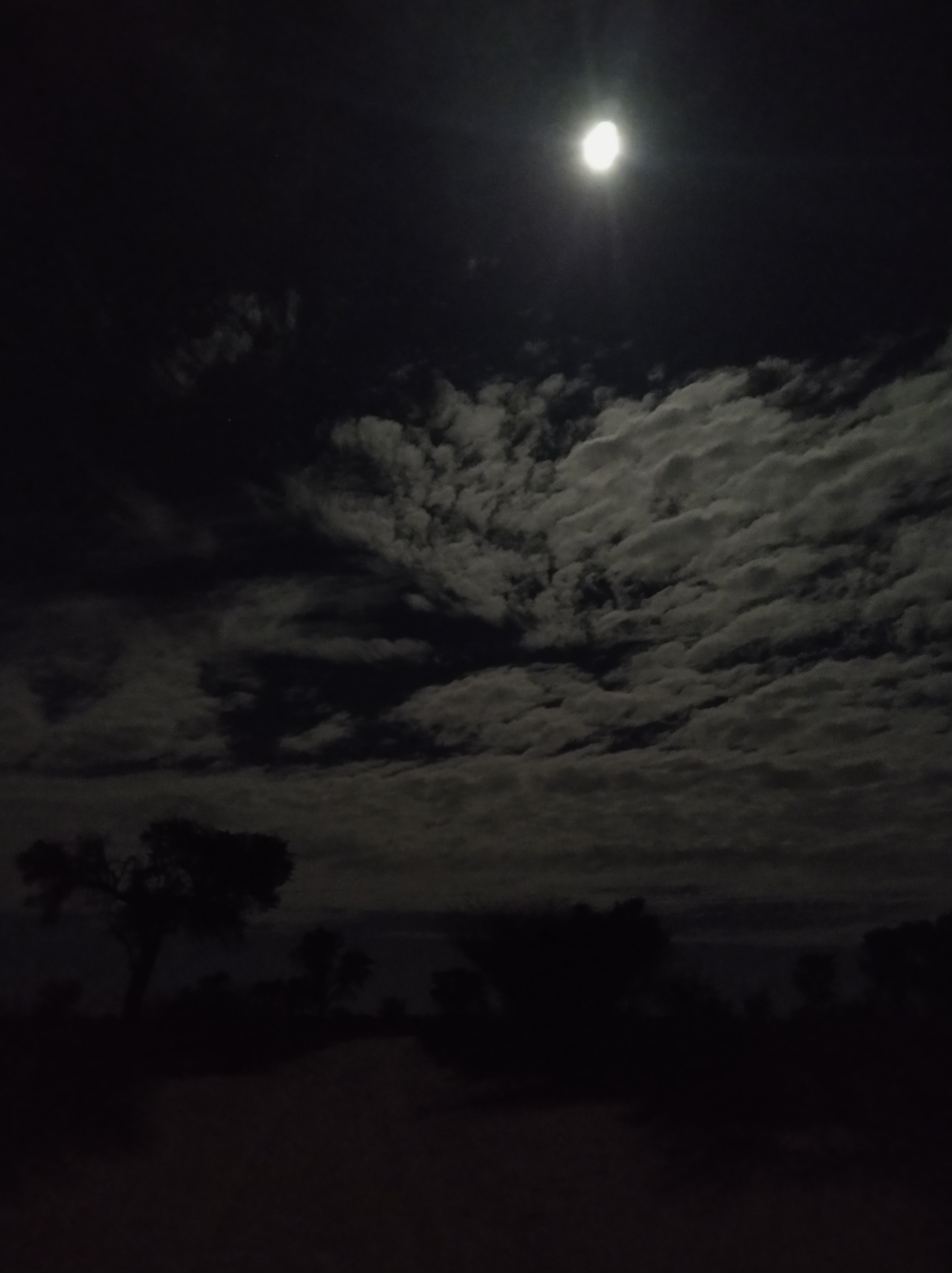
I quietly celebrated my 33rd lap around the sun on a sand dune under a full moon. Scorpio hung brightly over me, and I reflected on how thankful I am to live this sort of life. Sometimes it doesn’t feel real, and it’s amazing how each decision (big or small) eventually has led me here. Who knows what the future will bring, I can only hope it continues on this path, wherever it may lead.
Drakensberg, South Africa: November 2024
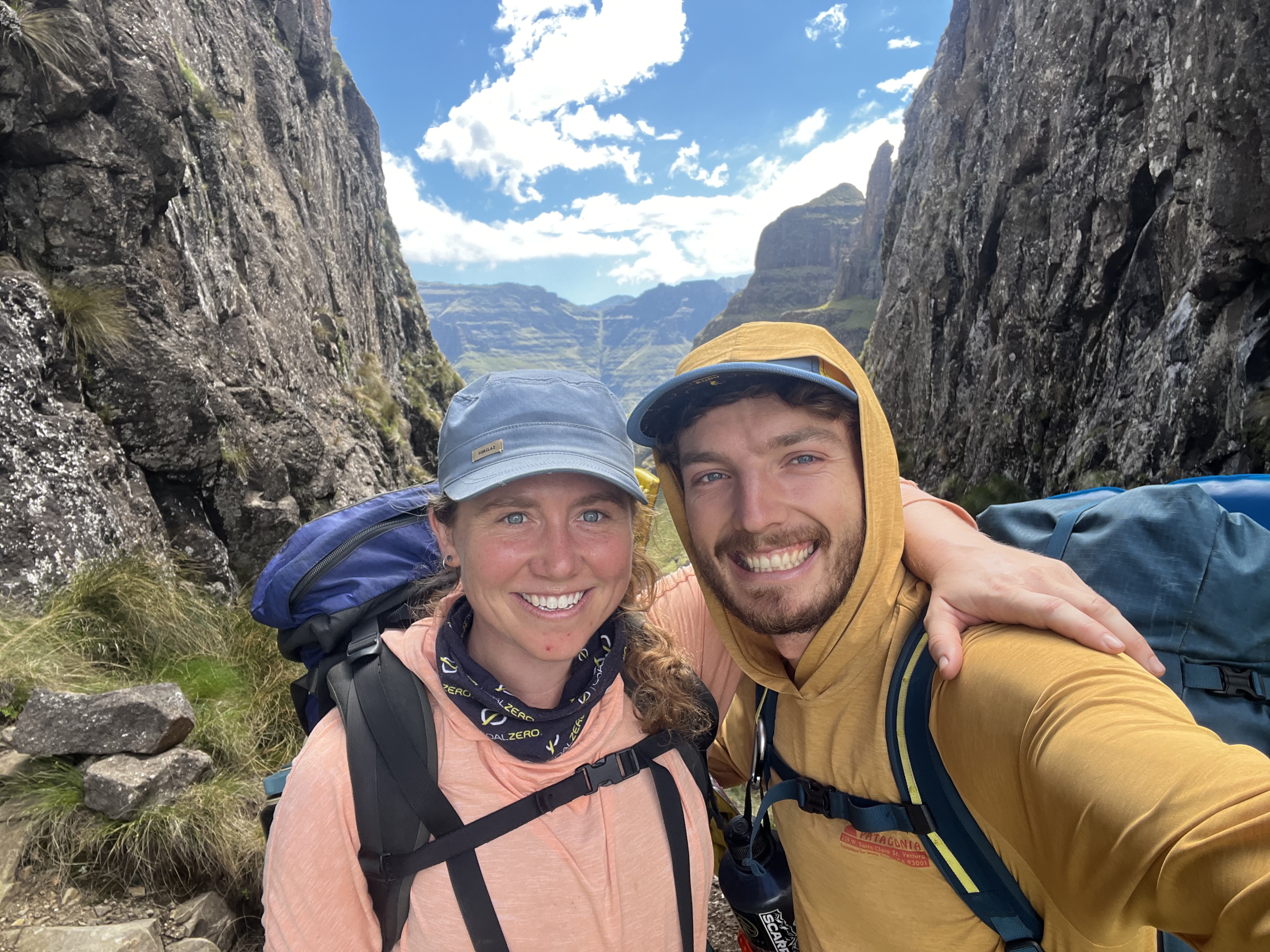
I was “stuck” in South Africa during the pandemic in 2020, you can read some of the shenanigans that entailed here. I stayed in touch with the Drakensberg family who took me in and housed me in return for teaching their sons how to rock climb. Since our “see you laters,” we’ve been trying to reconnect for an adventure and the timing finally worked out perfectly. After my field season in the Kalahari, I flew back to Joburg and rented a car for a quick smash and grab adventure with Dav in the Drakensberg. We weren’t sure if we could climb, and the plan was he would now haul me up the face of some rock since his climbing skills likely surpassed mine!
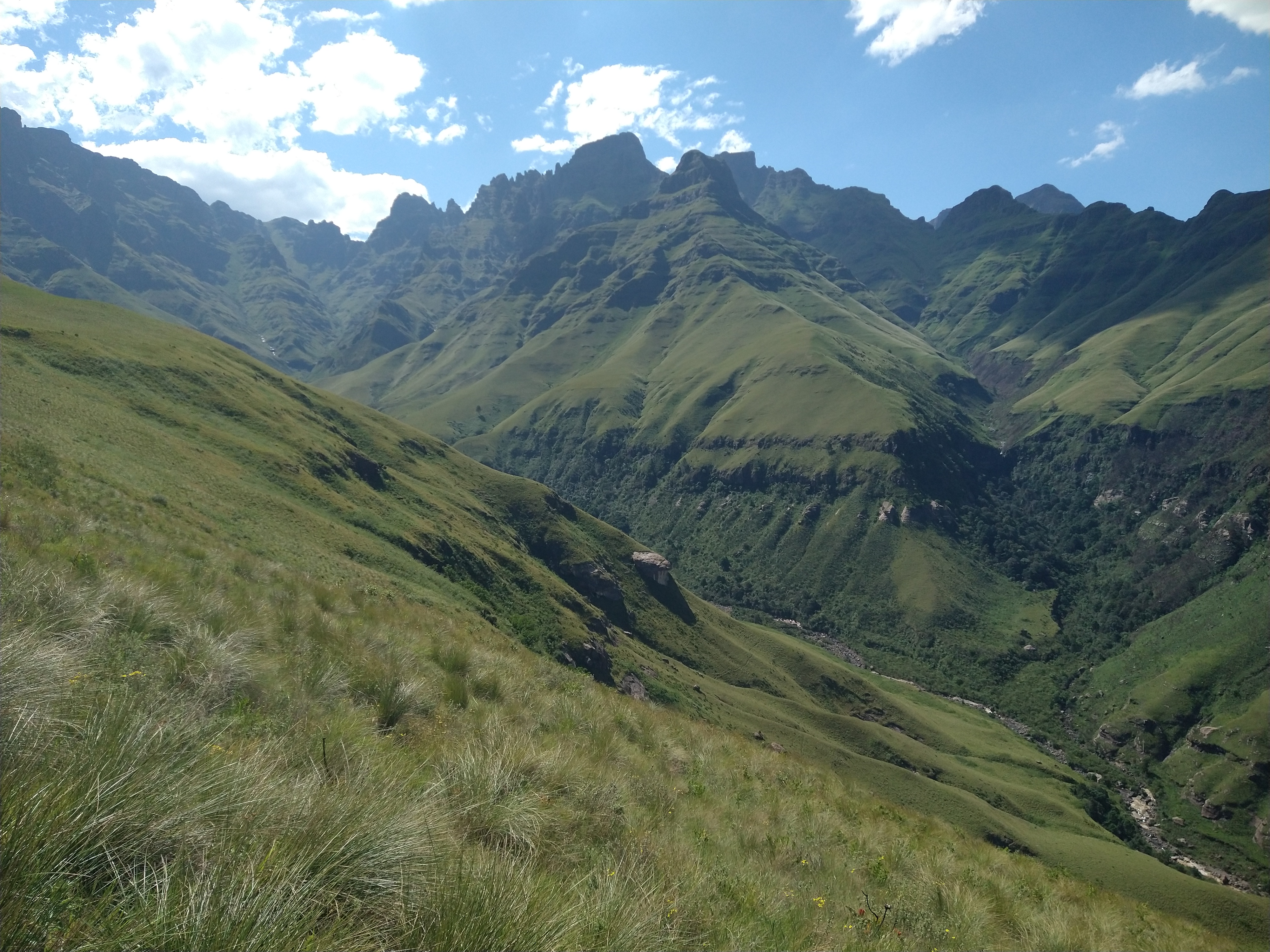
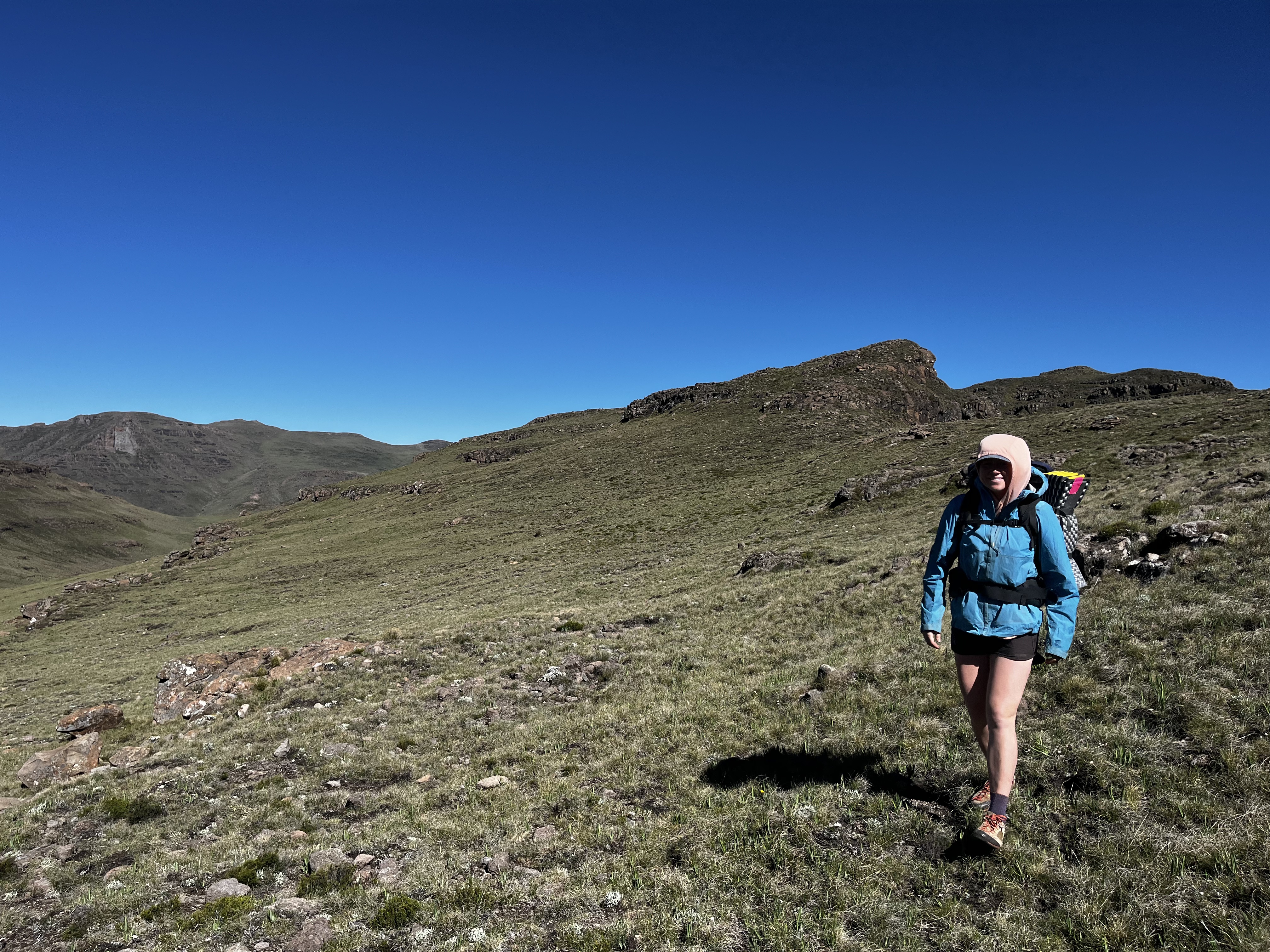
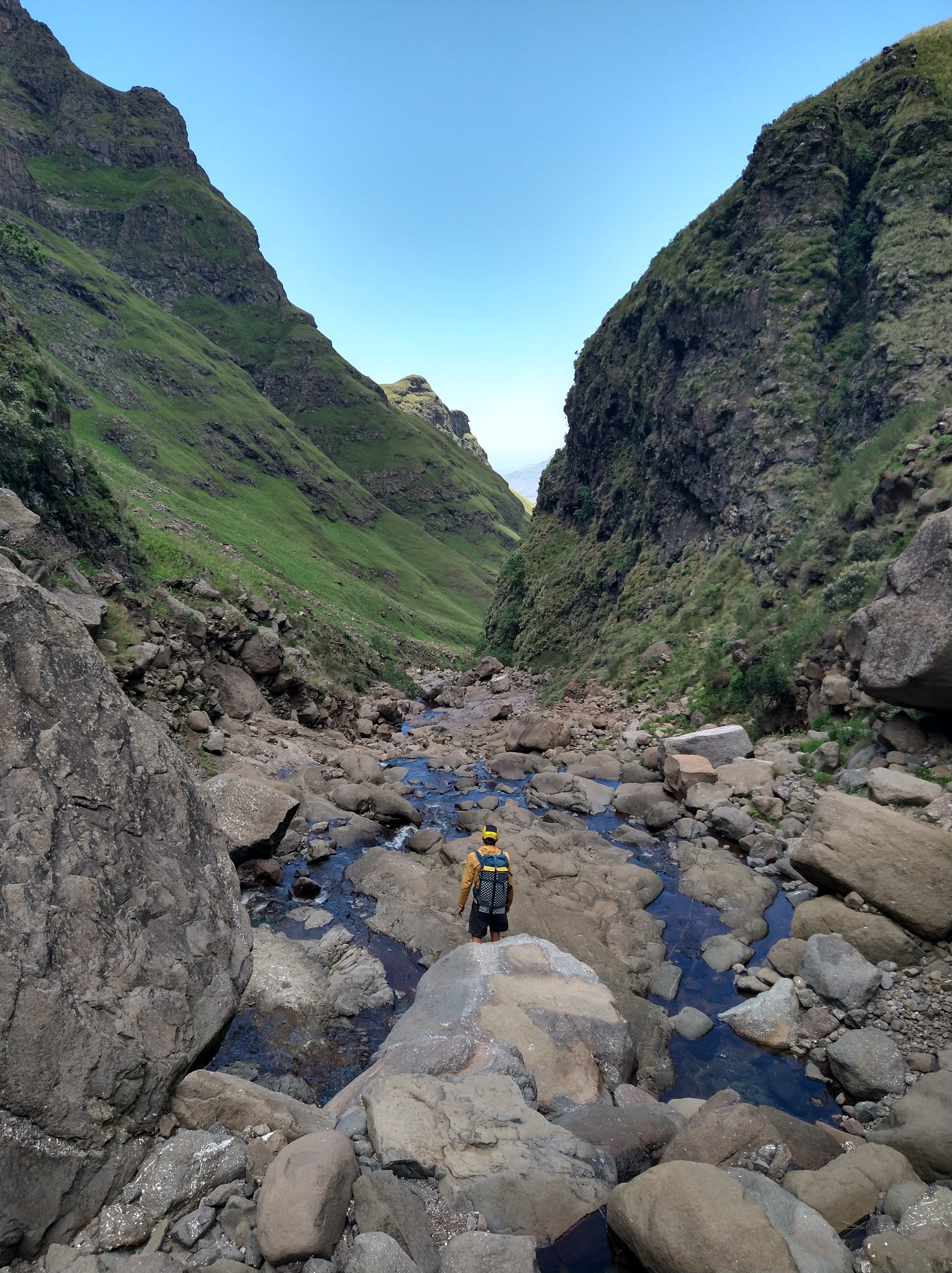
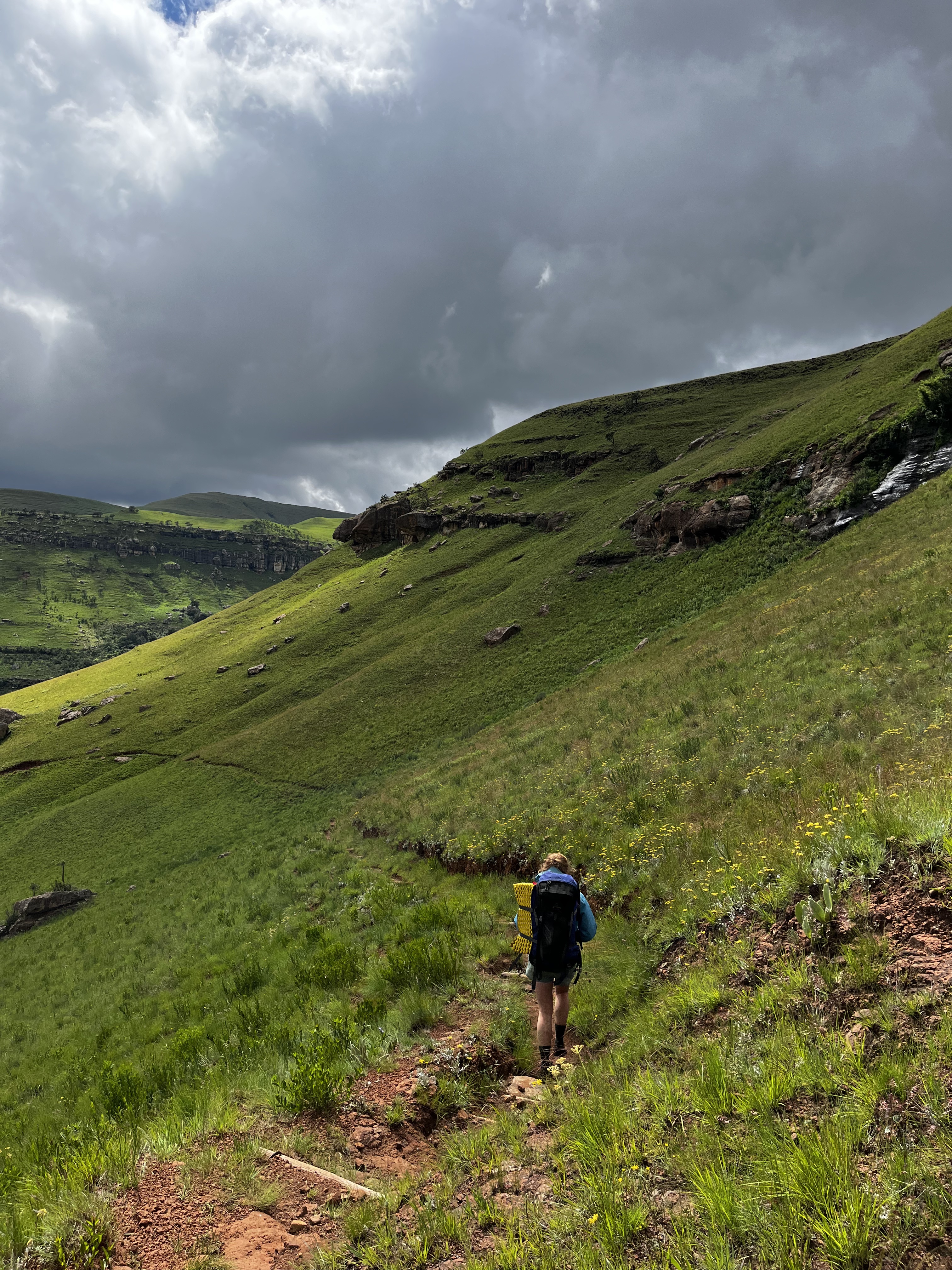
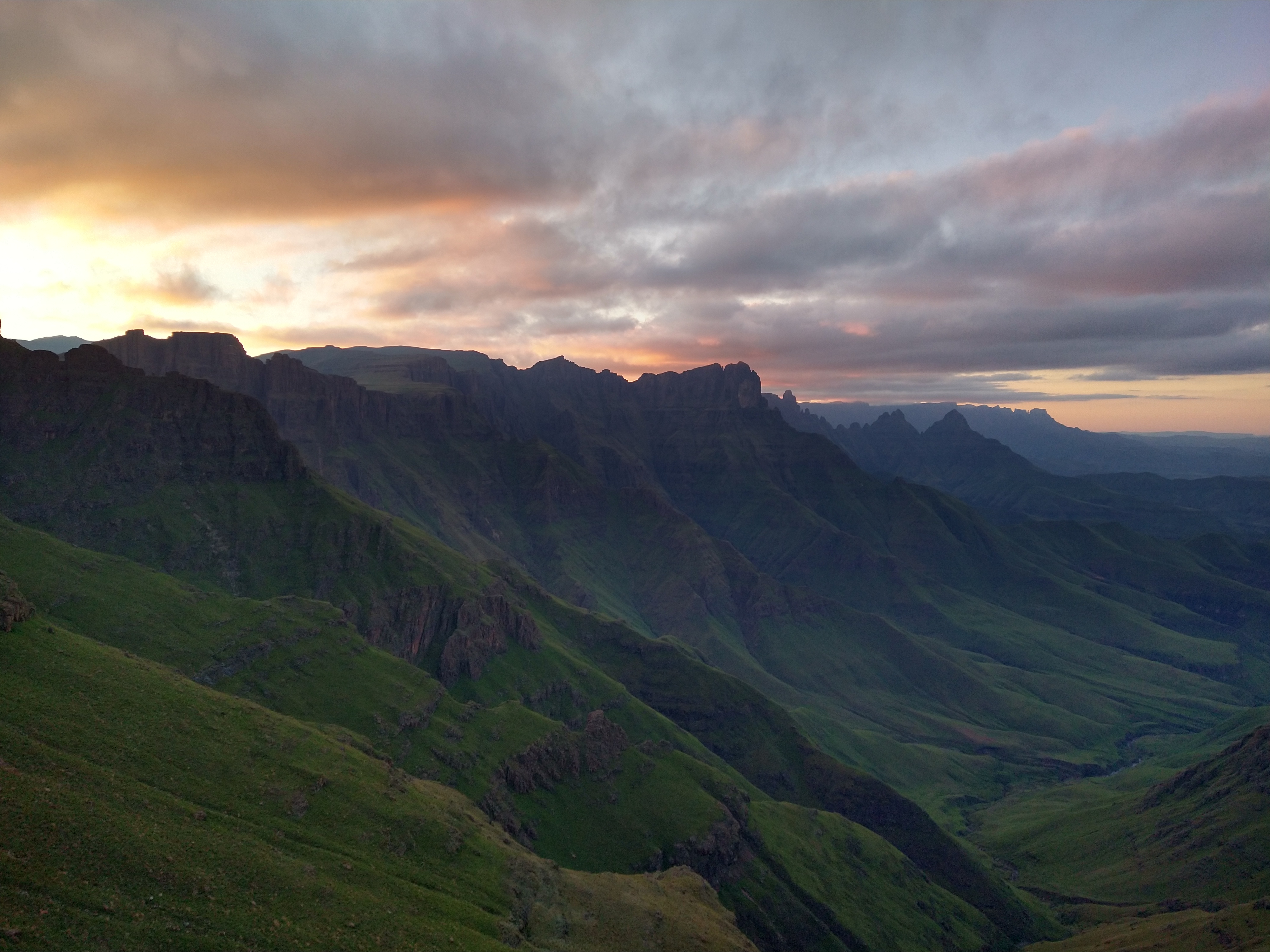
I arrived at 2 AM to their farm, said some quick hellos and goodnights, passed out, then was woken up at 7 AM to get ready for an adventure. The weather was too finicky to plan for a climb, so we decided to do two back-to-back hikes. We only had four days, so we had to make it count. The Drakensberg mountains are one of my favorite places in the world. I spent time with Dav romping through them from May – August 2020, did a quick solo trip to hike in June 2024, and was now back for another short window of time, but one that was totally worth it. The Drakensberg mountains translates to “Dragon Mountains” and form the Northern and Eastern borders between South Africa and Lesotho. They are around 180 million years old and formed from upheavals resulting in basalt (lava) flows and formation of rift valleys. You can actually see in the photos how the slopes of the mountains are like waves!
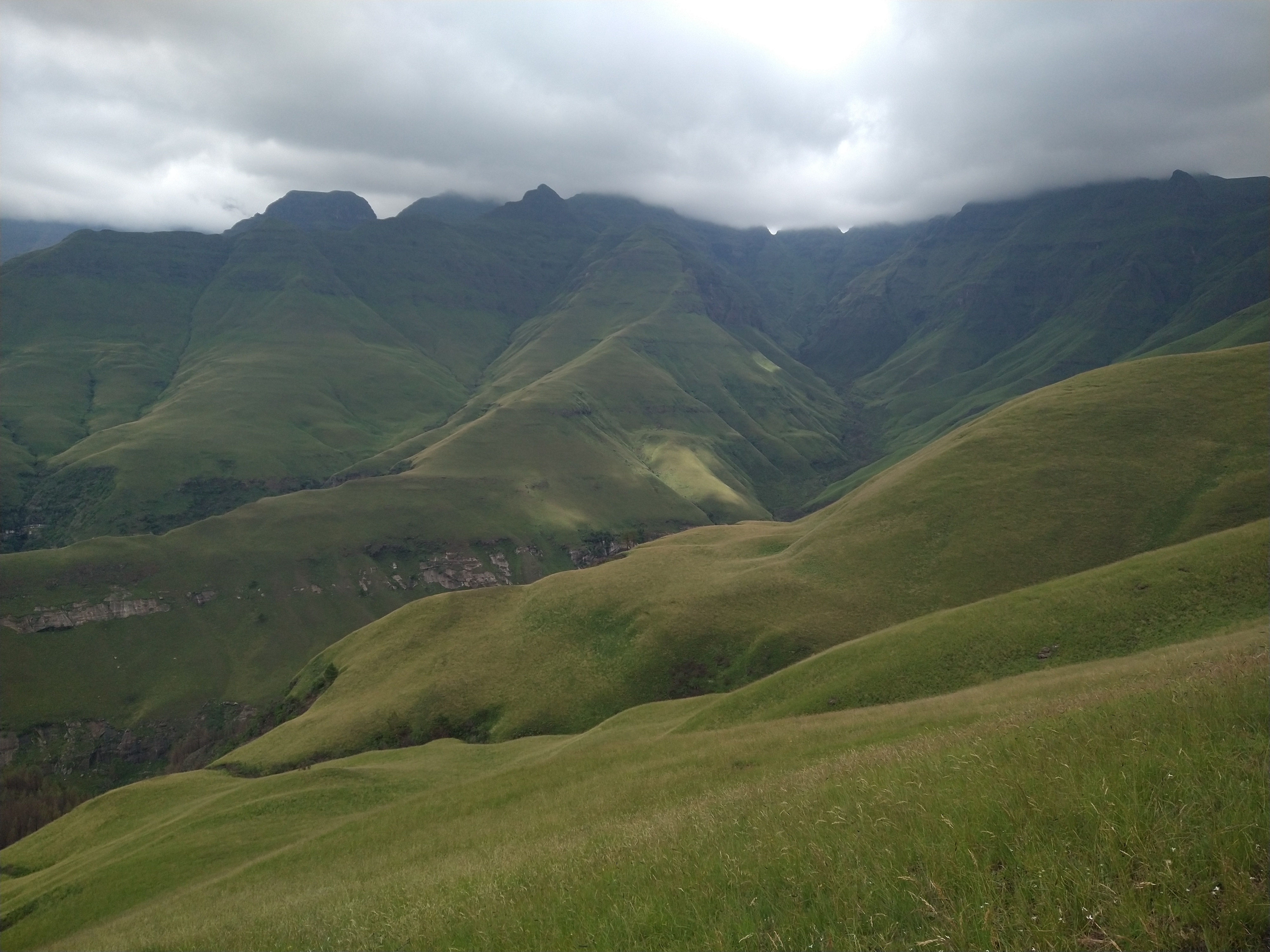
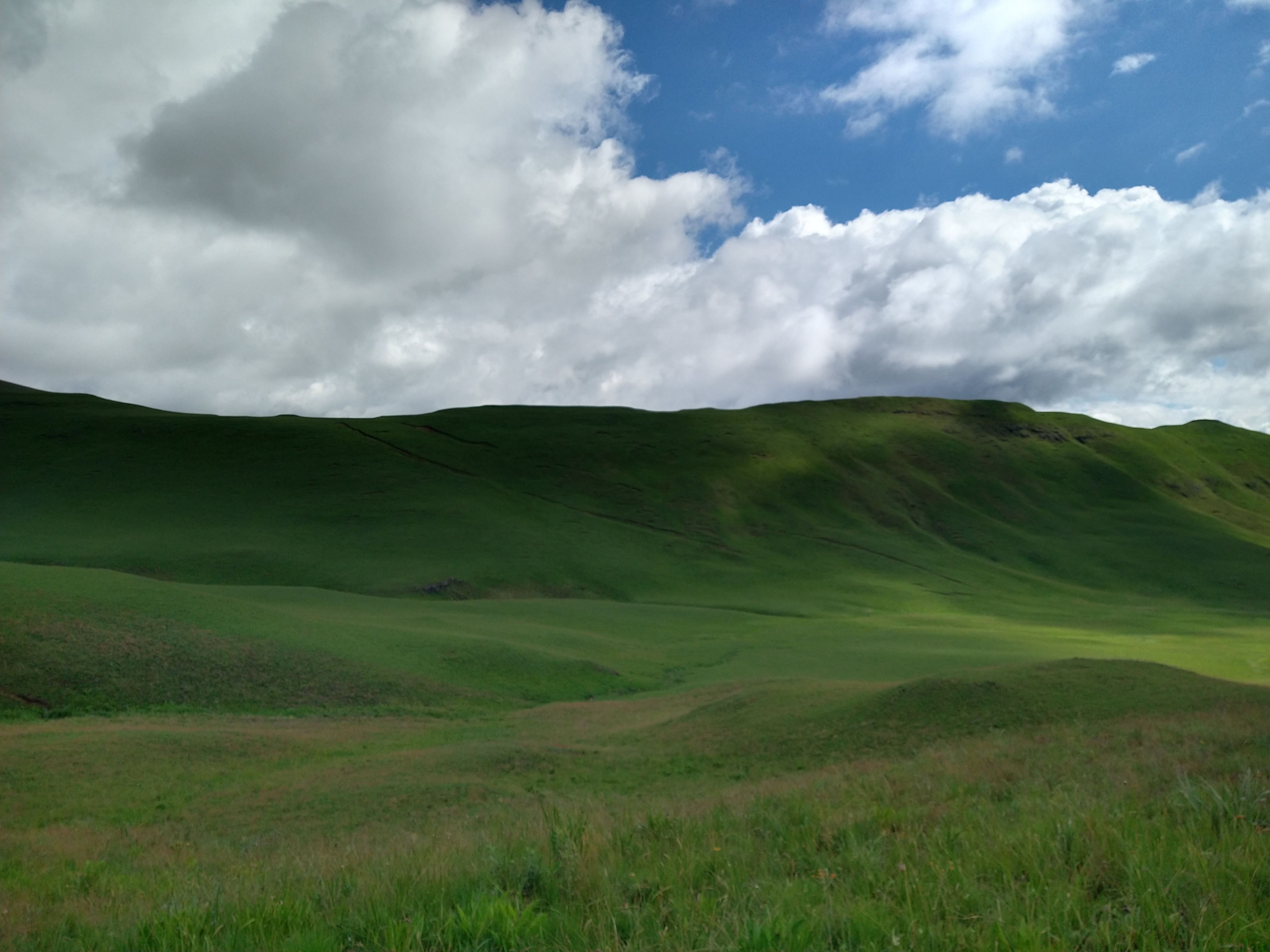
Our first trip was a soggy overnight to a hut along the contour trail. Dav was in charge of this trip and ended up forgetting a lighter. We tried for about three hours to make fire from rubbing two sticks together. Our plan was pretty solid despite our ultimate failure – we made a bow out of my shoelace and a bent stick, carved a hole in a branch for a base and made another stout stick fit snuggly in the hole. We used the bow to quickly rub the sticks together. We made a lot of smoke but alas no flame, crunchy noodles for dinner it was. The next morning we returned to the farm, repacked (with a lighter), and planned for a bigger objective – the Bell Traverse.
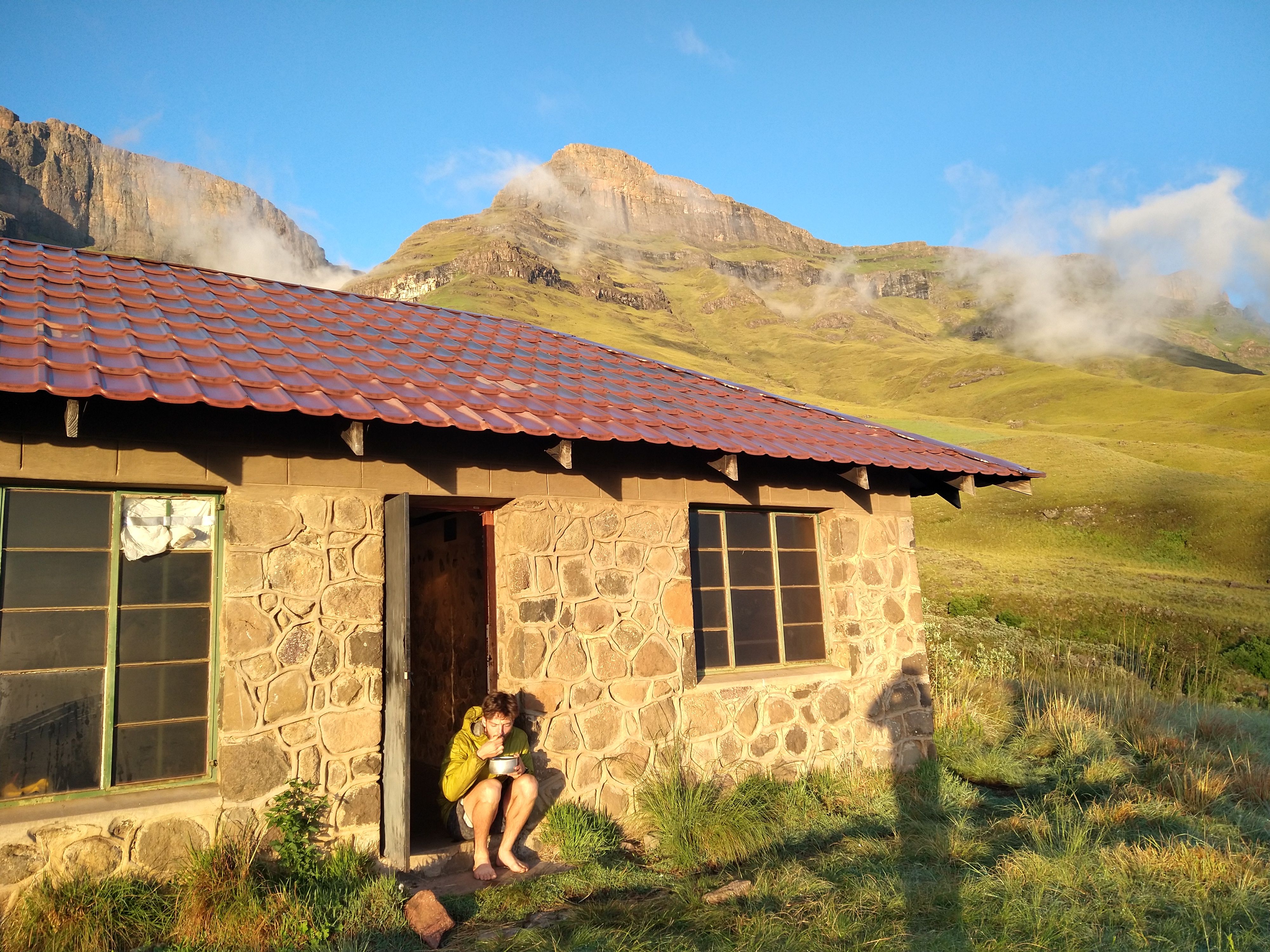
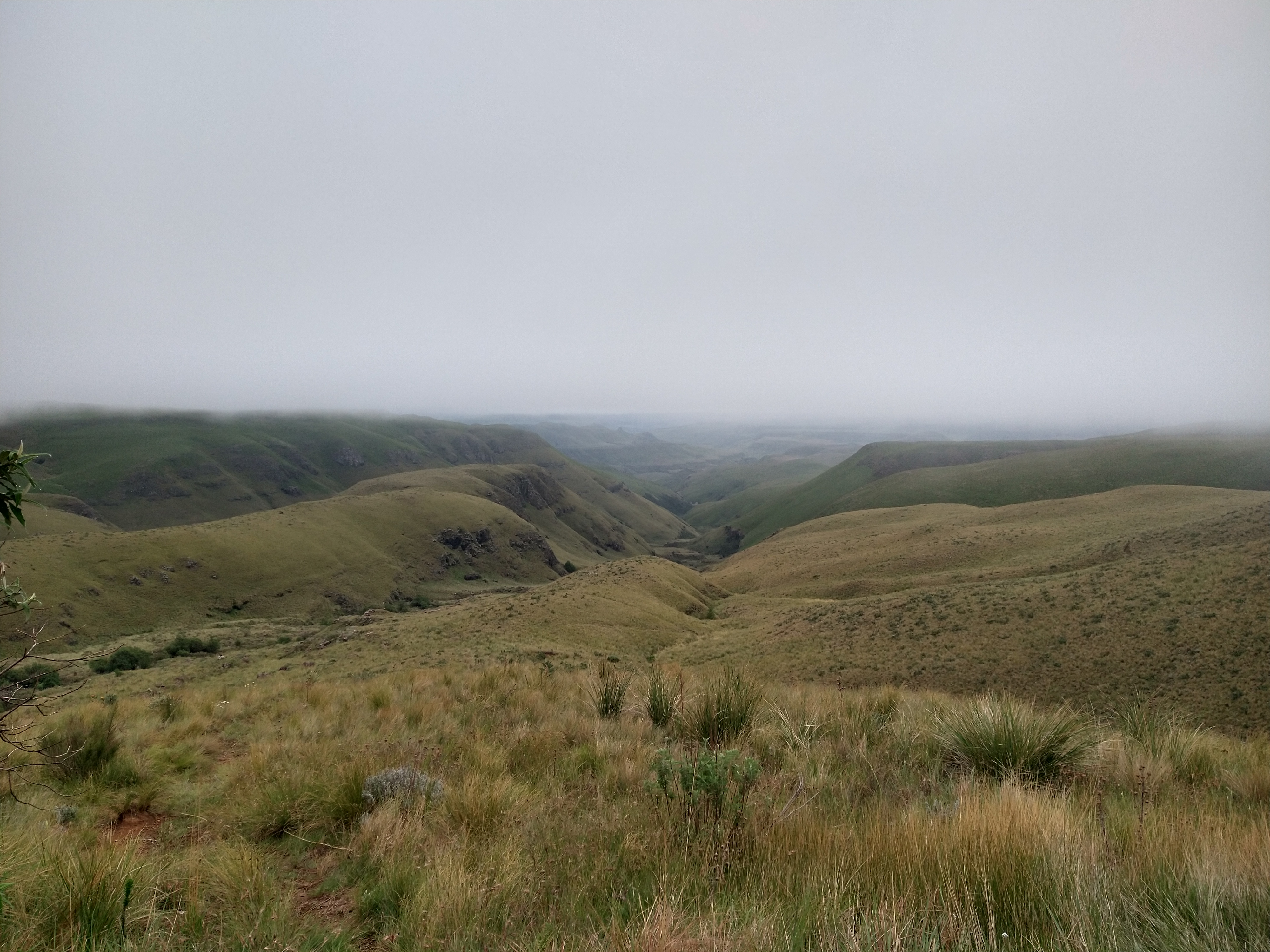
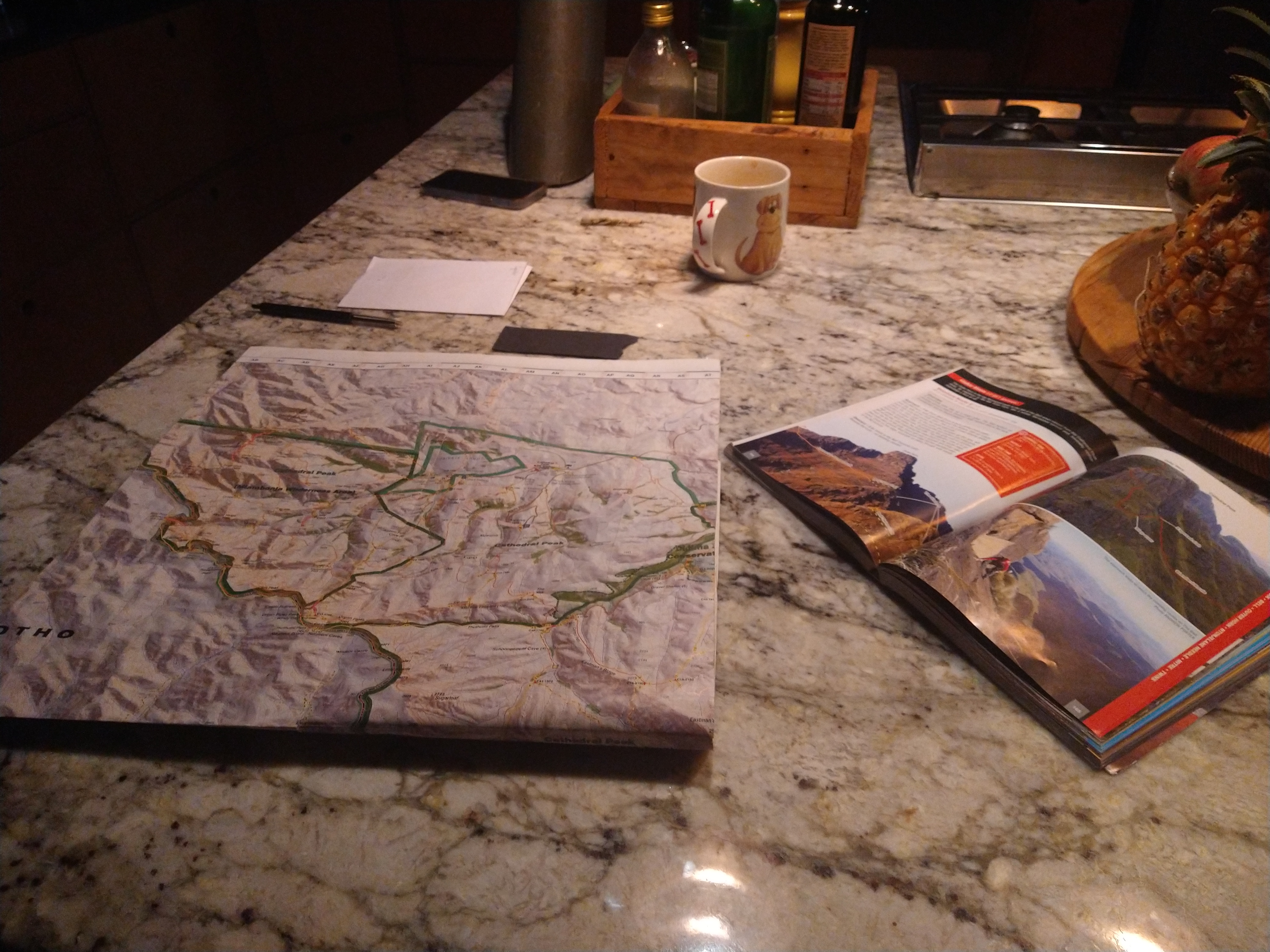
The Bell Traverse is usually done in 3 days and needs prime weather due to some incredible exposure. We only had two days but a solid weather window. It was about 40 kms starting and ending at Cathedral Peak Hotel. We left the bakkie (truck) at the parkinglot, climbed up the pass towards Cathedral Peak (which was Dav’s first climb with me in 2020!) then skirted around the bells. We slept under the stars the first night after an incredible sunset and (hot!) dinner plus leftover pizza. It was like picking up with our friendship right where we left off four years ago, some truly special mountain time.
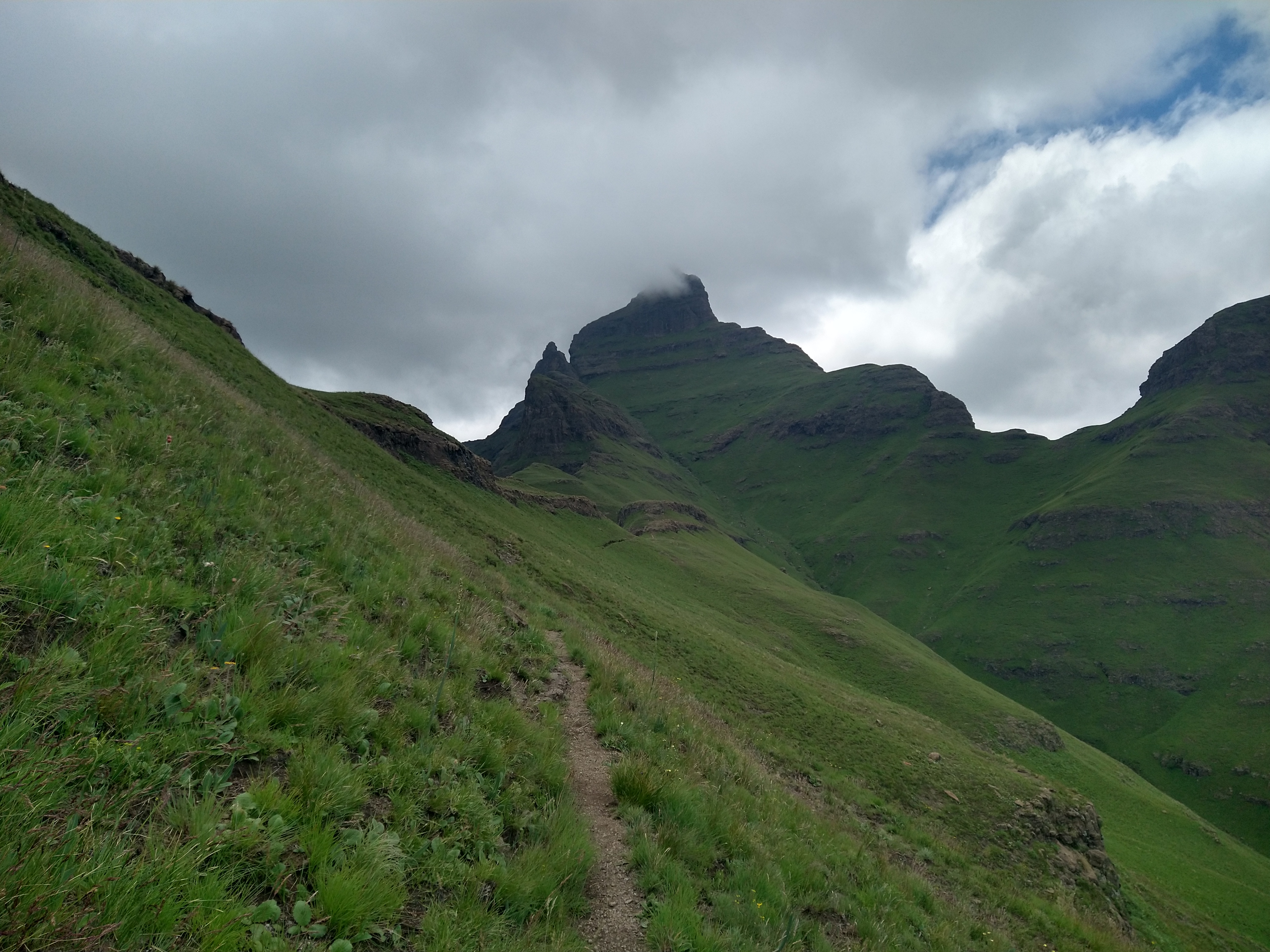
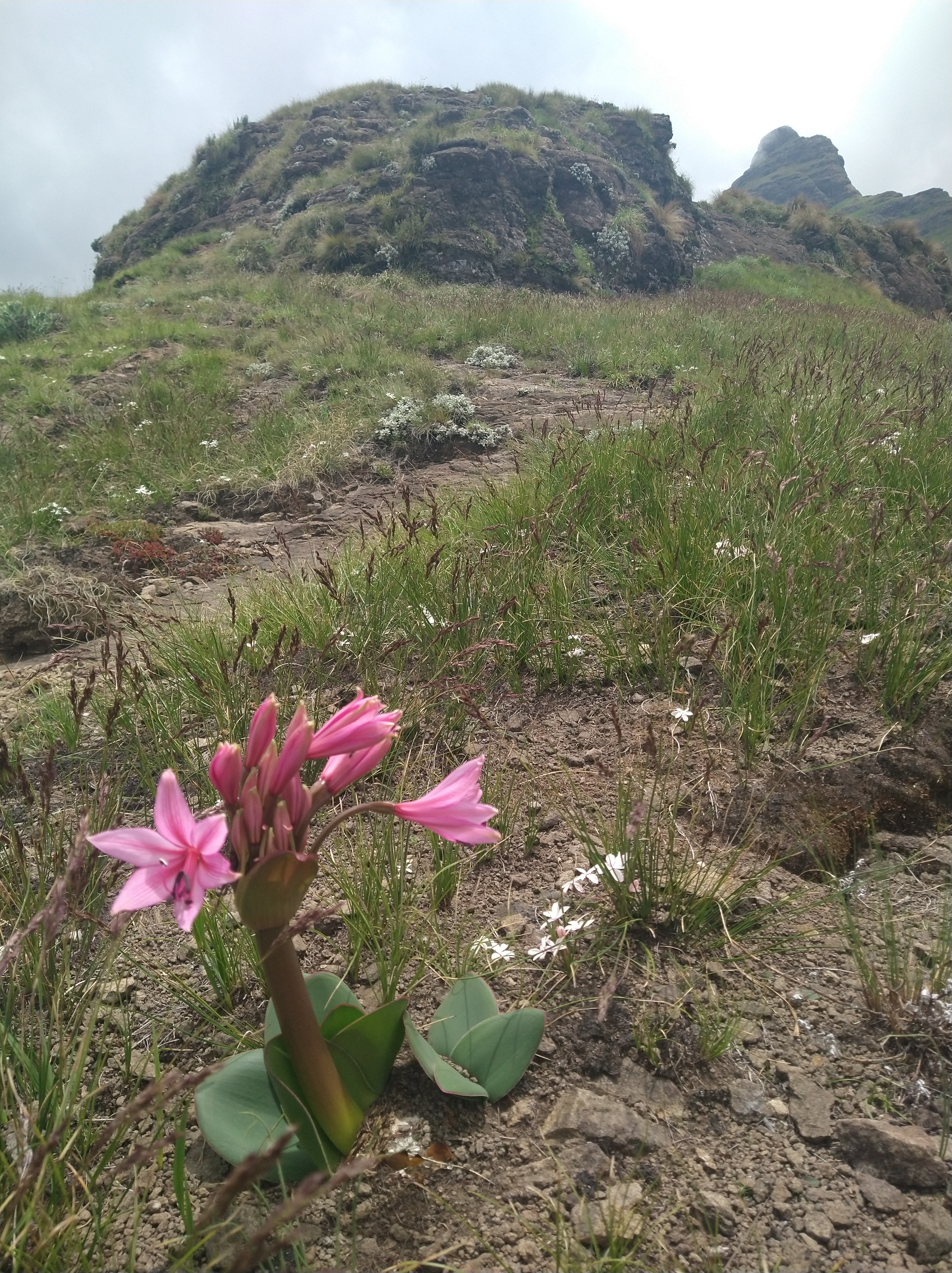
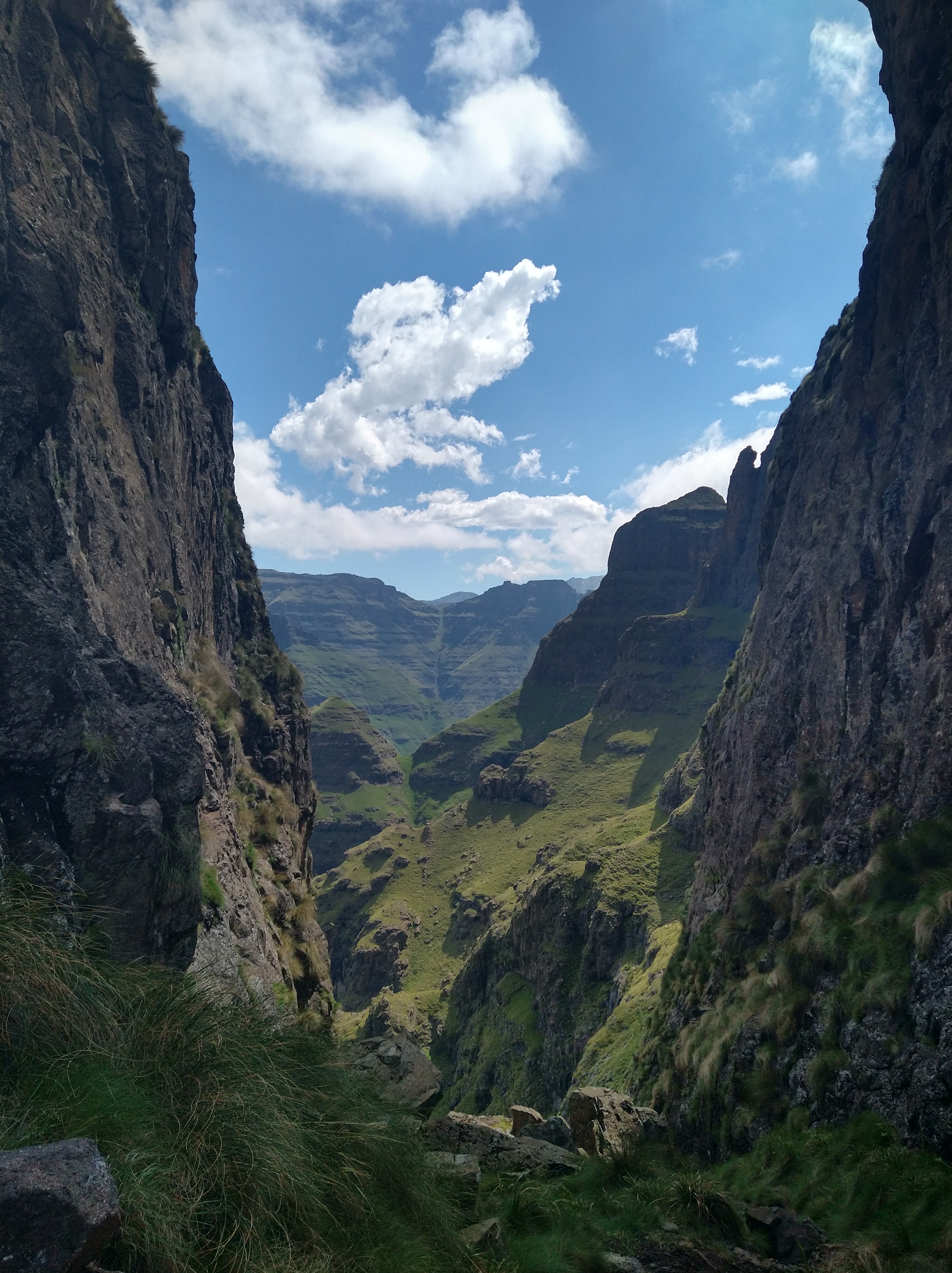
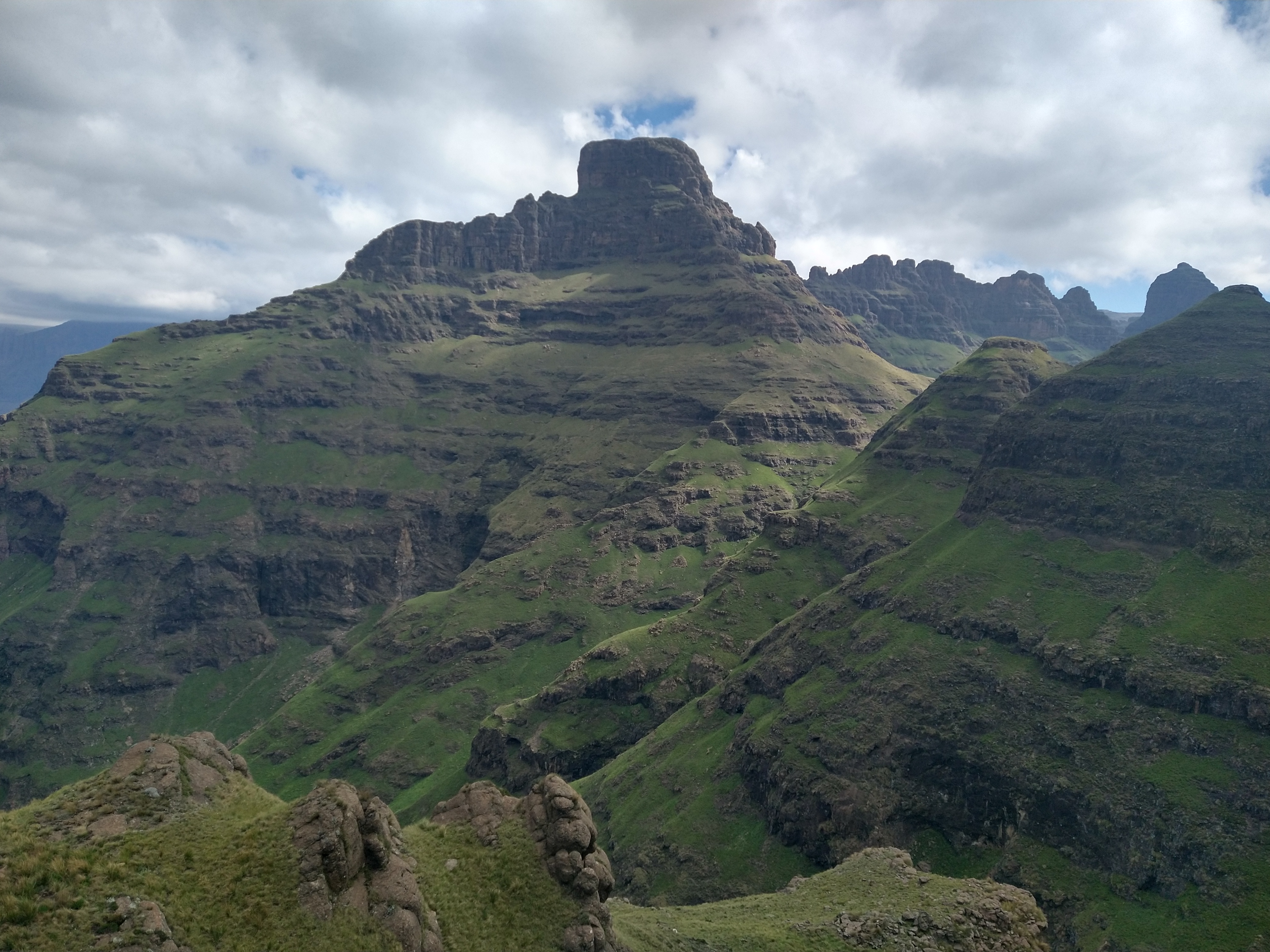
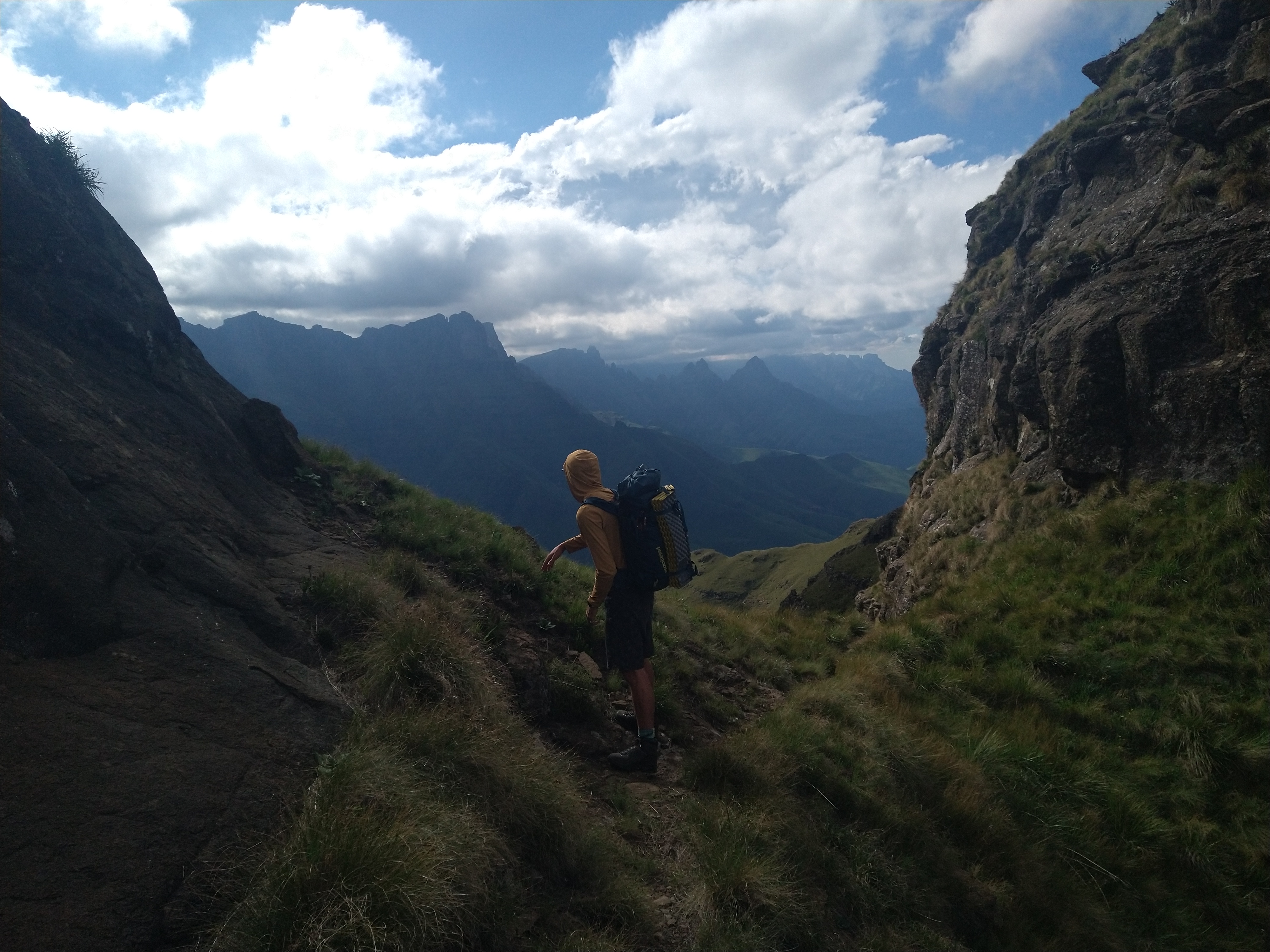
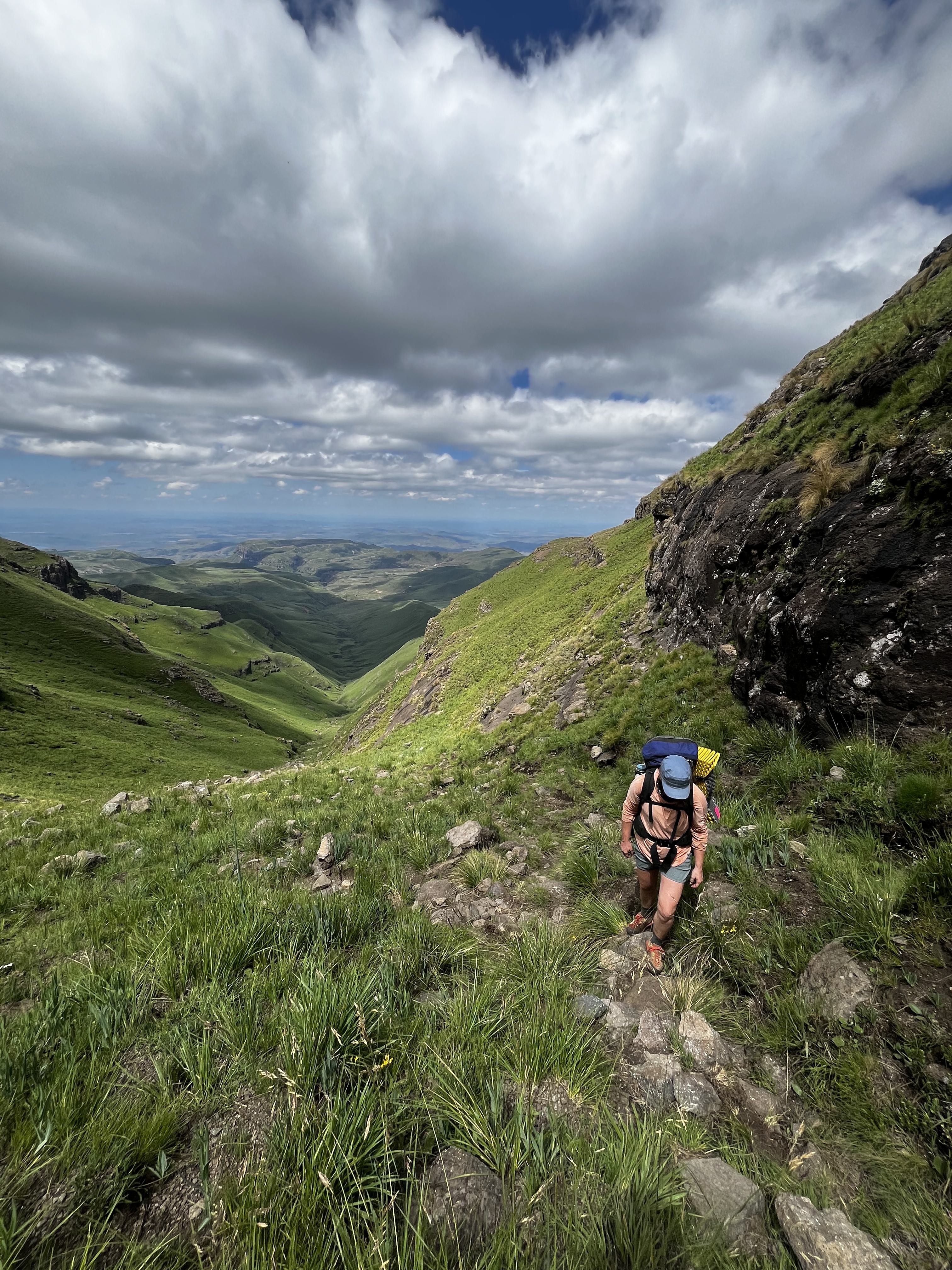
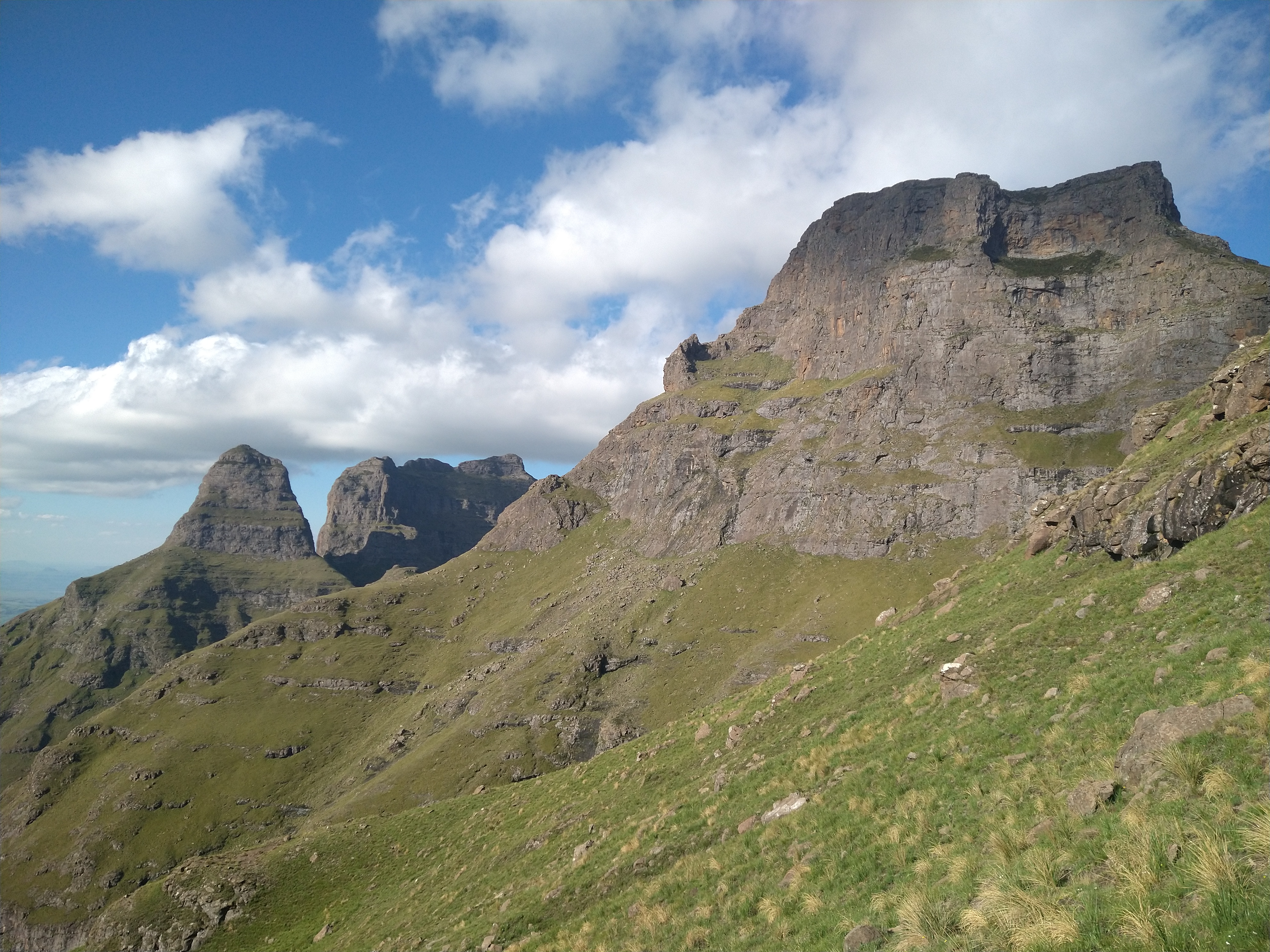
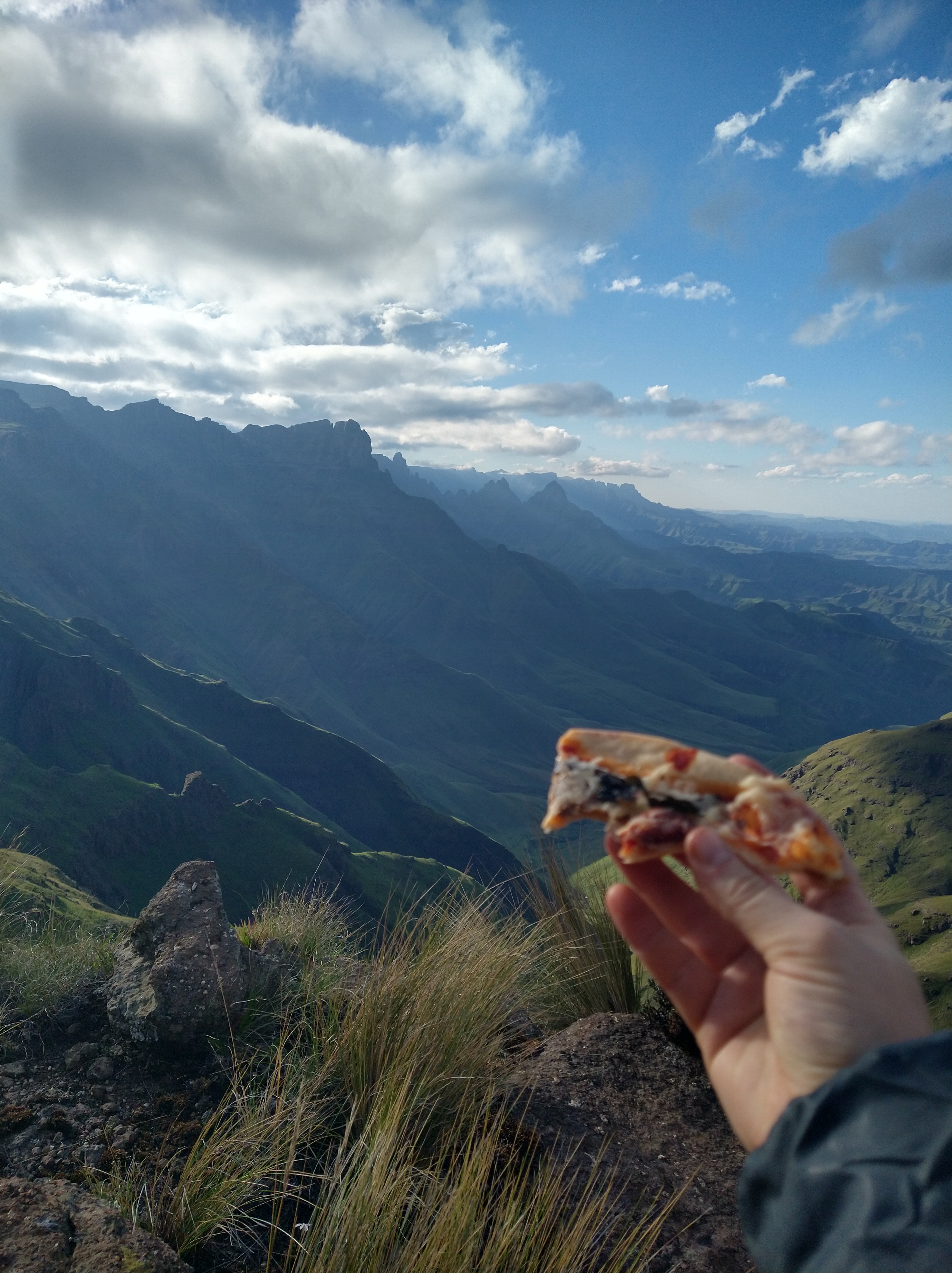
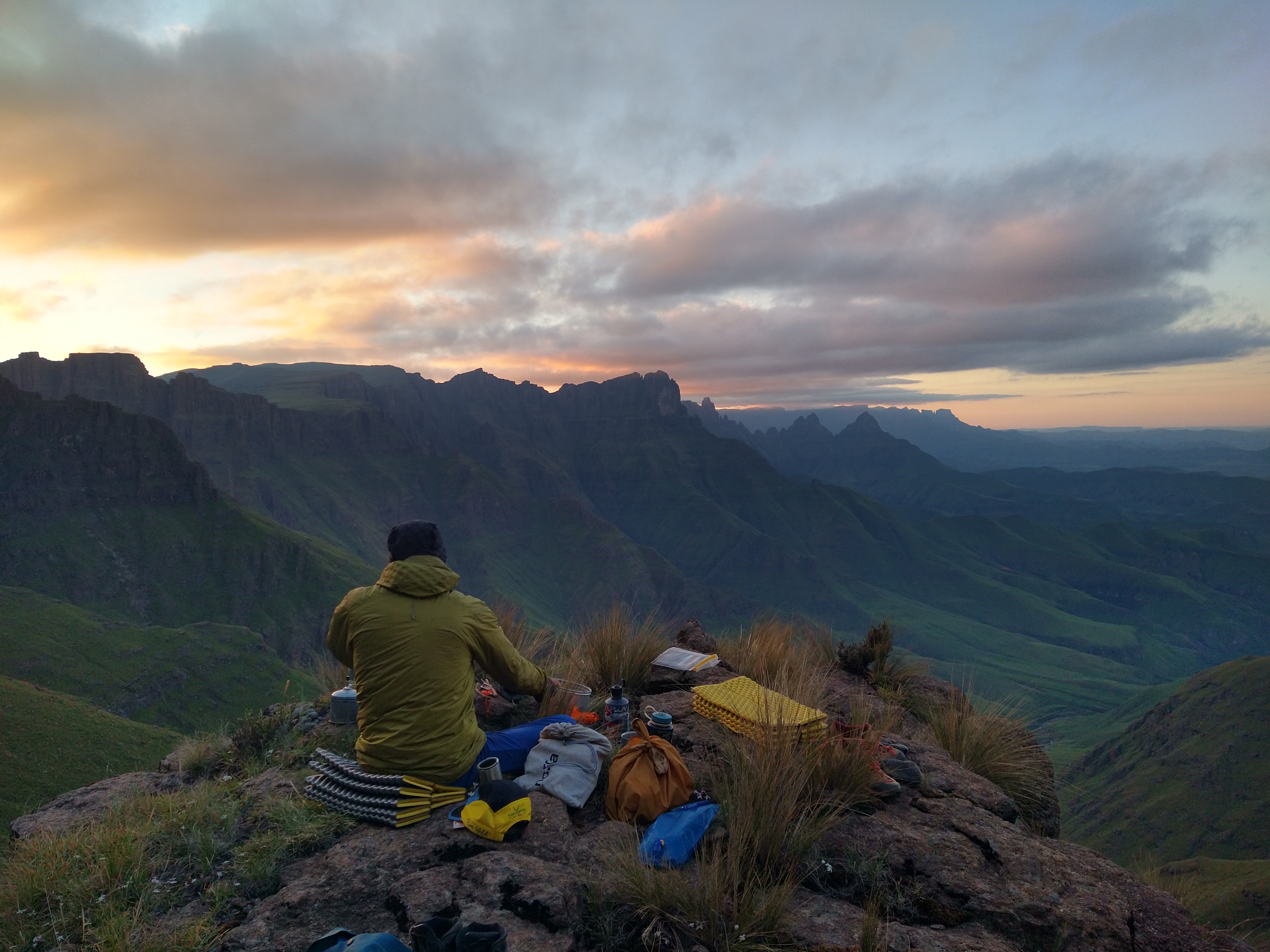
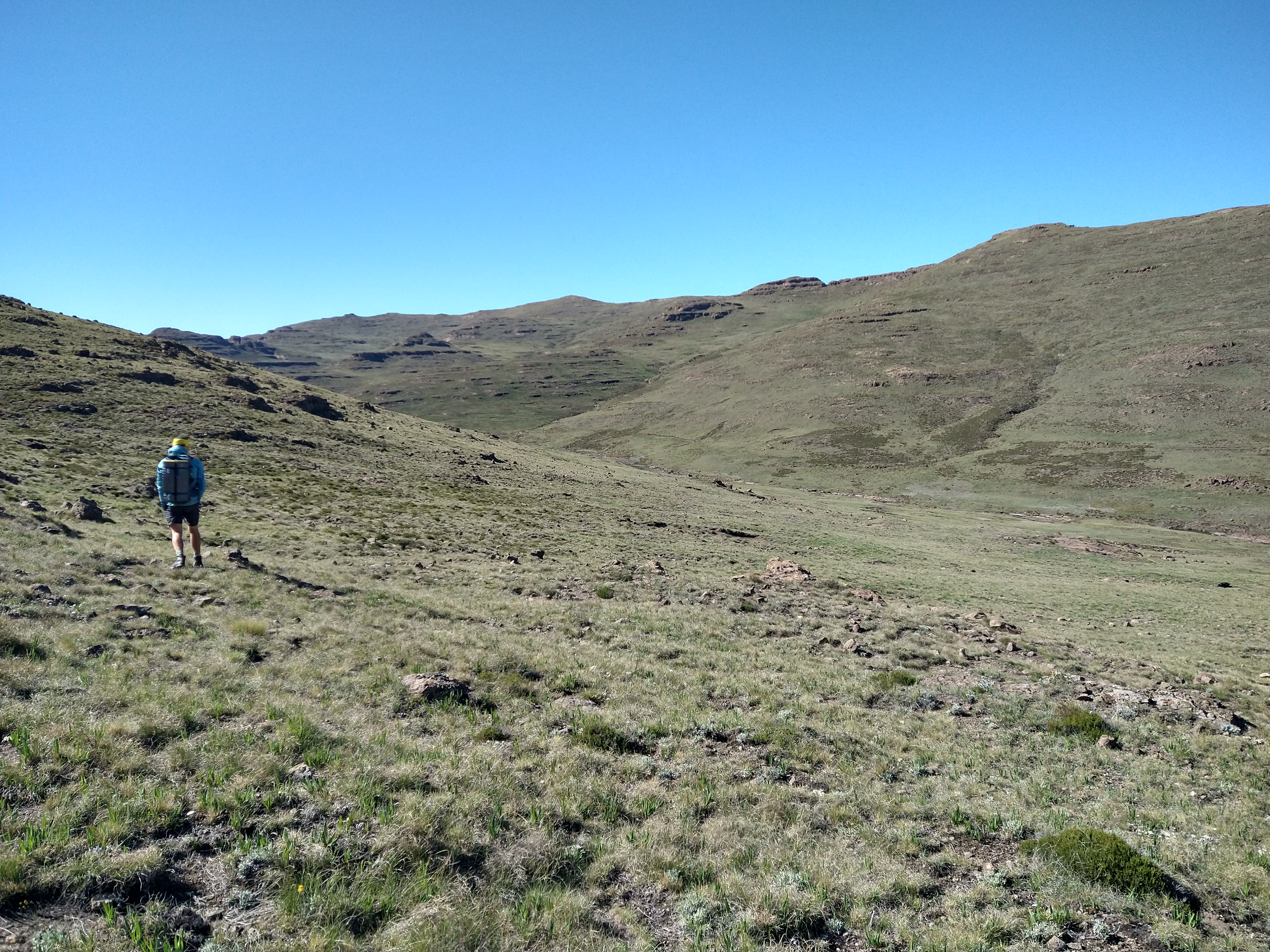
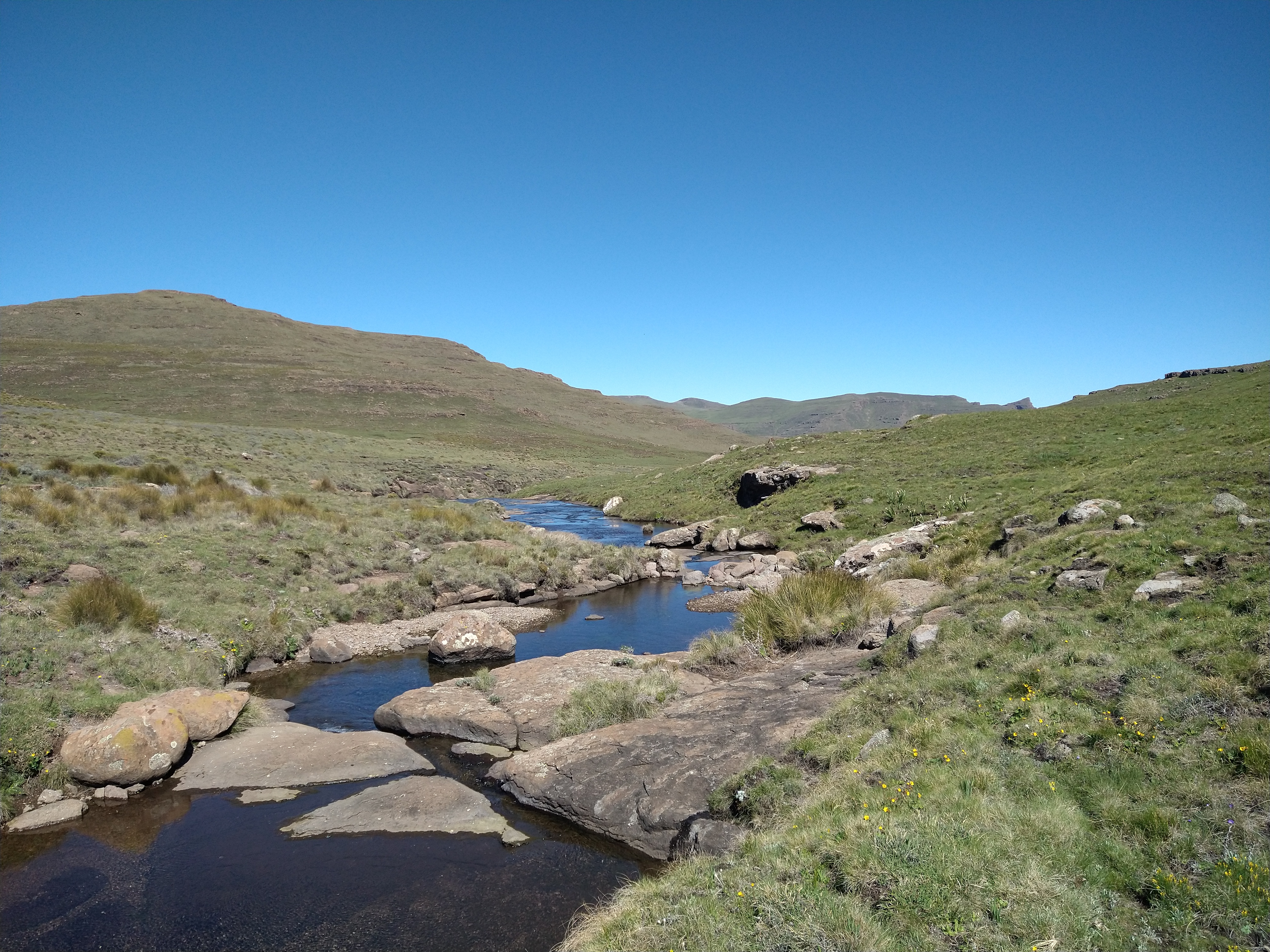
From our bivy we continued up and eventually crossed into Lesotho. It was much more vast and barren than I expected after hiking up through the spires and towers of the mountains. Eventually we came to a gully that offered an off-trail adventurous way down, so of course we went for it. Rock hopping down the steep gully led to bushwacking through spiky grass, getting cliffed out a few times, retracing steps, but eventually hammering our way down with big grins. Given our 10 year age gap, Dav had joked that maybe this would be too much for my old bones to carry me through. I was happy that he seemed to be just as beat as I was once we made it down, and that we both gave each other a run for our money to tackle this together. We are already brewing up the next big adventure.
Christmas in the Philippines: Dec 2024
Mikaila and I didn’t have much of a plan for this trip besides reconnecting after a long 4 years apart, getting scuba certified, and having the most laughs we could squeeze in to 3 weeks in the Philippines.
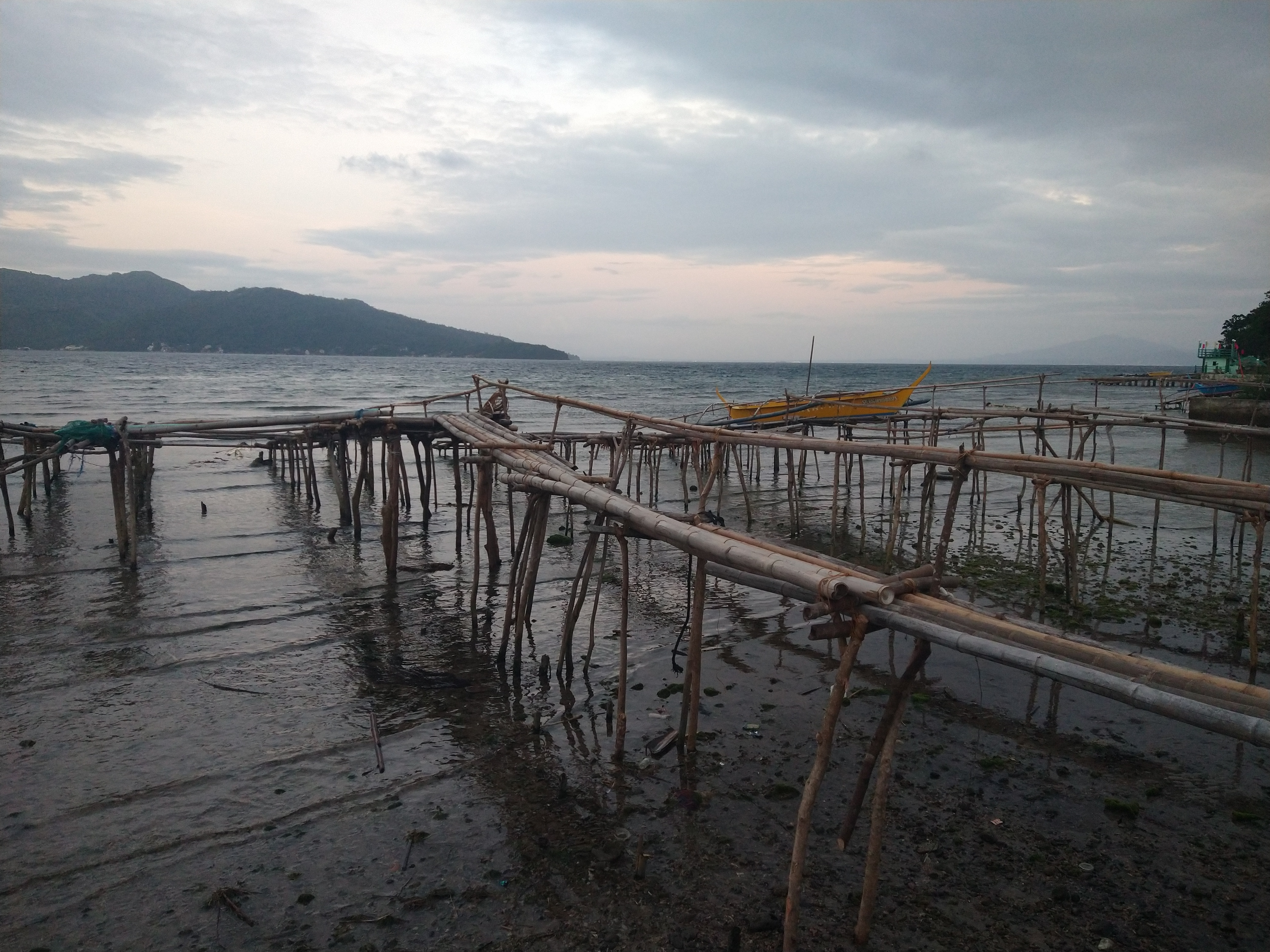
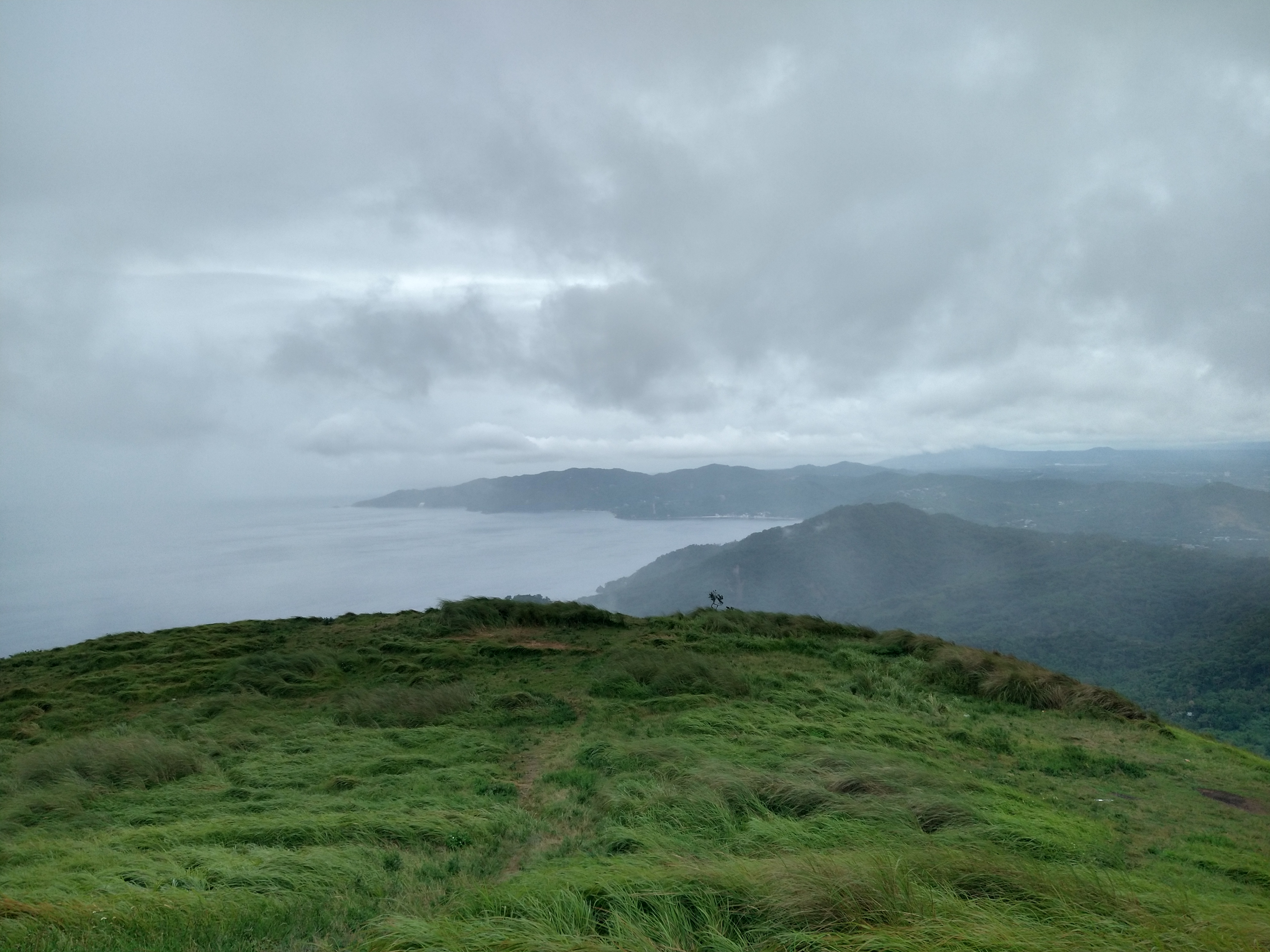
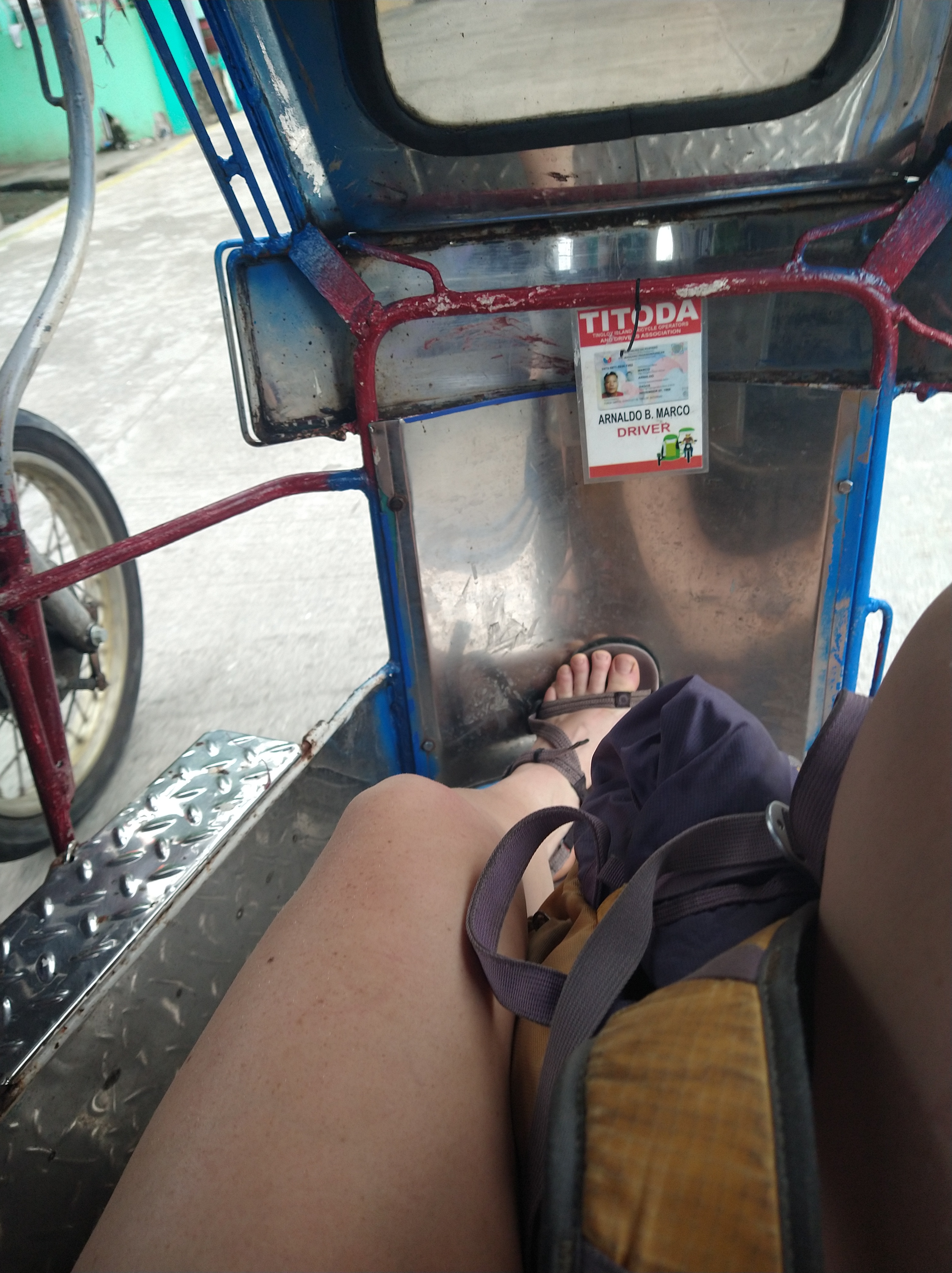
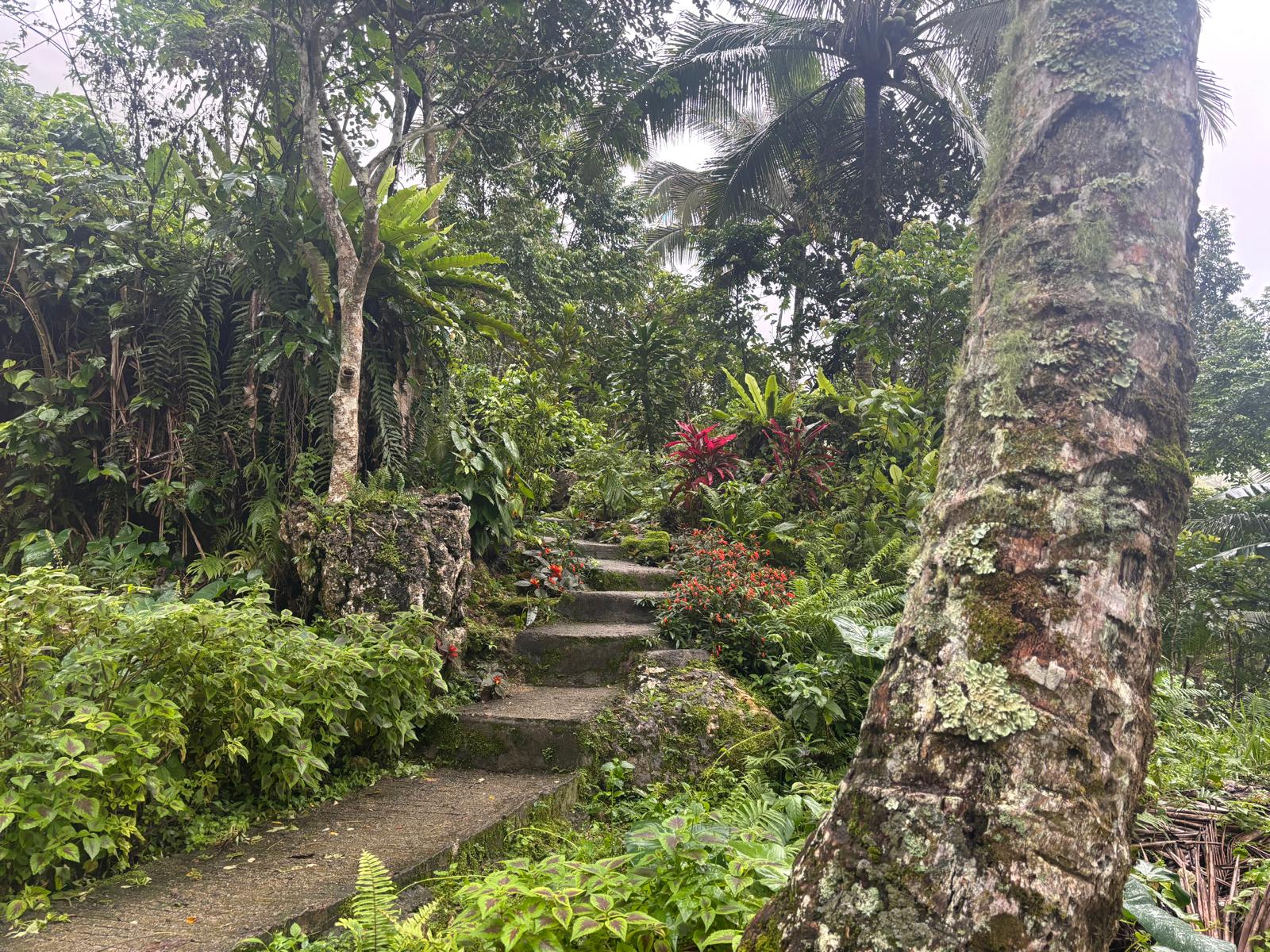
I arrived in the Philippines a week earlier and explored parts of southern Luzon and the little island of Tingloy. After arriving in Manila, I took various methods of transportation to access these areas – bus, jeepney, trike, ferry, even the back of a scooter driven by a teen. I hiked up Mount Gulugod Baboy and bushwhacked across Tingloy before hopping on the before mentioned back of the scooter to get back to my hostel. The Philippines were what I imagined and more – lush, green, friendly, and very humid.
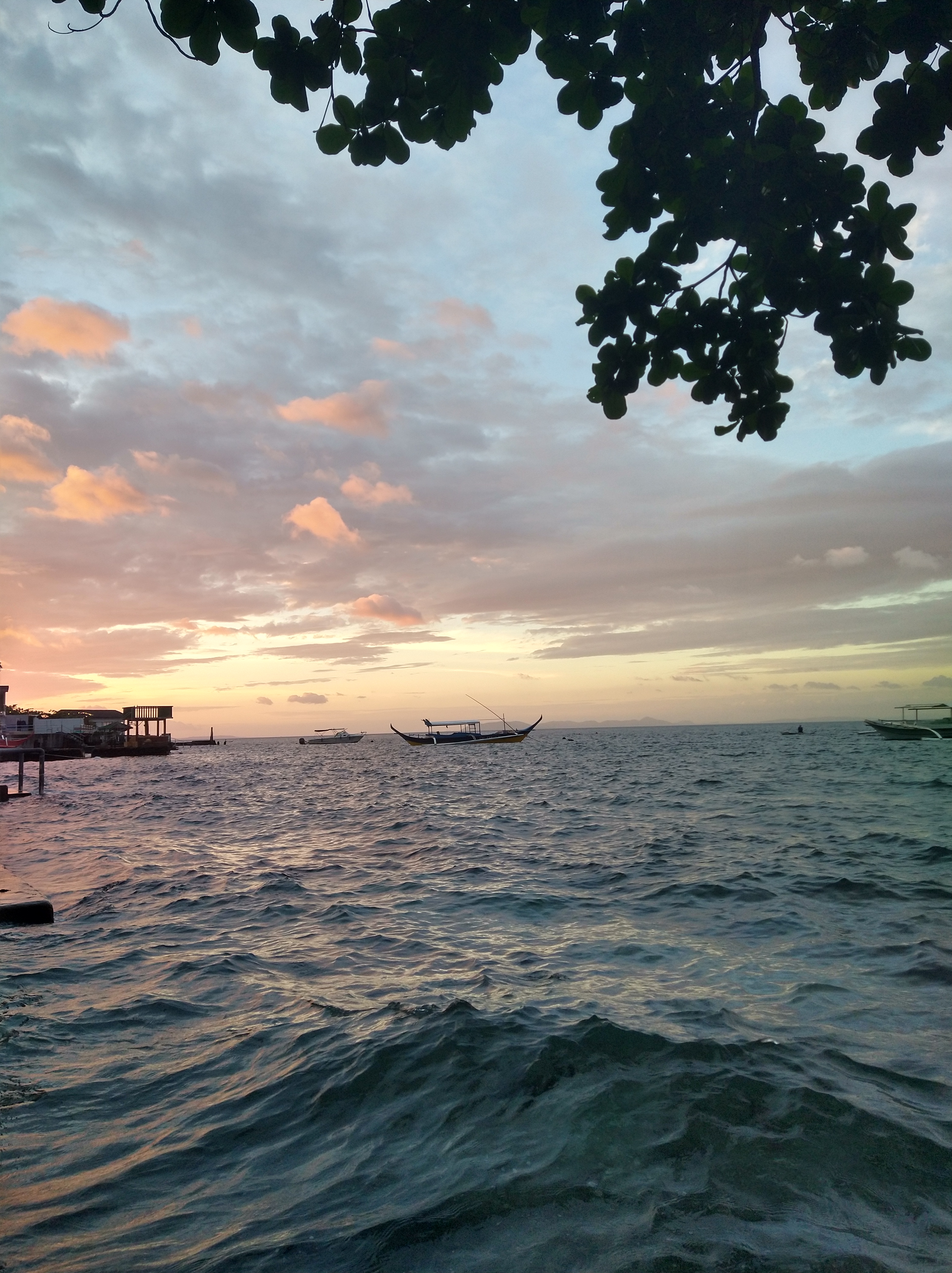
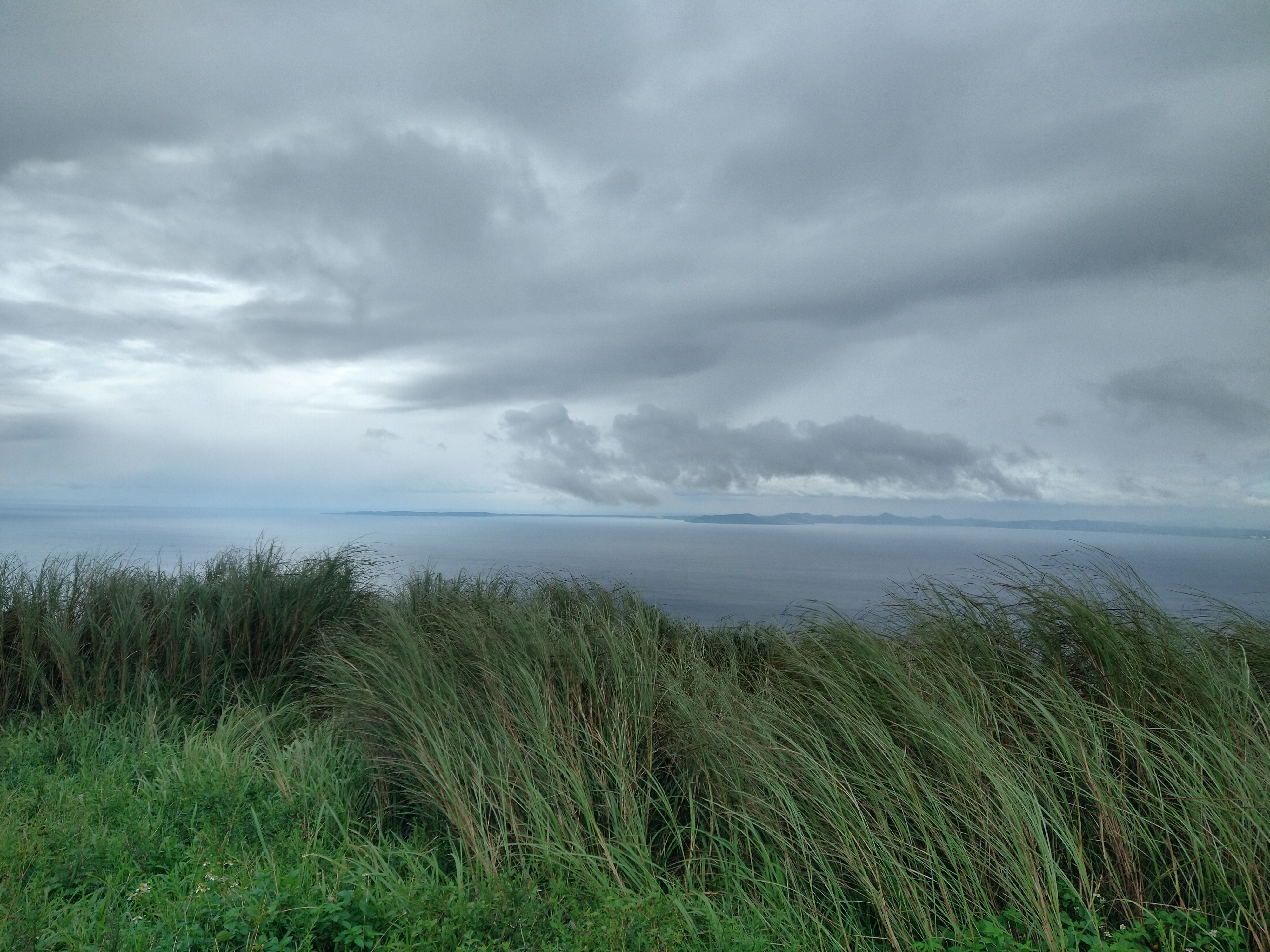
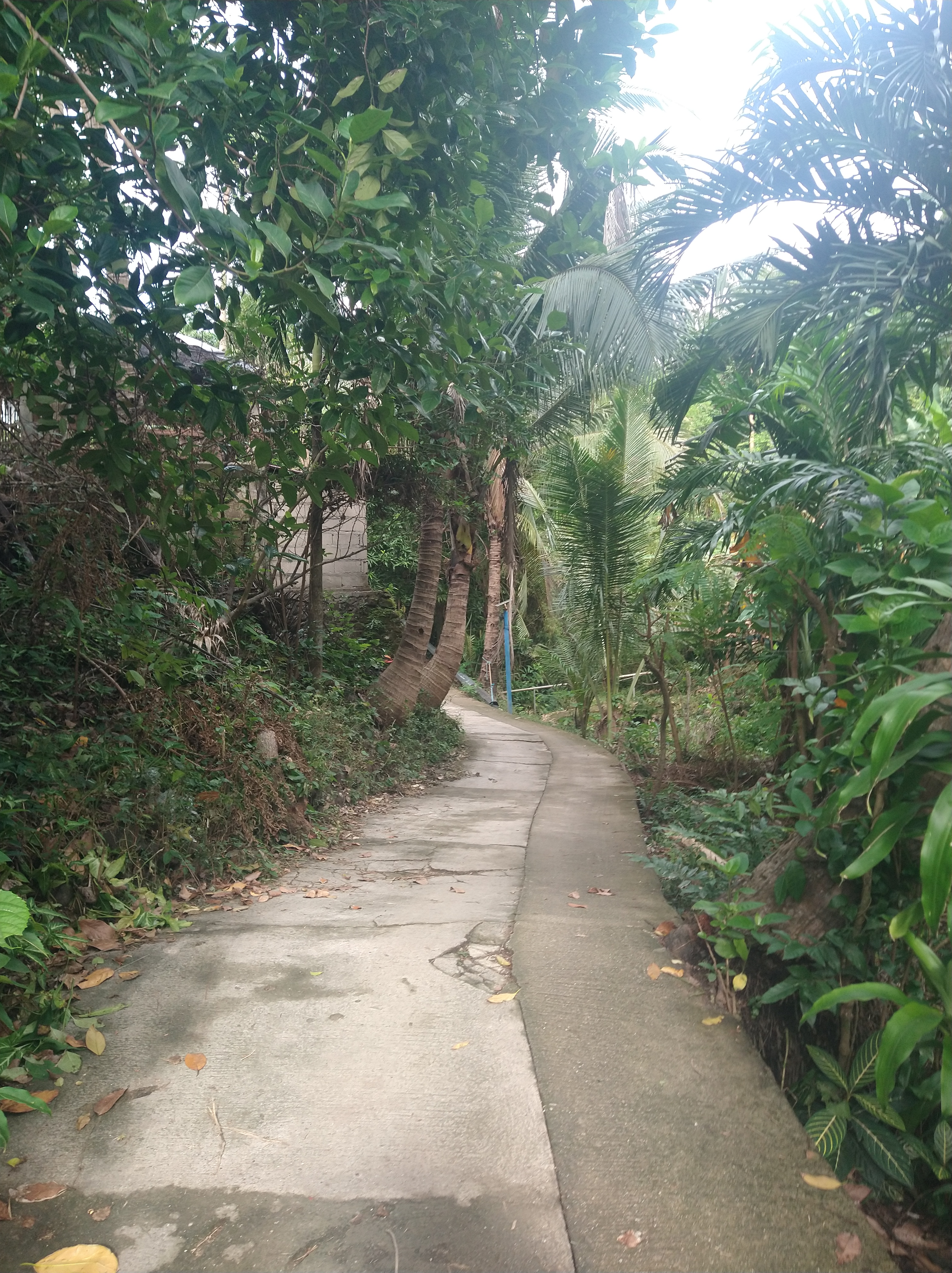
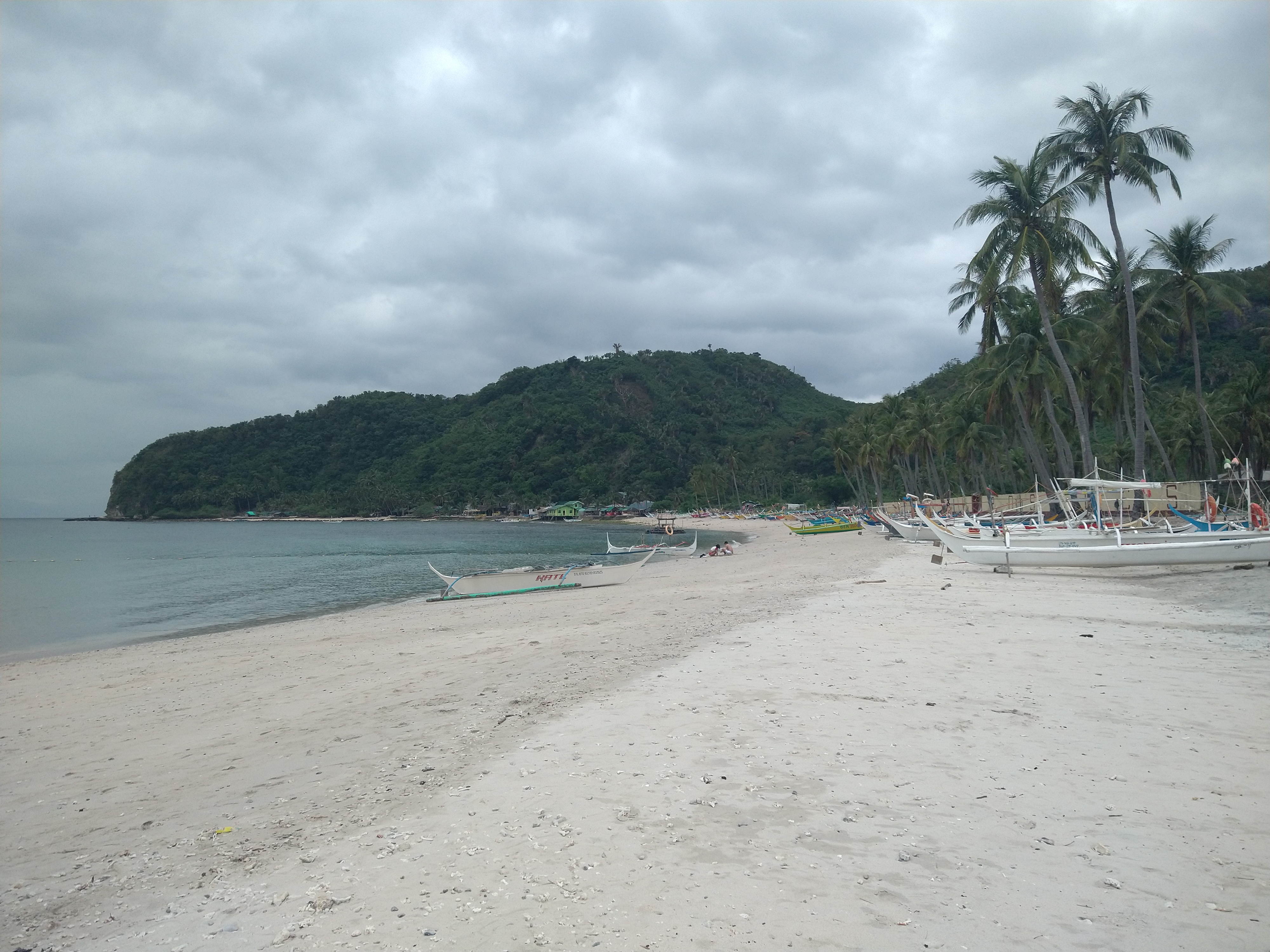
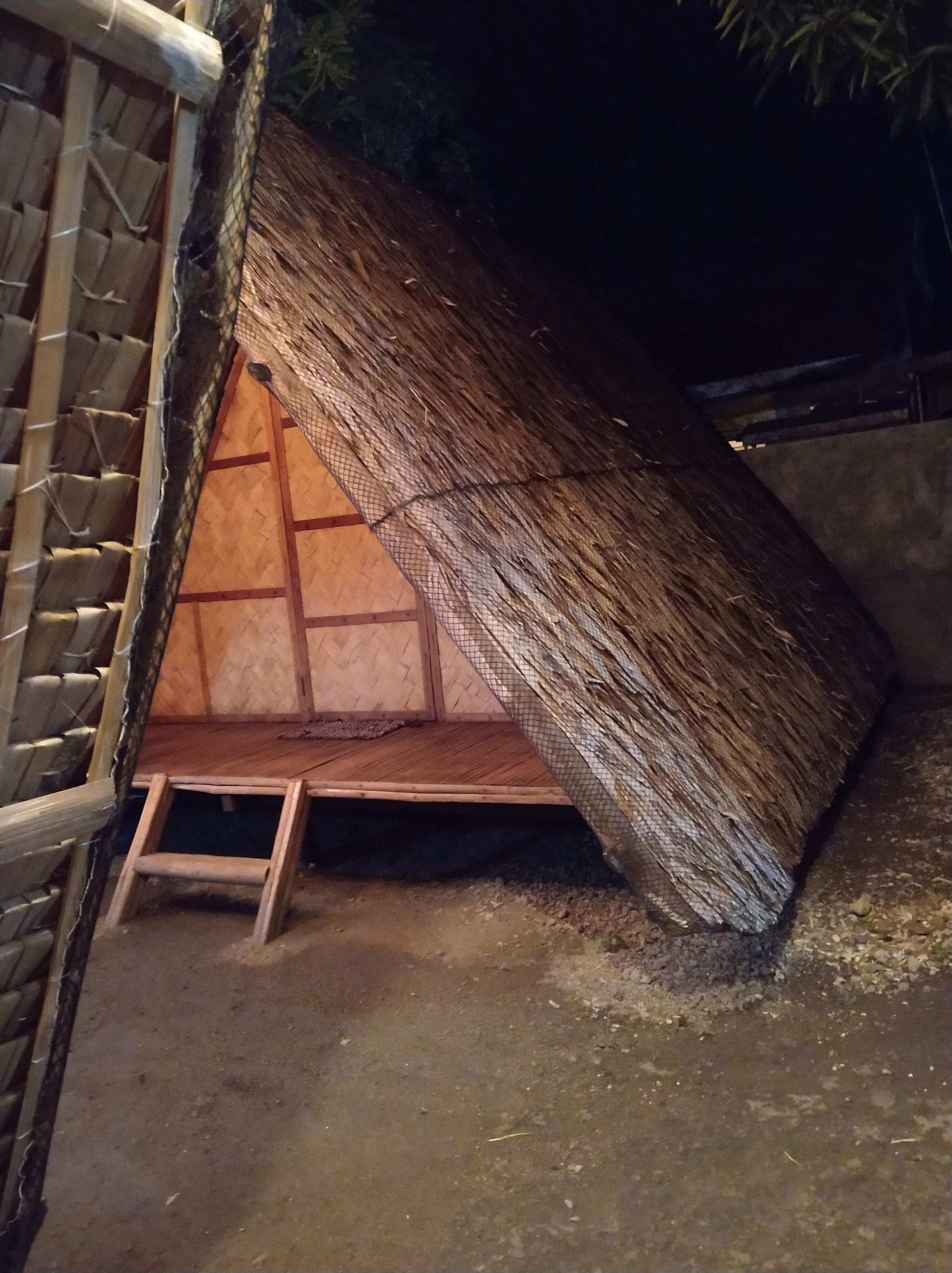
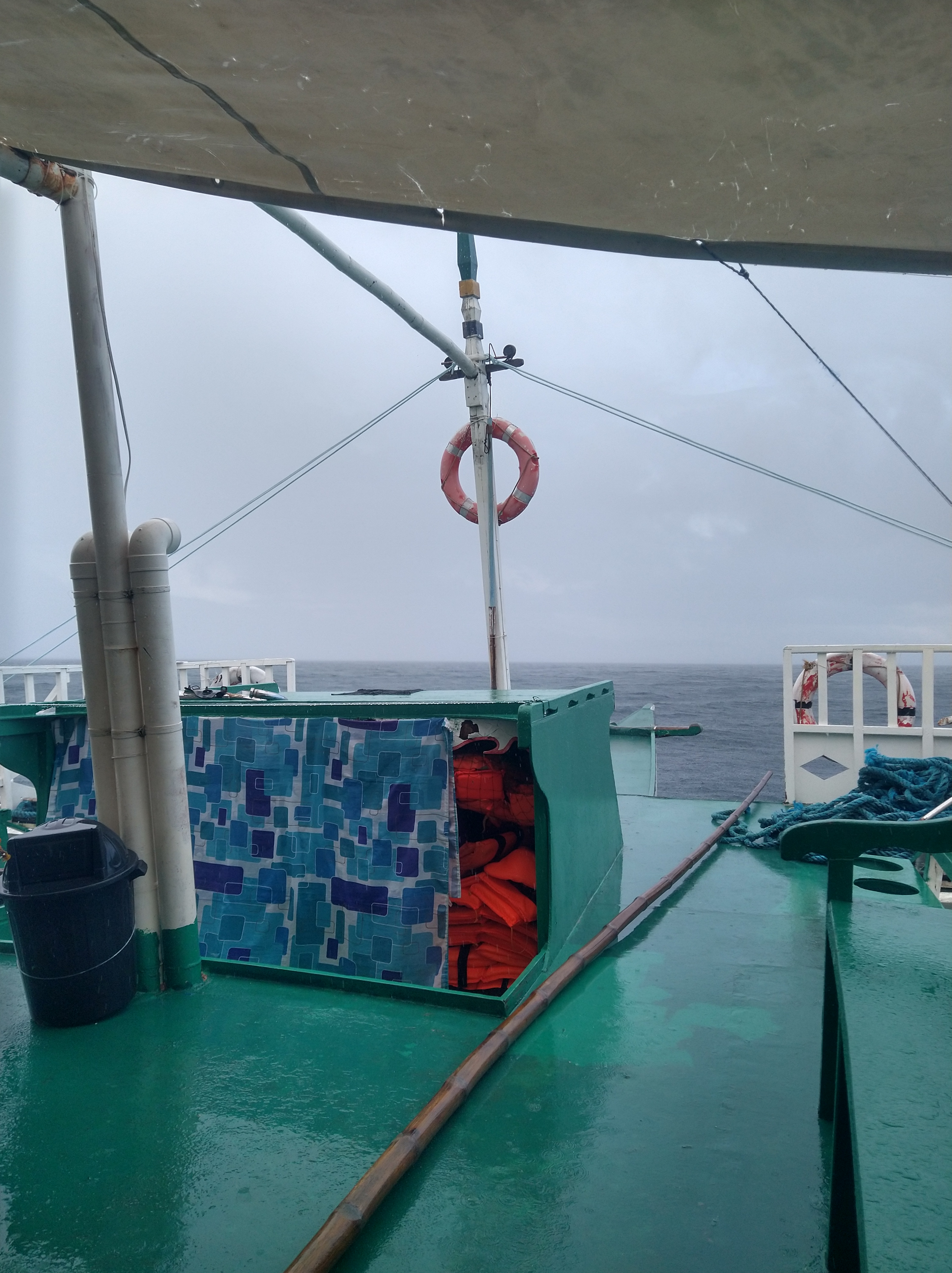
Mikaila and I met back in Manila, had a celebratory cocktail for our reunion, then took a short flight to the island of Cebu where we would get our PADI diving certification. From Cebu City we took a bus, then ferry, to the island of Malapascua where we’d spend the next week diving. Our instructor sort of forgot about our booking being over Christmas, so we ended up completing a 4 day course in a day and a half since he had holiday plans. Ready or not the next two days we dove with tiger sharks and thresher sharks and added being diving buddies to our adventure partnership.
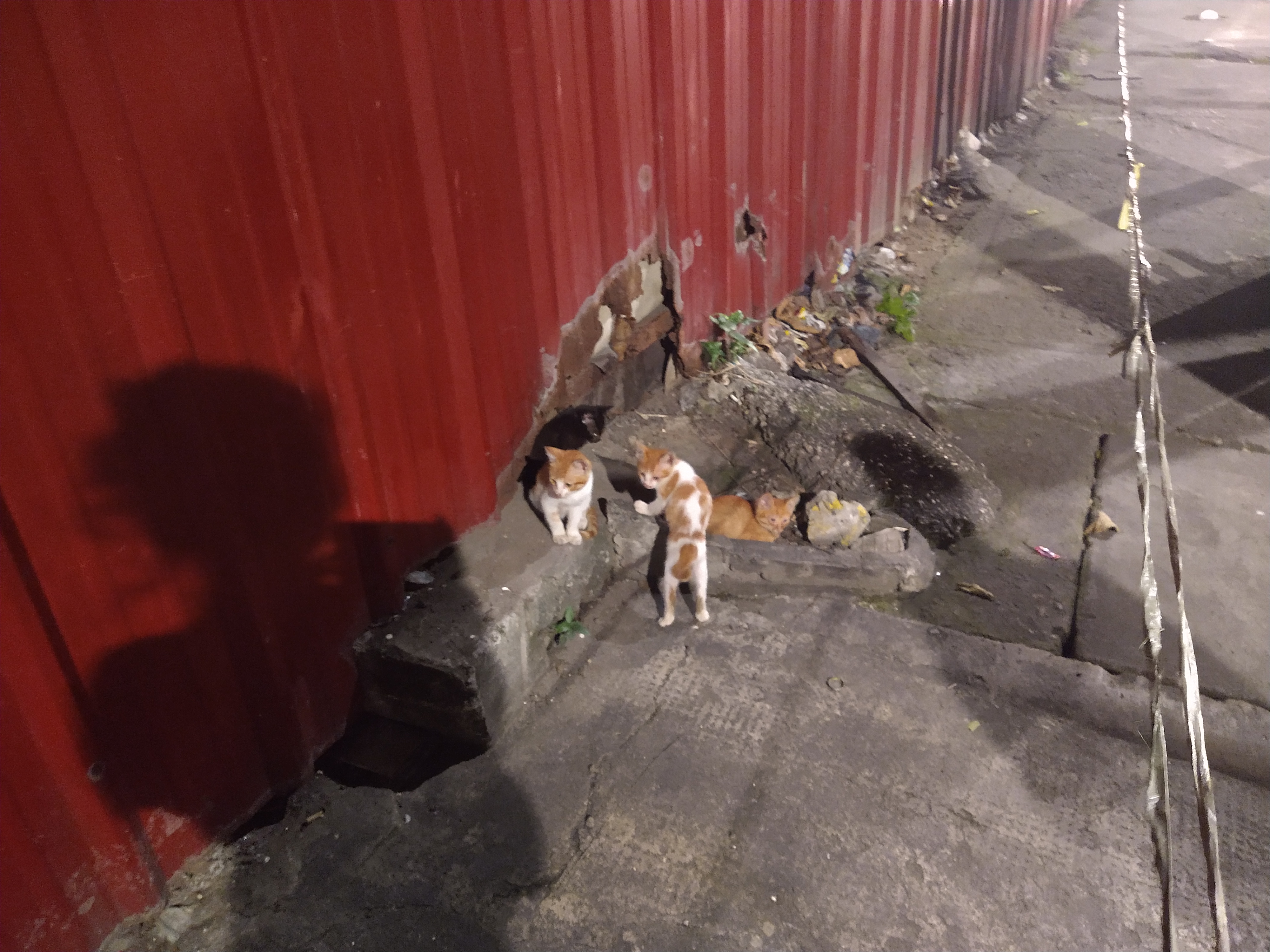
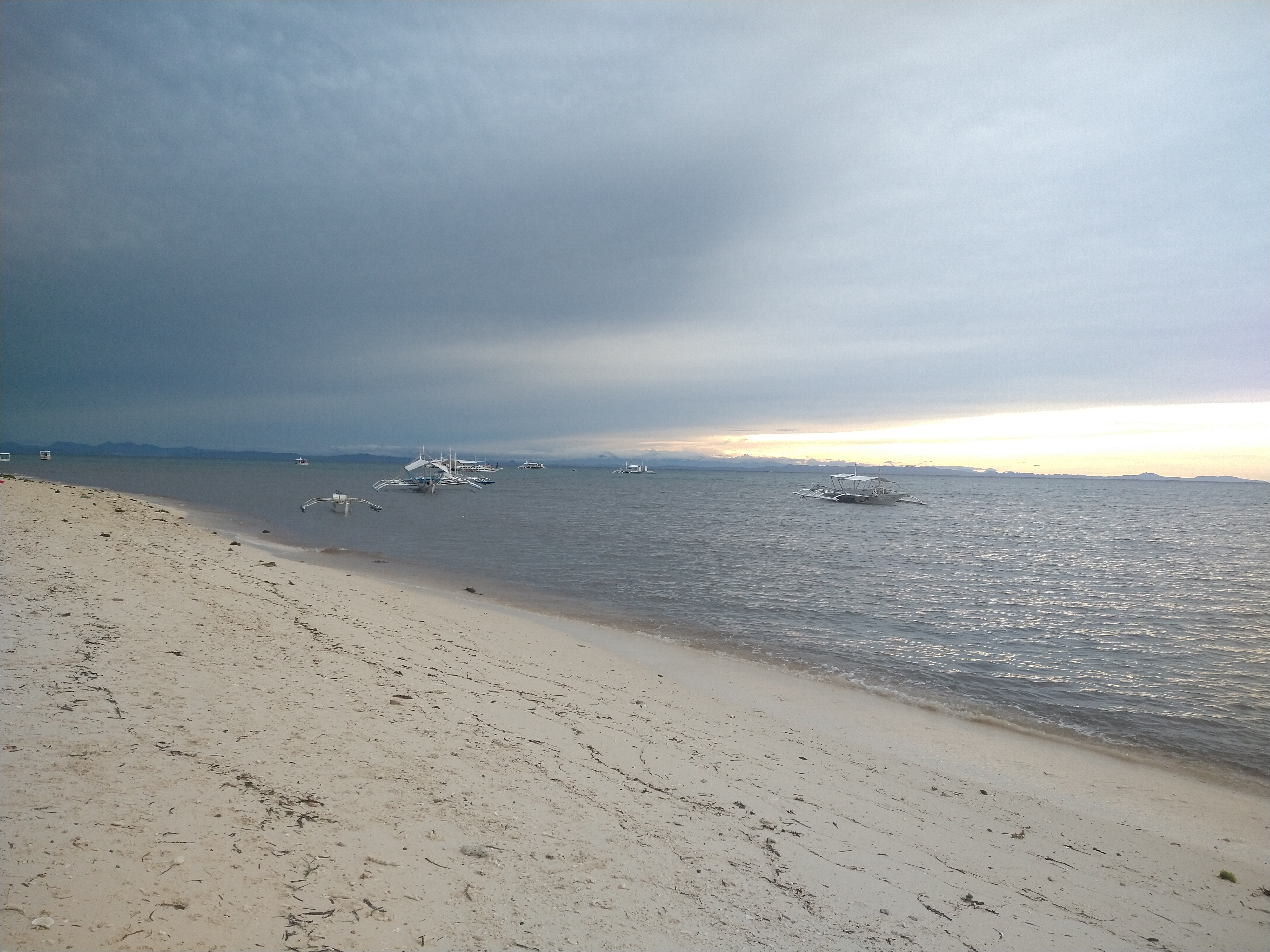
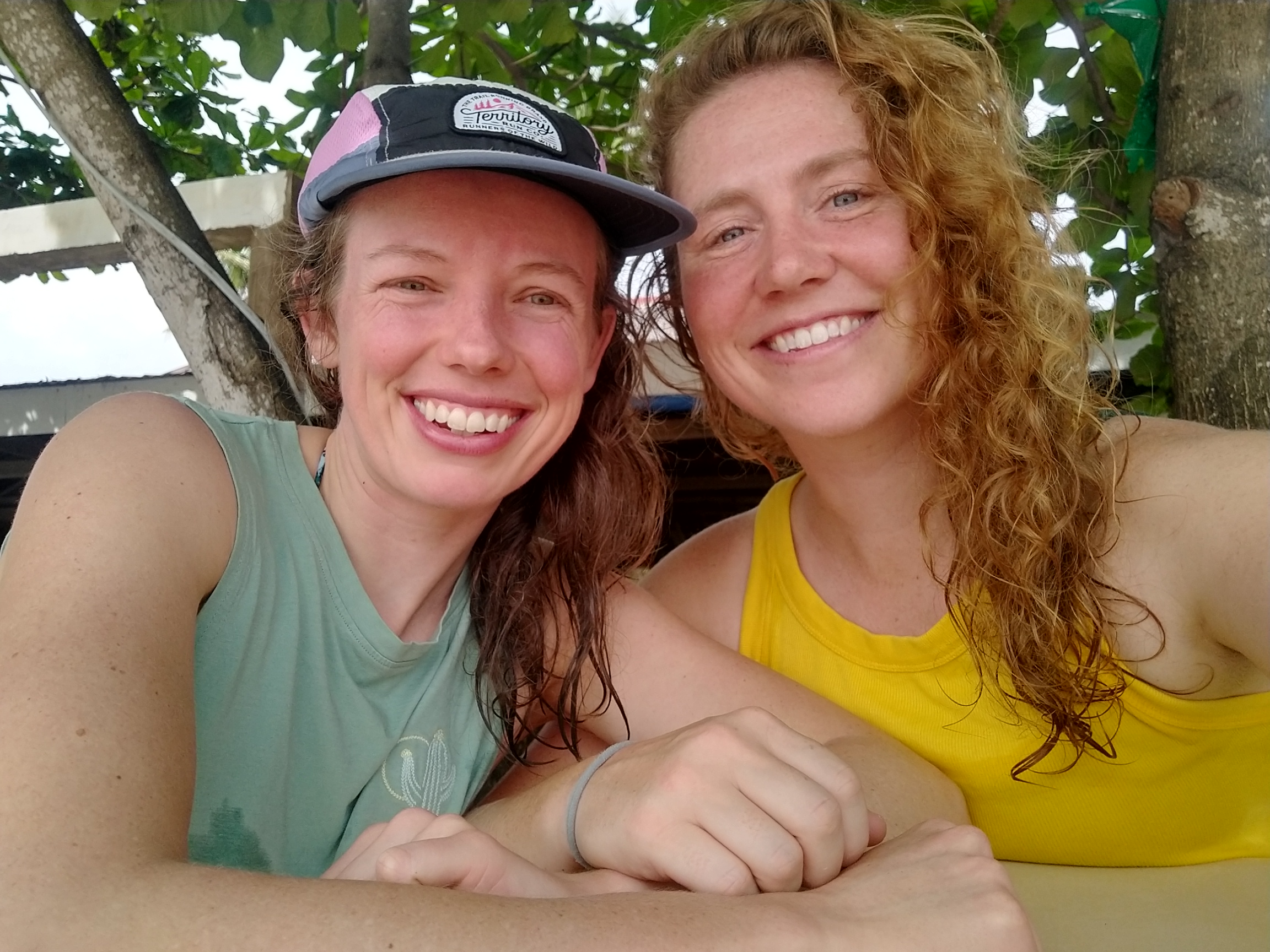
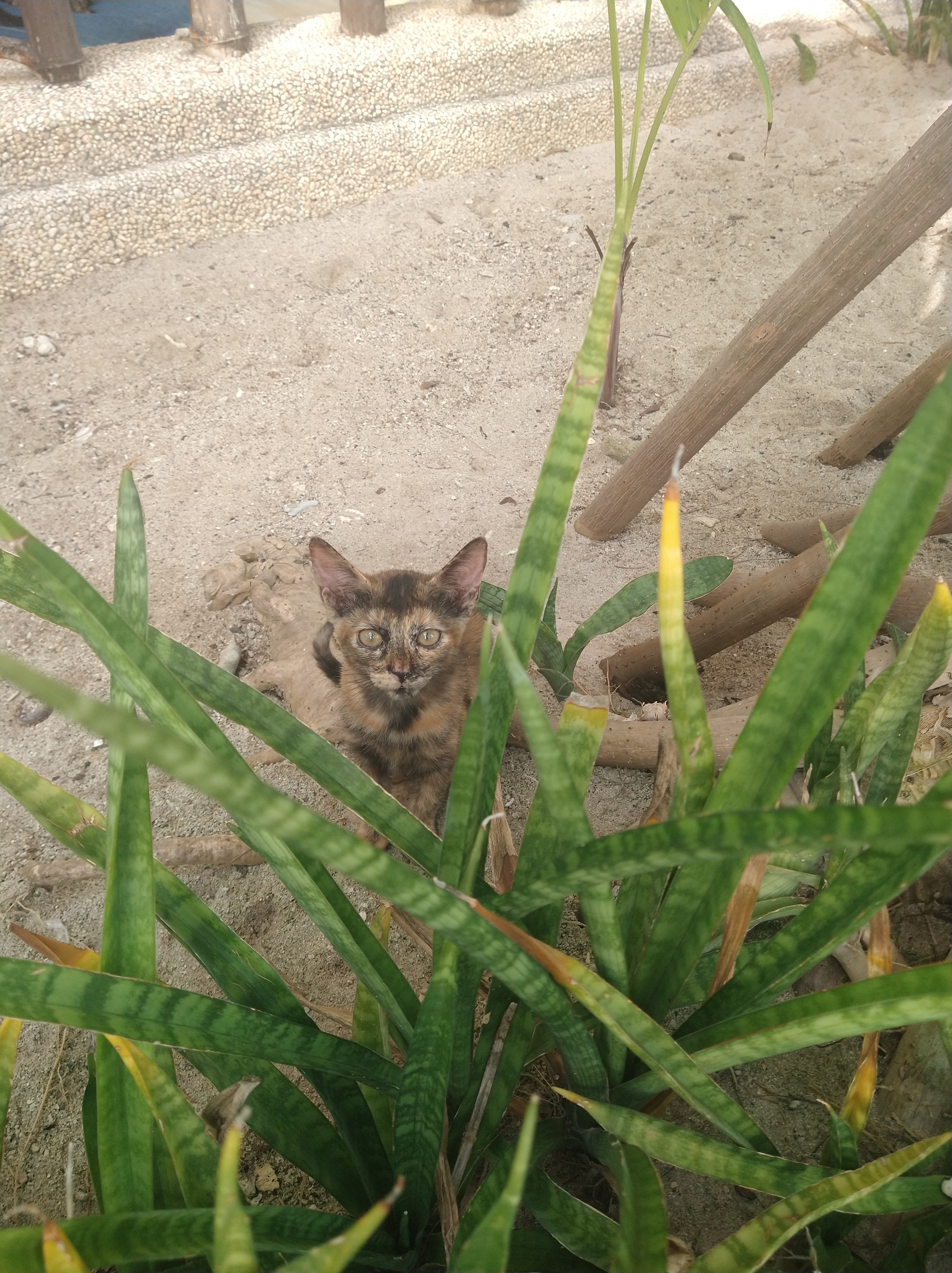
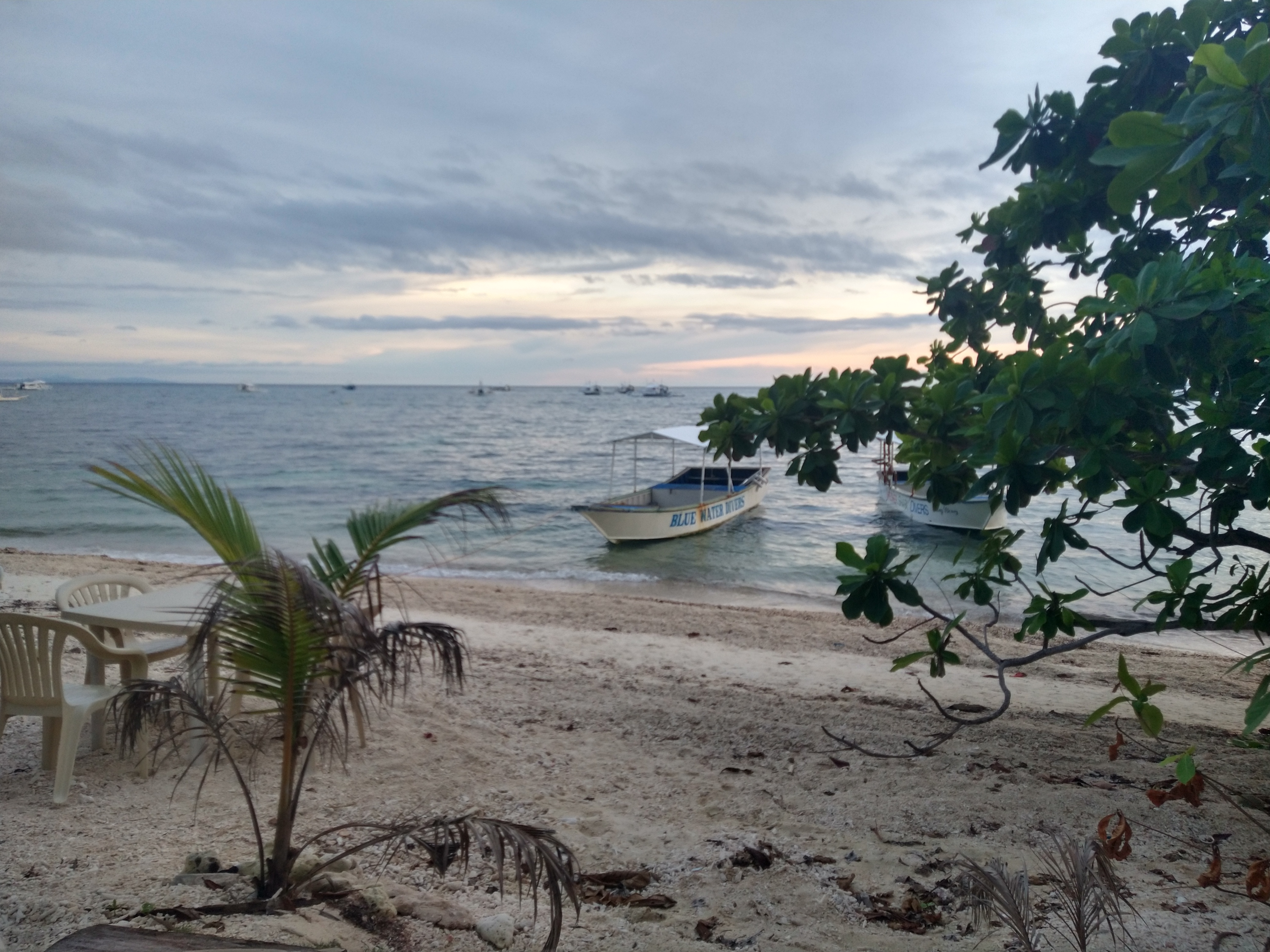
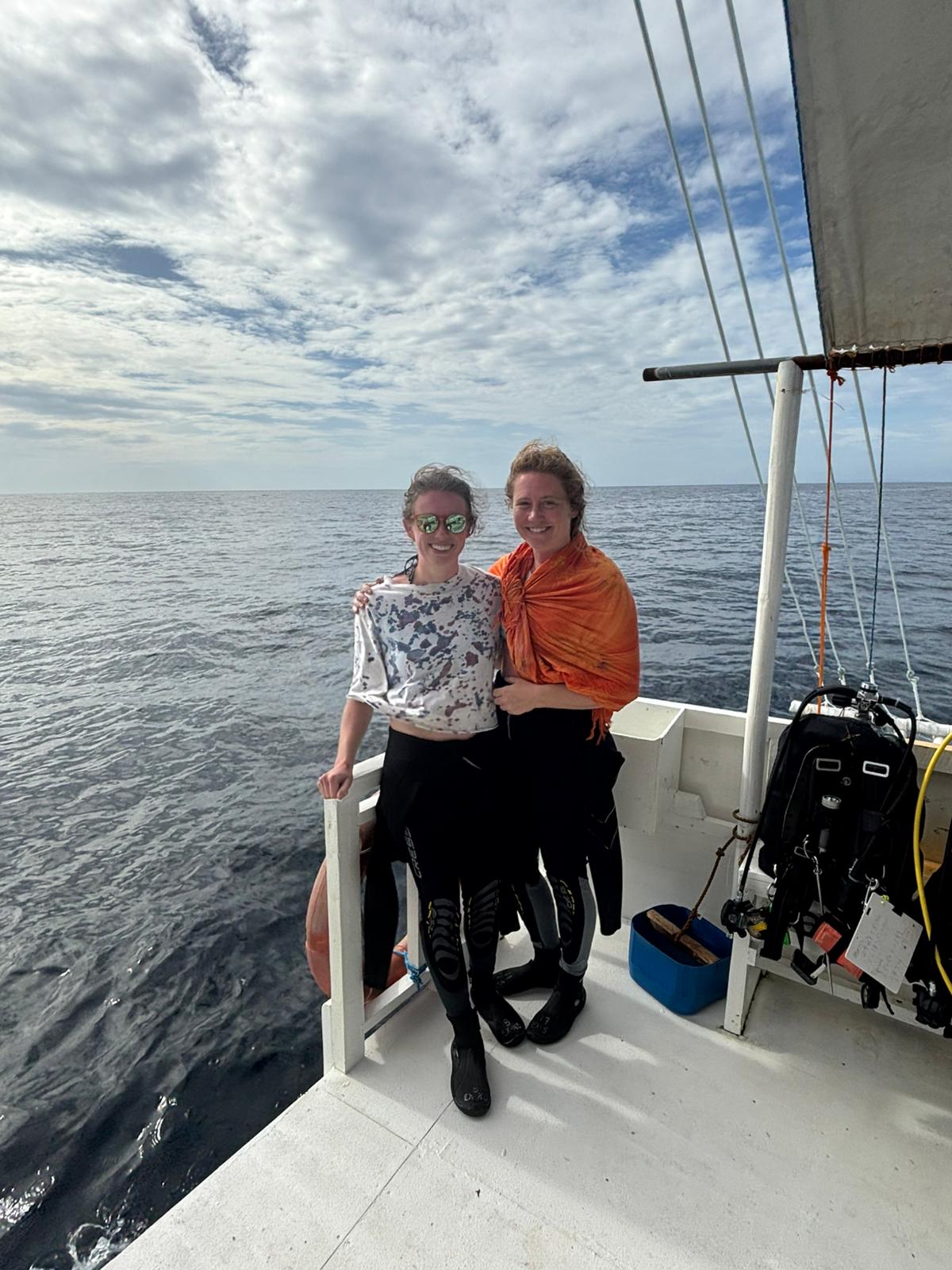
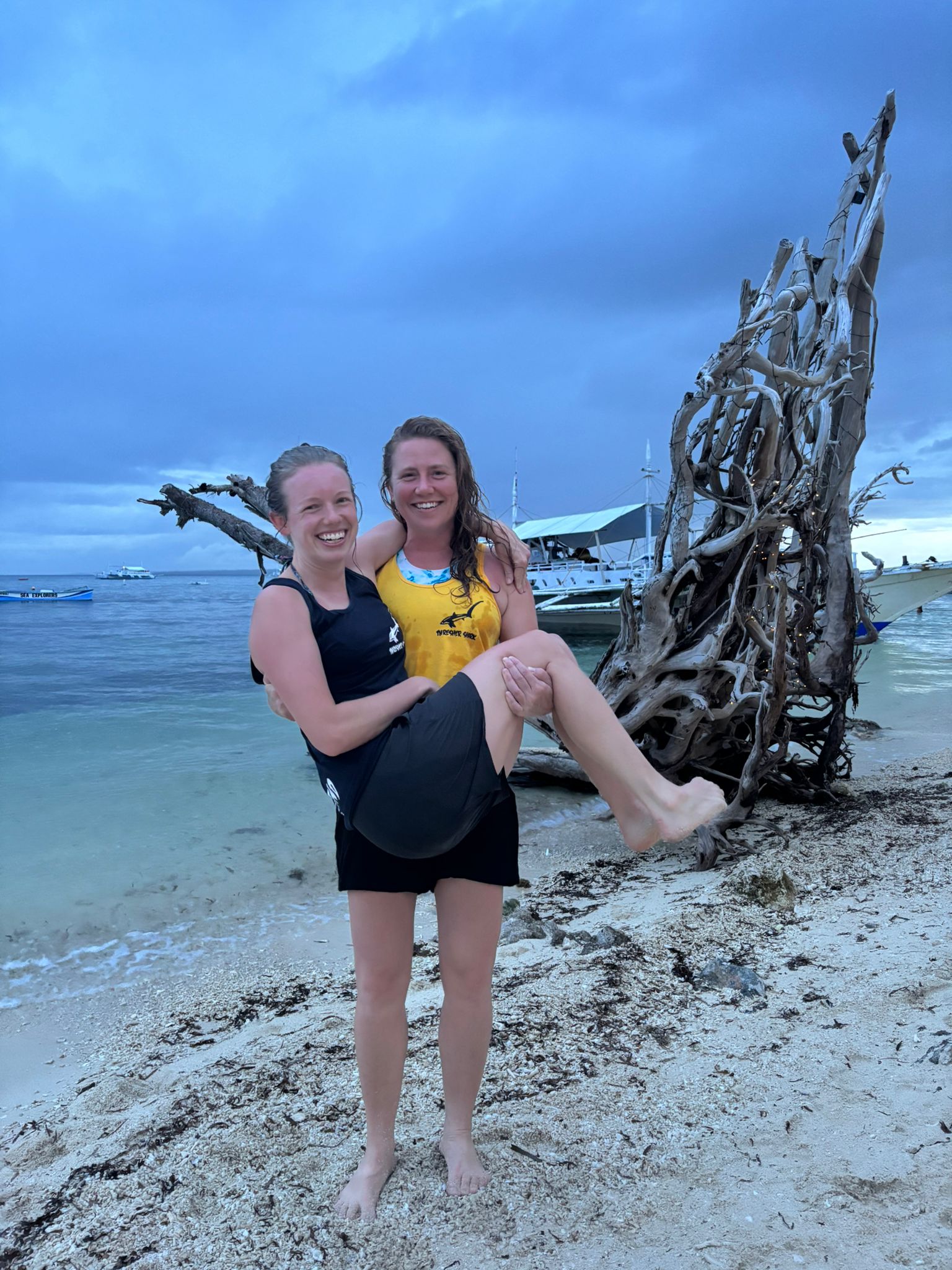
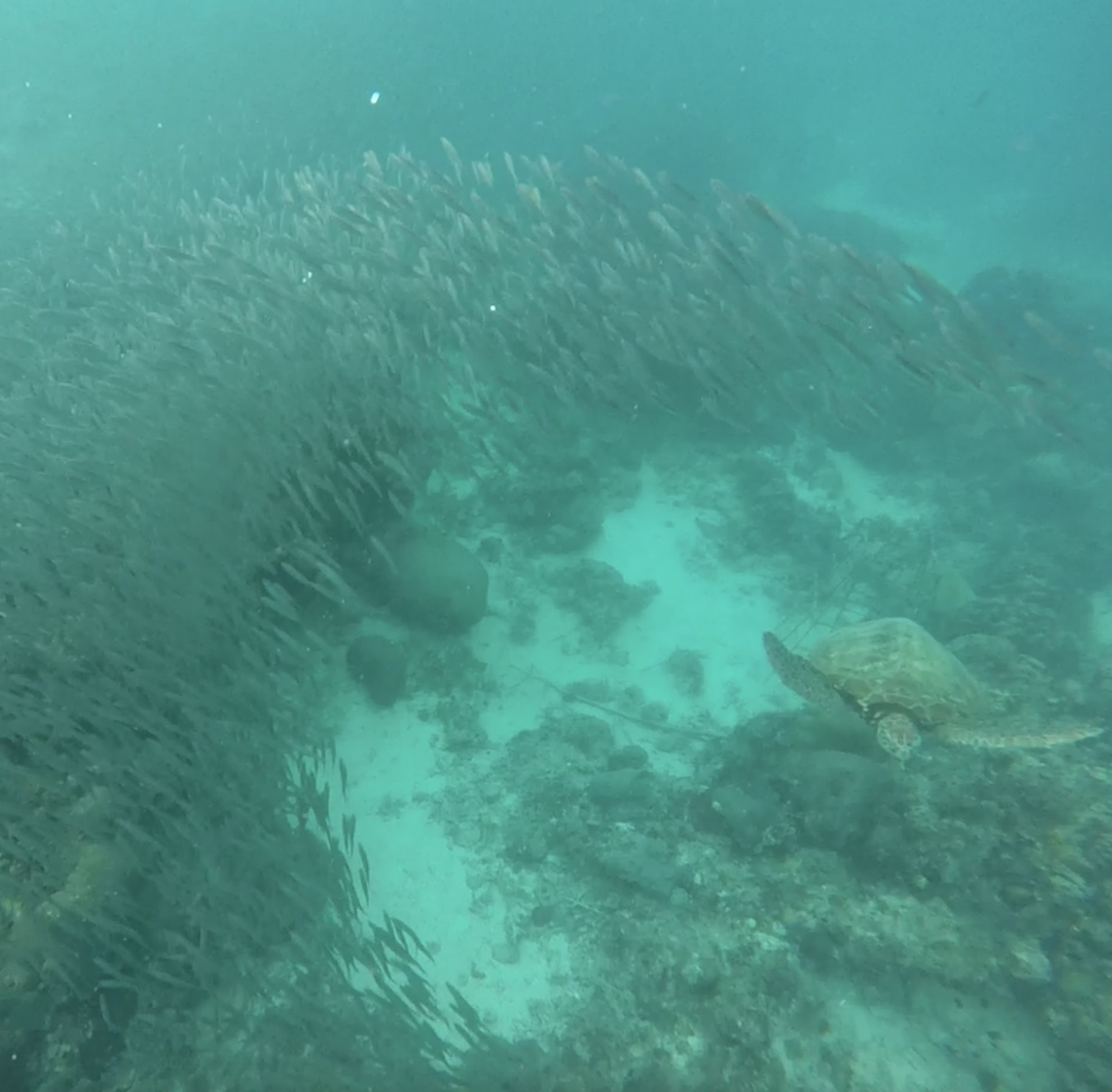
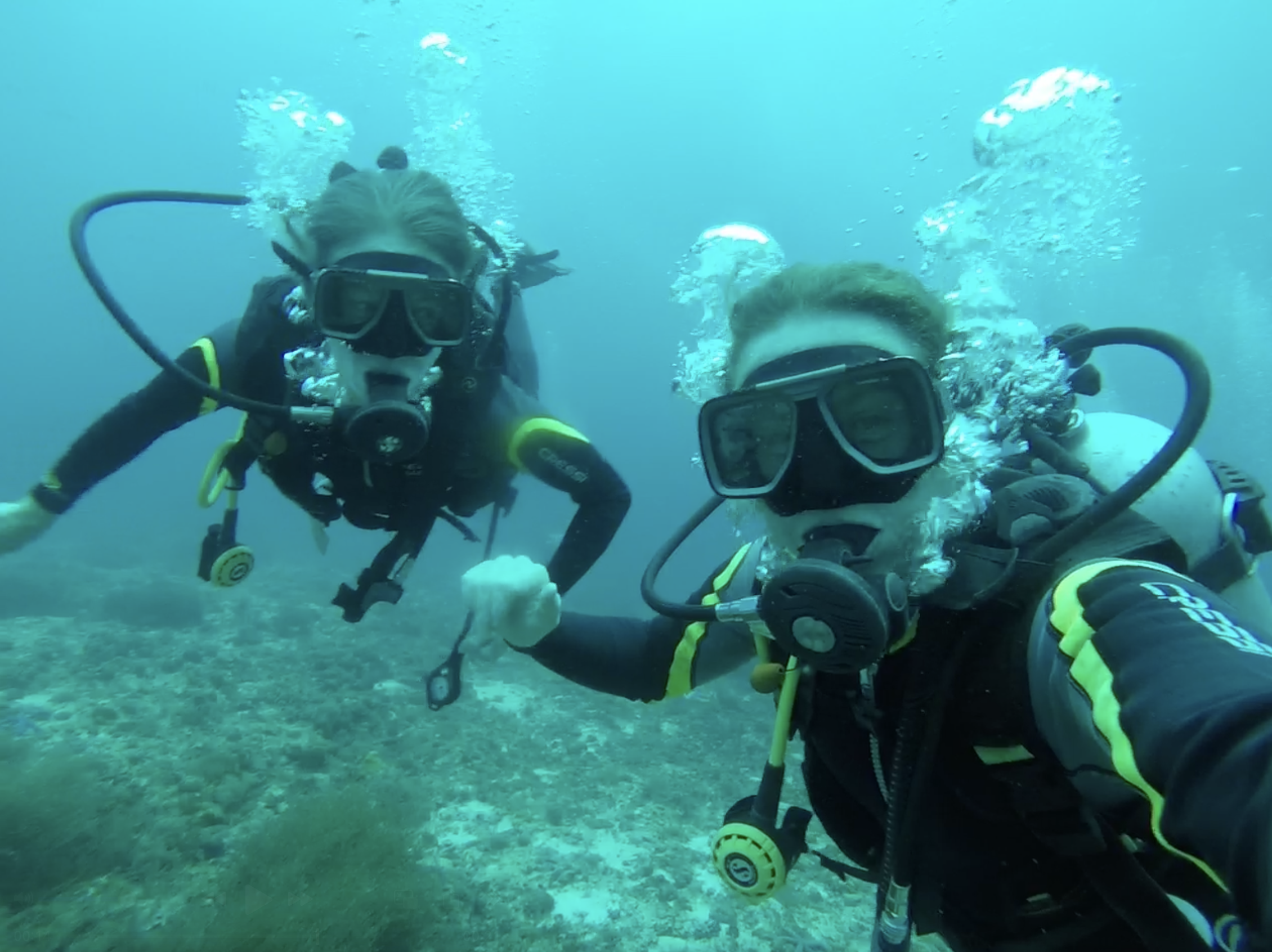
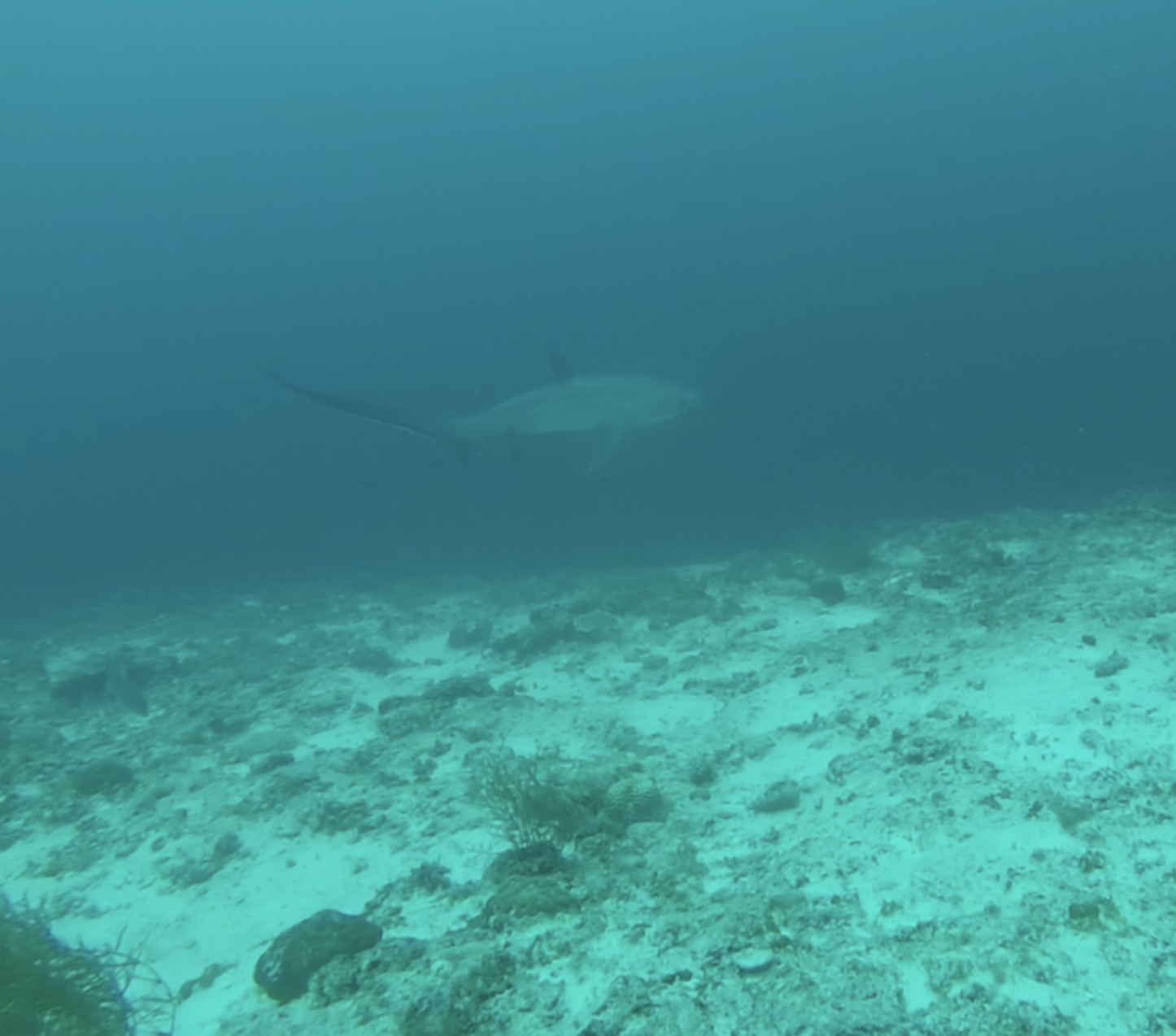
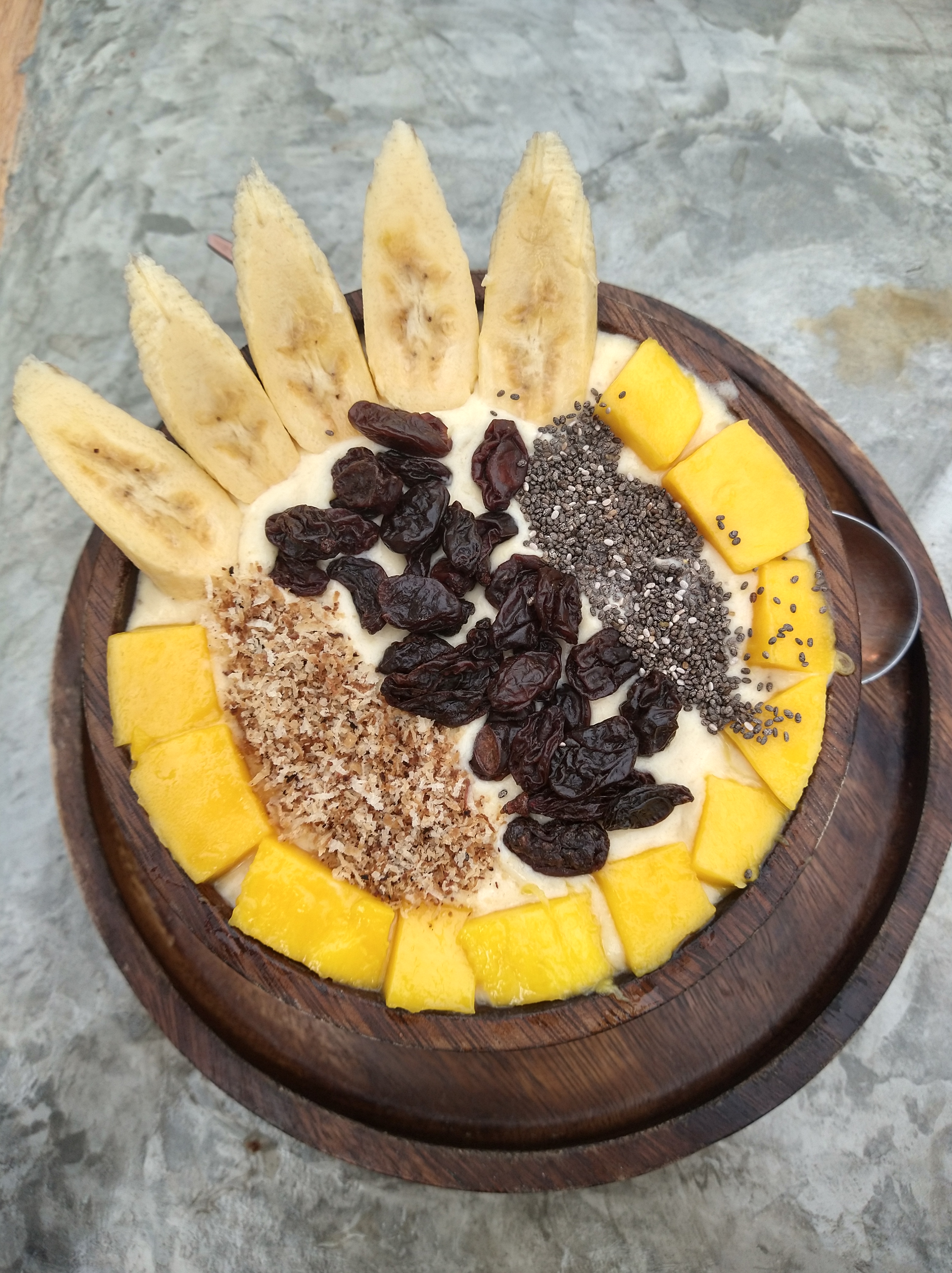
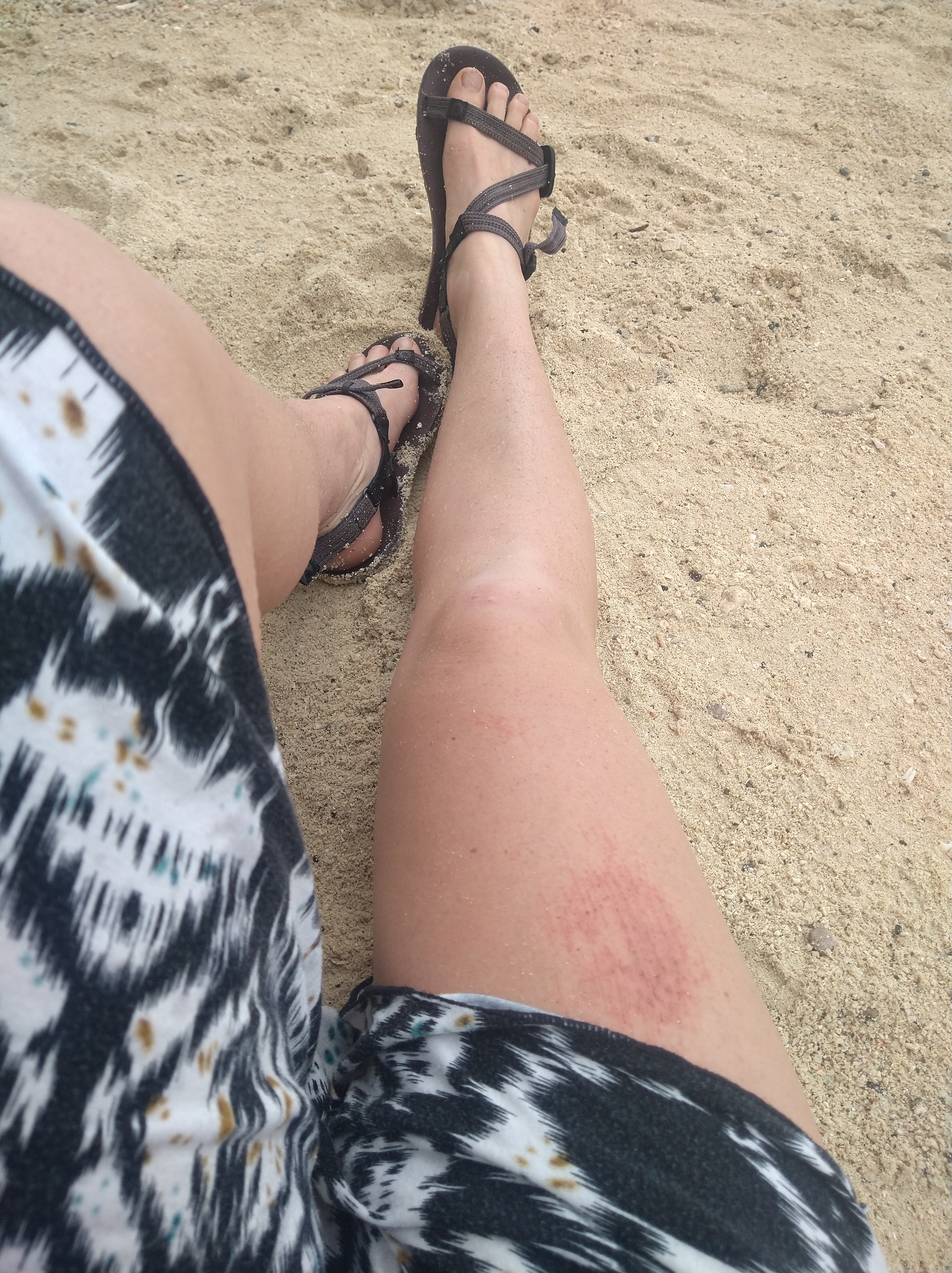
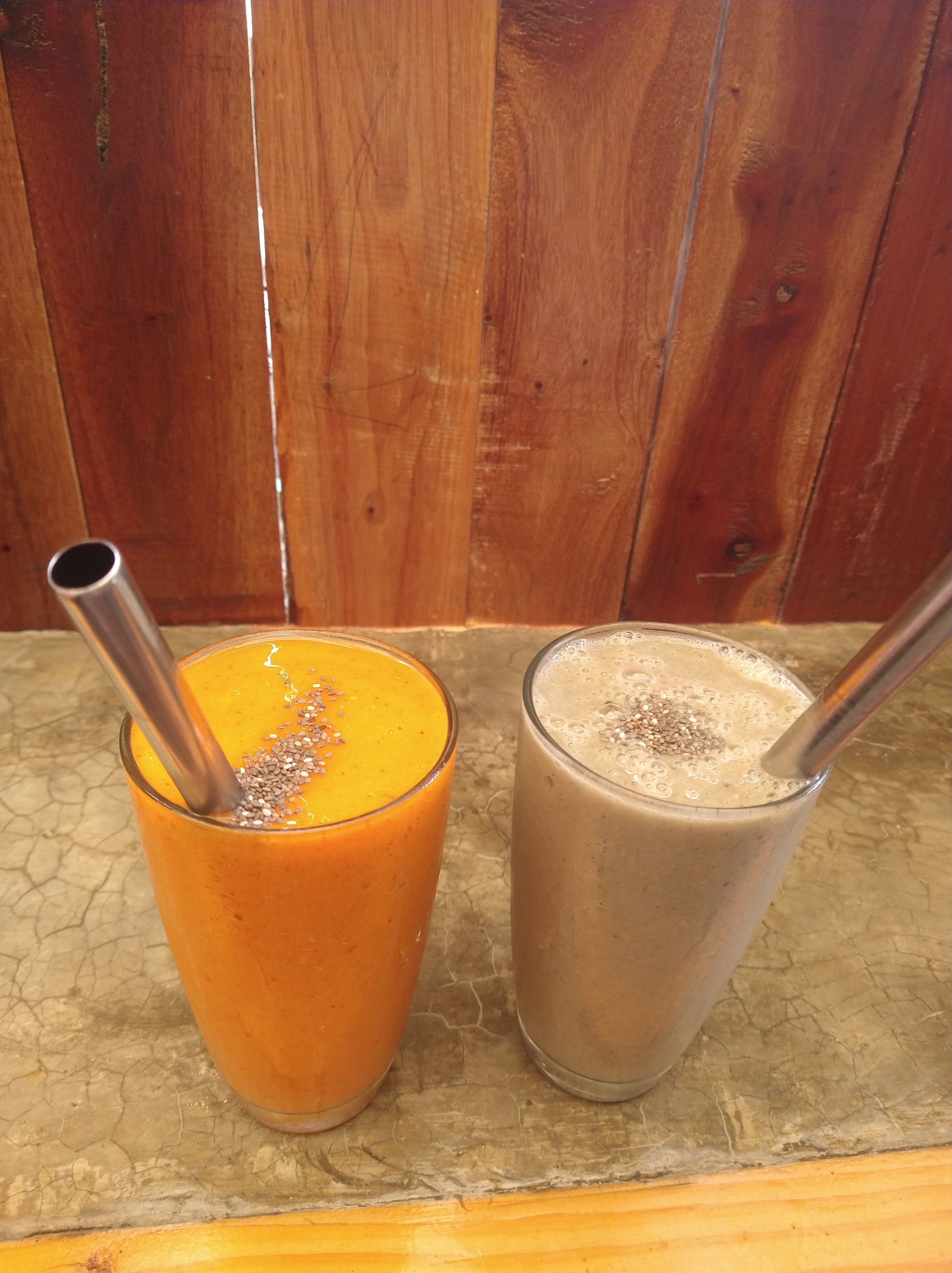
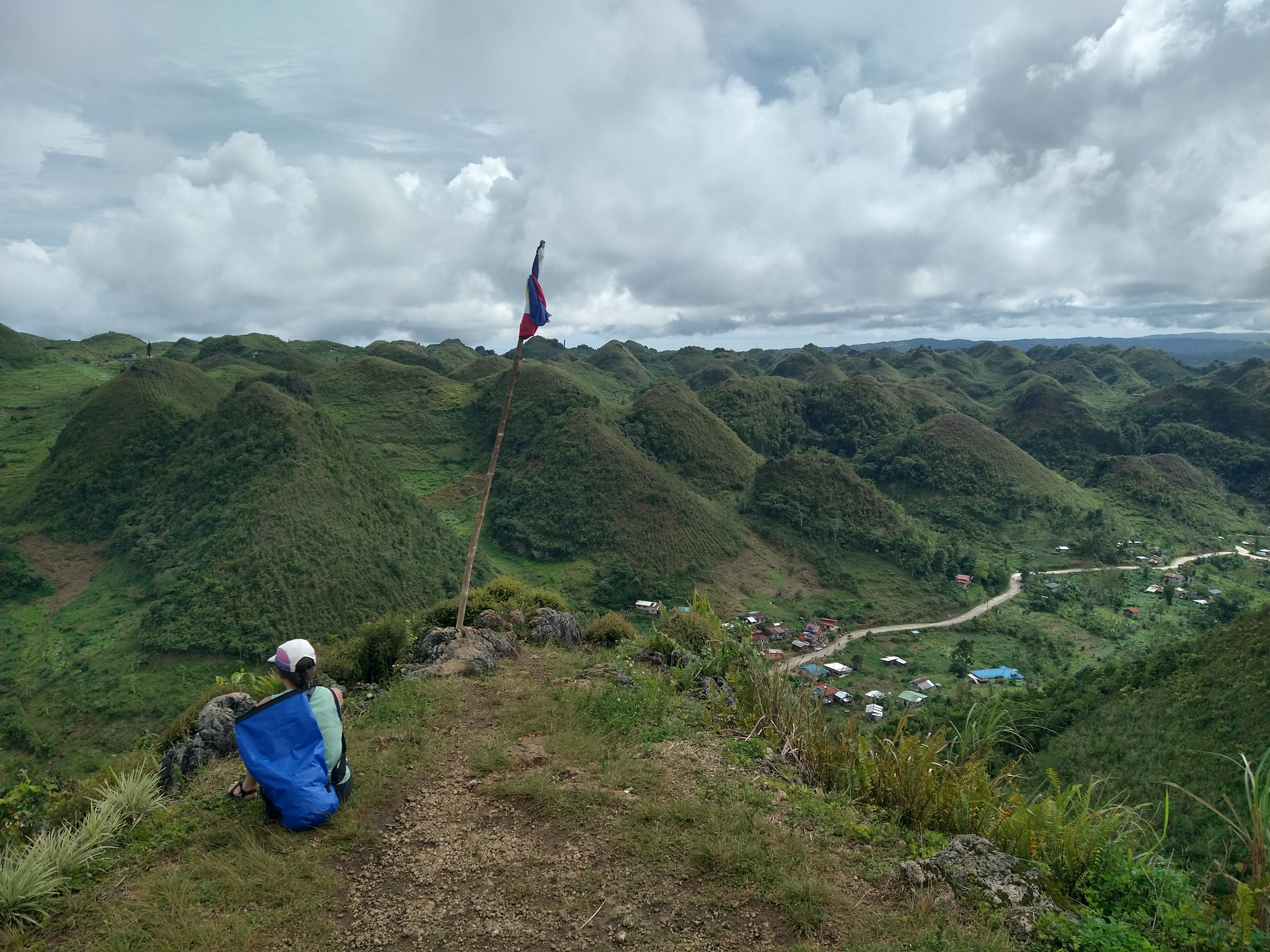
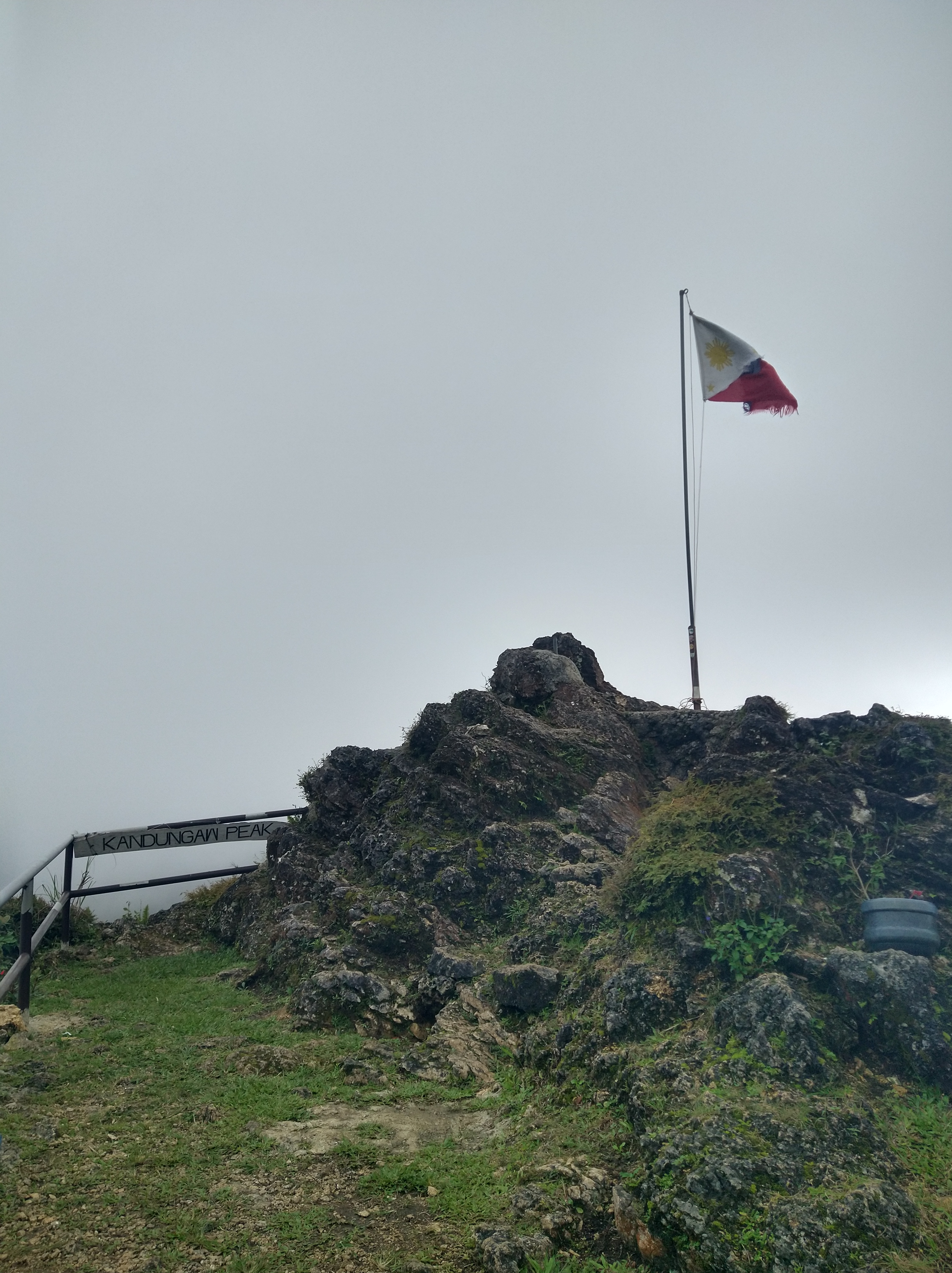
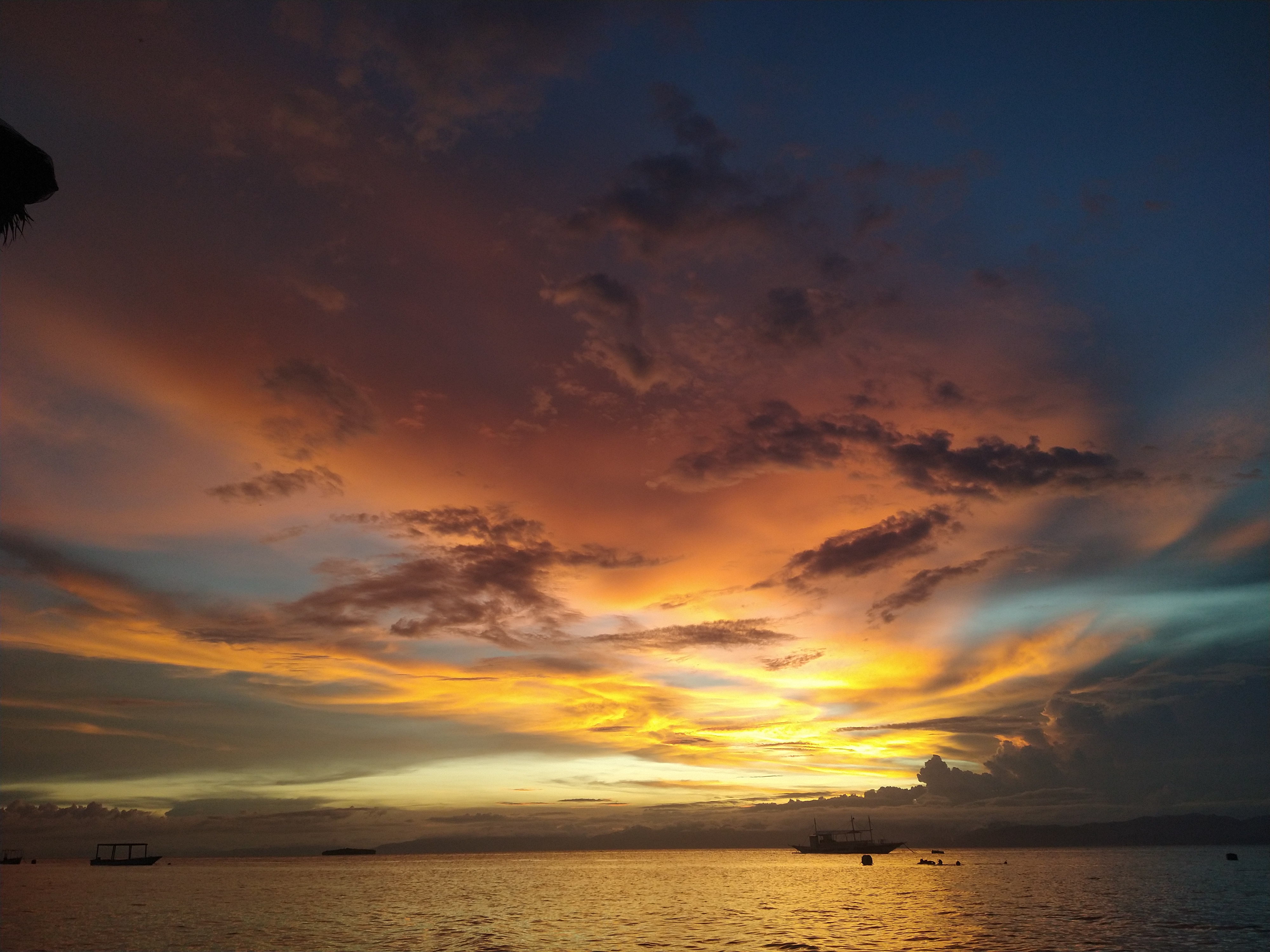
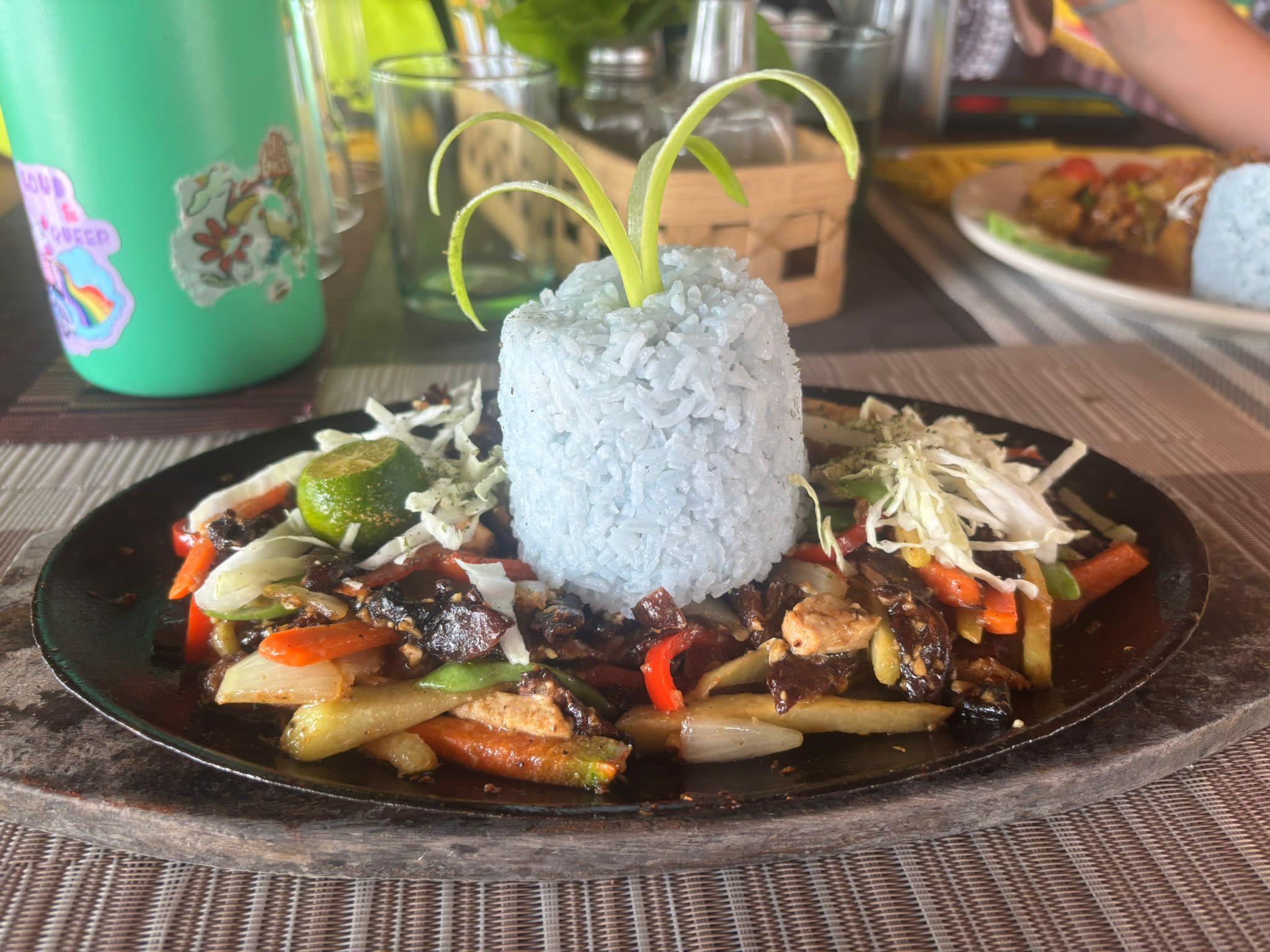
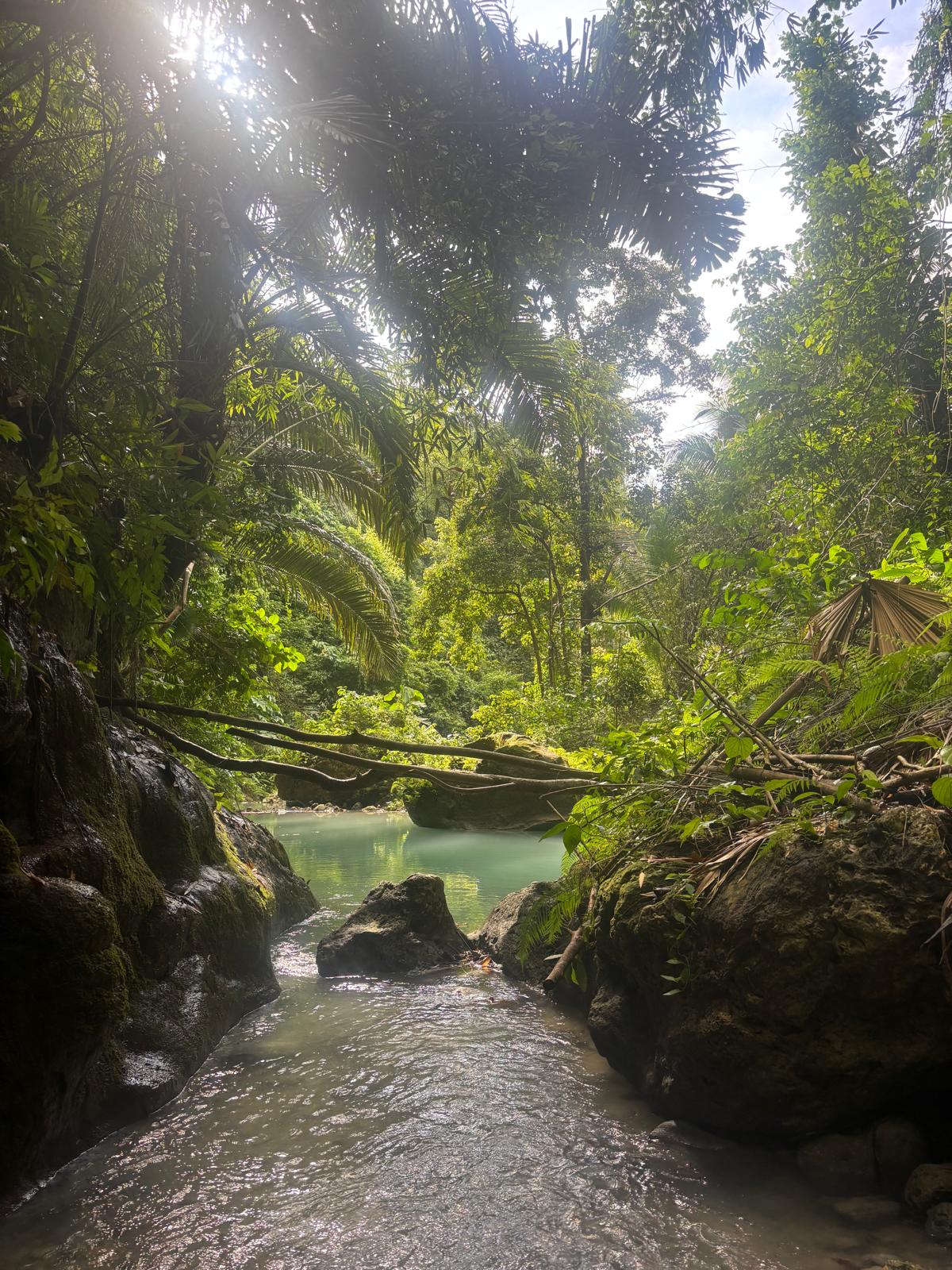
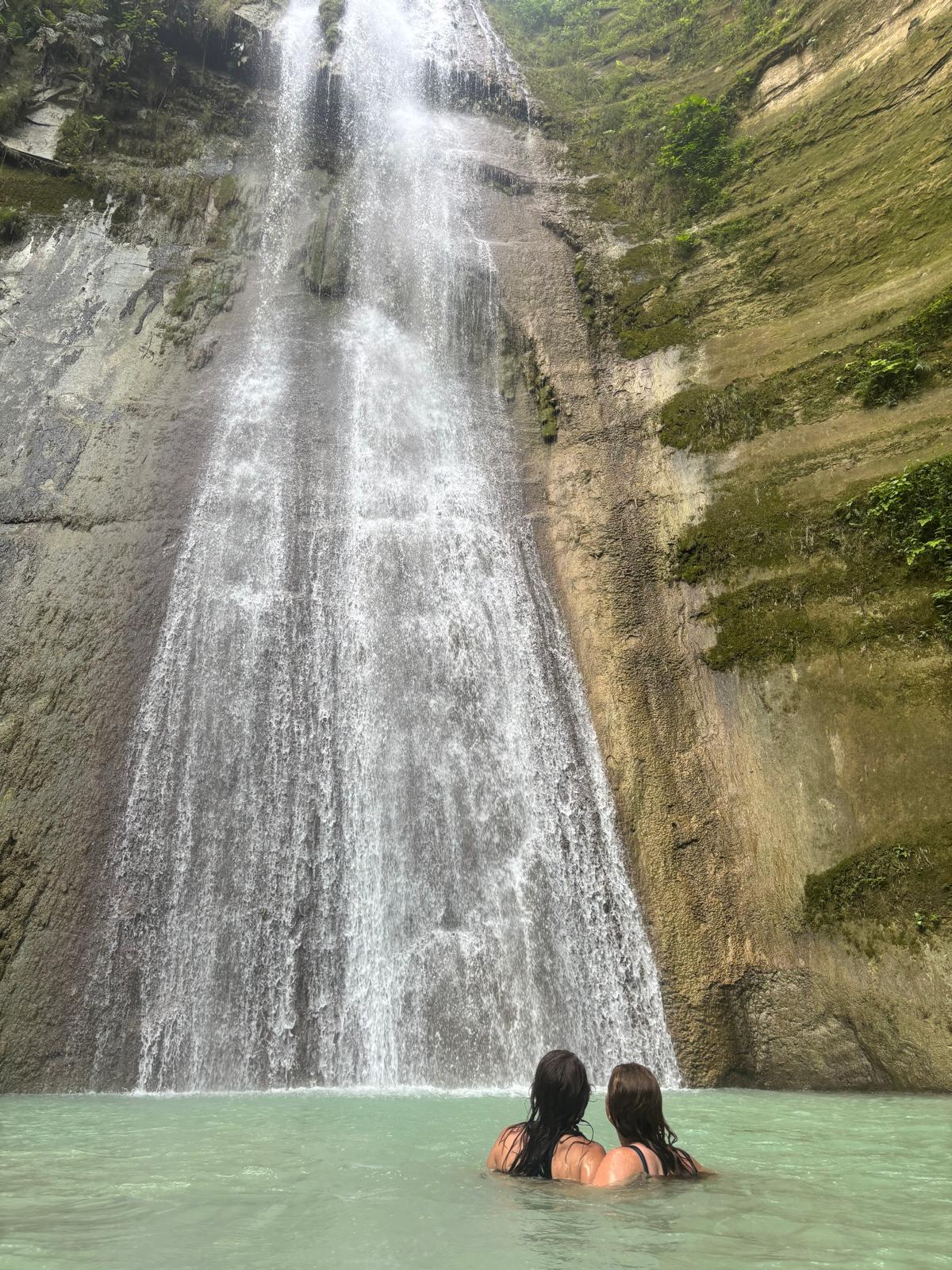
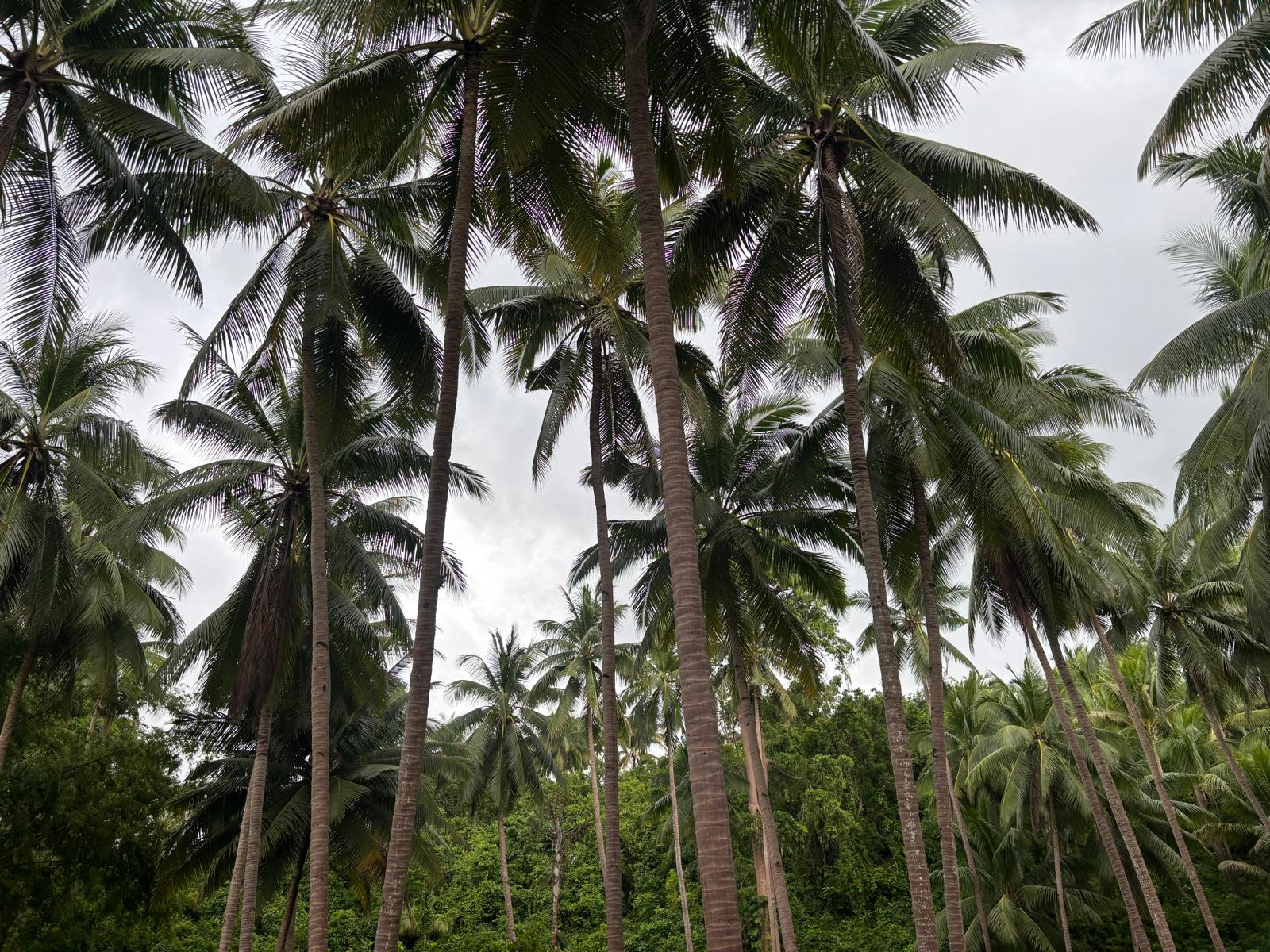
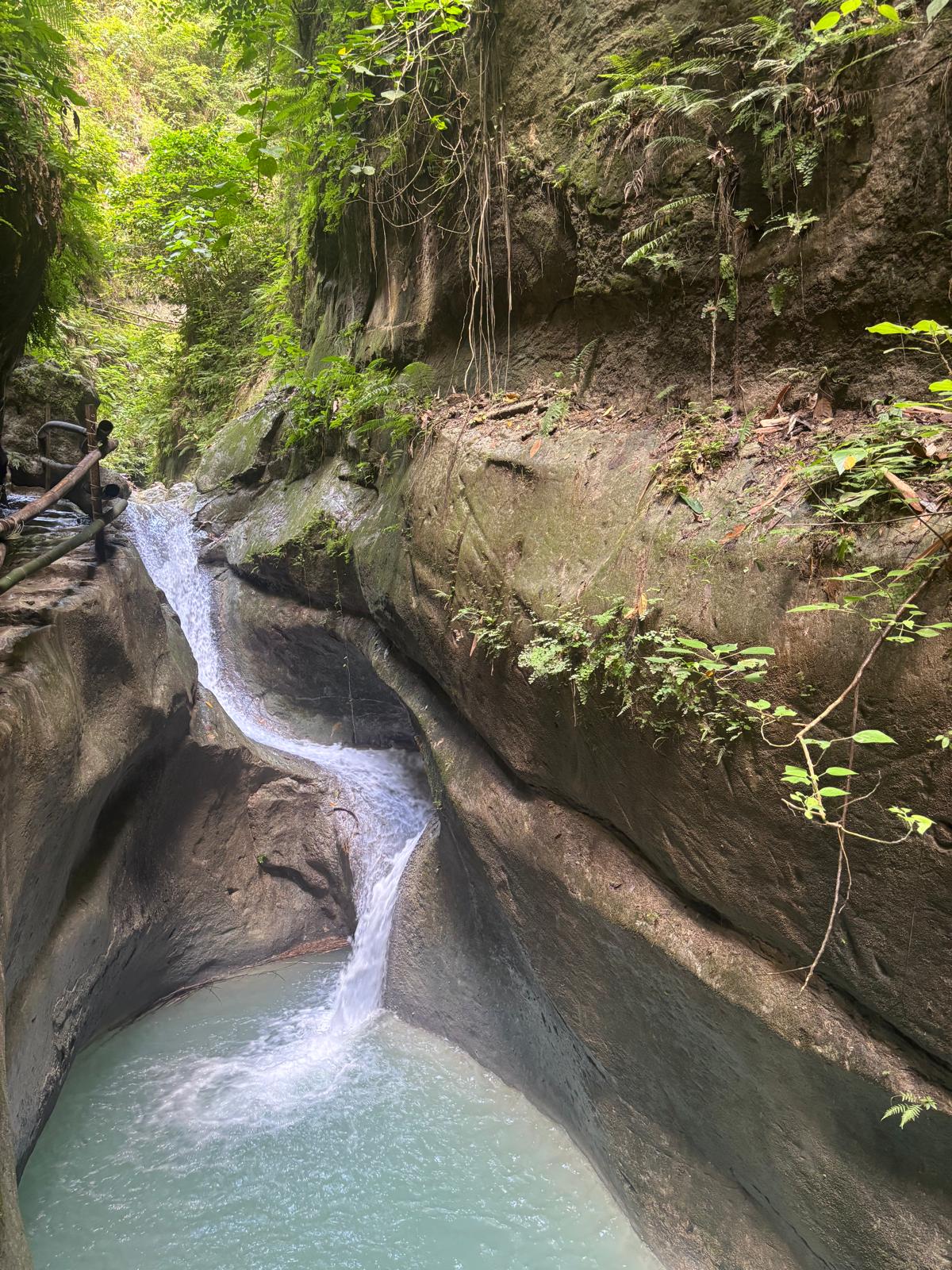
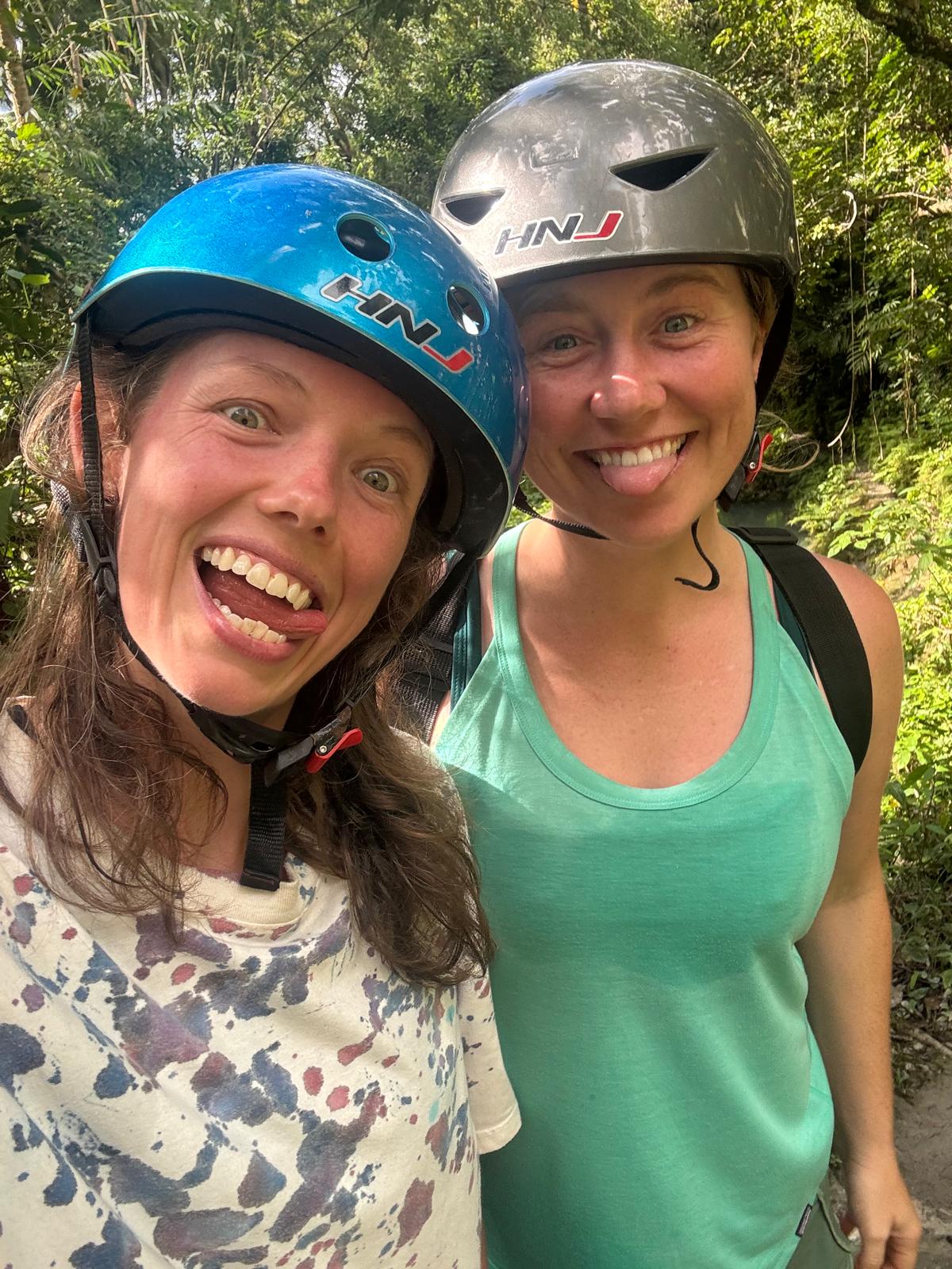
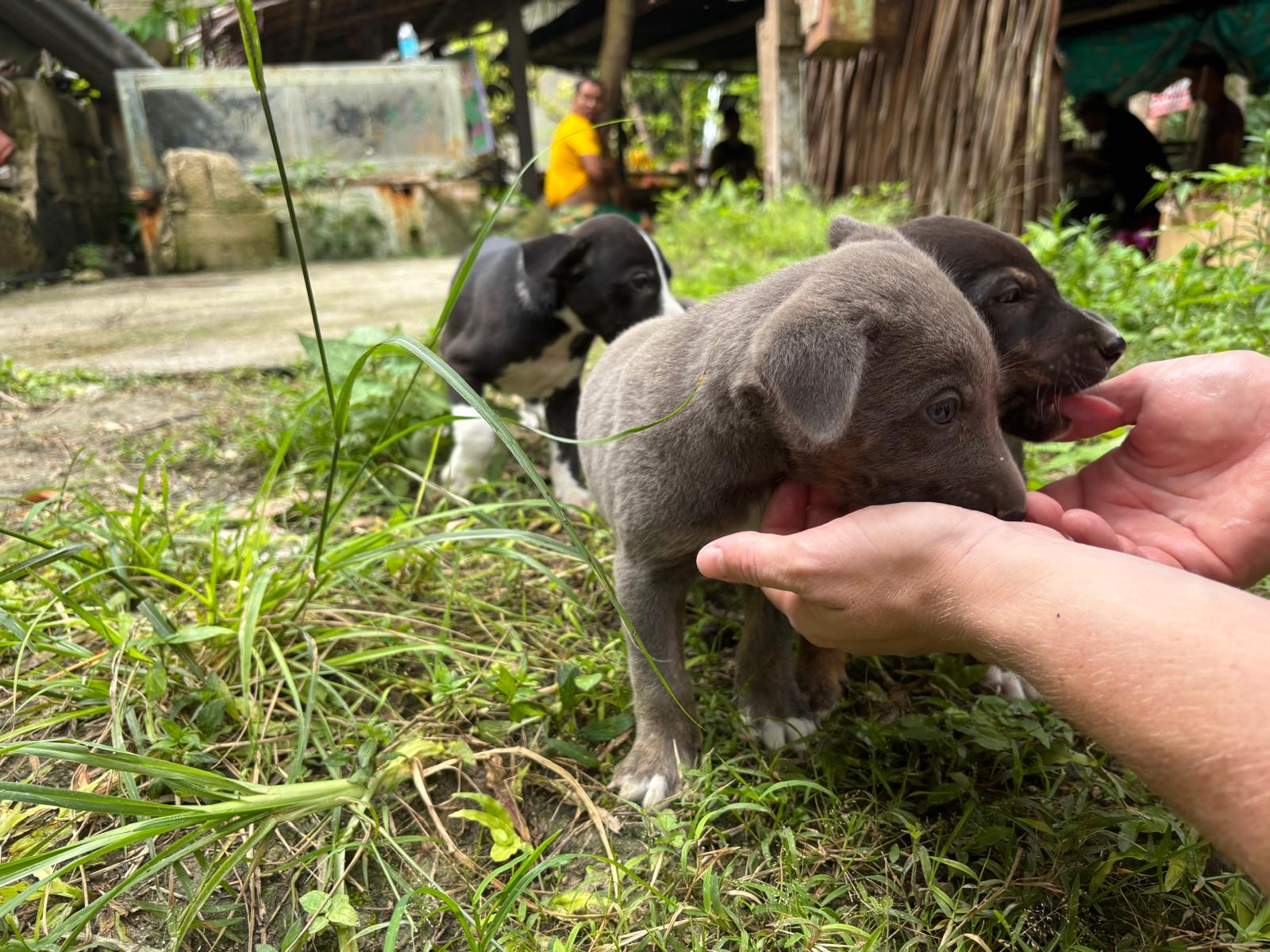
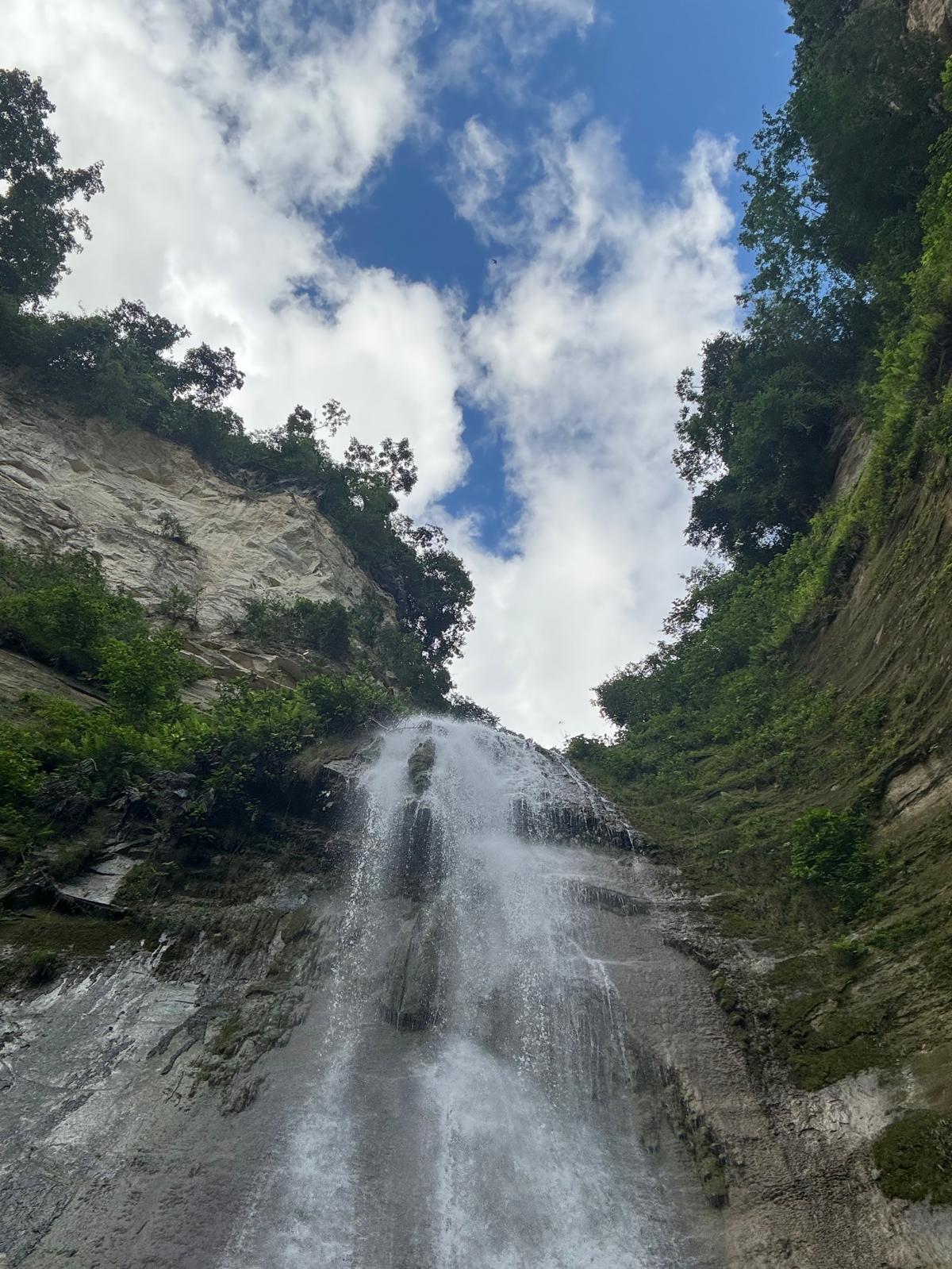
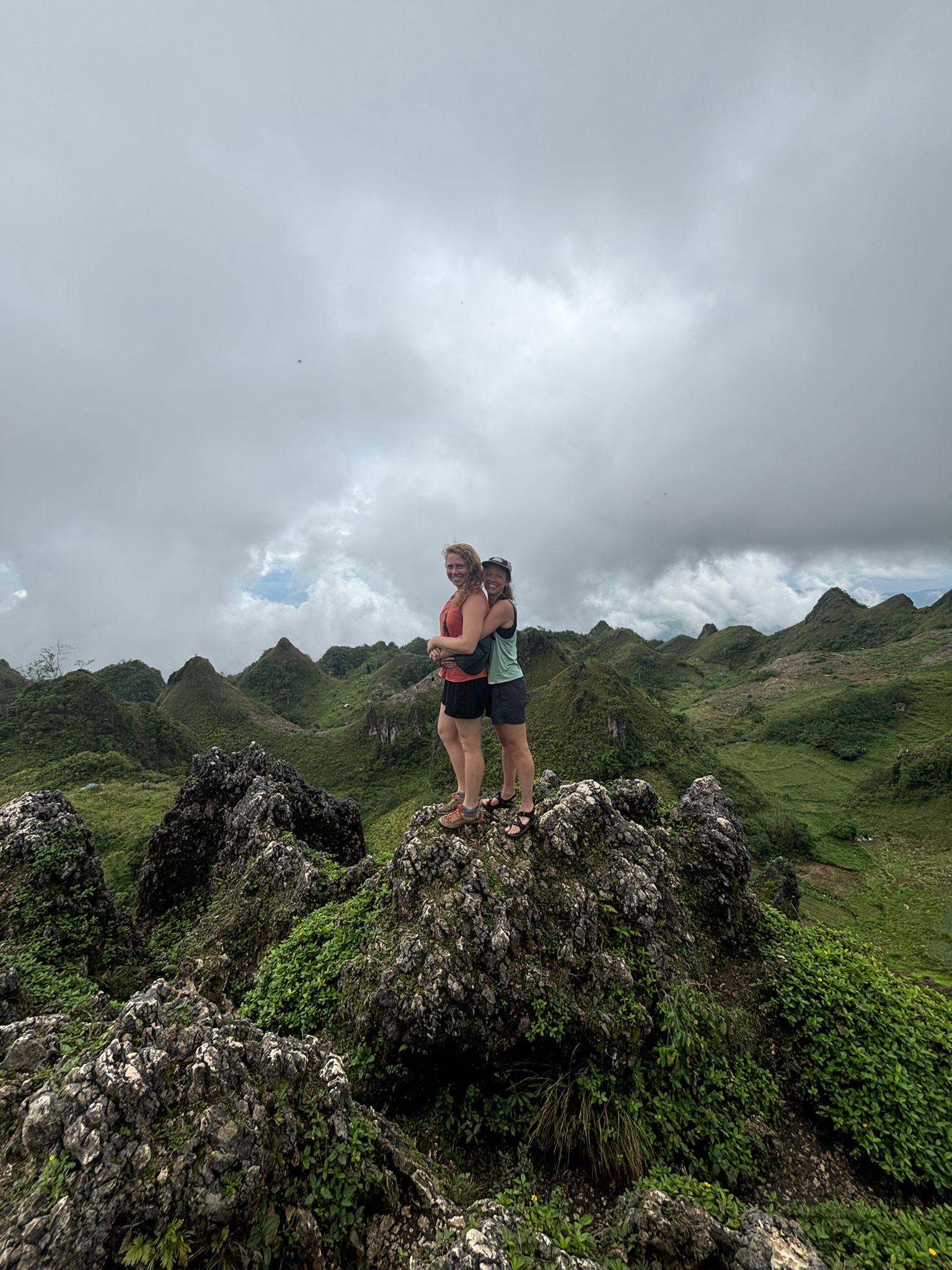
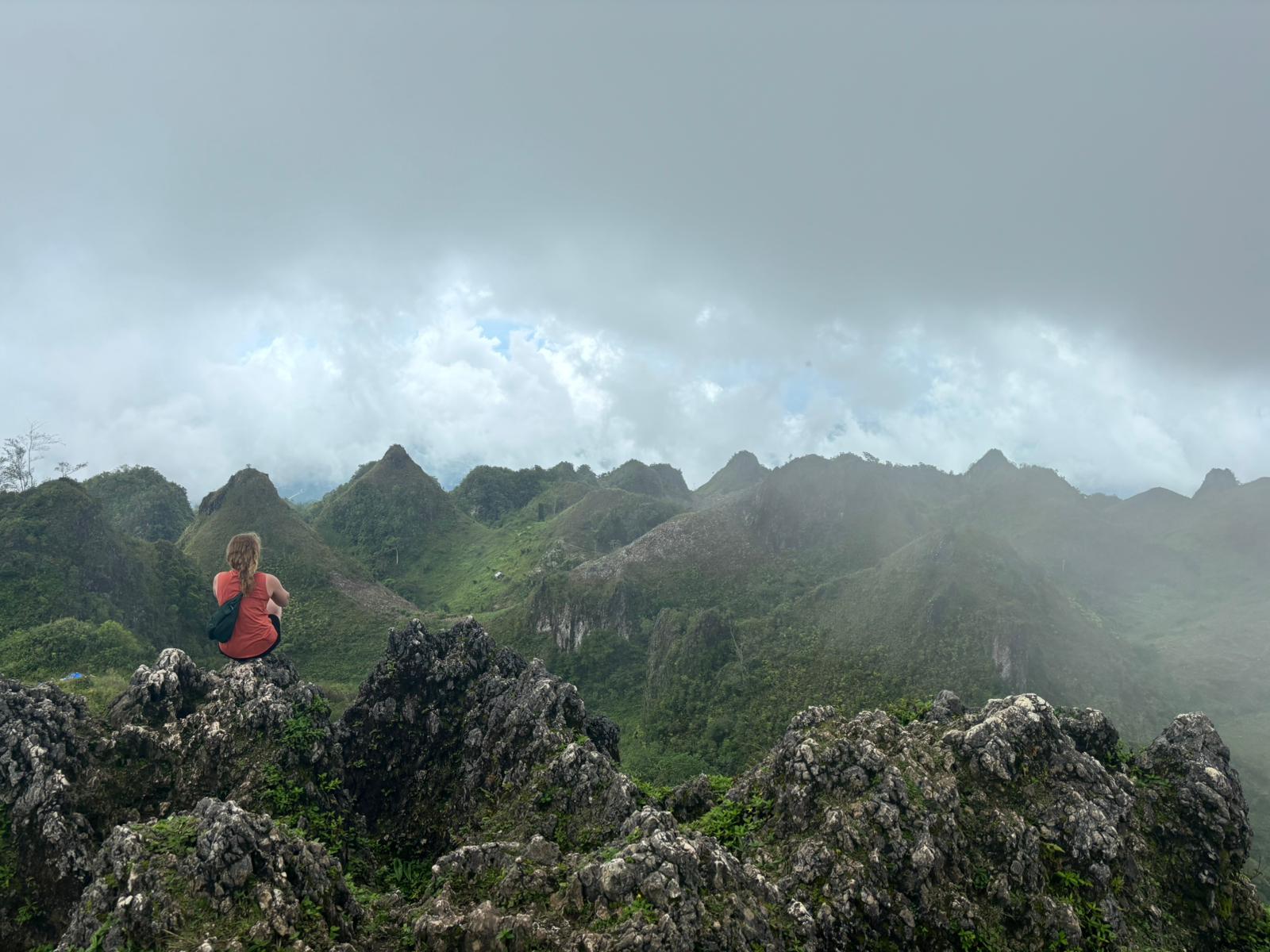
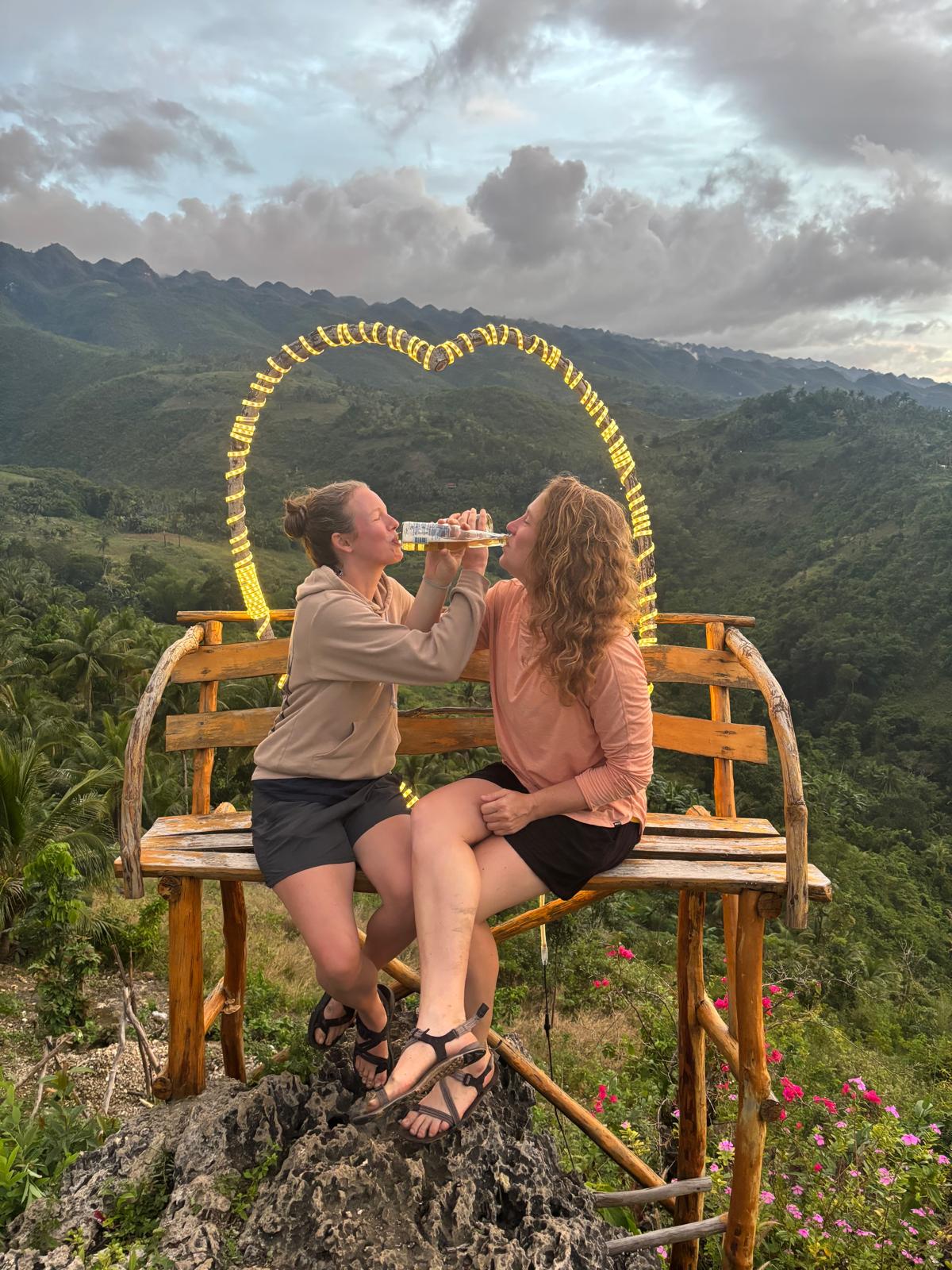
From Malapascua we checked out southern Cebu chasing down waterfalls by moped, eating all of the yummy smoothies and local food, snorkelling in the midst of the sardine run with some turtle visitors, and hiking up some beautiful little mountains along the coast. So many adventures and laughs were had, too many to write, but I’ll let the photos speak for themselves. We have about 10 years of friendship together, cheers to many more decades to come 🙂
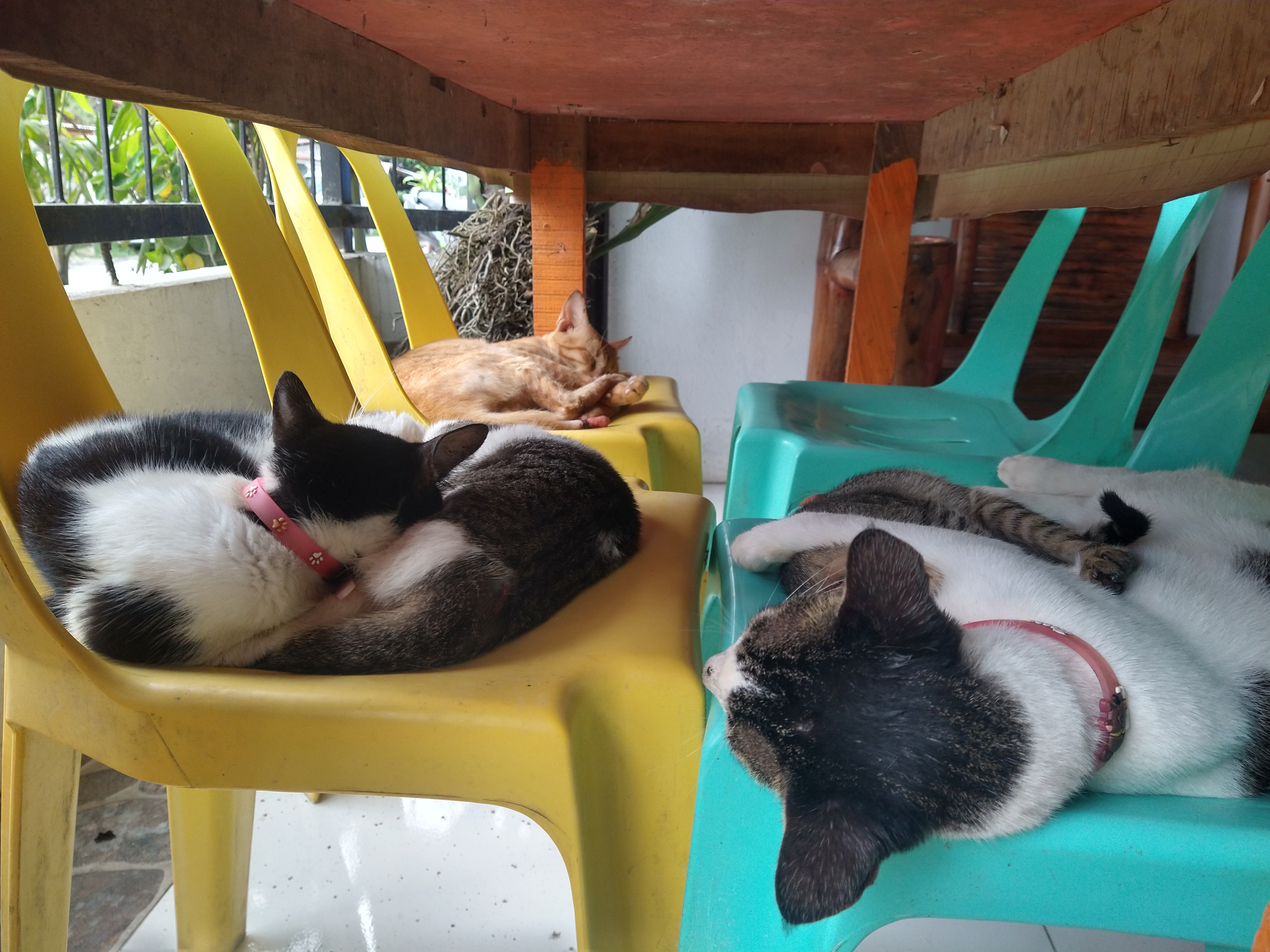
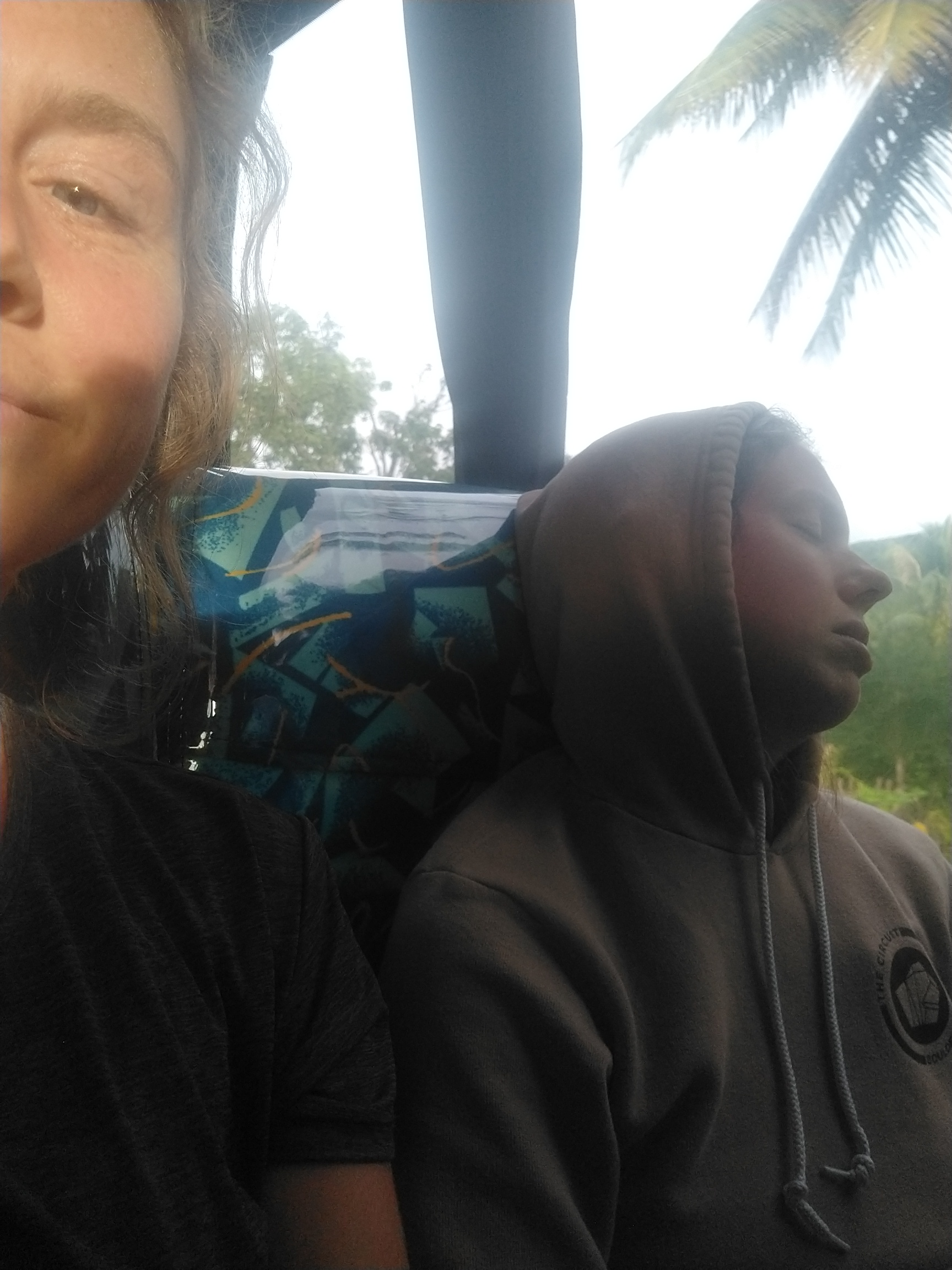
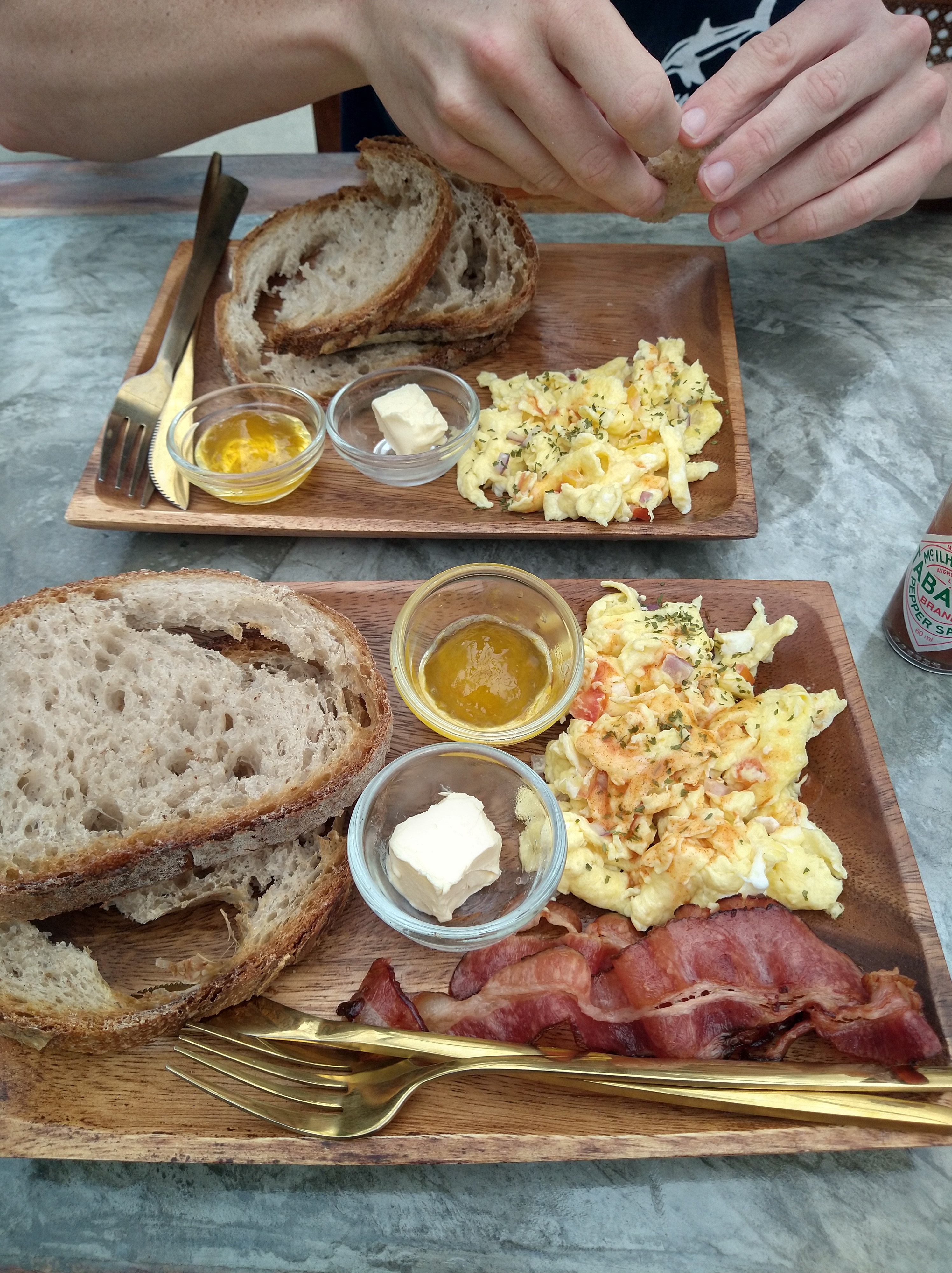
A Euro Sister Trip: February 2025
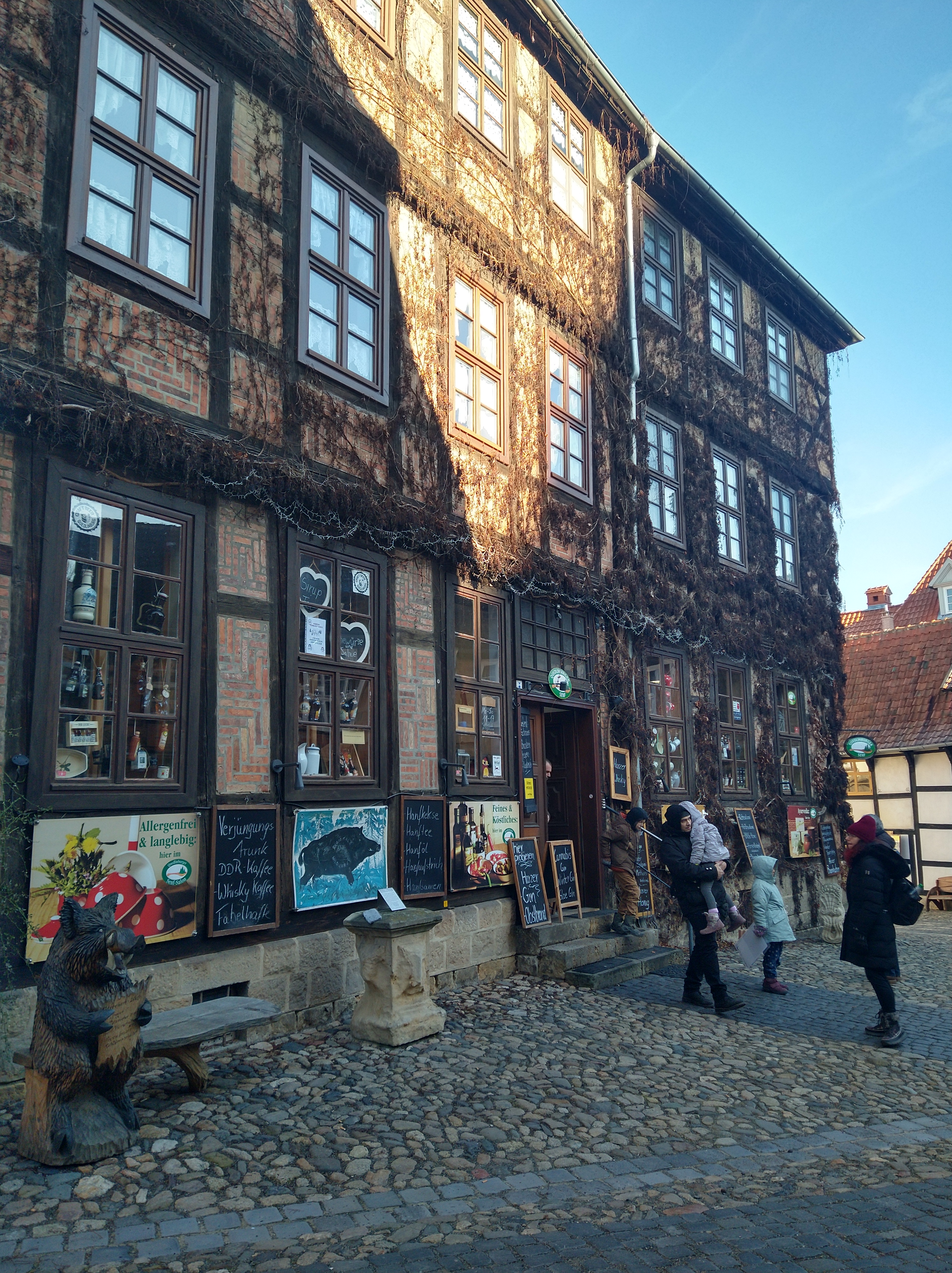
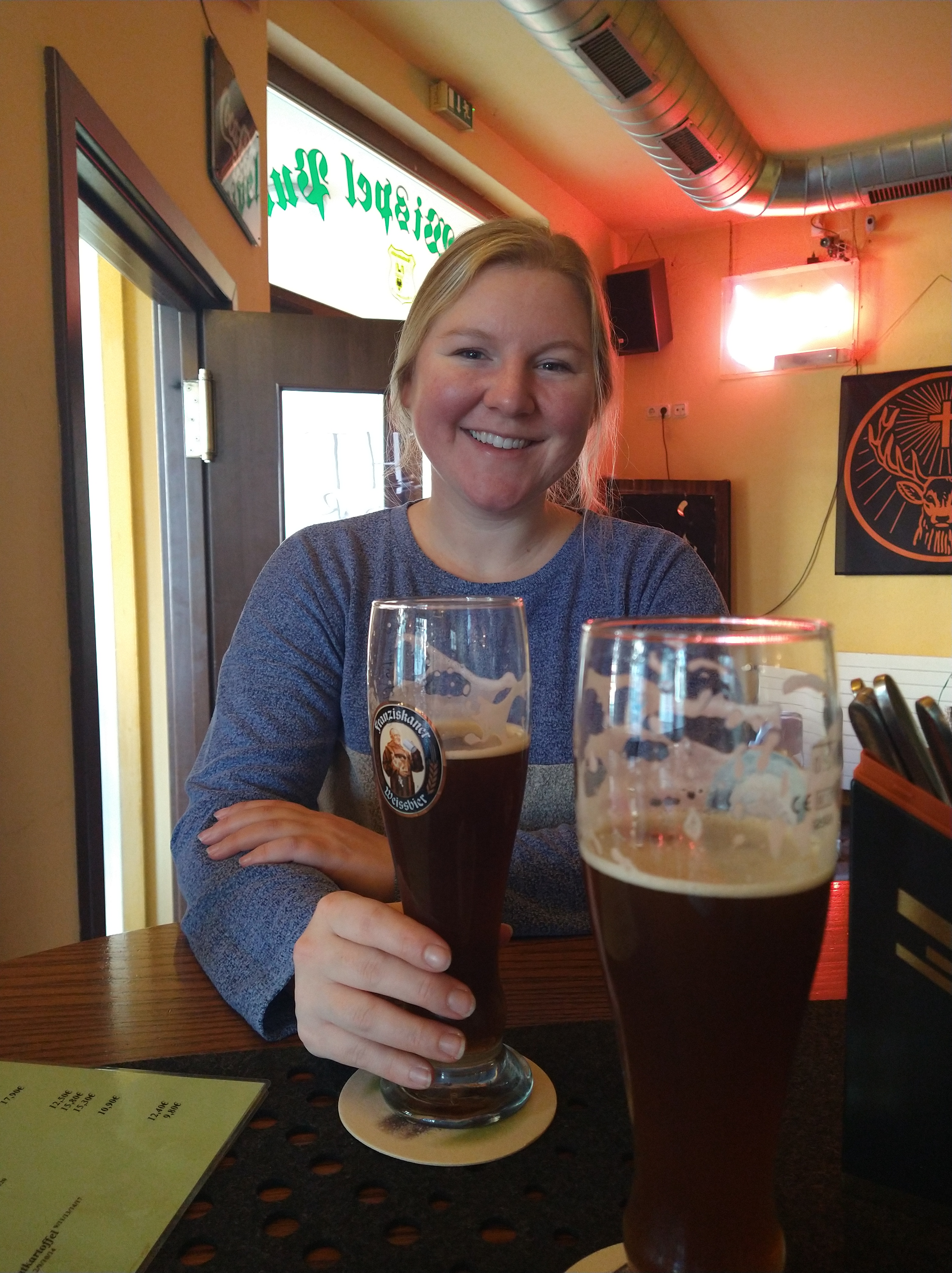
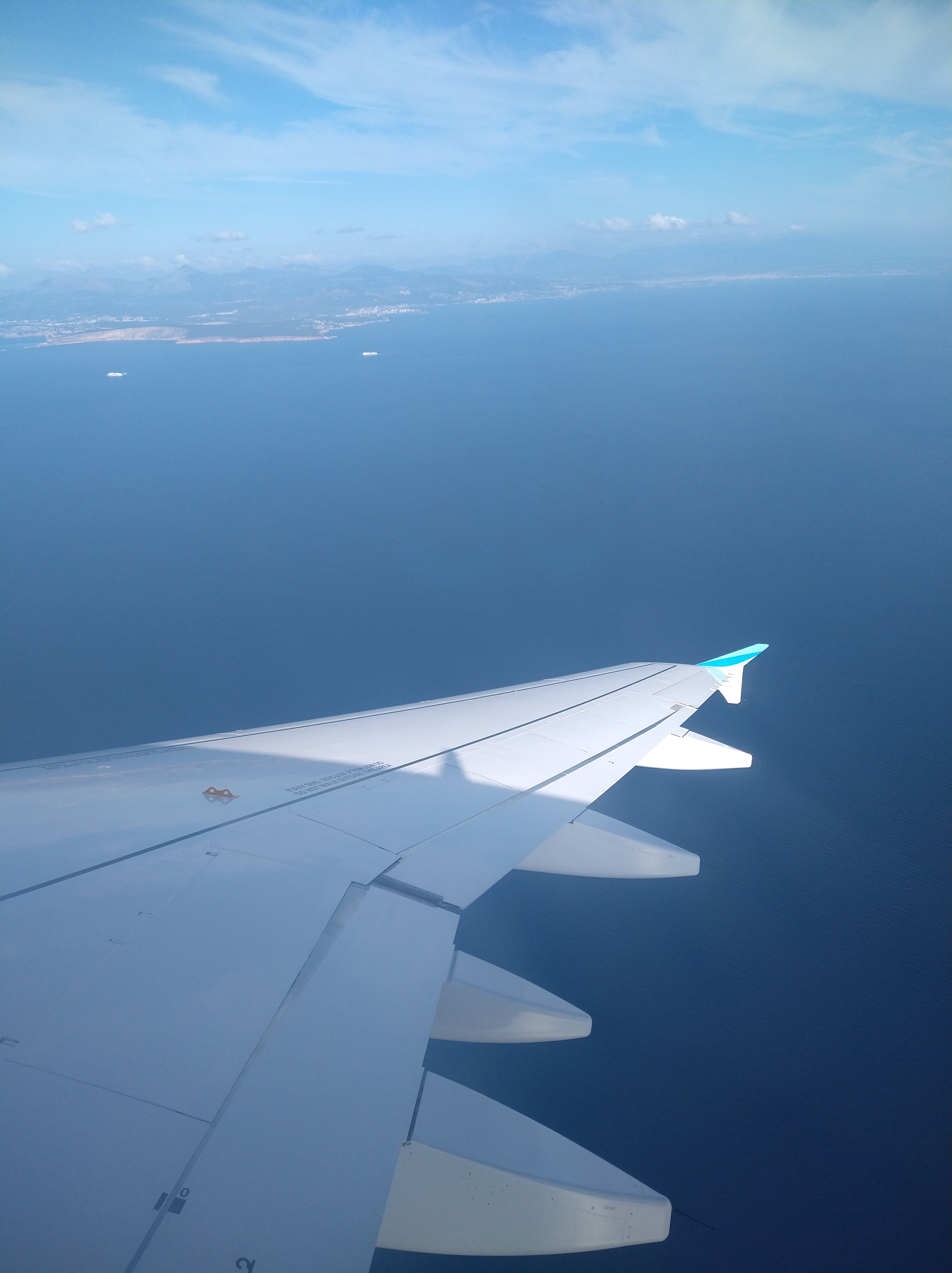
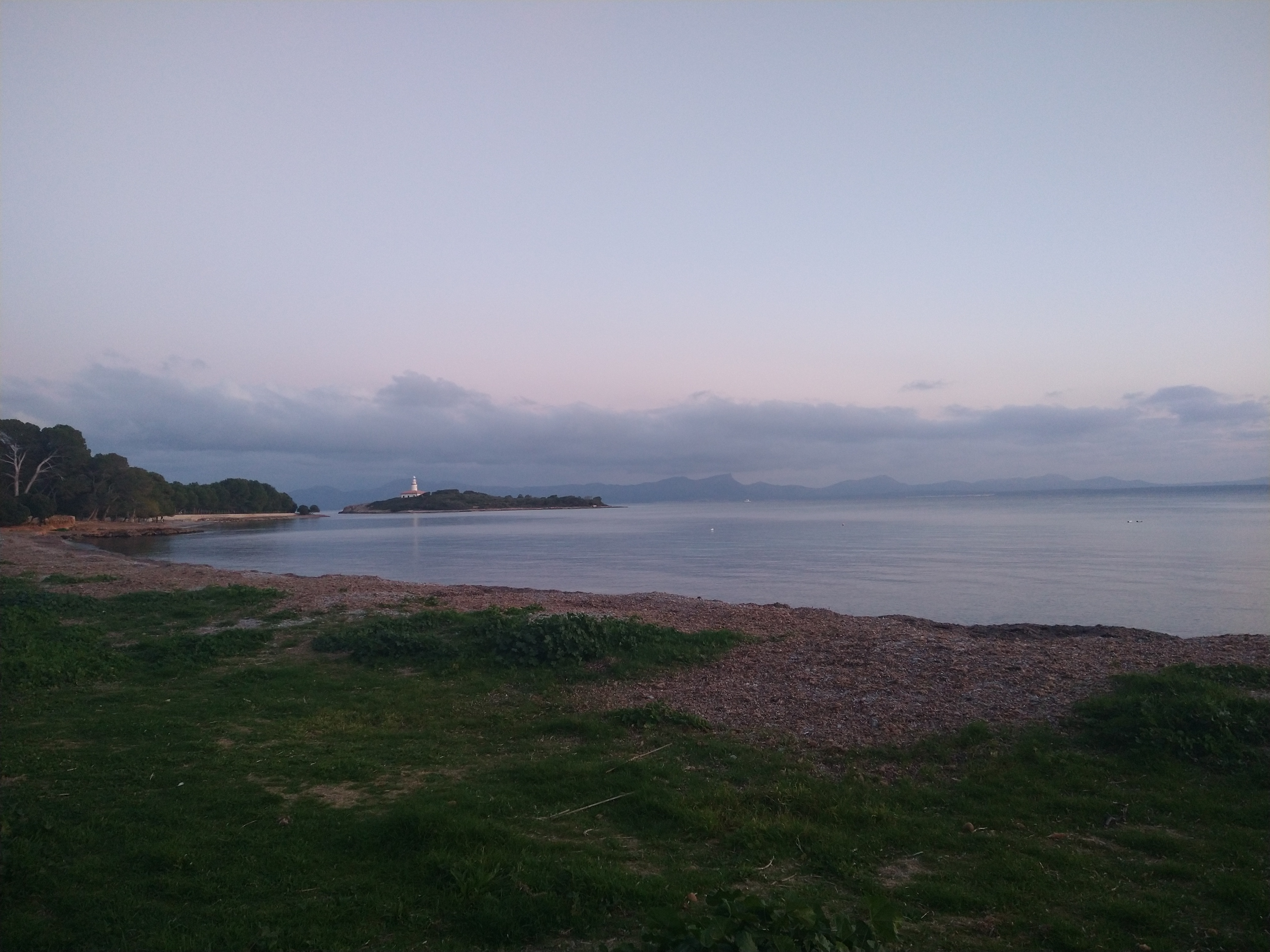
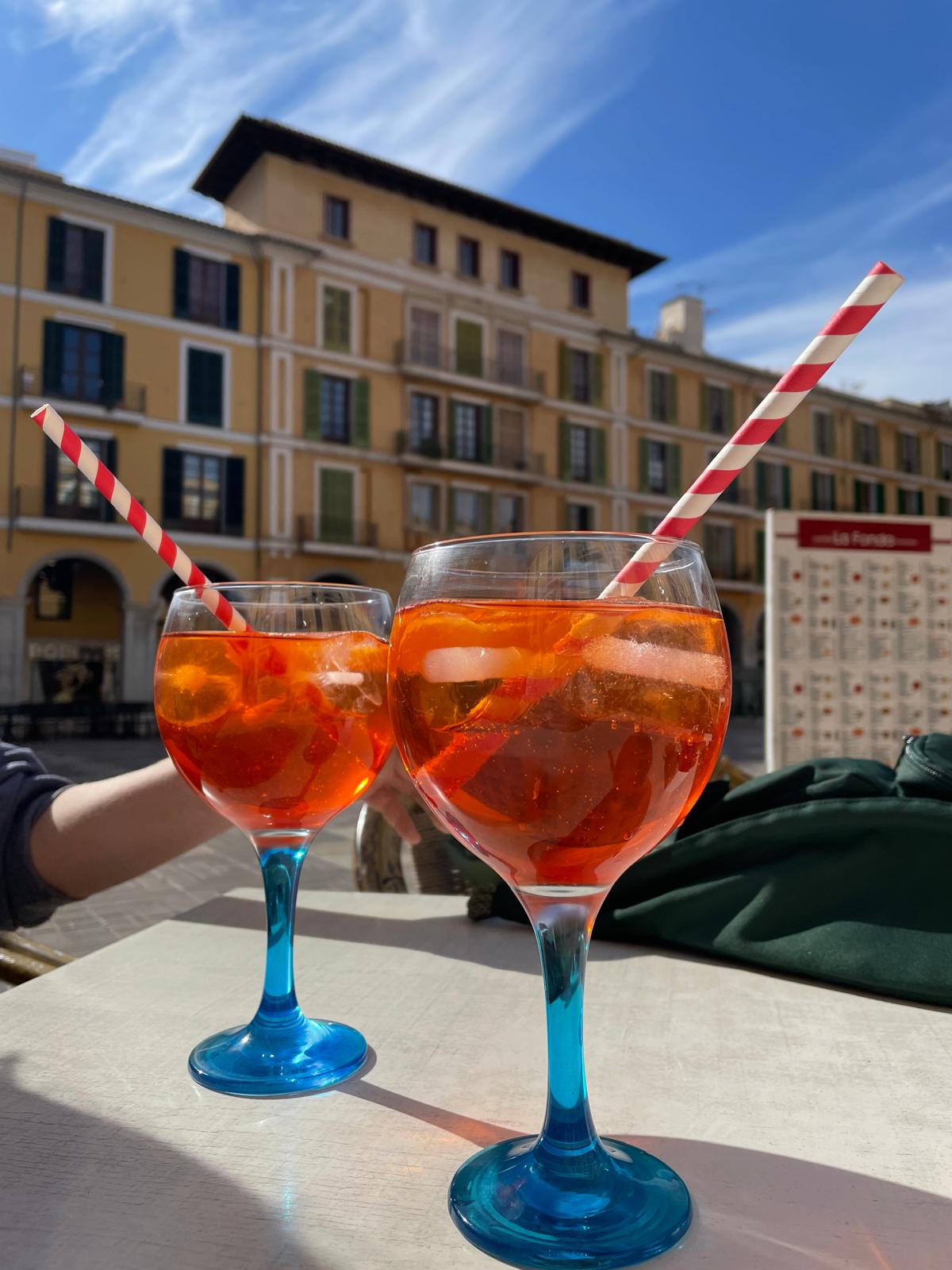
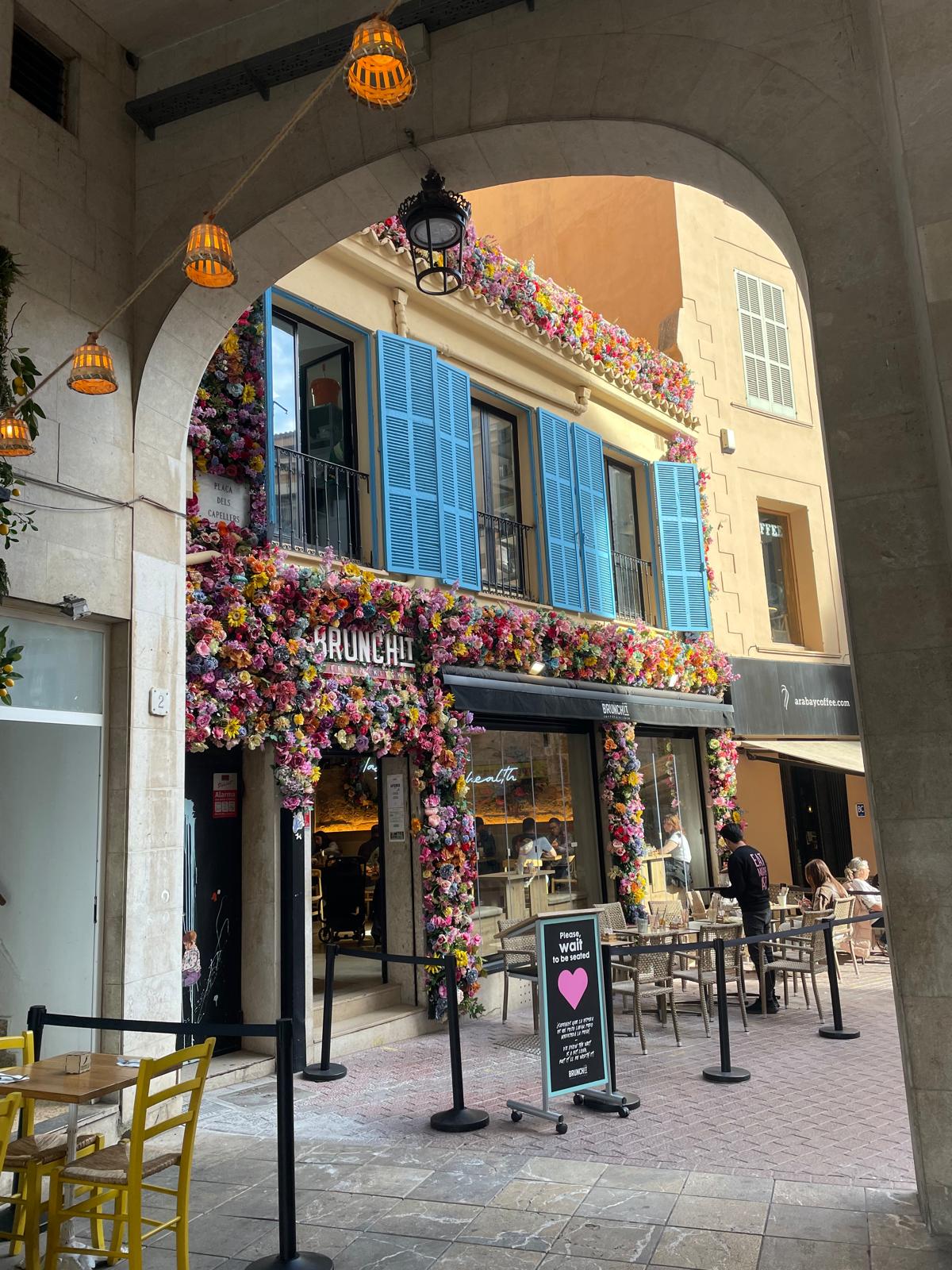
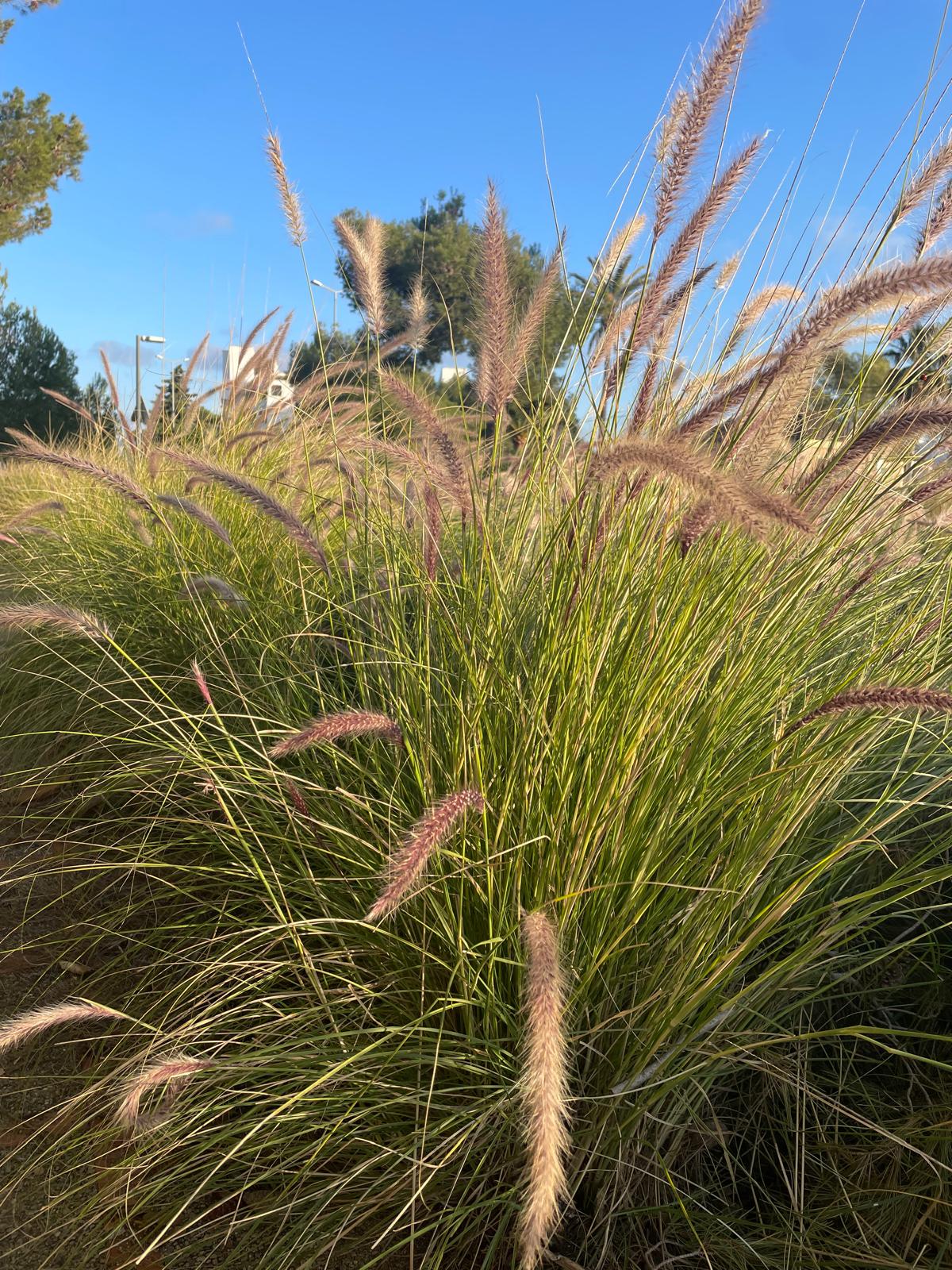
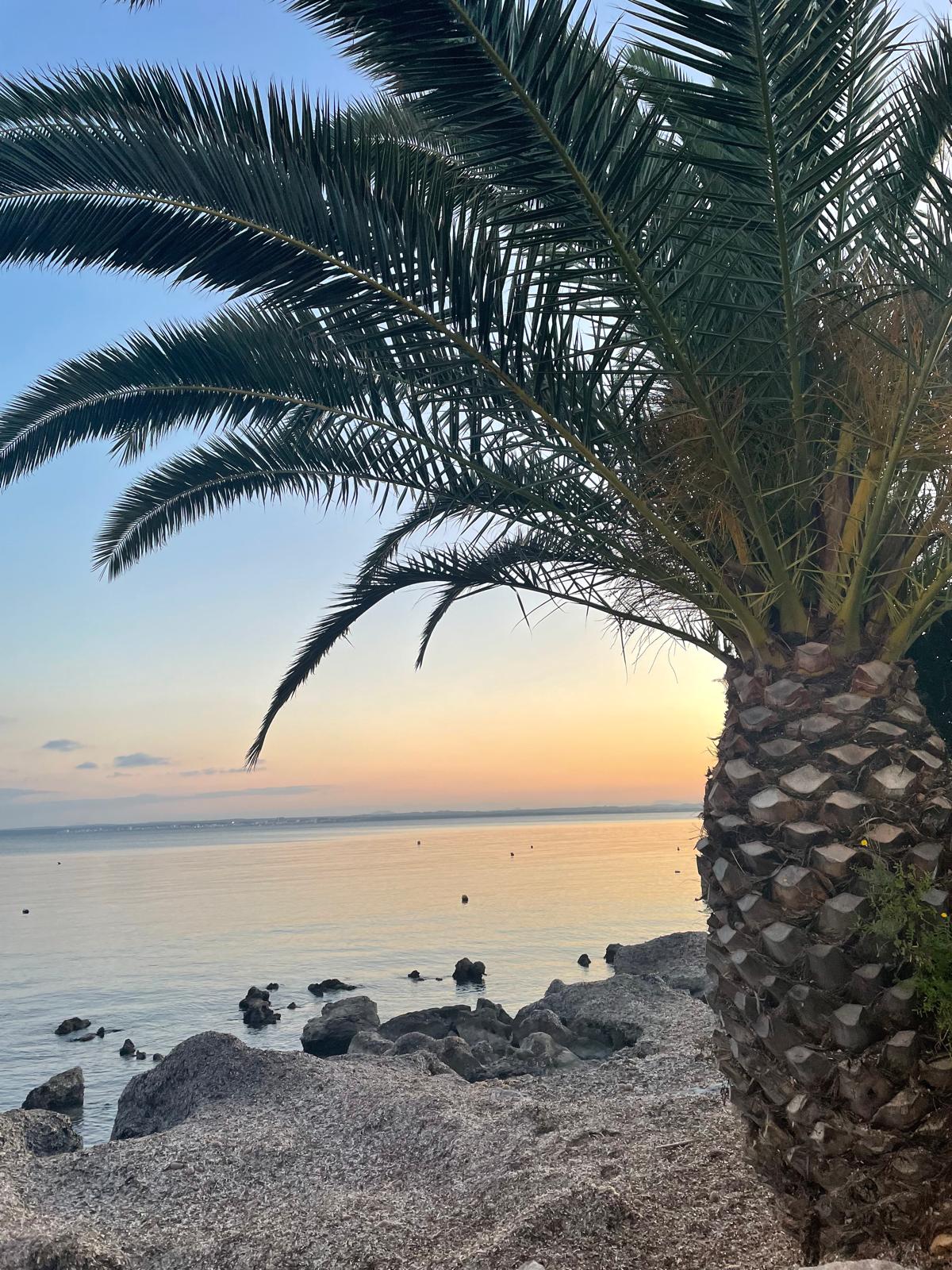
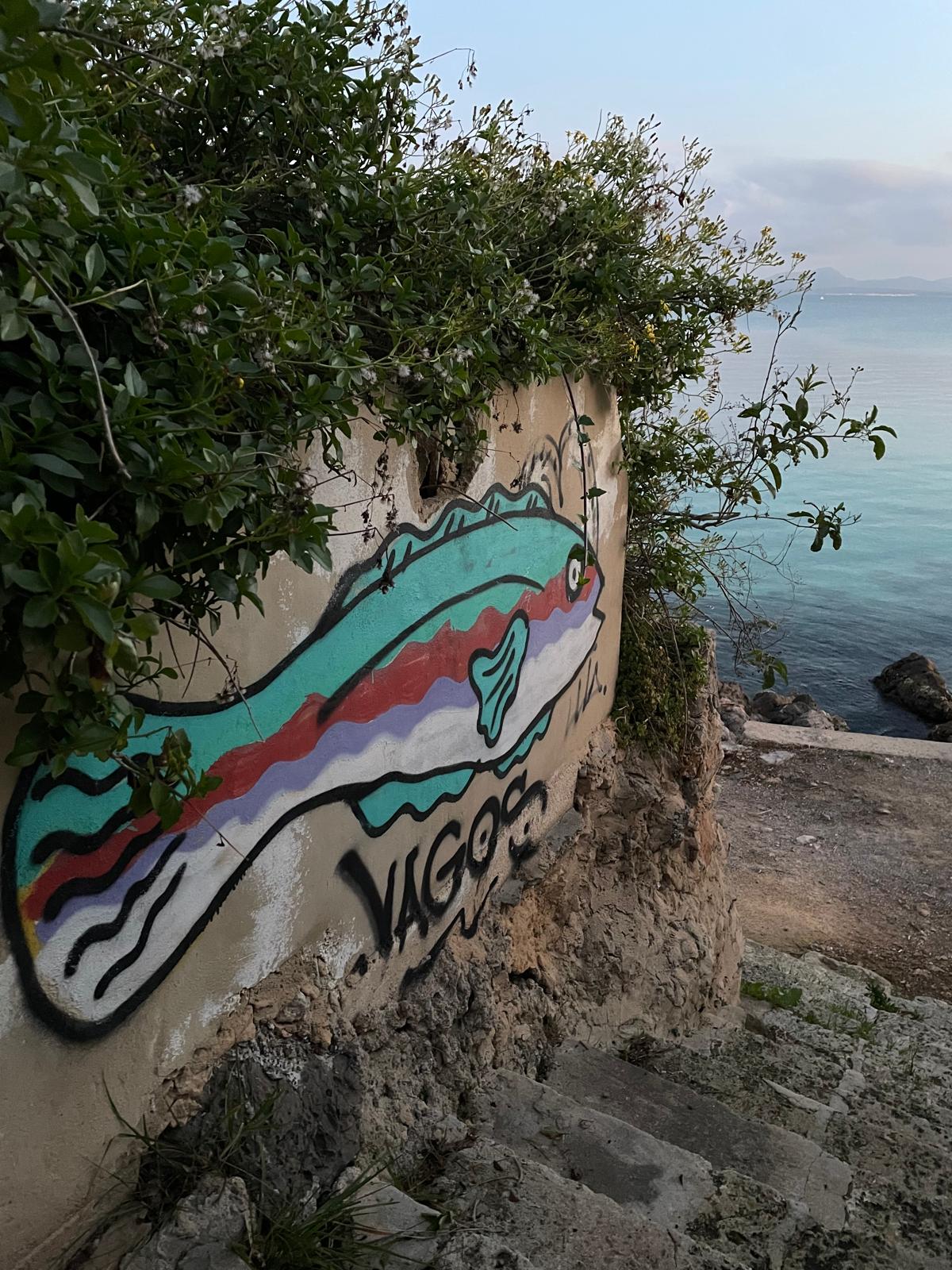
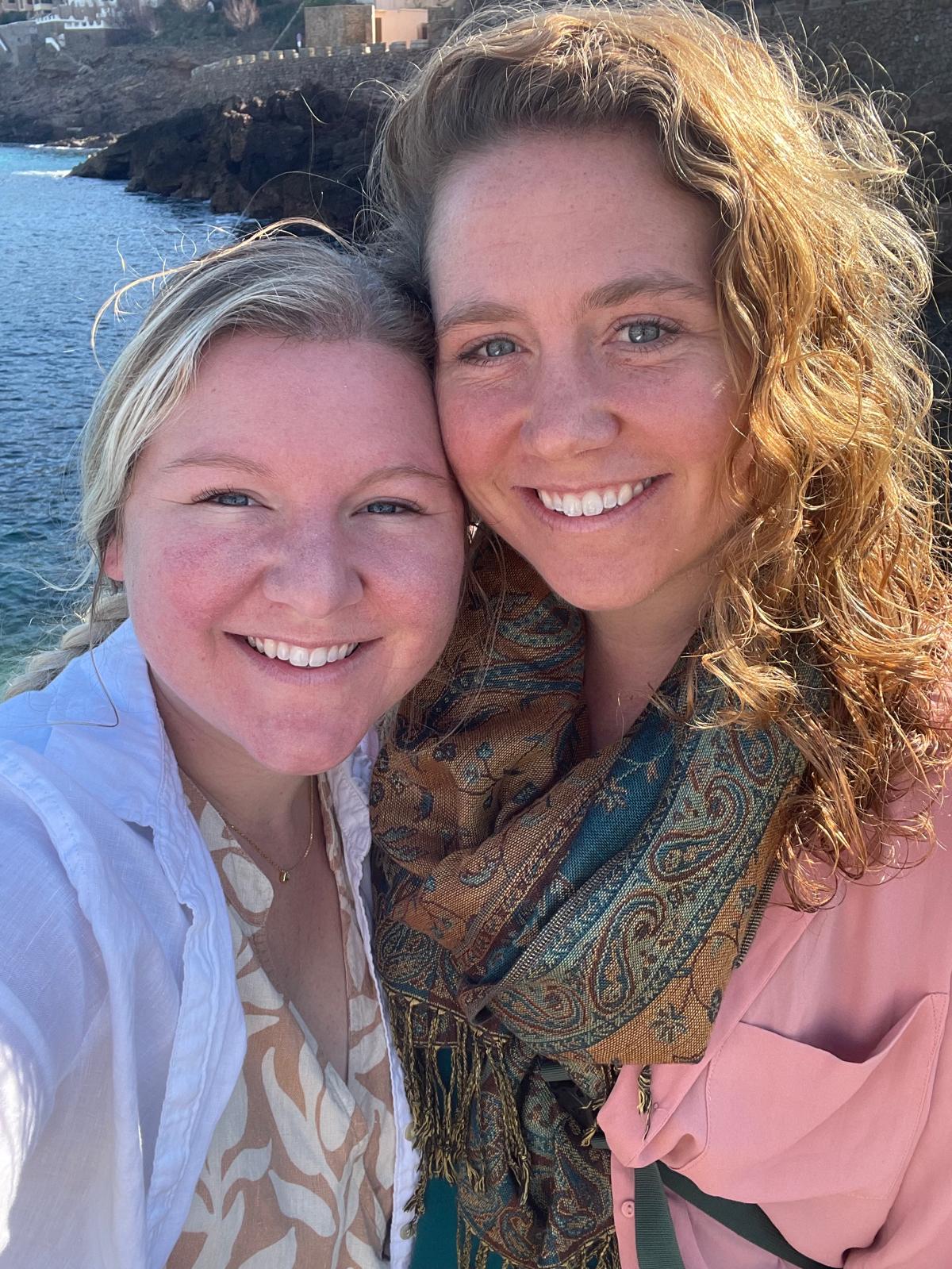
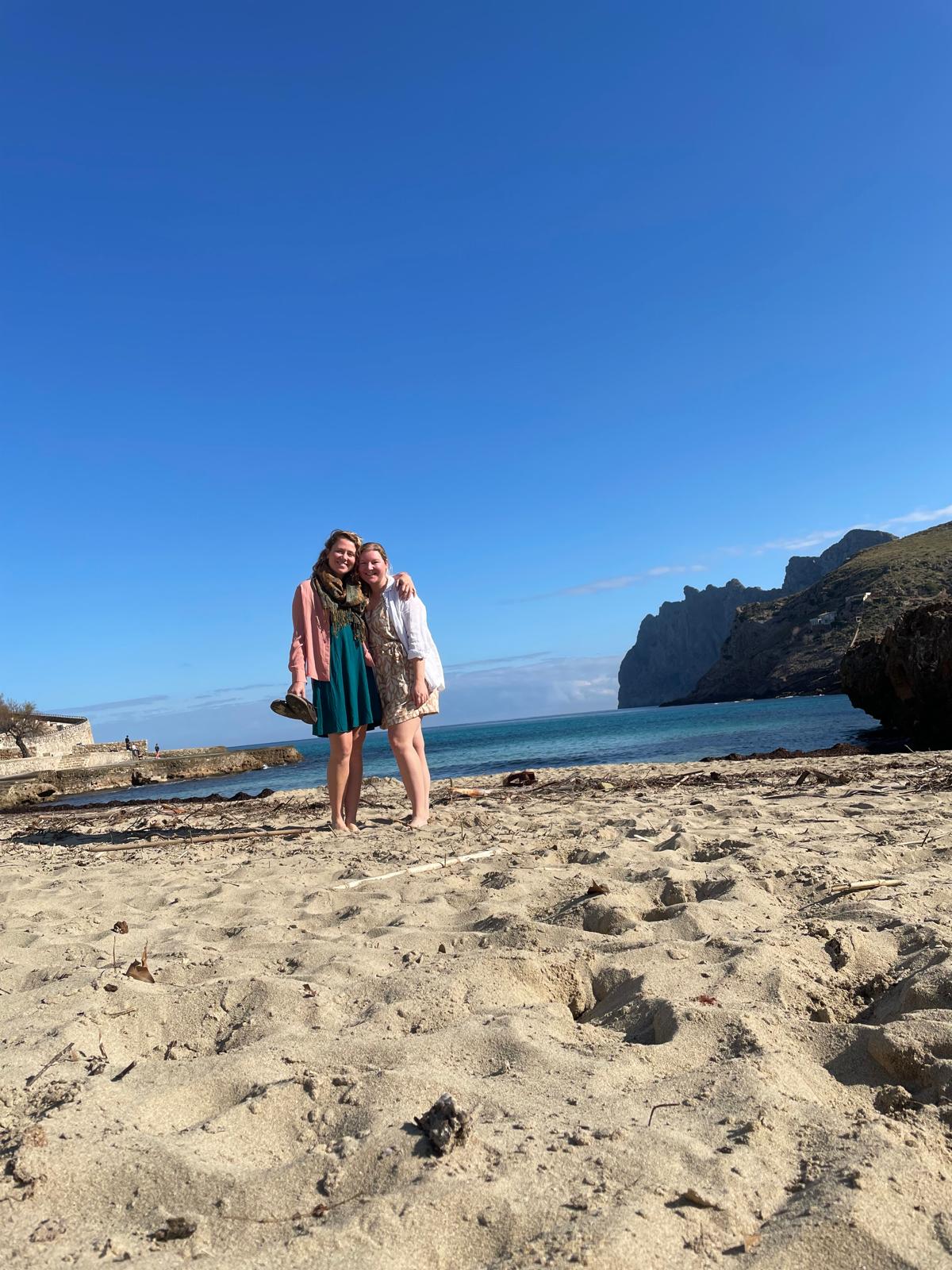
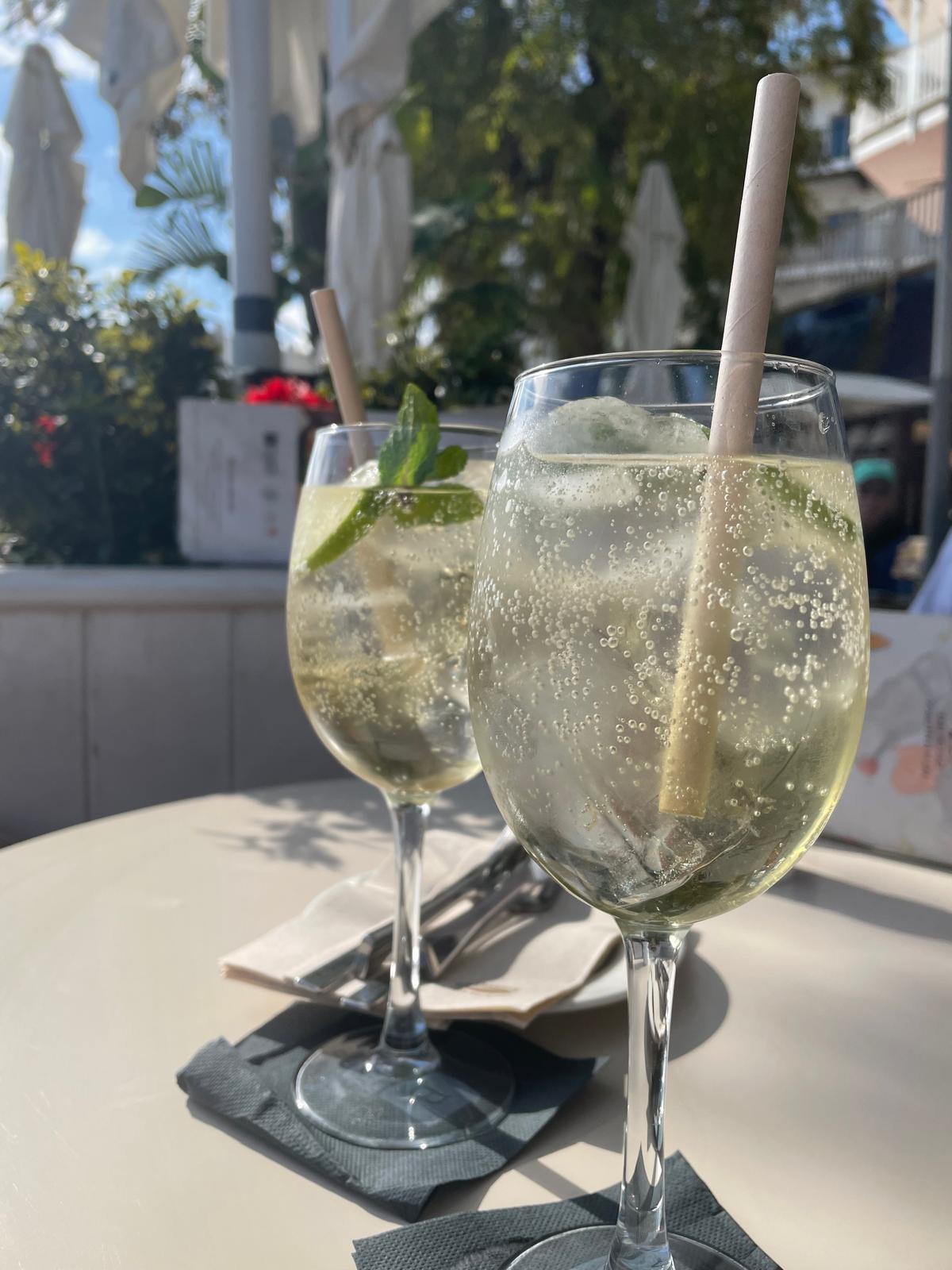
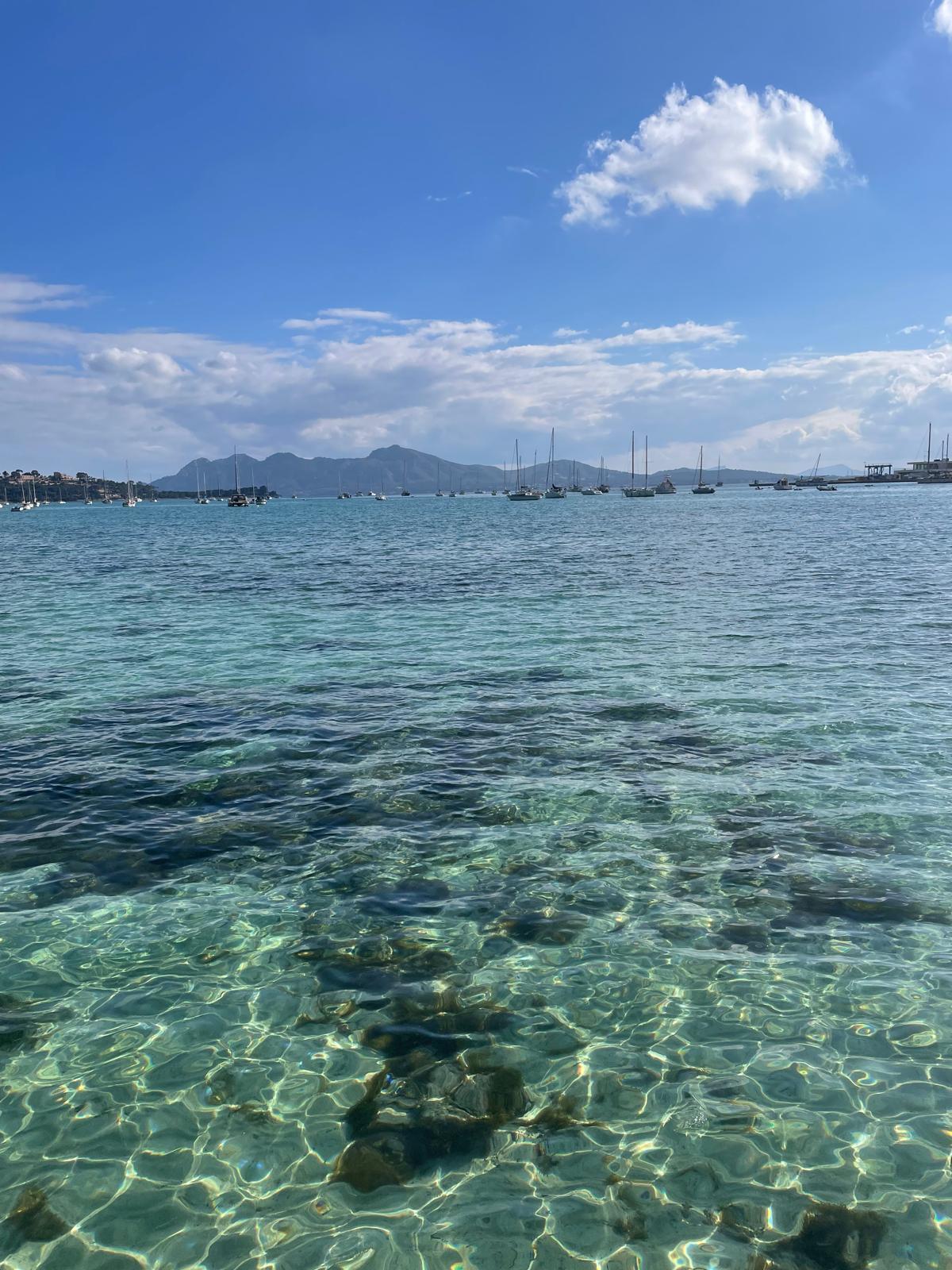
The stars finally aligned to have a long overdue sister trip! The week went by too quickly but Sar and I jammed in as much as we could from pub crawling in a little village in Germany to taking a flight to Mallorca, Spain and vanning around the island. Tales from this trip will be told for many years to come 🙂
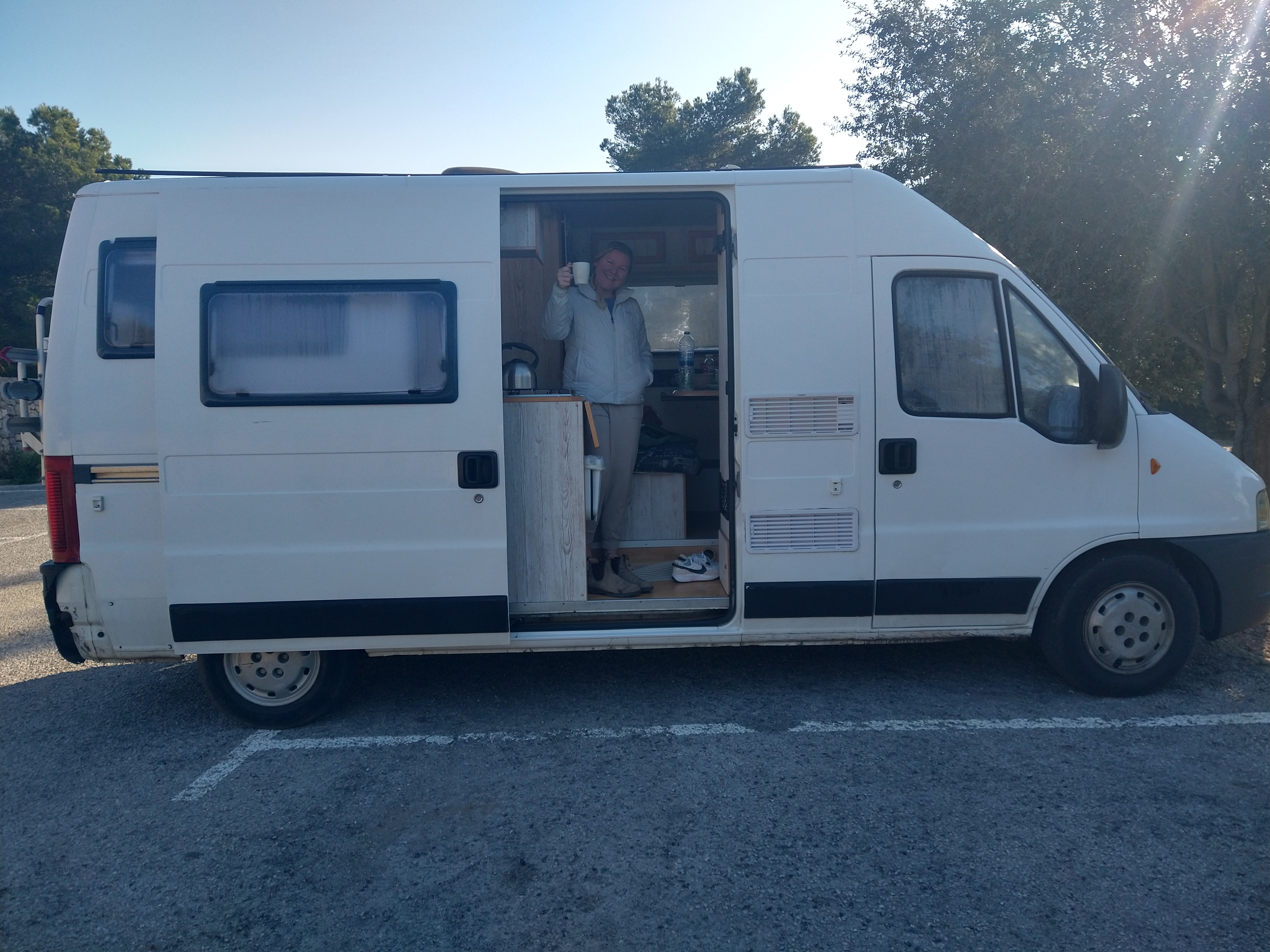
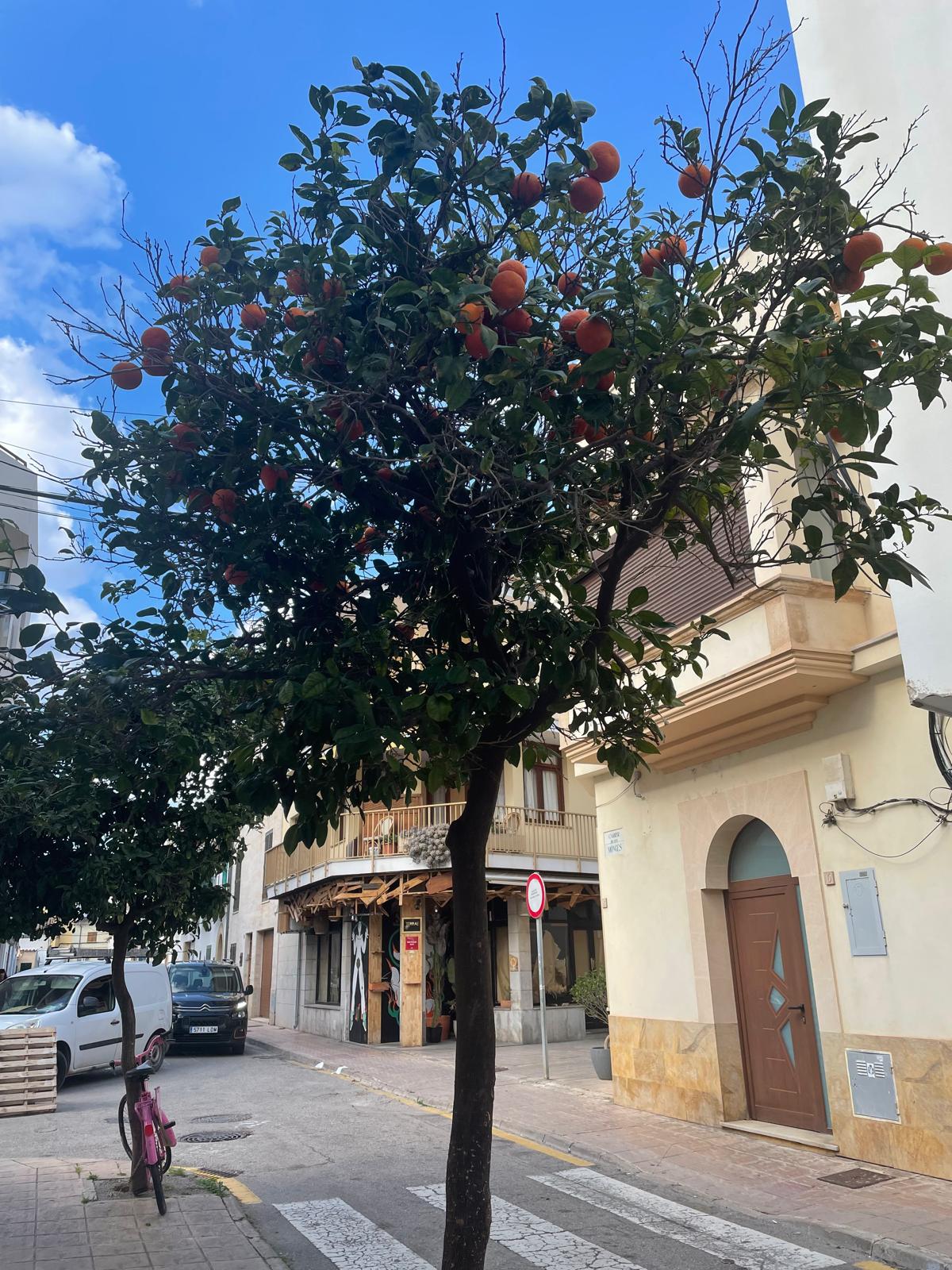
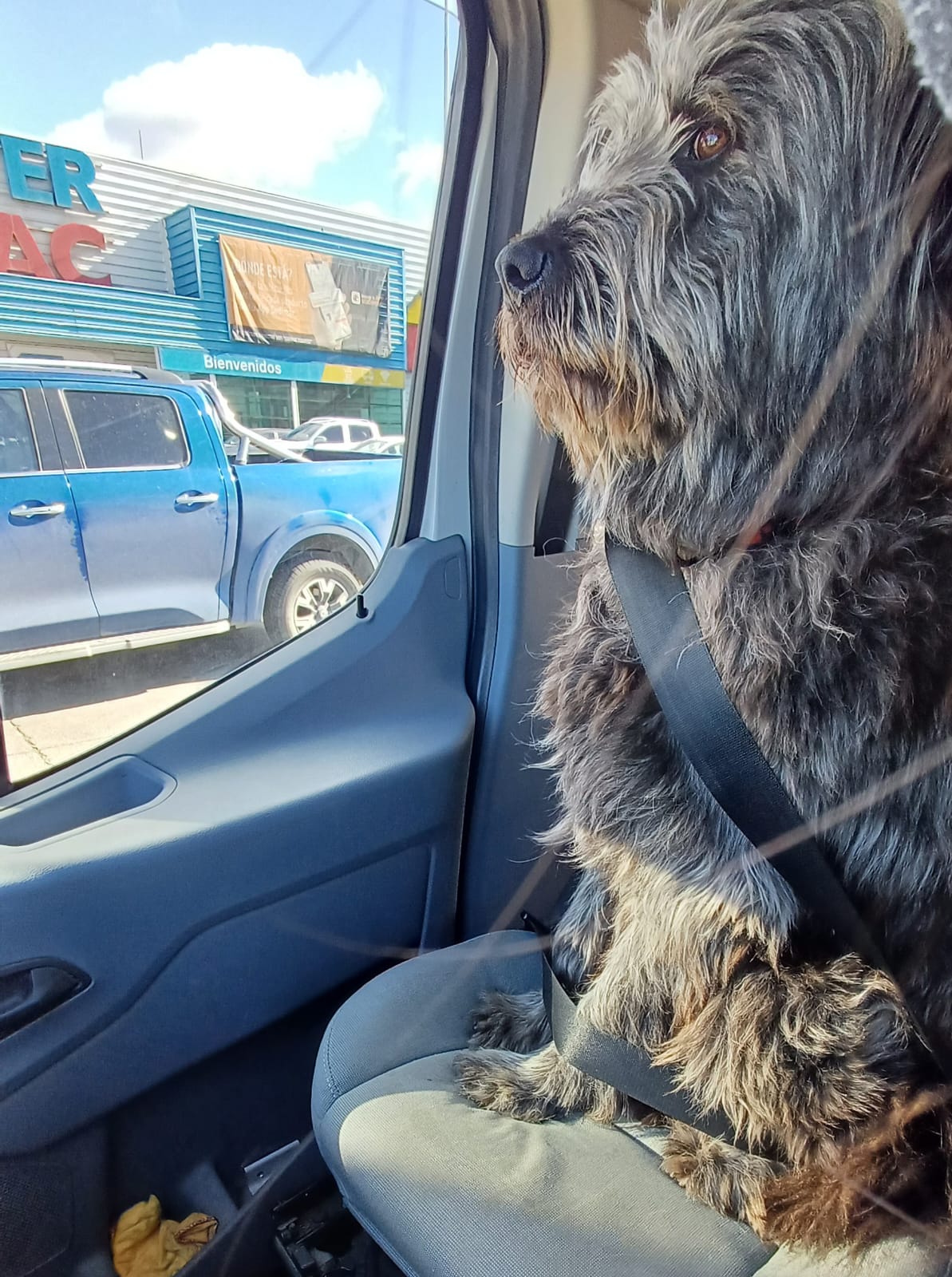
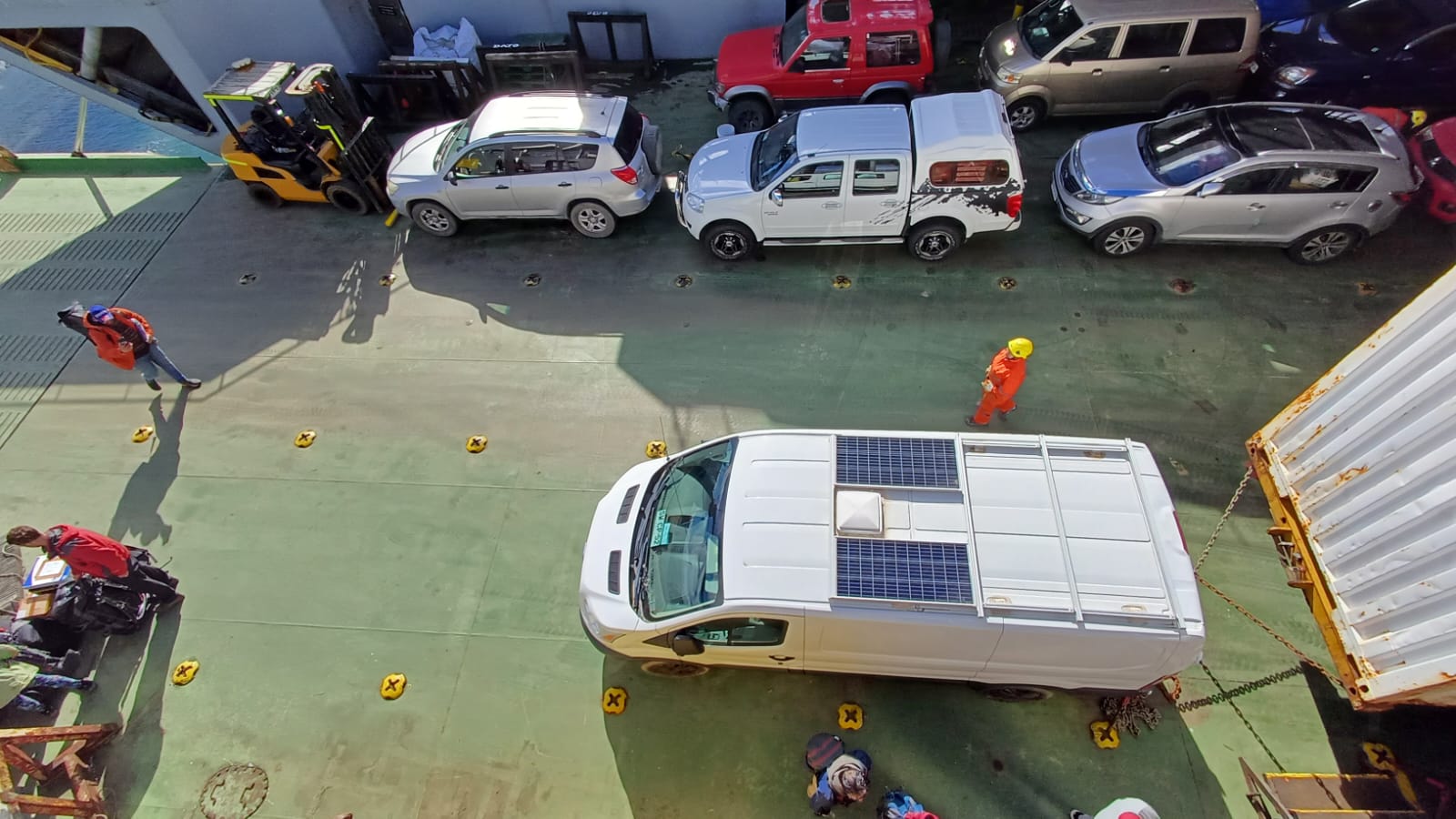
One final update – Savannah is on her way back down to Navarino Island to be looked after and enjoyed by my friend/colleague and her family until my eventual return. Bonus is that Sav now has Cholo the dog as a copilot!
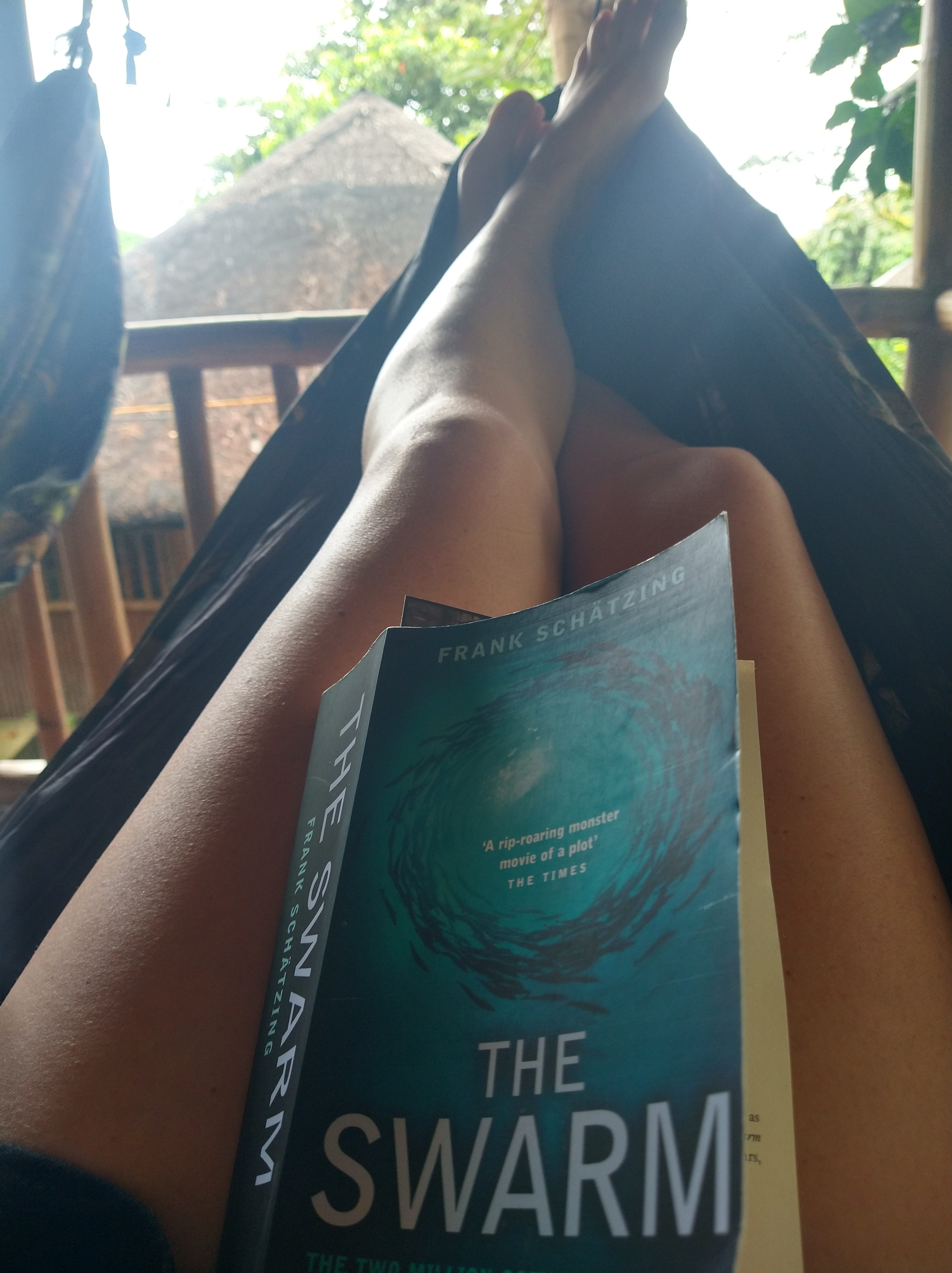
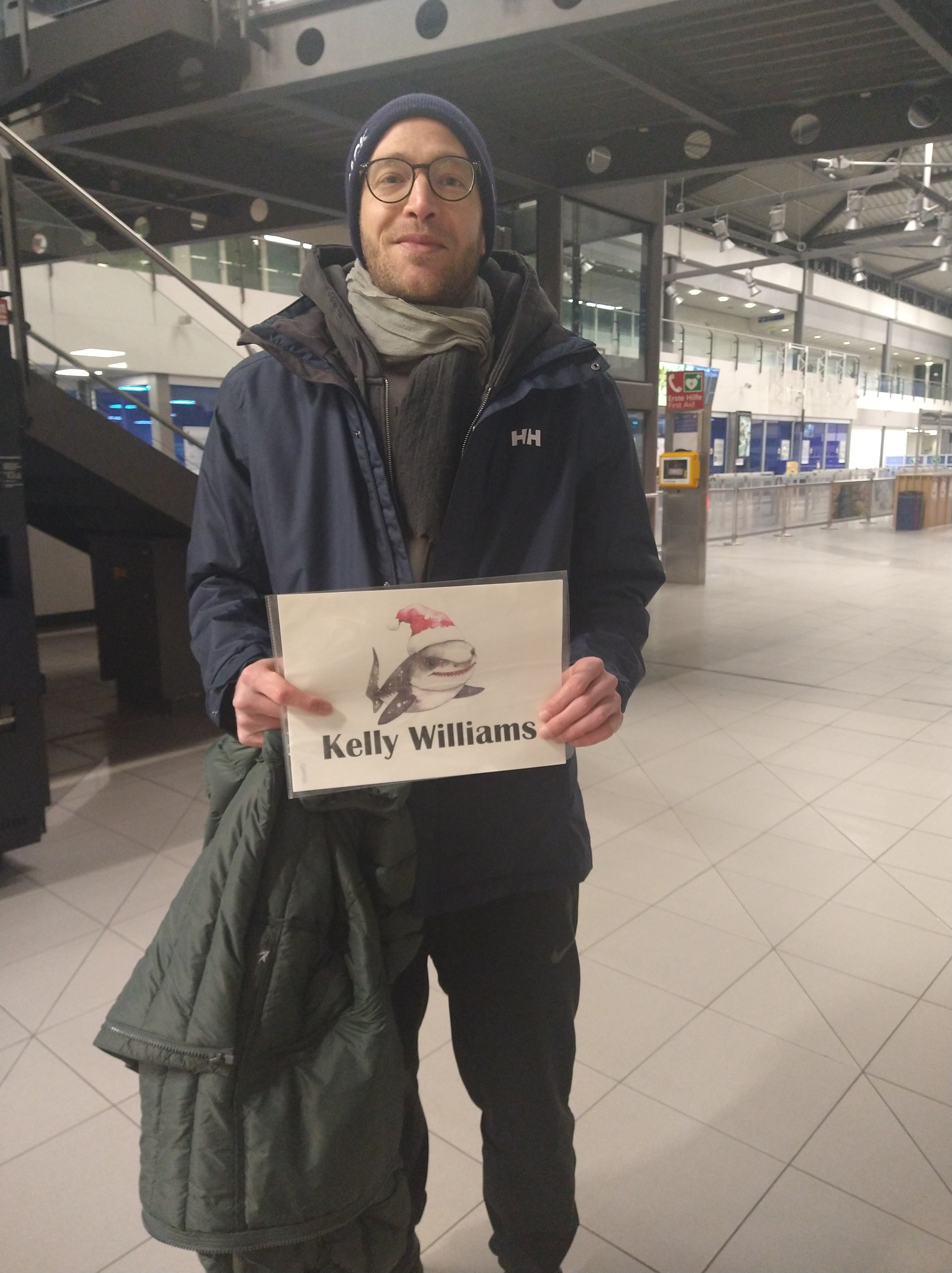
Throughout these adventures I’ve been supported by my partner both when I’m near and far… even though he gave me The Swarm to read before my scuba diving endeavour, clever…(: From calls while I’m on top of the fire tower or a sand dune, airport pick ups, cooking me all the food I miss during my field trips, supporting me on my travels, and keeping me sane and grounded while I’m in Leipzig, I feel so lucky J and I found each other and I have someone to look forward to come home to, and plan future trips with!

As I finish writing this lengthy update, the long awaited storm is about to blow in off Kili and give us some much needed rain. I have two more weeks here in Amboseli, and I plan to soak up every minute of it. Til next time!

 kelwill
It took me a whole week to get this onto my computer so I could read the whole thing. For some reason, it was cut off and not centered. (I’ve been having computer problems lately, but hope it is all ok now.) I am so impressed with your lot in life … working hard and doing what you love in so many amazing places on earth. I have a feeling my Mom and Dad are watching from Heaven, enjoying every adventure and are so proud of you. Take care, stay safe and know that I love you, Miss KelKel.
LikeLiked by 1 person
Love and miss you Aunt Pat!
LikeLike